
SUPPLY CHAIN & PROCUREMENT
How Does Order Frequency Change Silicone Production Planning?
Use silicone production planning to balance order frequency, changeovers, inventory and capacity. Request a practical repeat-order review from Naike Silicone.

DIRECT ANSWER
What B2B Buyers Need to Know
Silicone production planning changes with order frequency because every release affects material allocation, mold and color changeovers, inspection, packing, inventory and capacity slots. Smaller frequent orders can reduce buyer stock but create more factory setups, while consolidated orders may improve run efficiency but increase inventory exposure. The best cadence depends on SKU mix, forecast reliability, packaging and confirmed purchase orders.
This guide is written for importers, private-label brands, retailers, distributors, procurement managers, demand planners, inventory teams and supply-chain leaders. It provides a decision framework rather than legal advice or a universal specification. Product classification, use conditions and destination market should be confirmed before final testing, labelling or compliance decisions.
Key Takeaways
- Compare order frequency by finished SKU, color, packaging and destination instead of using annual volume alone.
- Frequent smaller releases may lower buyer inventory but increase mold, material, color, inspection and packing setups.
- Consolidated orders can improve production continuity while creating higher stock, cash-flow and obsolescence exposure.
- Use blanket orders or call-off plans only when quantity commitments, release rules and liability are documented.
- Translate forecasts into firm purchase orders through clear flexible, firm and frozen planning windows.
- Keep MOQ, price, capacity and lead-time commitments conditional on the approved SKU mix and confirmed schedule.
Order-Frequency Options for Silicone Production Planning
The right cadence depends on product mix, inventory policy, forecast reliability and factory readiness. Commercial commitments remain conditional until specifications and purchase orders are confirmed.
| Order pattern | Planning advantage | Buyer and factory trade-off |
|---|---|---|
| Monthly smaller orders | Reduces finished-goods inventory and creates frequent demand feedback | More setups, color changes, inspections and packaging releases may affect cost and available slots |
| Quarterly consolidated orders | Supports longer production runs and simpler shipment consolidation | Requires more working capital, storage space and protection against assortment changes |
| Irregular promotional orders | Matches campaigns or channel opportunities without a fixed cadence | Creates the highest capacity and material uncertainty unless notice periods and contingency rules are agreed |
| Blanket order with call-offs | Combines a committed quantity with staged releases and replenishment visibility | Needs written ownership for material, packaging, finished stock, release dates and unused commitments |
SECTION 01
Silicone Production Planning Starts With a Defined Order Rhythm
Set the purchasing scenario with a realistic SKU mix, forecast, delivery window and cost-comparison basis.
Monthly Volume and Finished-SKU Mix for silicone production planning
The sourcing risk around “Monthly Volume and Finished-SKU Mix” usually appears when volume, SKU mix and delivery timing are discussed separately. Define the forecast trigger, approval owner and escalation path for monthly volume and finished-sku mix across launch and replenishment. For this decision, the decision should be written in language that purchasing, engineering, quality and packaging teams can interpret consistently.
A useful sourcing discussion asks the supplier to provide documented assumptions for volume, timing, SKU mix and change triggers related to monthly volume and finished-sku mix. The unresolved exposure is unclear ownership of monthly volume and finished-sku mix can leave launch milestones without an escalation path. Keep the sample identity, lot and decision outcome together so a later reviewer can reconstruct the release.
Tool Setup and Changeover Frequency
For a repeat-order program, “Tool Setup and Changeover Frequency” needs an owner, a trigger for review and a documented commercial baseline. Connect tool setup and changeover frequency with capacity, payment, inventory and delivery commitments that both parties can verify. For this decision, a clear baseline also helps the supplier explain any trade-off instead of silently selecting the easiest manufacturing option.
Before the next project gate, both parties should agree on a comparable quotation, forecast version, milestone plan and purchase-order note addressing tool setup and changeover frequency. The unresolved exposure is an optimistic assumption about tool setup and changeover frequency can shift cost or delay into packaging, freight or inventory. Record any deviation separately and prevent it from becoming an undocumented repeat-order precedent.
Silicone Compound and Pigment Release
Procurement should evaluate “Silicone Compound and Pigment Release” through total landed cost, timing exposure and continuity of supply. Set the volume, SKU mix, timing and commercial assumptions for silicone compound and pigment release before comparing quotations. For this decision, the requirement becomes useful only when it can be converted into a drawing, sample, record or repeatable check.
The evidence package is stronger when it includes documented assumptions for volume, timing, SKU mix and change triggers related to silicone compound and pigment release. The unresolved exposure is discussing silicone compound and pigment release without a common volume and SKU scenario can produce misleading price comparisons. Carry the approved limit into the inspection instruction rather than leaving it only in meeting notes.
SECTION 02
Compare Setup, Material and Capacity Effects by Order Frequency
Separate fixed development costs from variable production and logistics costs before negotiating commercial terms.
Packaging Purchase and Print Windows
A workable commercial agreement makes the assumptions behind “Packaging Purchase and Print Windows” visible to both buyer and factory. Separate fixed, variable and logistics effects of packaging purchase and print windows so the buyer can model total landed cost. For this decision, early alignment is less expensive than correcting a mold, replacing printed packaging or sorting finished inventory.
For an audit-ready decision, retain a comparable quotation, forecast version, milestone plan and purchase-order note addressing packaging purchase and print windows. The unresolved exposure is failing to review packaging purchase and print windows when forecasts change can weaken supply continuity and working-capital control. Retain enough context to distinguish a process correction from a change to the buyer's requirement.
Inspection, Retained Samples and Lot Records
The sourcing risk around “Inspection, Retained Samples and Lot Records” usually appears when volume, SKU mix and delivery timing are discussed separately. Define the forecast trigger, approval owner and escalation path for inspection, retained samples and lot records across launch and replenishment. For this decision, a named decision owner prevents an open requirement from moving unnoticed into tooling or shipment release.
The buyer's release packet should preserve documented assumptions for volume, timing, SKU mix and change triggers related to inspection, retained samples and lot records. The unresolved exposure is unclear ownership of inspection, retained samples and lot records can leave launch milestones without an escalation path. Reference the applicable drawing and order so evidence from another configuration is not substituted.
Buyer Inventory and Working-Capital Exposure
For a repeat-order program, “Buyer Inventory and Working-Capital Exposure” needs an owner, a trigger for review and a documented commercial baseline. Connect buyer inventory and working-capital exposure with capacity, payment, inventory and delivery commitments that both parties can verify. For this decision, the buyer should distinguish a mandatory acceptance point from a preference that can be traded against cost or timing.
A traceable project record should connect a comparable quotation, forecast version, milestone plan and purchase-order note addressing buyer inventory and working-capital exposure. The unresolved exposure is an optimistic assumption about buyer inventory and working-capital exposure can shift cost or delay into packaging, freight or inventory. Assign an escalation trigger for any material, tooling, packaging or destination-market change.
SECTION 03
Balance Buyer Inventory With Factory Changeover Economics
Connect capacity, inspection, packaging and shipment readiness to named milestones and escalation triggers.
Factory Capacity Reservation and Flexibility
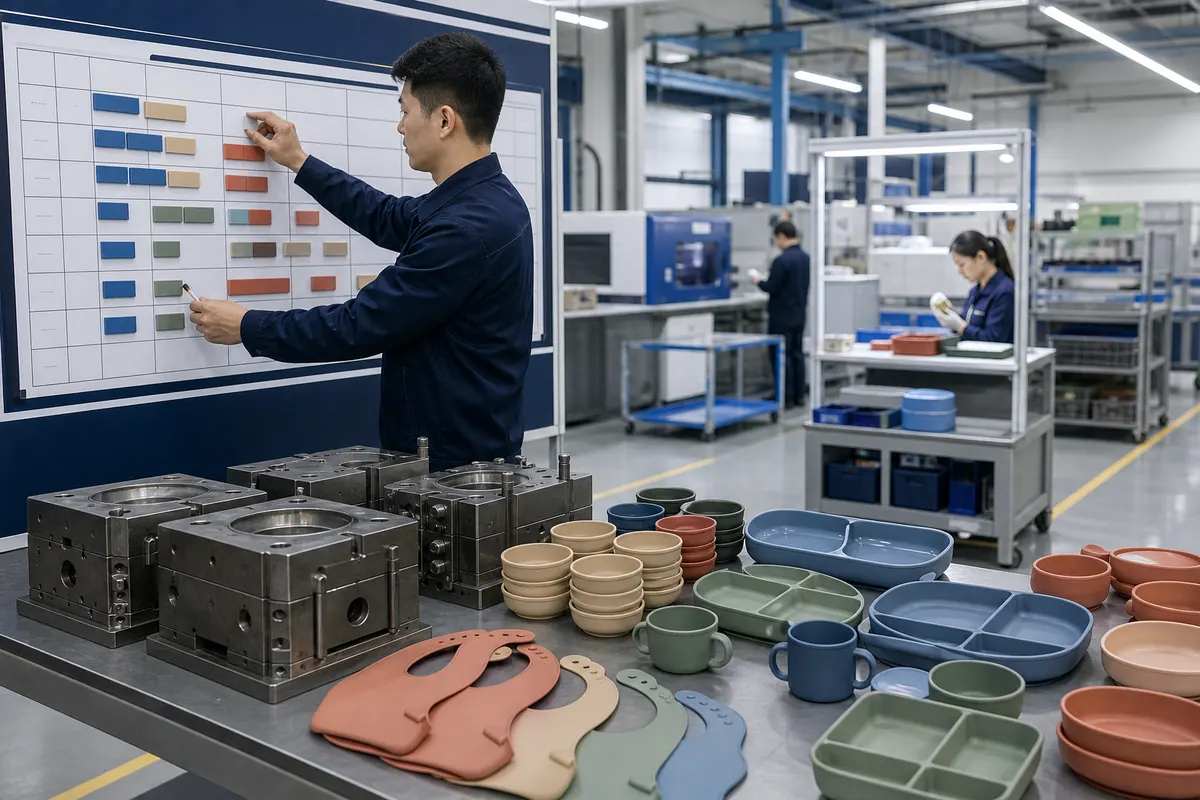
Procurement should evaluate “Factory Capacity Reservation and Flexibility” through total landed cost, timing exposure and continuity of supply. Set the volume, SKU mix, timing and commercial assumptions for factory capacity reservation and flexibility before comparing quotations. For this decision, recording the applicable condition keeps the requirement from being reused outside its original product and market scope.
The next decision gate should reference documented assumptions for volume, timing, SKU mix and change triggers related to factory capacity reservation and flexibility. The unresolved exposure is discussing factory capacity reservation and flexibility without a common volume and SKU scenario can produce misleading price comparisons. Make the result accessible to purchasing, engineering and quality before the next commercial commitment.
Forecast-to-Order Conversion Rules
A workable commercial agreement makes the assumptions behind “Forecast-to-Order Conversion Rules” visible to both buyer and factory. Separate fixed, variable and logistics effects of forecast-to-order conversion rules so the buyer can model total landed cost. For this decision, a measurable gate lets the team close the issue with evidence instead of relying on an undocumented verbal decision.
For repeat-order comparability, archive a comparable quotation, forecast version, milestone plan and purchase-order note addressing forecast-to-order conversion rules. The unresolved exposure is failing to review forecast-to-order conversion rules when forecasts change can weaken supply continuity and working-capital control. Close the decision with a revision-controlled record that can guide production and the next reorder.
Reorder Triggers and Shipment Consolidation
The sourcing risk around “Reorder Triggers and Shipment Consolidation” usually appears when volume, SKU mix and delivery timing are discussed separately. Define the forecast trigger, approval owner and escalation path for reorder triggers and shipment consolidation across launch and replenishment. For this decision, the team should identify who approves the requirement, how it will be measured and which later decisions depend on it.
During supplier review, the buyer should request documented assumptions for volume, timing, SKU mix and change triggers related to reorder triggers and shipment consolidation. The unresolved exposure is unclear ownership of reorder triggers and shipment consolidation can leave launch milestones without an escalation path. Link the record to the current SKU revision and name the person authorized to release it.
SECTION 04
Build a Repeatable Replenishment and Escalation Routine
Protect replenishment by recording review conditions for forecasts, prices, lead times, materials and order changes.
Exception Approval and Repeat-Order Review
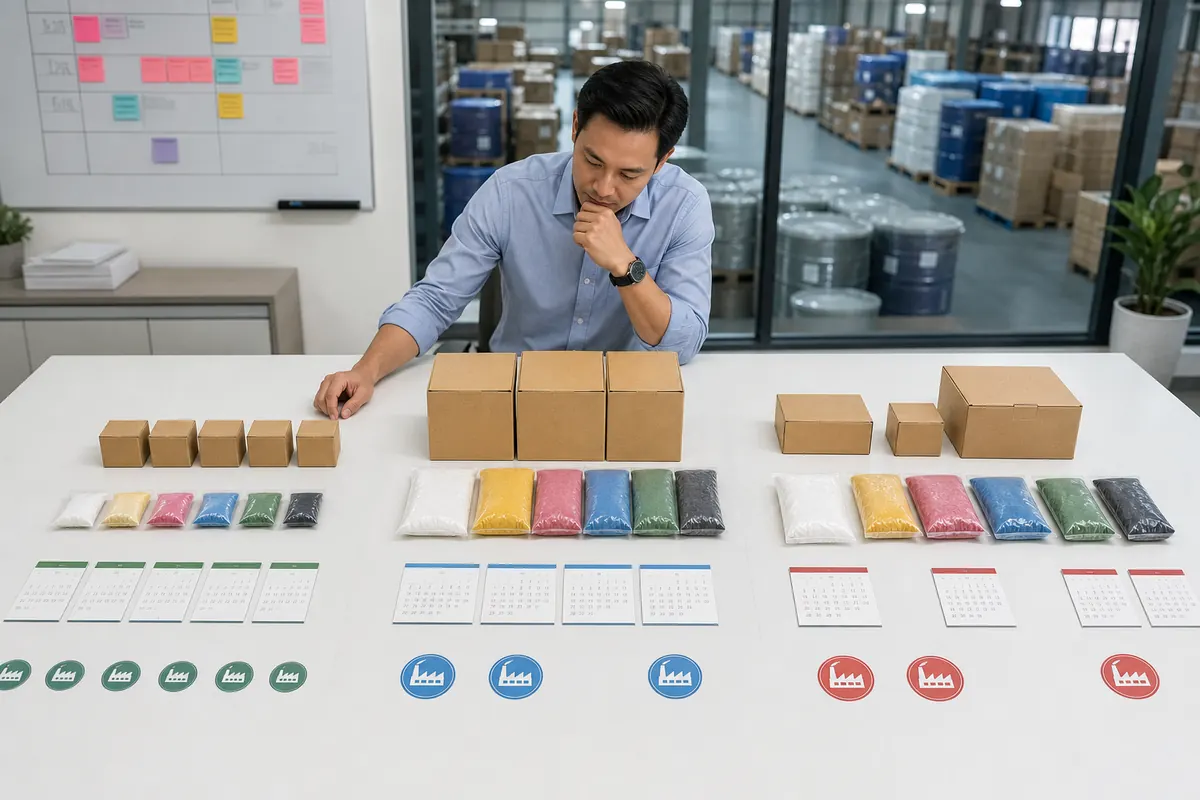
For a repeat-order program, “Exception Approval and Repeat-Order Review” needs an owner, a trigger for review and a documented commercial baseline. Connect exception approval and repeat-order review with capacity, payment, inventory and delivery commitments that both parties can verify. For this decision, this makes quotations more comparable because every potential supplier is responding to the same operating assumptions.
The approval file should contain a comparable quotation, forecast version, milestone plan and purchase-order note addressing exception approval and repeat-order review. The unresolved exposure is an optimistic assumption about exception approval and repeat-order review can shift cost or delay into packaging, freight or inventory. Date the approval and preserve the conditions under which the evidence remains applicable.

ACTION FRAMEWORK
Buyer Checklist Before Commercial Approval
Use this checklist as a meeting agenda. It is intentionally concise so the team can identify missing evidence without replacing its own quality, legal or supplier-management procedure.
| Check | Question | Why It Matters |
|---|---|---|
| Order pattern | Is the intended monthly, quarterly, promotional or call-off cadence defined? | The cadence determines setup frequency, inventory exposure and the reliability of requested capacity windows. |
| SKU mix | Are quantities split by product, size, color, package and destination? | Each finished combination can require separate material, molding, inspection and packing work. |
| Changeovers | Has the team identified mold, insert, pigment, decoration and packaging changes? | Setup effort can outweigh run time when small releases contain many variants. |
| Inventory | Who owns raw material, packaging and finished-goods inventory between releases? | Inventory responsibility affects cash flow, storage, aging risk and commercial terms. |
| Time fences | Which forecast periods are flexible, firm and frozen? | Clear time fences prevent late changes from being mistaken for accepted production instructions. |
| Release trigger | Will orders be triggered by forecast dates, stock level, sales rate or purchase orders? | A measurable trigger supports replenishment without turning an estimate into an unauthorized build. |
| Shipment plan | Are carton readiness, consolidation, Incoterms and forwarder cutoffs documented? | Production frequency and dispatch frequency may differ, so ownership and timing must be coordinated. |
| Exception rule | Who approves expedited orders, mix changes and unused commitments? | Named decision owners make schedule changes traceable and reduce repeated emergency handling. |
NEXT READING
Continue the Supplier and Product Review
These internal resources connect the guide with Naike Silicone product, factory, customization and inquiry pages. Open the route that matches the next decision in your project.
Build an annual silicone forecast for price and lead-time planning
Use build an annual silicone forecast for price and lead-time planning to gather the next level of product, manufacturing or commercial information.
Open internal resource →Negotiate silicone MOQ through order structure
Use negotiate silicone moq through order structure to gather the next level of product, manufacturing or commercial information.
Open internal resource →Calculate the true MOQ for custom silicone products
Use calculate the true moq for custom silicone products to gather the next level of product, manufacturing or commercial information.
Open internal resource →Explore all silicone product categories
Use explore all silicone product categories to gather the next level of product, manufacturing or commercial information.
Open internal resource →Review Naike Silicone manufacturing knowledge
Use review naike silicone manufacturing knowledge to gather the next level of product, manufacturing or commercial information.
Open internal resource →Understand the customized-service workflow
Use understand the customized-service workflow to gather the next level of product, manufacturing or commercial information.
Open internal resource →PRIMARY REFERENCES
Authoritative External Sources
The sources below are official primary references. Applicability depends on the product, intended use and destination market. Buyers should obtain qualified advice for final legal or regulatory decisions.
ICC Incoterms 2020
Official International Chamber of Commerce overview of Incoterms rules used in international trade contracts.
WTO: Trade Facilitation
Official World Trade Organization overview of measures that simplify, modernize and harmonize import, export and transit processes.
World Bank: Logistics Performance Index
Official World Bank dataset describing logistics performance dimensions including shipment arrangements, tracking, tracing and delivery timeliness.
BUYER QUESTIONS
Frequently Asked Questions
What should a buyer confirm first for silicone production planning?
Define the forecast trigger, approval owner and escalation path for monthly volume and finished-sku mix across launch and replenishment as the first controlled decision in the buyer's review. Support that review with documented assumptions for volume, timing, SKU mix and change triggers related to monthly volume and finished-sku mix. The exact depth for monthly volume and finished-sku mix depends on product use, market, order value and whether the program uses an existing design or new tooling. Keep this decision linked to the current SKU revision, and reassess monthly volume and finished-sku mix whenever material, design, color, process, packaging or destination-market assumptions change.
How should buyers review tool setup and changeover frequency?
Connect tool setup and changeover frequency with capacity, payment, inventory and delivery commitments that both parties can verify as the first controlled decision in the buyer's review. Support that review with a comparable quotation, forecast version, milestone plan and purchase-order note addressing tool setup and changeover frequency. The exact depth for tool setup and changeover frequency depends on product use, market, order value and whether the program uses an existing design or new tooling. Keep this decision linked to the current SKU revision, and reassess tool setup and changeover frequency whenever material, design, color, process, packaging or destination-market assumptions change.
How should buyers review silicone compound and pigment release?
Set the volume, SKU mix, timing and commercial assumptions for silicone compound and pigment release before comparing quotations as the first controlled decision in the buyer's review. Support that review with documented assumptions for volume, timing, SKU mix and change triggers related to silicone compound and pigment release. The exact depth for silicone compound and pigment release depends on product use, market, order value and whether the program uses an existing design or new tooling. Keep this decision linked to the current SKU revision, and reassess silicone compound and pigment release whenever material, design, color, process, packaging or destination-market assumptions change.
How should buyers review packaging purchase and print windows?
Separate fixed, variable and logistics effects of packaging purchase and print windows so the buyer can model total landed cost as the first controlled decision in the buyer's review. Support that review with a comparable quotation, forecast version, milestone plan and purchase-order note addressing packaging purchase and print windows. The exact depth for packaging purchase and print windows depends on product use, market, order value and whether the program uses an existing design or new tooling. Keep this decision linked to the current SKU revision, and reassess packaging purchase and print windows whenever material, design, color, process, packaging or destination-market assumptions change.
How should buyers review inspection, retained samples and lot records?
Define the forecast trigger, approval owner and escalation path for inspection, retained samples and lot records across launch and replenishment as the first controlled decision in the buyer's review. Support that review with documented assumptions for volume, timing, SKU mix and change triggers related to inspection, retained samples and lot records. The exact depth for inspection, retained samples and lot records depends on product use, market, order value and whether the program uses an existing design or new tooling. Keep this decision linked to the current SKU revision, and reassess inspection, retained samples and lot records whenever material, design, color, process, packaging or destination-market assumptions change.
How should buyers review buyer inventory and working-capital exposure?
Connect buyer inventory and working-capital exposure with capacity, payment, inventory and delivery commitments that both parties can verify as the first controlled decision in the buyer's review. Support that review with a comparable quotation, forecast version, milestone plan and purchase-order note addressing buyer inventory and working-capital exposure. The exact depth for buyer inventory and working-capital exposure depends on product use, market, order value and whether the program uses an existing design or new tooling. Keep this decision linked to the current SKU revision, and reassess buyer inventory and working-capital exposure whenever material, design, color, process, packaging or destination-market assumptions change.
Editorial and Scope Note
Conclusion: Silicone Production Planning by Order Frequency
Move from buyer research to a controlled supplier brief
Silicone production planning should connect order frequency with SKU mix, changeovers, material and packaging releases, inspection, inventory ownership, shipment timing and forecast-to-order rules. Frequent releases and consolidated orders can both work when their trade-offs are explicit. MOQ, price, capacity, lead time, material availability and product performance remain conditional on the approved specification, actual purchase order, order mix and confirmed factory schedule. Share your reorder history and target cadence with Naike Silicone to request a repeat-order and capacity-planning review.
This factory-insider guide supports sourcing preparation and supplier discussion; it does not replace product-specific engineering, laboratory, regulatory, legal or commercial review for the destination market.