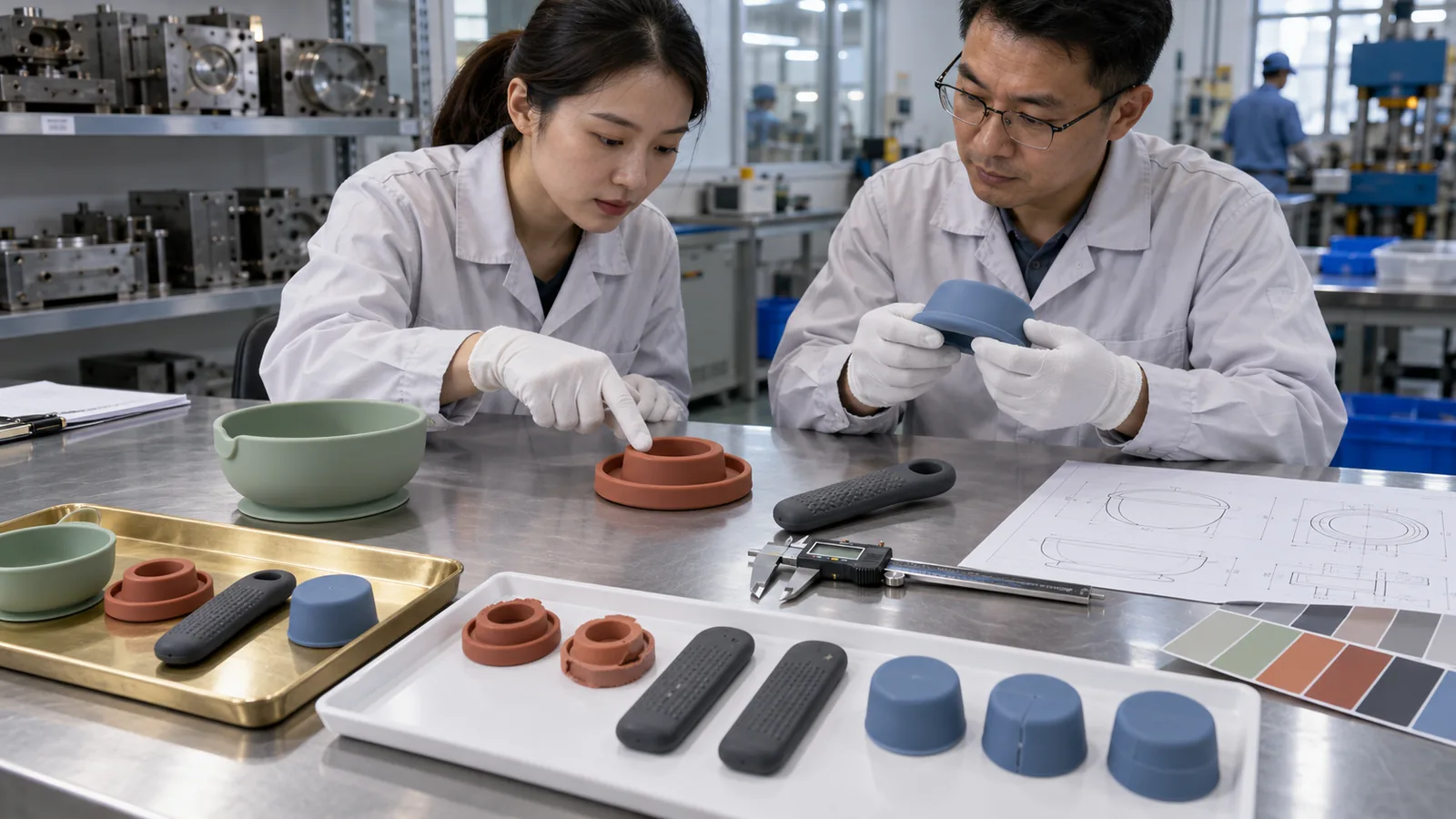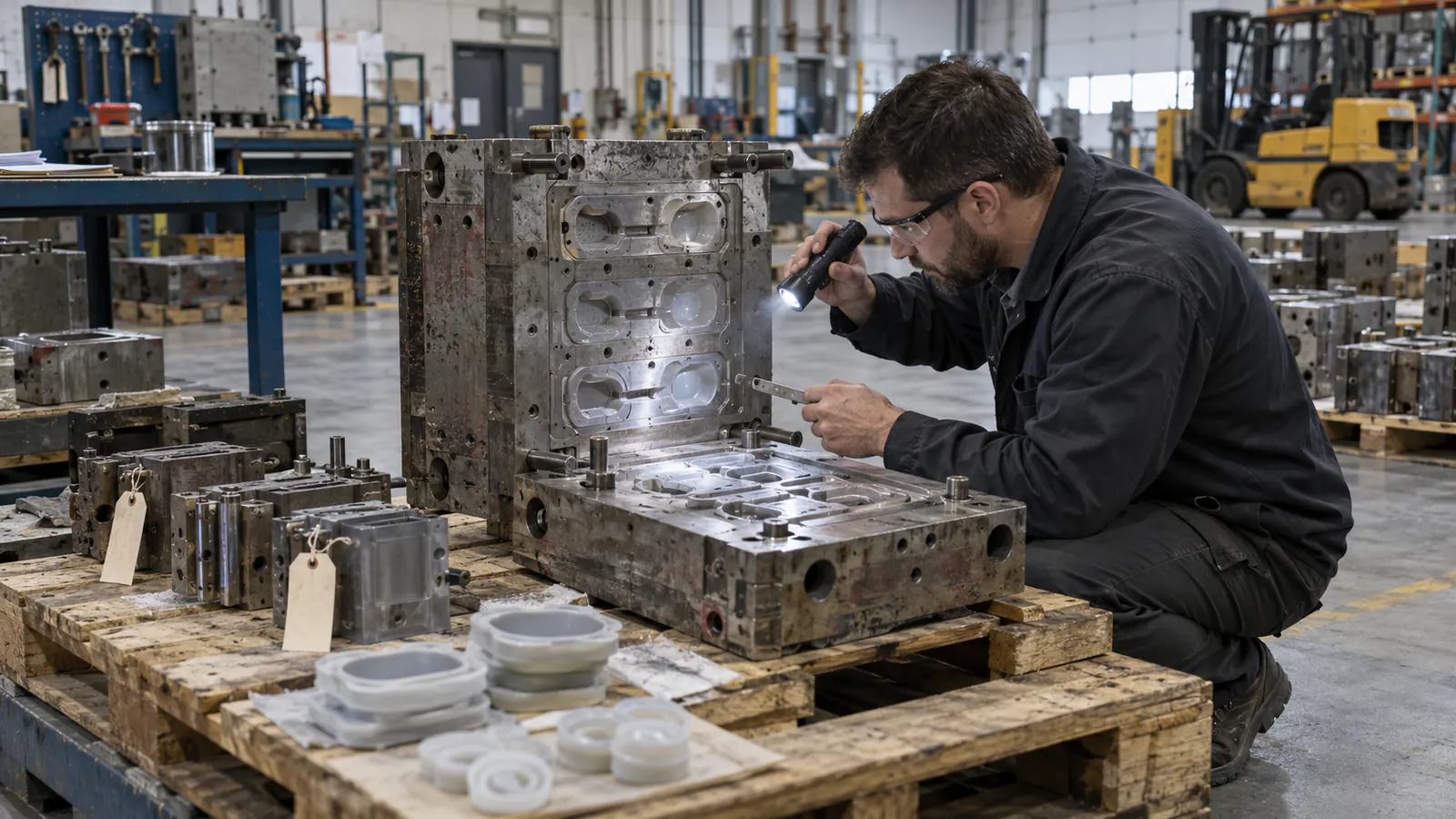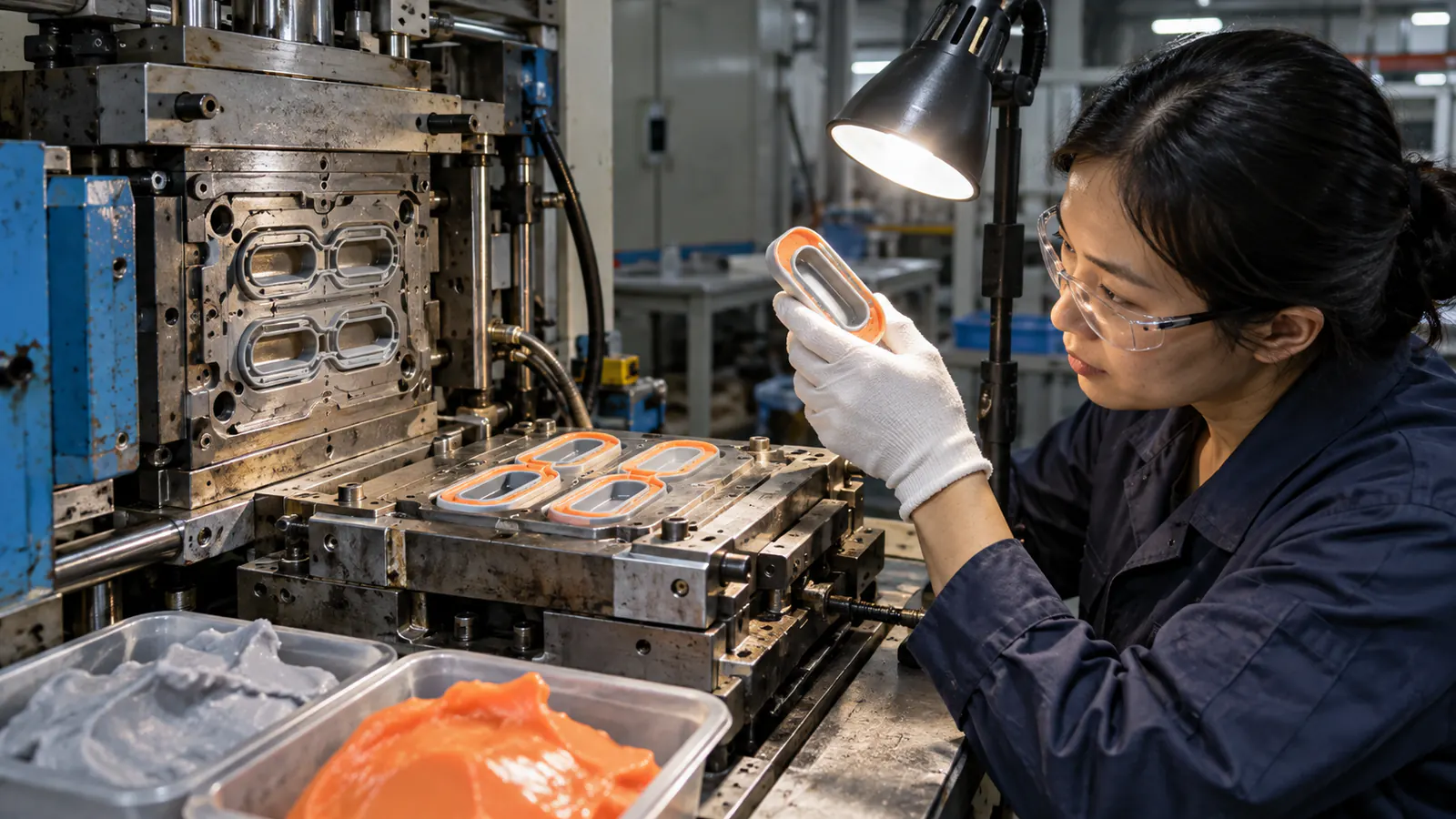
CUSTOM MANUFACTURING & TOOLING
Silicone Aluminum Prototype Mold: When Should Buyers Use an Aluminum Prototype Mold Before Production Tooling?
Decide when a silicone aluminum prototype mold is worth its added tooling step, how to scope production-intent learning, and how to transfer evidence into production tooling without overstating readiness.
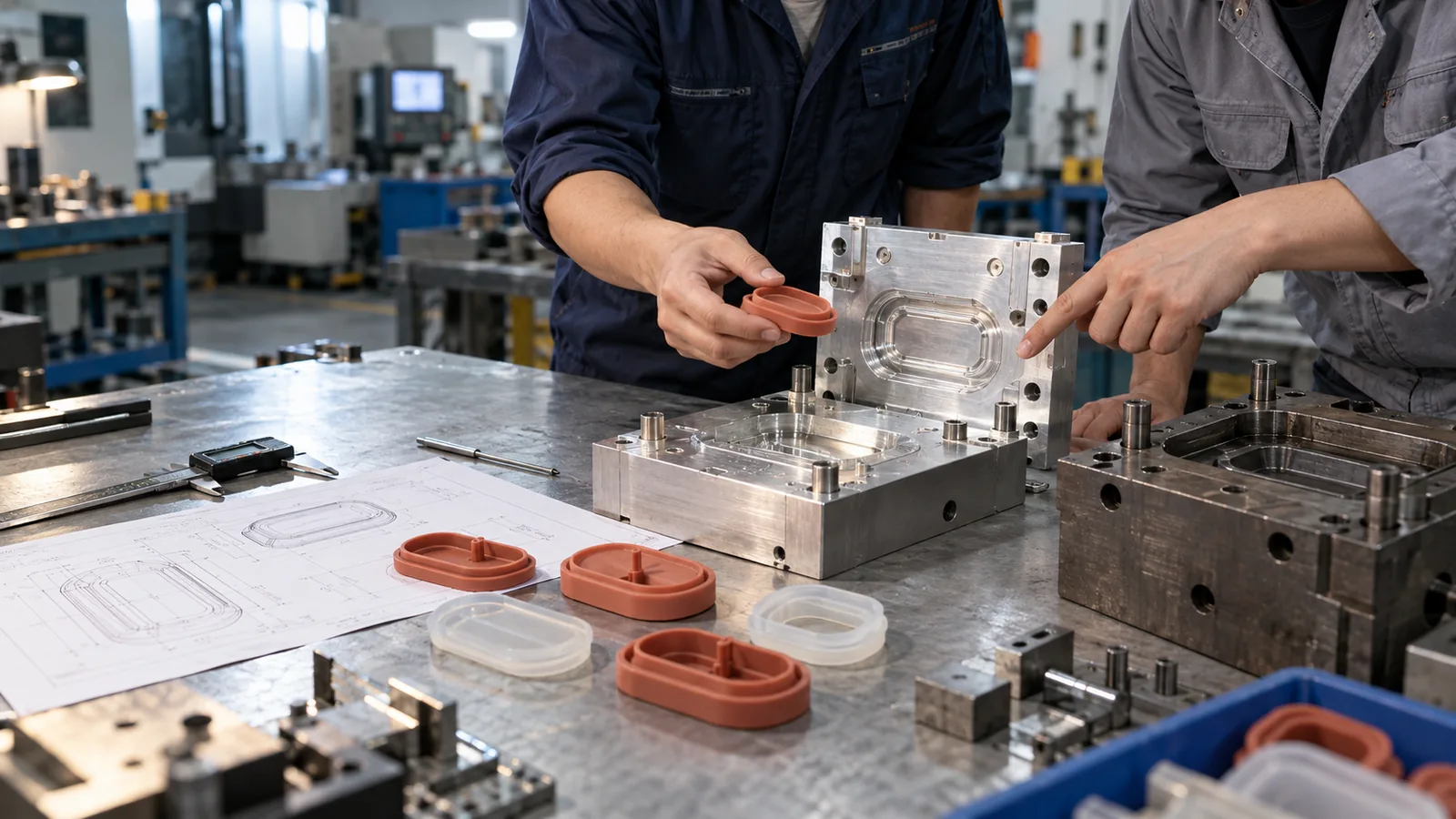
DIRECT ANSWER
What B2B Buyers Need to Know
Buyers should use a silicone aluminum prototype mold when production-intent molded samples can answer a costly open question about geometry, assembly fit, demolding, function, user acceptance or pack-out before the production tool is frozen. The route is justified only when that learning value exceeds the added tooling, sampling, transfer and revalidation cost.
This guide is written for B2B importers, distributors, retailers, private-label brands, product developers, quality teams and sourcing managers. It provides a decision framework rather than legal advice or a universal specification. Product classification, use conditions and destination market should be confirmed before final testing, labelling or compliance decisions.
Key Takeaways
- Start with one written decision hypothesis; do not order a prototype tool merely because the project feels uncertain.
- Keep silicone grade, hardness, color system, part geometry and intended molding route representative enough for the question being tested.
- Limit cavities, automation and production-life features only when their absence will not distort the decision evidence.
- Approve molded samples against drawing, fit, function and defect criteria while recording every known prototype limitation.
- Treat prototype data as transfer evidence, not automatic proof that a production tool will repeat the same capability or cycle time.
- Close ownership, modification authority, sample quantity, change records and tool retirement before the prototype purchase order is released.
Prototype and Production Tooling Route Comparison
Choose the smallest tooling route that can answer the open buyer decision. Record its limitations so the resulting evidence never looks more representative than it is.
| Tooling Route | Best Decision Use | Evidence Before Release |
|---|---|---|
| Machined or printed appearance model | Early size, handling and packaging-space review when molded material behavior is not required | Dimensional record, fit observations and a written list of non-representative properties |
| Aluminum prototype mold | Production-intent silicone samples for geometry, demolding, assembly, function or limited user feedback | Tool scope, material identity, trial settings, sample map, measurements and approved limitations |
| Single-cavity pilot tool | Deeper process learning when cavity behavior and repeated molding matter but full output is premature | Cavity capability, repeatability evidence, correction history and transfer plan |
| Production tool | Commercial capacity, repeatability, planned automation and agreed service expectations | Formal trials, capability evidence, golden samples, maintenance plan and production release |
SECTION 01
Decide Whether the Prototype Tool Will Retire a Real Risk
Convert the commercial concept into controlled dimensions, functions and approval criteria before DFM begins. Record the decision owner, applicable silicone aluminum prototype mold revision and evidence required before the next gate.
Write the decision hypothesis for silicone aluminum prototype mold
The DFM review should expose the trade-offs around “Write the decision hypothesis” while changes are still economical. Define the single geometry, fit, function, demolding or market question that requires molded evidence, and state which commercial commitment changes when the answer is known. For this decision, a clear baseline also helps the supplier explain any trade-off instead of silently selecting the easiest manufacturing option.
Before the next project gate, both parties should agree on approve a one-page experiment brief with decision owner, pass condition, required sample quantity, target date and next action so the factory understands why the trial exists. The unresolved exposure is a prototype mold ordered without a decision rule can delay rather than de-risk the production tool because every observation remains open to interpretation. Record any deviation separately and prevent it from becoming an undocumented repeat-order precedent.
Freeze the representative baseline
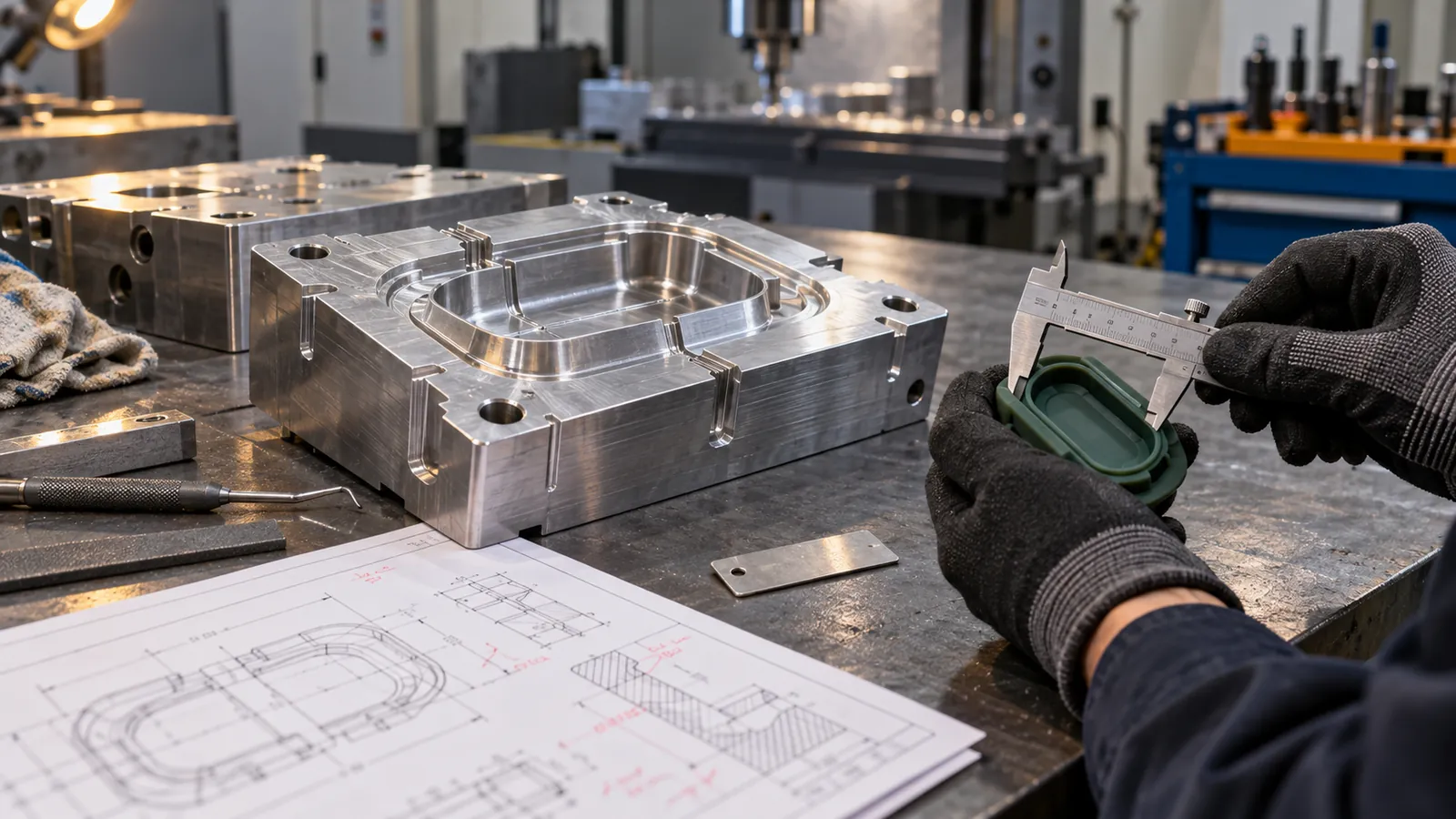
At the engineering gate, “Freeze the representative baseline” must move from a visual preference into a measurable design decision. Lock the intended silicone family, hardness, color system, part revision and key mating components before tool design, then record any permitted substitute and its limitation. For this decision, the requirement becomes useful only when it can be converted into a drawing, sample, record or repeatable check.
The evidence package is stronger when it includes retain approved drawings, material identity, color reference, assembly interfaces and intended-use conditions beside the trial plan so later reviewers see one baseline. The unresolved exposure is changing material or geometry after the trial makes apparently precise results difficult to transfer and can conceal whether improvement came from the tool or the product revision. Carry the approved limit into the inspection instruction rather than leaving it only in meeting notes.
SECTION 02
Design the Aluminum Tool for Production-Intent Learning
Close the process, material and mold decisions that determine tooling scope, trial evidence and revision cost. Record the decision owner, applicable silicone aluminum prototype mold revision and evidence required before the next gate.
Scope the tool around learning
From a mold-development perspective, “Scope the tool around learning” affects geometry, process stability and the correction loop at the same time. Include the cavity surfaces, parting, venting, gating, inserts and demolding features needed for the real question while declaring every simplification in the quoted scope. For this decision, a named decision owner prevents an open requirement from moving unnoticed into tooling or shipment release.
The buyer's release packet should preserve release a prototype-tool specification and a DFM record that separate representative features from temporary shortcuts, including manual trimming, hand-loaded inserts or non-production cooling. The unresolved exposure is a fast tool can create false confidence when its process path is materially different from production, especially where flash, trapped air, ejection or cavity balance drives the decision. Reference the applicable drawing and order so evidence from another configuration is not substituted.
Map and inspect every sample
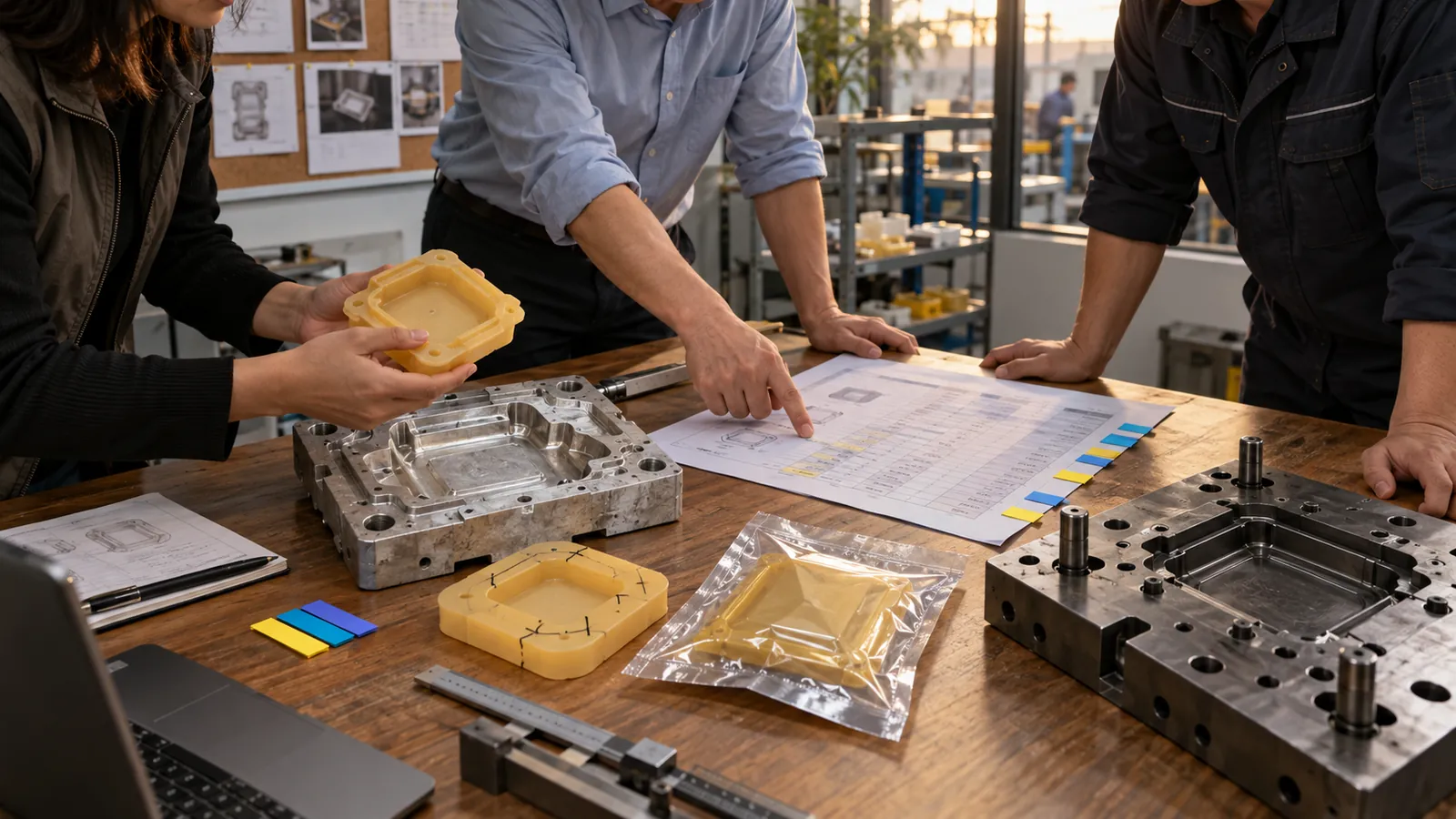
The DFM review should expose the trade-offs around “Map and inspect every sample” while changes are still economical. Identify trial condition, cavity, revision and disposition for samples used in dimensions, assembly, function or limited user review, and quarantine mixed-revision pieces. For this decision, the buyer should distinguish a mandatory acceptance point from a preference that can be traded against cost or timing.
A traceable project record should connect keep a sample map, raw measurements, photographs, failure notes, test-fixture identity and signed reference samples so a later production trial can reproduce the comparison. The unresolved exposure is mixed or untraceable samples hide correction effects and make repeated results impossible to compare, even when the parts look identical on a conference table. Assign an escalation trigger for any material, tooling, packaging or destination-market change.
SECTION 03
Approve Samples Without Overstating Production Readiness
Treat each mold trial as a measured engineering gate rather than a visual sample-selection exercise. Record the decision owner, applicable silicone aluminum prototype mold revision and evidence required before the next gate.
Bound the approval statement
A tooling project becomes easier to control when “Bound the approval statement” is resolved before steel release and first-article trials. State exactly what the prototype demonstrated and what still requires production-tool validation, including output, cycle time, automation, cavity balance, maintenance and long-run capability. For this decision, a measurable gate lets the team close the issue with evidence instead of relying on an undocumented verbal decision.
For repeat-order comparability, archive issue an approval note with passed decisions, open risks, known limitations, production revalidation items and the person authorized to freeze the corresponding drawing change. The unresolved exposure is calling prototype approval production-ready can transfer unresolved process risk into commercial launch and can make the buyer accept capacity assumptions that were never tested. Close the decision with a revision-controlled record that can guide production and the next reorder.
SECTION 04
Transfer Learning into Production Tooling and Commercial Release
Release production only when drawings, golden samples, inspection records and change authority describe the same revision. Record the decision owner, applicable silicone aluminum prototype mold revision and evidence required before the next gate.
Transfer and retire the learning asset
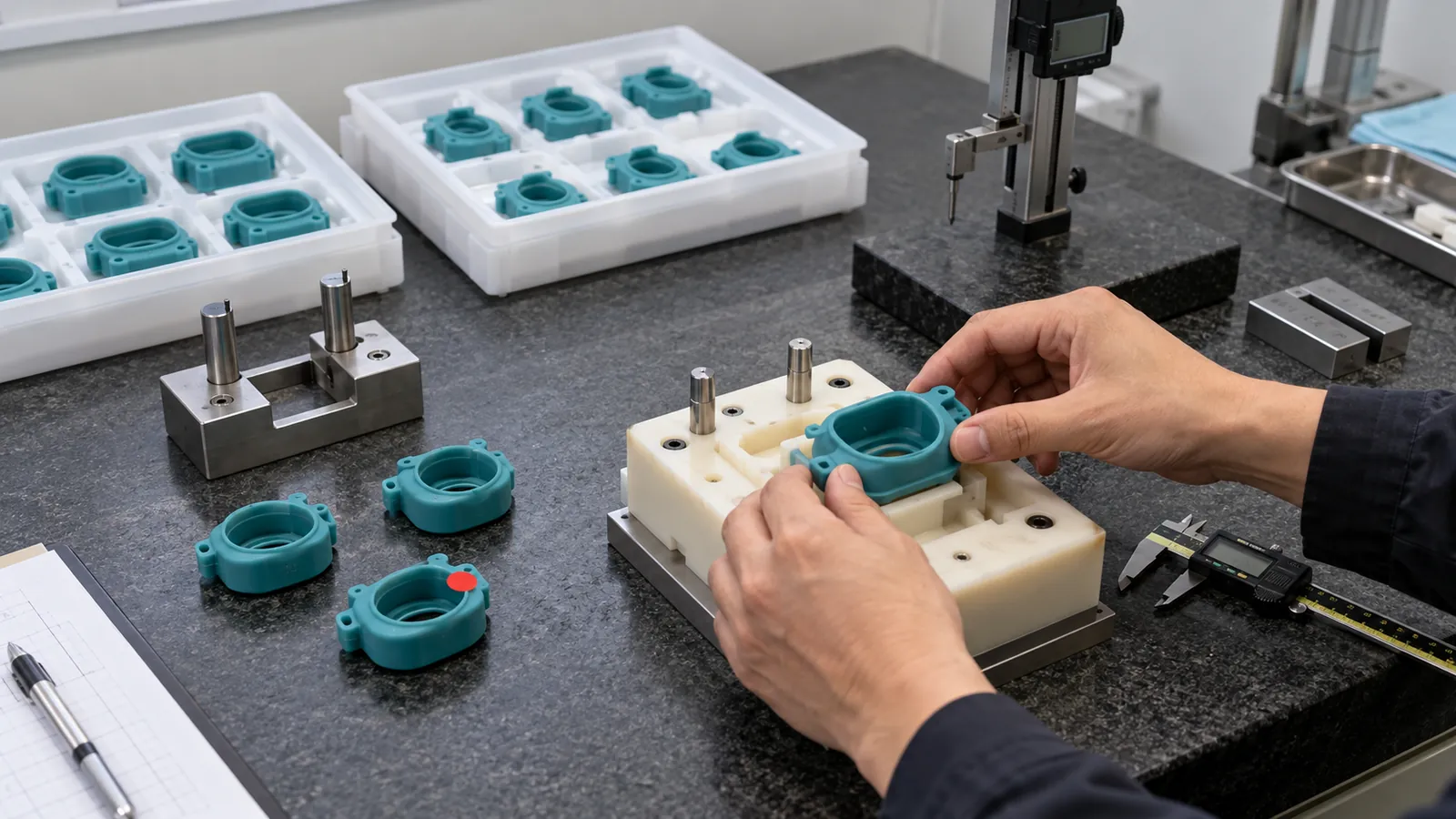
At the engineering gate, “Transfer and retire the learning asset” must move from a visual preference into a measurable design decision. Convert corrections, steel-safe decisions, dimensions, process observations and sample findings into the production-tool purchase package before a new toolmaker begins detailed design. For this decision, the decision should be written in language that purchasing, engineering, quality and packaging teams can interpret consistently.
A useful sourcing discussion asks the supplier to provide use a revision-controlled transfer matrix and close ownership, storage, modification, confidentiality and retirement authority, including whether the prototype may support emergency samples. The unresolved exposure is if findings remain informal, the production tool may repeat a solved defect or discard a validated geometry while the prototype tool continues to create uncontrolled samples. Keep the sample identity, lot and decision outcome together so a later reviewer can reconstruct the release.
ACTION FRAMEWORK
Buyer Checklist Before Commercial Approval
Use this checklist as a meeting agenda. It is intentionally concise so the team can identify missing evidence without replacing its own quality, legal or supplier-management procedure.
| Check | Question | Why It Matters |
|---|---|---|
| Decision hypothesis | Which costly unknown will molded prototype evidence resolve? | A tool without a defined decision becomes an expensive sample-making exercise. |
| Representative baseline | Are grade, hardness, color, geometry and molding route representative enough? | A convenient substitute can invalidate fit, demolding or functional conclusions. |
| Tool scope | Which cavities, inserts, vents, gates and manual operations are included or excluded? | Known shortcuts must not be mistaken for production-tool capability. |
| Sample plan | How many samples, from which conditions, will be measured, assembled and tested? | Unmapped samples cannot support traceable acceptance or failure analysis. |
| Transfer record | How will changes, defects and approved dimensions enter the production-tool specification? | Learning is lost when it stays in emails or marked samples. |
| Commercial control | Who owns, modifies, stores and retires the prototype tool? | Ownership ambiguity creates later cost, confidentiality and reuse disputes. |
NEXT READING
Continue the Supplier and Product Review
These internal resources connect the guide with Naike Silicone product, factory, customization and inquiry pages. Open the route that matches the next decision in your project.
Review custom silicone molding services
Use review custom silicone molding services to gather the next level of product, manufacturing or commercial information. Connect the result to the current silicone aluminum prototype mold revision and next approval action.
Open internal resource →Compare compression molding and LSR injection
Use compare compression molding and lsr injection to gather the next level of product, manufacturing or commercial information. Connect the result to the current silicone aluminum prototype mold revision and next approval action.
Open internal resource →Review T0, T1 and T2 sample approval
Use review t0, t1 and t2 sample approval to gather the next level of product, manufacturing or commercial information. Connect the result to the current silicone aluminum prototype mold revision and next approval action.
Open internal resource →Build silicone product acceptance criteria
Use build silicone product acceptance criteria to gather the next level of product, manufacturing or commercial information. Connect the result to the current silicone aluminum prototype mold revision and next approval action.
Open internal resource →Review the silicone mold approval process
Use review the silicone mold approval process to gather the next level of product, manufacturing or commercial information. Connect the result to the current silicone aluminum prototype mold revision and next approval action.
Open internal resource →Review the OEM and ODM workflow
Use review the oem and odm workflow to gather the next level of product, manufacturing or commercial information. Connect the result to the current silicone aluminum prototype mold revision and next approval action.
Open internal resource →Review quality-control capabilities
Use review quality-control capabilities to gather the next level of product, manufacturing or commercial information. Connect the result to the current silicone aluminum prototype mold revision and next approval action.
Open internal resource →Request a prototype tooling review
Use request a prototype tooling review to gather the next level of product, manufacturing or commercial information. Connect the result to the current silicone aluminum prototype mold revision and next approval action.
Open internal resource →PRIMARY REFERENCES
Authoritative External Sources
The sources below are official primary references. Applicability depends on the product, intended use and destination market. Buyers should obtain qualified advice for final legal or regulatory decisions.
ISO 3302-1:2014 rubber dimensional tolerances
Official ISO page for dimensional tolerances on solid rubber products. Buyers must still define the applicable tolerance class, drawing dimensions and measurement method for the actual molded silicone part. Confirm applicability against the listed product, revision, intended use and destination before relying on it for approval.
ASTM D412 rubber tensile testing
Official ASTM method page for tension testing of vulcanized rubber and thermoplastic elastomers. It can support material comparison but does not by itself approve a finished silicone product or production tool. Confirm applicability against the listed product, revision, intended use and destination before relying on it for approval.
ASTM D624 rubber tear testing
Official ASTM method page for tear strength of conventional vulcanized rubber and thermoplastic elastomers. Test-piece geometry and purpose must be agreed before using results in a product decision. Confirm applicability against the listed product, revision, intended use and destination before relying on it for approval.
ISO: Quality management principles
Official ISO overview of process-based quality management; it does not certify an individual product or supplier. Confirm applicability against the listed product, revision, intended use and destination before relying on it for approval.
BUYER QUESTIONS
Frequently Asked Questions
What should a buyer confirm first for silicone aluminum prototype mold?
Define the single geometry, fit, function, demolding or market question that requires molded evidence, and state which commercial commitment changes when the answer is known as the first controlled decision in the buyer's review. Support that review with approve a one-page experiment brief with decision owner, pass condition, required sample quantity, target date and next action so the factory understands why the trial exists. The exact depth for write the decision hypothesis depends on product use, market, order value and whether the program uses an existing design or new tooling. Keep this decision linked to the current SKU revision, and reassess write the decision hypothesis whenever material, design, color, process, packaging or destination-market assumptions change.
How should buyers review freeze the representative baseline?
Lock the intended silicone family, hardness, color system, part revision and key mating components before tool design, then record any permitted substitute and its limitation as the first controlled decision in the buyer's review. Support that review with retain approved drawings, material identity, color reference, assembly interfaces and intended-use conditions beside the trial plan so later reviewers see one baseline. The exact depth for freeze the representative baseline depends on product use, market, order value and whether the program uses an existing design or new tooling. Keep this decision linked to the current SKU revision, and reassess freeze the representative baseline whenever material, design, color, process, packaging or destination-market assumptions change.
How should buyers review scope the tool around learning?
Include the cavity surfaces, parting, venting, gating, inserts and demolding features needed for the real question while declaring every simplification in the quoted scope as the first controlled decision in the buyer's review. Support that review with release a prototype-tool specification and a DFM record that separate representative features from temporary shortcuts, including manual trimming, hand-loaded inserts or non-production cooling. The exact depth for scope the tool around learning depends on product use, market, order value and whether the program uses an existing design or new tooling. Keep this decision linked to the current SKU revision, and reassess scope the tool around learning whenever material, design, color, process, packaging or destination-market assumptions change.
How should buyers review map and inspect every sample?
Identify trial condition, cavity, revision and disposition for samples used in dimensions, assembly, function or limited user review, and quarantine mixed-revision pieces as the first controlled decision in the buyer's review. Support that review with keep a sample map, raw measurements, photographs, failure notes, test-fixture identity and signed reference samples so a later production trial can reproduce the comparison. The exact depth for map and inspect every sample depends on product use, market, order value and whether the program uses an existing design or new tooling. Keep this decision linked to the current SKU revision, and reassess map and inspect every sample whenever material, design, color, process, packaging or destination-market assumptions change.
How should buyers review bound the approval statement?
State exactly what the prototype demonstrated and what still requires production-tool validation, including output, cycle time, automation, cavity balance, maintenance and long-run capability as the first controlled decision in the buyer's review. Support that review with issue an approval note with passed decisions, open risks, known limitations, production revalidation items and the person authorized to freeze the corresponding drawing change. The exact depth for bound the approval statement depends on product use, market, order value and whether the program uses an existing design or new tooling. Keep this decision linked to the current SKU revision, and reassess bound the approval statement whenever material, design, color, process, packaging or destination-market assumptions change.
How should buyers review transfer and retire the learning asset?
Convert corrections, steel-safe decisions, dimensions, process observations and sample findings into the production-tool purchase package before a new toolmaker begins detailed design as the first controlled decision in the buyer's review. Support that review with use a revision-controlled transfer matrix and close ownership, storage, modification, confidentiality and retirement authority, including whether the prototype may support emergency samples. The exact depth for transfer and retire the learning asset depends on product use, market, order value and whether the program uses an existing design or new tooling. Keep this decision linked to the current SKU revision, and reassess transfer and retire the learning asset whenever material, design, color, process, packaging or destination-market assumptions change.
Editorial and Scope Note
Conclusion: Silicone Aluminum Prototype Mold
Move from buyer research to a controlled supplier brief
Use an aluminum prototype mold as a controlled learning asset, not as a ceremonial step between CAD and production. When the decision hypothesis, representative baseline, sample map, approval limits and transfer matrix stay connected, buyers can remove expensive uncertainty before the production tool is frozen.
This factory-insider guide supports sourcing preparation and supplier discussion for silicone aluminum prototype mold. It does not replace product-specific engineering, laboratory, regulatory, legal or commercial review for the destination market.