
Brand an Existing Product
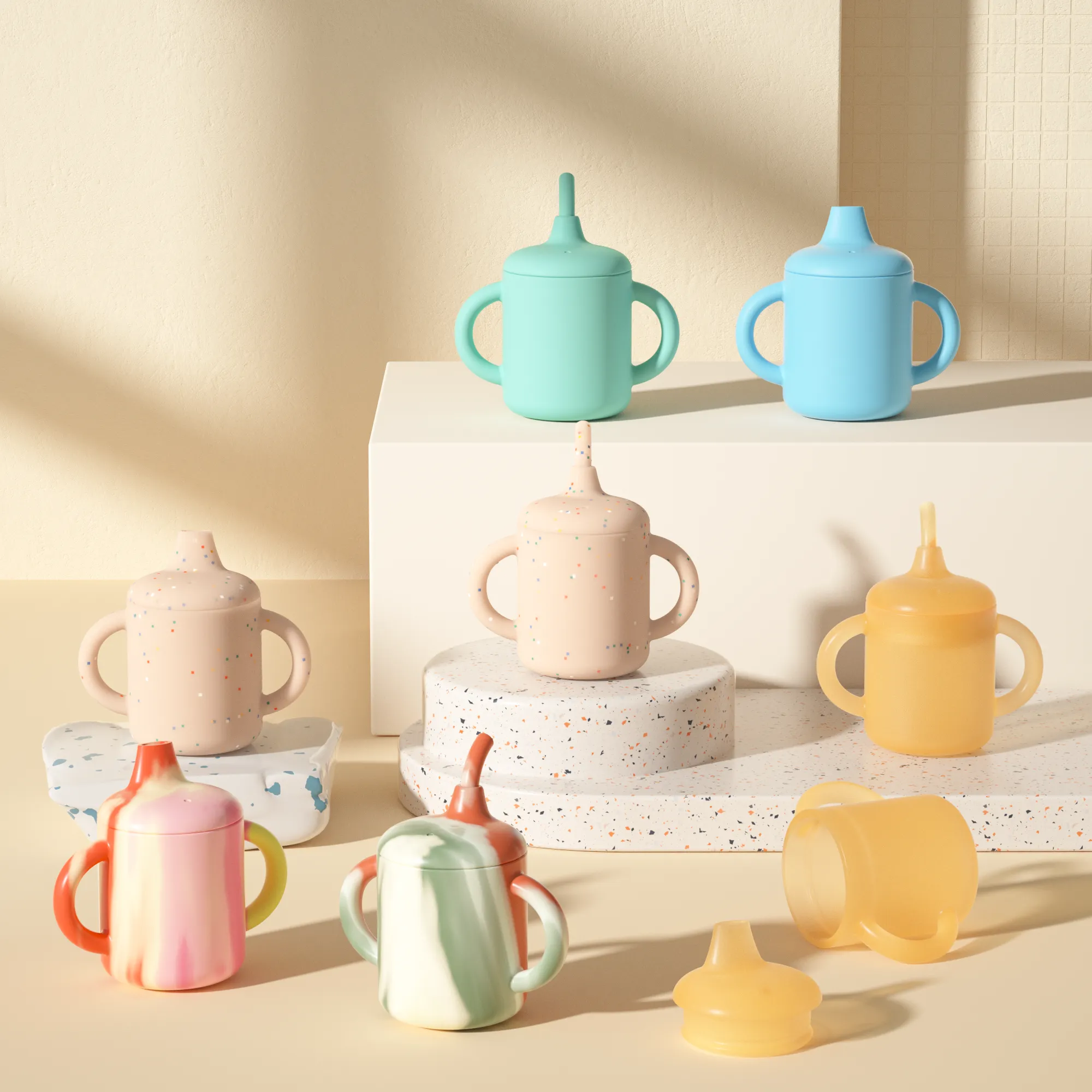
Begin with an existing Naike Silicone product and define color, logo and packaging. This path helps buyers validate demand with lower development complexity while keeping the presentation aligned with their brand.
PRIVATE LABEL & PACKAGING
START WITH THE COMMERCIAL MODEL
A private-label program does not always need new tooling. The right route depends on how much differentiation the buyer needs, how quickly the range must launch and how the expected volume supports development investment.
Naike Silicone reviews product, branding and packaging as one supply program. This helps buyers avoid approving a product that cannot fit the intended packaging, artwork or retail workflow.
THREE DEVELOPMENT PATHS
Each path creates a different balance of speed, exclusivity and technical work.
Begin with an existing Naike Silicone product and define color, logo and packaging. This path helps buyers validate demand with lower development complexity while keeping the presentation aligned with their brand.
Adjust selected dimensions, details, sets or accessories when the existing product is close to the target brief. Engineering review confirms whether the change needs new tooling or can use a controlled modification.
Create proprietary geometry from a sketch, reference sample or CAD file. The program includes design review, tooling, sampling, approval references and a production plan linked to the buyer's forecast.
PRODUCT + BRAND + PACKAGING
Color, logo and packaging decisions affect one another. A darker silicone color can change logo contrast. A multi-product set changes insert dimensions and carton weight. A hanging card requires different product support than a color box.
Our review connects these details before mass production. Buyers receive a clearer approval basis for product teams, purchasing, quality and packaging suppliers.
CONTROLLED PROJECT FLOW
Each approval point reduces ambiguity before the project commits to tooling, printed materials or bulk production.
Confirm the product category, target customer, destination market, forecast, target price and intended sales channel.
Select an existing design, controlled adaptation or exclusive tooling route after feasibility review.
Lock logo method, artwork version, color references, set composition and the required visual hierarchy.
Confirm pack type, dimensions, inserts, labels, barcodes, warnings, carton marks and buyer-supplied content.
Review the relevant product, color, branding and packaging samples against a written approval checklist.
Connect the approved references to the purchase order, inspection plan, packing standard and shipment schedule.
COMMERCIAL READINESS
A private-label quotation should connect product cost with color allocation, branding, packaging, testing, tooling, sample responsibility and delivery assumptions. Isolated unit pricing can hide the conditions that determine the final landed program.
Naike Silicone confirms project-specific values after reviewing the selected product and files. MOQ, sample cost, packaging minimums and lead time may differ by SKU and development route.
Answers for buyers planning branded silicone products and retail packaging.
Yes. Existing product designs can often support custom colors, suitable branding methods and buyer-specific packaging. The available options, MOQ and sample route depend on the selected SKU and presentation requirements.
We can review structure, dimensions and production requirements and coordinate packaging execution. Brand claims, translations, legal marks and market-specific copy remain subject to buyer approval and, where necessary, professional regulatory review.
Artwork, size, placement, color and process are confirmed before sampling. The approved physical result or agreed visual standard then becomes part of the production reference.
Color allocation can be discussed against the SKU, total volume, minimum batch needs and packaging plan. The quotation should state the quantity by color so production and packing assumptions are clear.
Tooling ownership, maintenance, storage and permitted use should be stated in the quotation or project agreement. Buyer artwork remains controlled according to the agreed project scope and confidentiality terms.
Share vector logo artwork, preferred colors, packaging references, required marks, barcode data, target market, order quantity and launch timing. A product brief or reference sample helps the team identify missing decisions early.
READY TO REVIEW A PRODUCT DIRECTION?
GENERAL SOURCING INQUIRY