
Shoulder Coverage
Adjust shoulder-wing width, lower panel profile and overall length around the target user and seat environment.
EASY-CLEAN BABY FEEDING
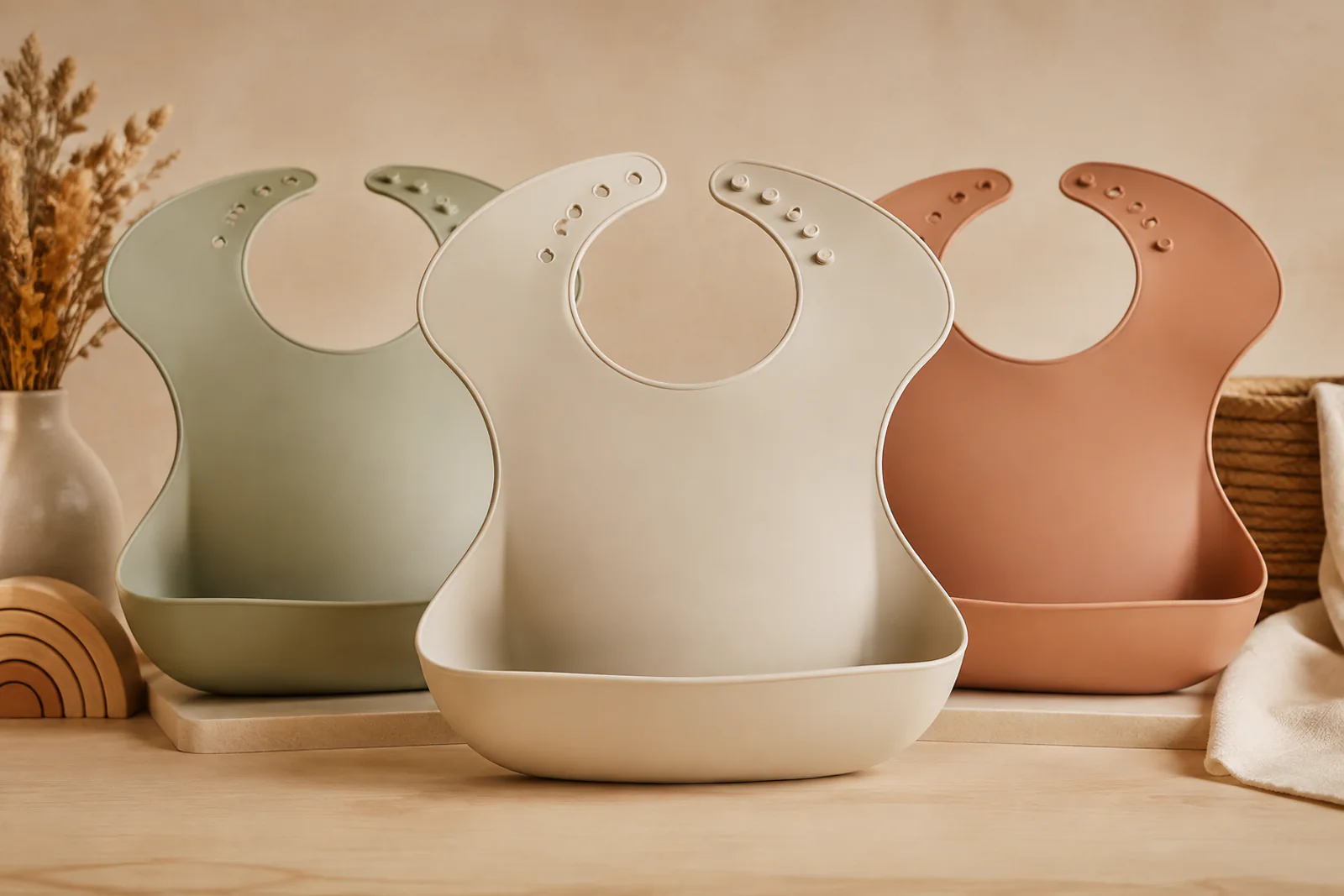
PRODUCT OVERVIEW
A custom wide-coverage silicone baby bib gives feeding brands a distinct protective silhouette with broader shoulder wings, controlled chest length and a self-supporting catch pocket. Naike Silicone develops the neckline, panel and pocket as one measurable molded structure rather than enlarging a standard bib without fit verification.
The buyer brief should define the intended age range, neck circumference range, shoulder width, front-panel length, pocket opening and packaging envelope. These inputs guide closure spacing, stress-relief radii, panel thickness, edge softness, pocket transition, mold flow, venting and demolding direction.
Material, decoration, testing, tooling cost, MOQ, sample timing and production lead time remain conditional on the approved drawing, target market, color plan, packing method and current factory schedule. Development can begin from a specification sheet, marked sample, sketch or 2D product outline.
Product page updated:
Request a B2B QuotationENGINEERING & APPROVAL EVIDENCE
Each stage addresses a different purchasing risk: manufacturability, functional fit and private-label presentation.
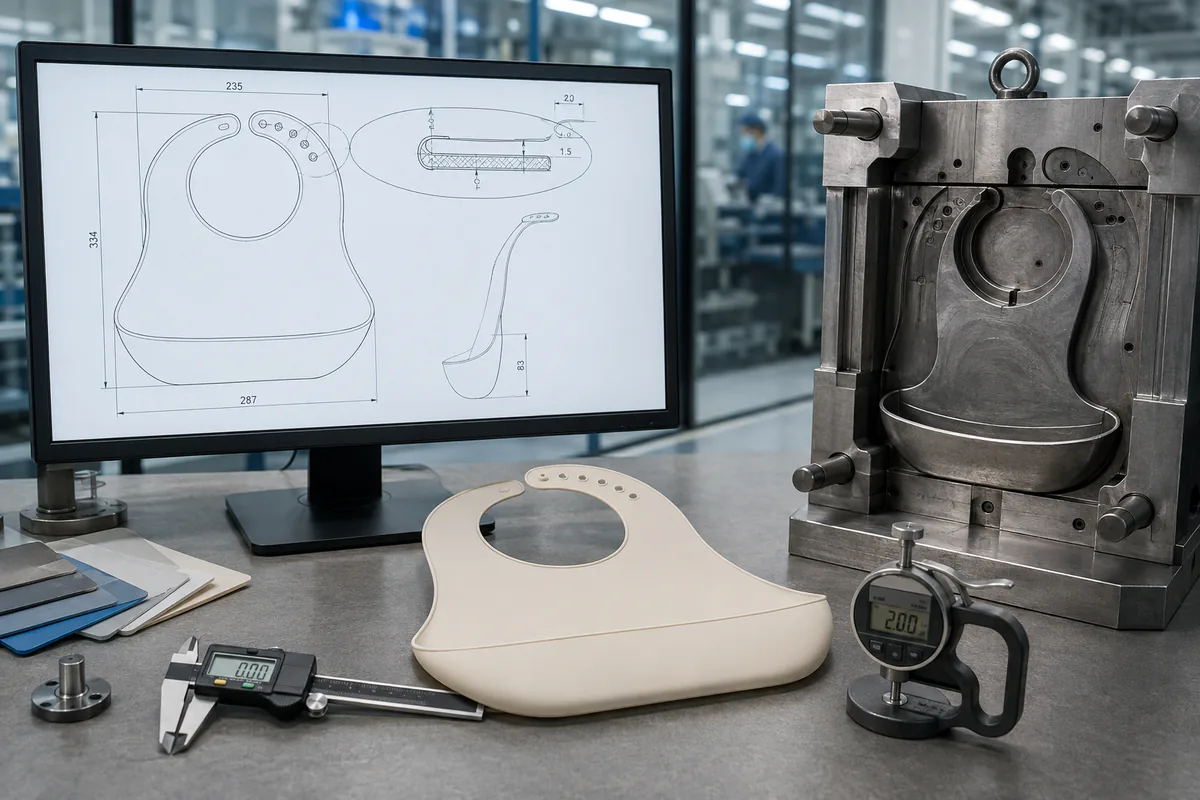
Shoulder outline, neck closure, thin-wall panel, pocket core, parting surfaces and venting are reviewed before the large-format mold is released.
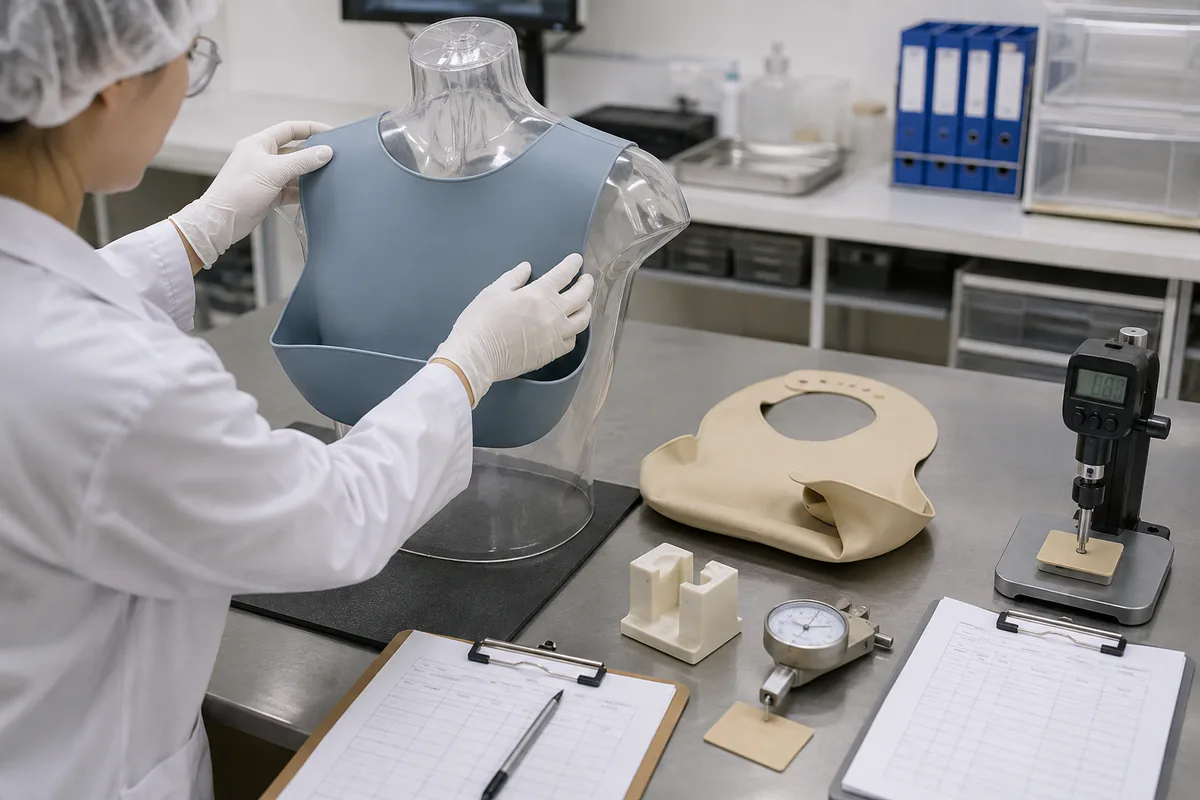
A documented fixture review checks neck positions, shoulder span, panel length, pocket opening and recovery after the agreed storage condition.
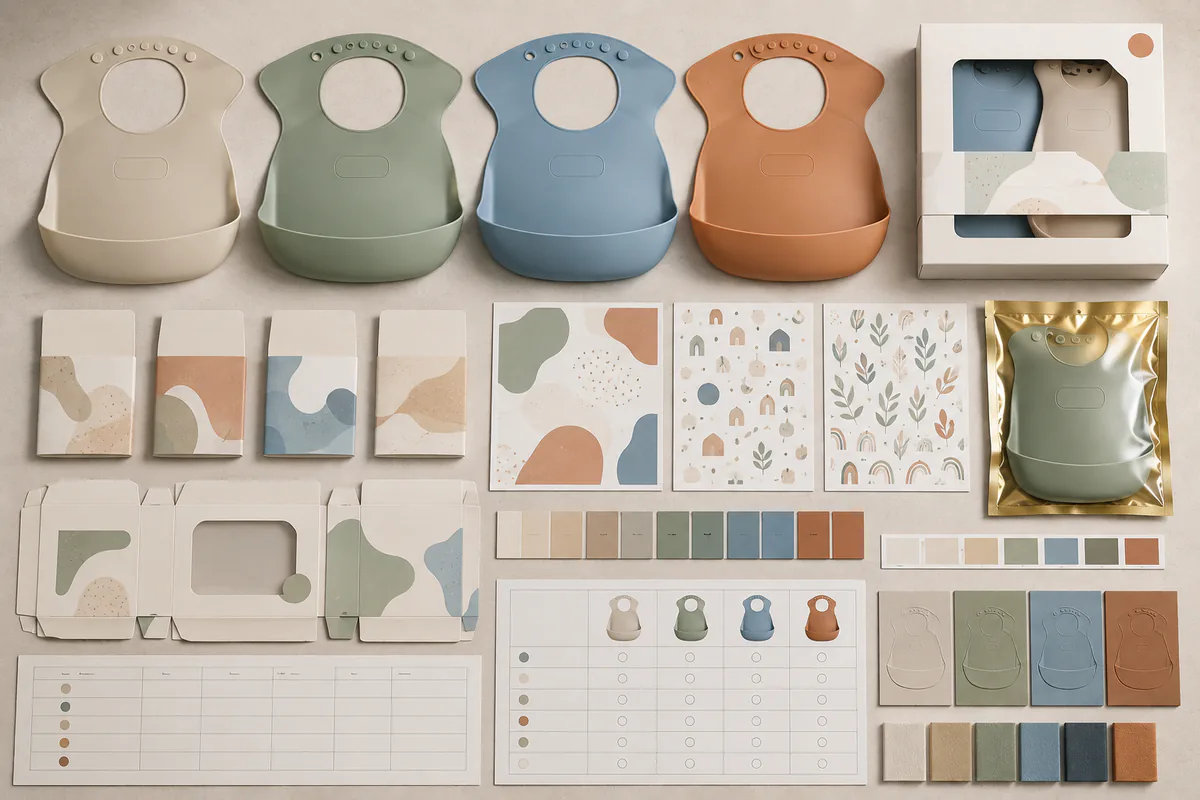
Color standards, molded brand zones, qualified artwork, sleeves, two-pack presentation and export-carton details are aligned to one SKU revision.
B2B SOURCING SNAPSHOT
Final terms depend on the approved specification, packaging, quantity and delivery plan.
| Control Point | Buyer Decision | Approval Basis |
|---|---|---|
| Coverage profile | Shoulder span, panel length, lower width and edge outline | Confirmed by drawing, fit fixture and approved physical sample |
| Neck adjustment | Opening range, closure count, spacing and engagement geometry | Evaluated against the defined user range and agreed cycling method |
| Catch pocket | Opening width, depth, wall transition and recovery | Checked under documented loading, folding and recovery conditions |
| Silicone construction | Material grade, curing route, hardness, thickness, color and finish | Selected for intended use and destination-market requirements |
| Brand presentation | Molded logo, qualified print, color allocation, sleeve, box or multipack | Approved through artwork, color reference and packed golden sample |
| Commercial program | Tooling route, MOQ, samples and repeat-order schedule | Quoted after geometry, decoration, testing, packaging and quantity are defined |
Each project is reviewed as a complete product specification.
Adjust shoulder-wing width, lower panel profile and overall length around the target user and seat environment.
Develop the neck curve, opening range, closure count and stress radii for the agreed fit and cycling method.
Coordinate pocket depth, opening support, corner radii and transition thickness with the approved capture evaluation.
Balance material hardness and local thickness so broad coverage does not create an unsupported comfort claim.
Confirm Pantone-referenced colors, molded branding and any qualified print process against physical approval samples.
Plan single units, coordinated two-packs, sleeves, gift boxes, inserts, labels and export cartons after product approval.
B2B BUYER FAQ
These answers define the decisions required before tooling, sampling and a reliable quotation.
Send the target age or neck range, shoulder width, panel length, pocket dimensions, reference sample or drawing, expected quantity, destination market, color plan, artwork and packaging preference.
The outline extends shoulder and chest coverage, but the usable benefit depends on the approved dimensions and user fit. Wider geometry also changes material flow, panel drape, mold size and packaging volume.
Yes. Neck curve, opening range, button profile and position count can be reviewed. Final details depend on fit targets, closure engagement, stress distribution and manufacturable minimum sections.
Buyer and factory should agree a representative fit fixture or user range, food-piece or loading method, pocket-opening requirement and acceptance criteria. Results apply only to the approved sample and documented conditions.
Qualified printing can be evaluated alongside molded branding. Artwork area, ink system, registration, color tolerance, adhesion or rub method and market requirements must be approved before production.
A compact pack can be developed, but the folding sequence, restraint, storage duration and recovery criteria must be tested with the approved thickness and pocket geometry rather than assumed.
They depend on the final outline, mold dimensions, material, colors, decoration, validation scope, packaging, quantity and current production schedule. They are confirmed after specification review.
Approve the product and mold drawings, material, dimensions, fit and pocket methods, color references, artwork, golden sample, packaging, labels and inspection criteria.
CATEGORY-SPECIFIC REVIEW
Neck adjustment, soft edges, coverage and comfortable thickness.
Opening stability, depth, cleaning access and shape recovery.
Coordinated colors, patterns, molded logos and multi-packs.
Roll-up presentation, paper bands, boxes and gift-set combinations.
INQUIRY CHECKLIST
Providing clear requirements helps us evaluate tooling, samples, price and lead time.
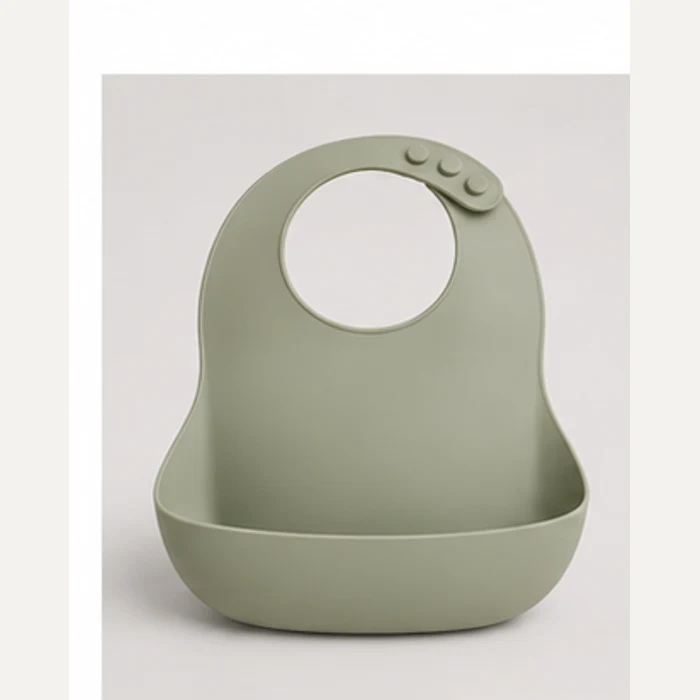
One-piece waterproof bib with a deep integrated food-catching pocket.
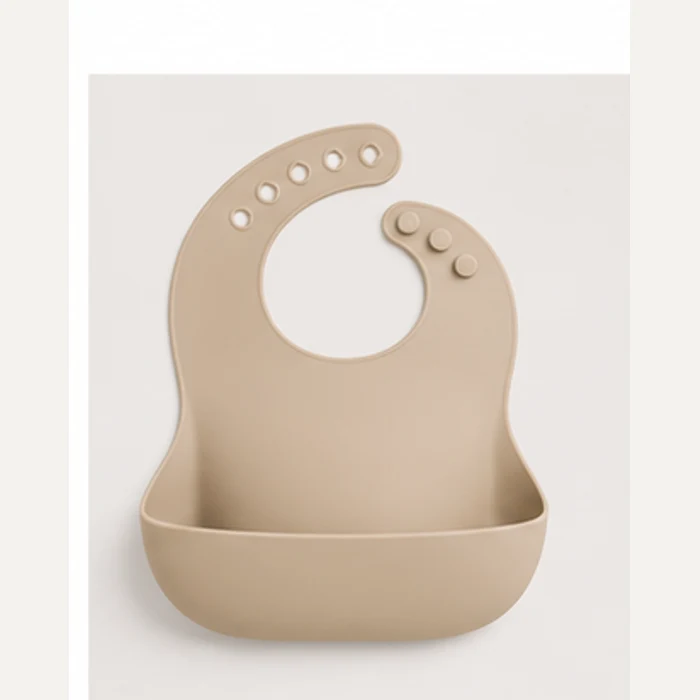
Multiple closure positions support a comfortable growing fit.
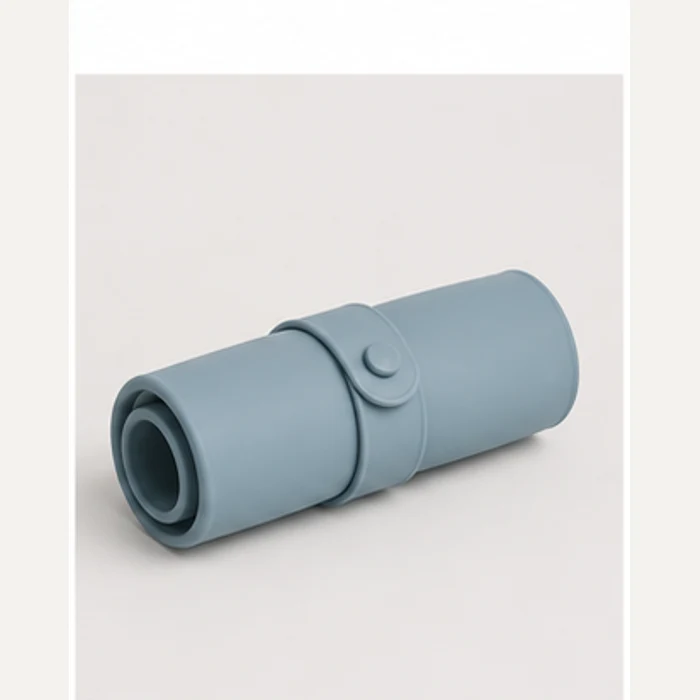
Flexible lightweight bib designed for compact storage and dining out.
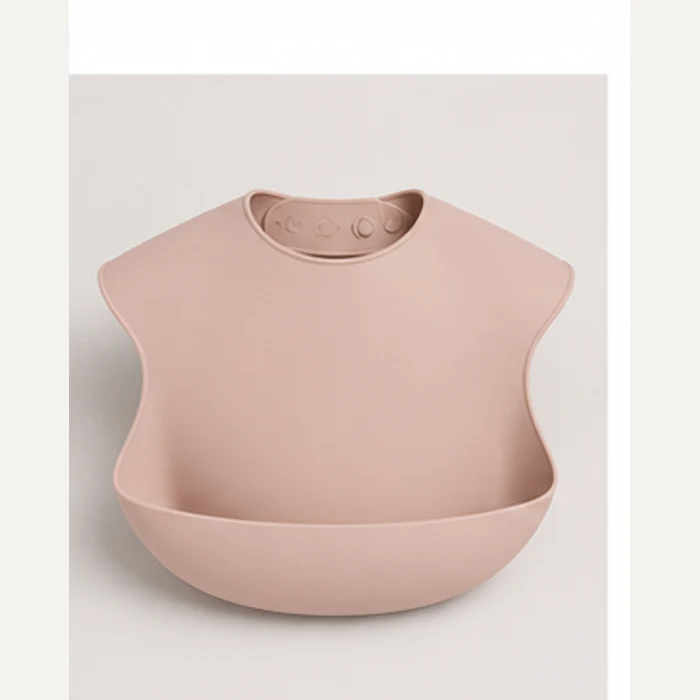
Broader front panel provides additional protection during mealtime.
B2B PROJECT INQUIRY
Share the intended product, destination market, order quantity and launch plan. Our project team will review the information and identify the next practical step.
Drawings are helpful but not required. A sketch, reference photo or physical sample can be used for an initial discussion.
GENERAL SOURCING INQUIRY