
Sphere Diameter
Define the finished ice size, beverage application and acceptable dimensional range before cavity engineering.
FREEZE, RELEASE & REUSE
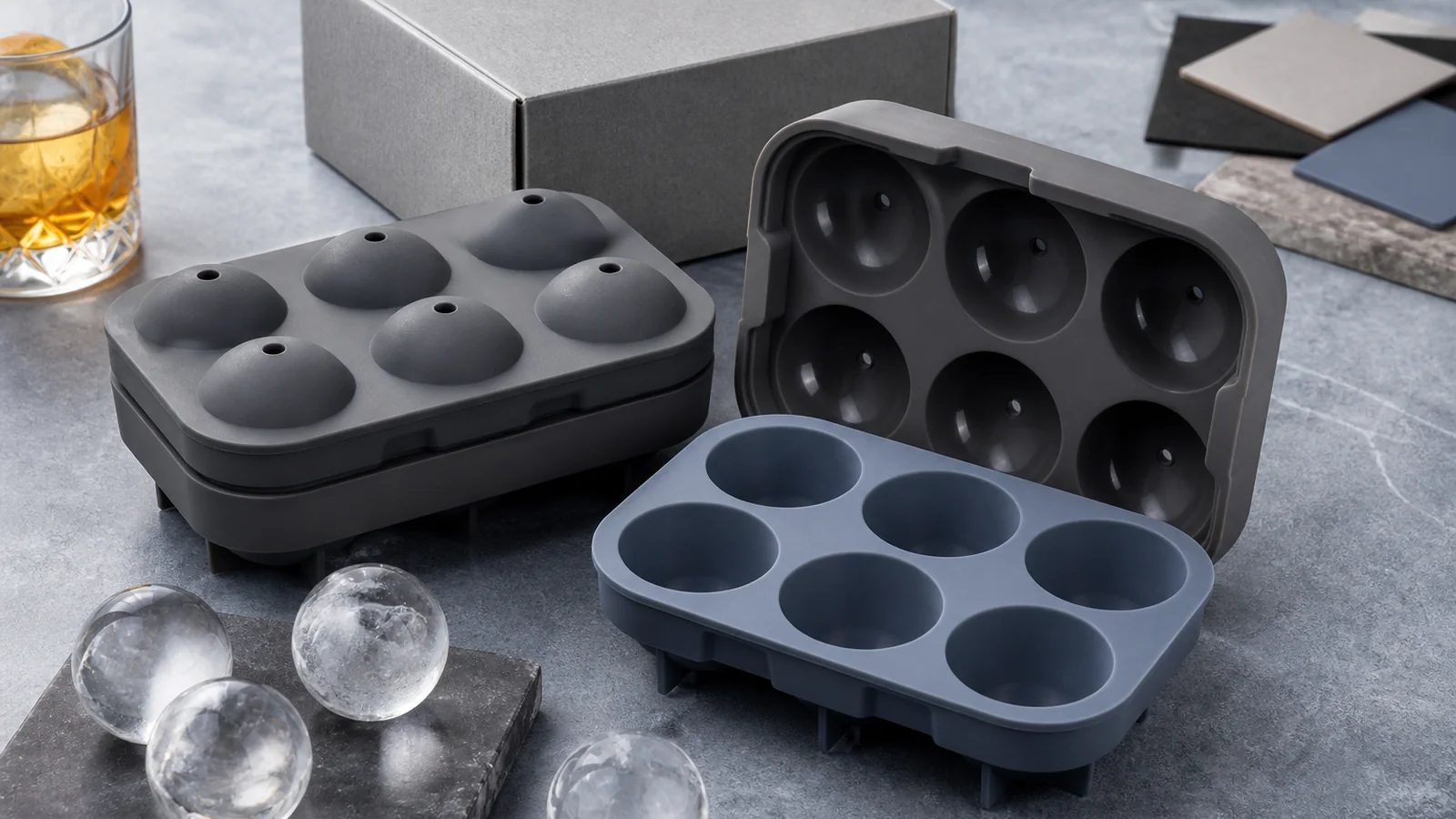
PRODUCT OVERVIEW
A custom silicone ice sphere mold gives beverage, hospitality and retail buyers control over finished sphere diameter, cavity count, tray footprint, water-fill method and private-label presentation. Naike Silicone develops the upper and lower parts as one registered system so geometry, sealing contact, venting and release can be reviewed together.
The project brief should define the target sphere diameter, freezer space, filling workflow, lid connection, preferred removal action and packaging channel. These inputs guide cavity roundness, registration keys, fill ports, air escape, wall thickness, support ribs, material hardness and mold structure.
Material selection, testing scope, tooling cost, MOQ, sample timing and production lead time are conditional on the approved drawing, destination market, color split, branding, packaging and order plan. Performance statements apply only to the agreed sample and evaluation conditions.
Product page updated:
Request a B2B QuotationENGINEERING & APPROVAL EVIDENCE
Each stage addresses a different purchasing risk: manufacturability, functional fit and private-label presentation.
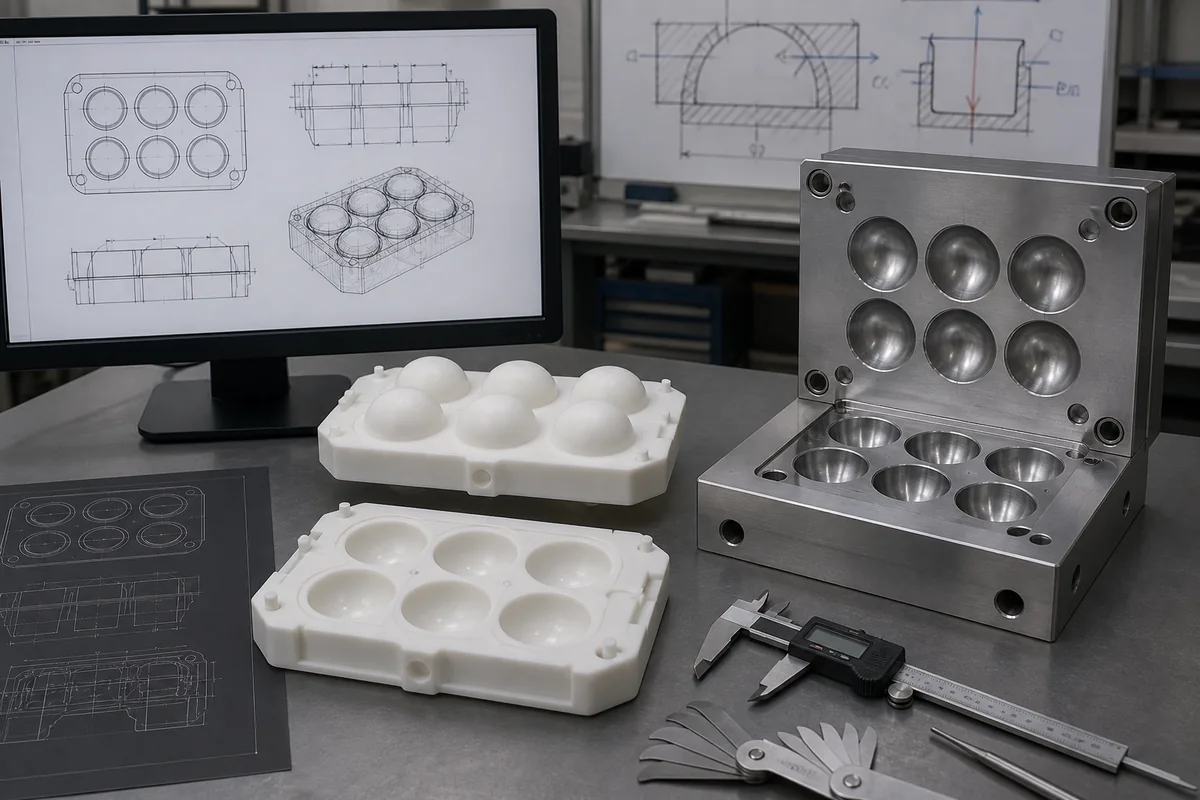
Sphere diameter, wall balance, registration, fill ports, air vents, parting surfaces and demolding direction are reviewed before tool manufacture.
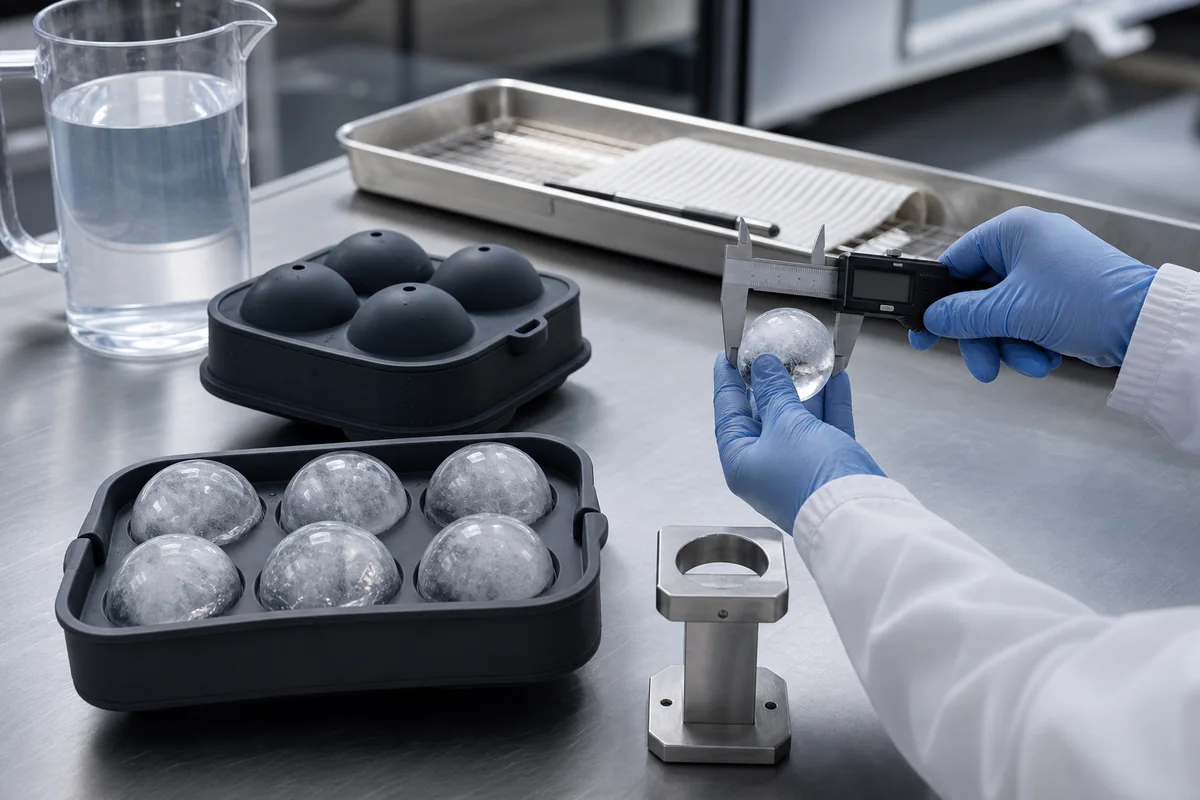
The agreed plan can check fill level, assembly, leakage, frozen sphere dimensions and release under documented water, freezer and handling conditions.
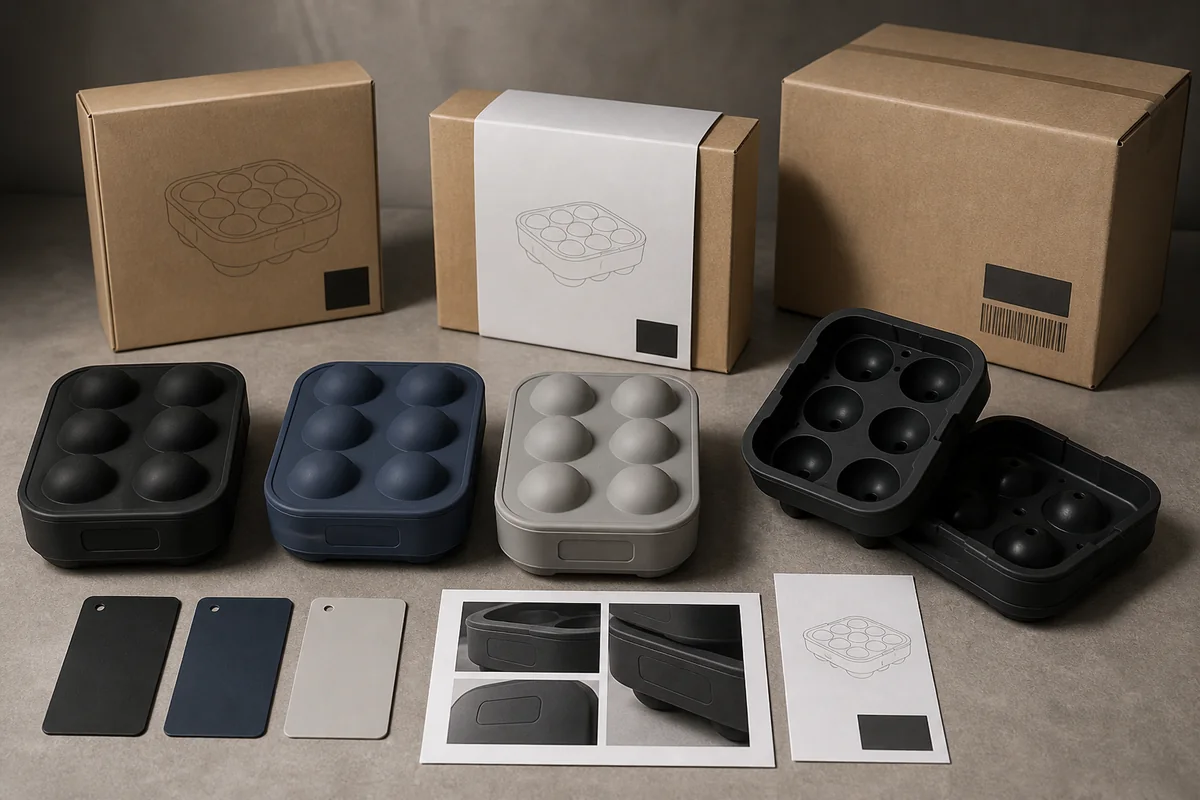
Pantone-referenced colors, molded branding, selling-unit configuration, retail packaging and export-carton details are approved against one SKU revision.
B2B SOURCING SNAPSHOT
Final terms depend on the approved specification, packaging, quantity and delivery plan.
| Control Point | Buyer Decision | Approval Basis |
|---|---|---|
| Sphere architecture | Finished diameter, cavity count, spacing and tray footprint | Confirmed by drawing and approved physical sample |
| Two-part registration | Alignment keys, perimeter contact, closure and assembly action | Checked through dimensional review and repeated sample assembly |
| Fill and vent system | Fill-port diameter, air escape and target fill workflow | Evaluated with the agreed water condition and operating method |
| Silicone material | Grade, curing route, hardness, wall support, color and finish | Selected for intended use and destination-market requirements |
| Private-label presentation | Molded logo, Pantone reference, sleeve, box, insert and multipack | Approved through artwork, color reference and packed sample |
| Commercial terms | Tooling, MOQ, sample schedule and repeat-order plan | Quoted after geometry, testing, packaging, quantity and schedule are defined |
Each project is reviewed as a complete product specification.
Define the finished ice size, beverage application and acceptable dimensional range before cavity engineering.
Review cavity quantity, spacing, tray footprint and freezer fit within practical filling and molding limits.
Develop fill ports and vent paths around the agreed assembly and water-fill workflow.
Coordinate keys, perimeter contact and handling features so upper and lower parts align consistently.
Confirm silicone grade, hardness, Pantone-referenced colors and molded logo treatment for the destination market.
Plan sleeve, box, insert, instructions, barcode area and export carton after the complete product sample is approved.
B2B BUYER FAQ
These answers define the decisions required before tooling, sampling and a reliable quotation.
Send the target sphere diameter, cavity count, tray footprint, filling method, reference sample or drawing, expected quantity, destination market, colors, logo artwork and packaging preference.
Yes. Sphere diameter, quantity, spacing and tray outline can be reviewed through custom tooling. Final geometry depends on freezer fit, wall support, filling, air release, assembly and demolding.
The engineering review considers the agreed filling direction, water level, assembly sequence and air-displacement path. Port and vent dimensions are approved in the drawing and verified with physical samples.
The buyer and factory should agree the water condition, freezer setting, fill level, freezing duration, release method and dimensional measurement. Results apply only to those documented conditions.
Pantone-referenced colors and embossed or debossed branding can be evaluated. Logo size, depth, position and any effect on cleaning, sealing or demolding must be approved before production.
They depend on sphere geometry, mold structure, material, color allocation, testing, packaging, order quantity and the current production schedule. A reliable quotation follows specification review.
Approve the product and mold drawings, material, dimensions, functional test method, color reference, branding, physical golden sample, packaging, labels and inspection criteria.
Yes. Product configuration and packaging can be reviewed for hospitality supply, branded gifts or retail. Claims, selling-unit quantity and carton plan must match the approved project documentation.
CATEGORY-SPECIFIC REVIEW
Cavity draft, flexibility, spacing and practical demolding direction.
Tray stiffness, fill level, lids, stacking and freezer storage.
Artwork conversion, detail depth and manufacturable branded shapes.
Retail sleeves, sets, food-service packs and promotional programs.
INQUIRY CHECKLIST
Providing clear requirements helps us evaluate tooling, samples, price and lead time.
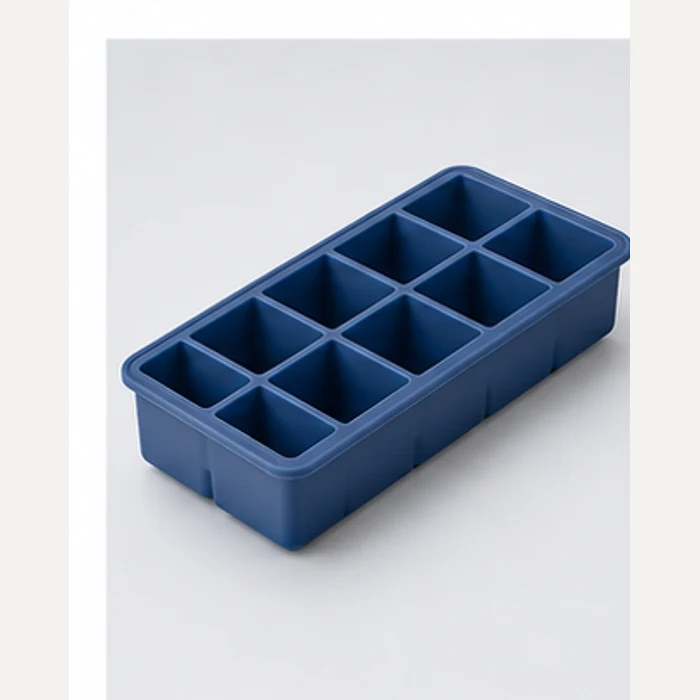
Flexible multi-cavity tray for everyday freezer use.
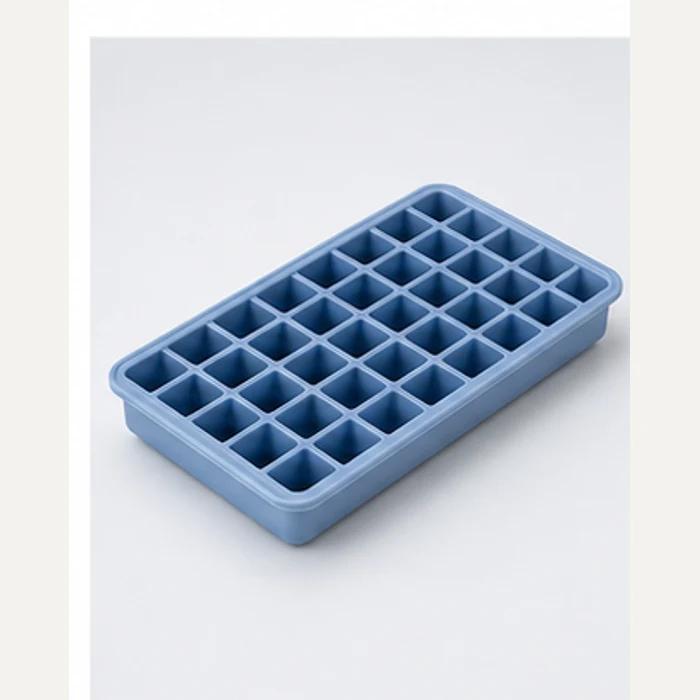
Small-cube format for bottles, fast chilling and drink service.
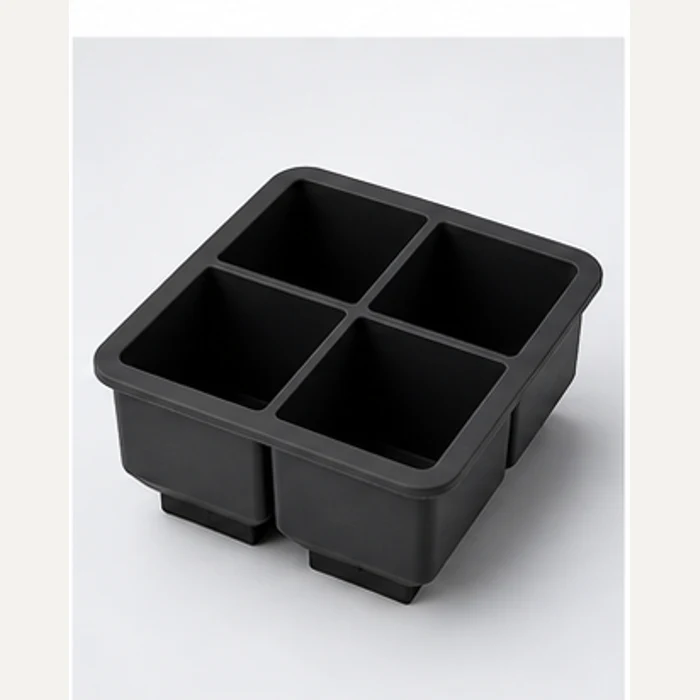
Slow-melting large cube format for premium beverages.
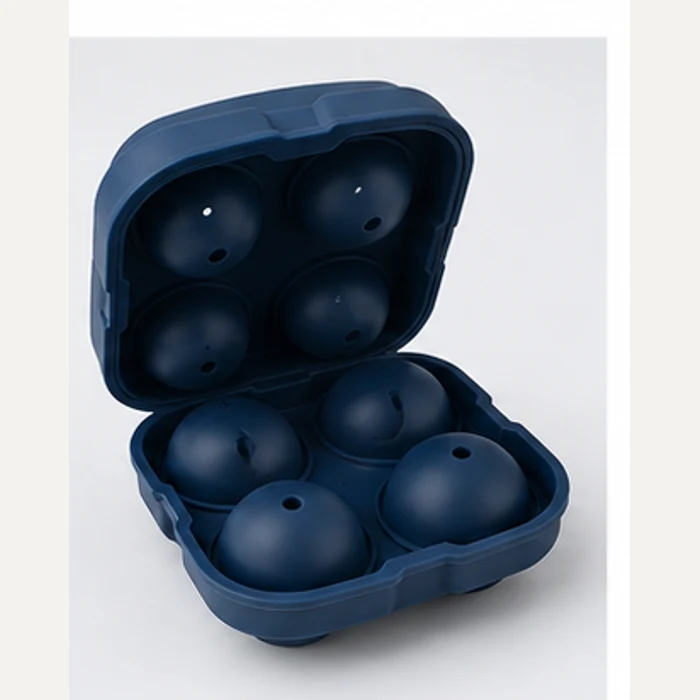
Two-part sphere mold for cocktails and presentation-focused drinks.
B2B PROJECT INQUIRY
Share the intended product, destination market, order quantity and launch plan. Our project team will review the information and identify the next practical step.
Drawings are helpful but not required. A sketch, reference photo or physical sample can be used for an initial discussion.
GENERAL SOURCING INQUIRY