MATERIALS, QUALITY & COMPLIANCE
Silicone Migration Test Conditions: How Are Food Simulant, Time, and Temperature Chosen for Silicone Migration Testing?
How Are Food Simulant, Time, and Temperature Chosen for Silicone Migration Testing? A factory-insider guide for B2B buyers covering specification, evidence, validation, commercial comparison and repeat-order control.
DIRECT ANSWER
What B2B Buyers Need to Know
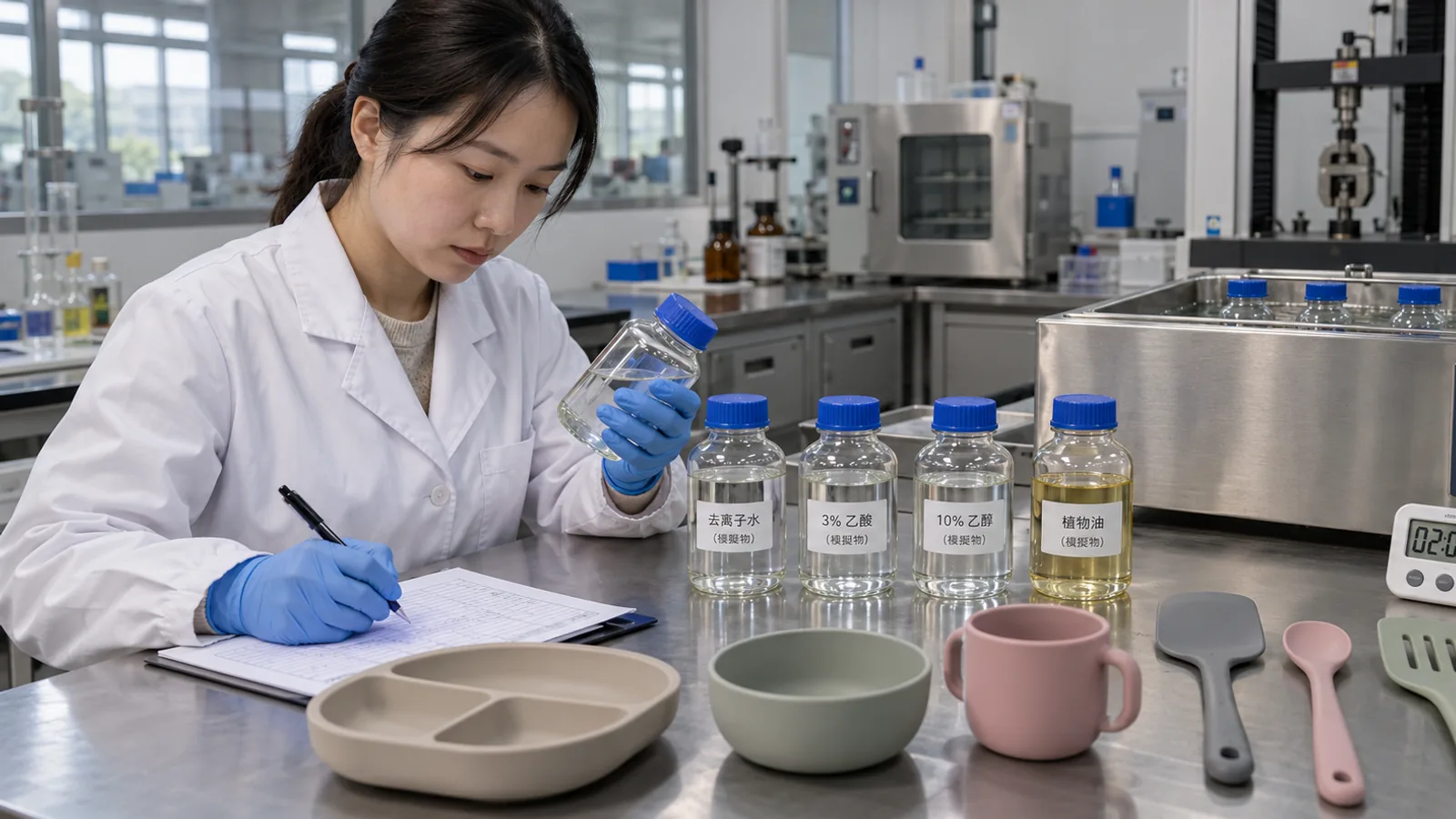
Buyers should match food type, time and temperature to applicable market-specific protocols. The correct specification depends on the finished product, intended user, destination market, manufacturing route and approval evidence. Use a controlled drawing, representative samples, agreed methods and change control so quotations and supplier claims remain comparable.
This guide is written for B2B importers, distributors, retailers, private-label brands, product developers, quality teams and sourcing managers. It provides a decision framework rather than legal advice or a universal specification. Product classification, use conditions and destination market should be confirmed before final testing, labelling or compliance decisions.
Key Takeaways
- Define the intended user, channel, use conditions and approval decision for silicone migration test conditions.
- Keep product revision, material identity, tooling status and sample source traceable.
- Agree methods and acceptance limits before testing or supplier comparison begins.
- Separate supplier declarations, batch records, laboratory evidence and finished-product validation.
- Compare MOQ, price and lead time only after scope, packaging and evidence are normalized.
- Use change control to protect the approved baseline across production and repeat orders.
Compare Three Buyer Decisions for silicone migration test conditions
Use these decision points to compare supplier responses on the same commercial and technical baseline. Exact requirements depend on product use, market, quantity and development route.
| Decision Area | Buyer Question | Evidence to Review |
|---|---|---|
| Map Food Type and Foreseeable Contact: Silicone Migration Test Conditions | Match food type, time and temperature to applicable market-specific protocols, with the 1th gate assigned to a named buyer or supplier owner. | Retain the current drawing, sample identity, review notes, method, raw result and approval record that support this silicone migration test conditions decision. |
| Select Simulants from the Applicable Framework: Silicone Migration Test Conditions | Match food type, time and temperature to applicable market-specific protocols, with the 2th gate assigned to a named buyer or supplier owner. | Retain the current drawing, sample identity, review notes, method, raw result and approval record that support this silicone migration test conditions decision. |
| Set Time from the Real Contact Pattern: Silicone Migration Test Conditions | Match food type, time and temperature to applicable market-specific protocols, with the 3th gate assigned to a named buyer or supplier owner. | Retain the current drawing, sample identity, review notes, method, raw result and approval record that support this silicone migration test conditions decision. |
SECTION 01
Build the Buyer Brief for silicone migration test conditions
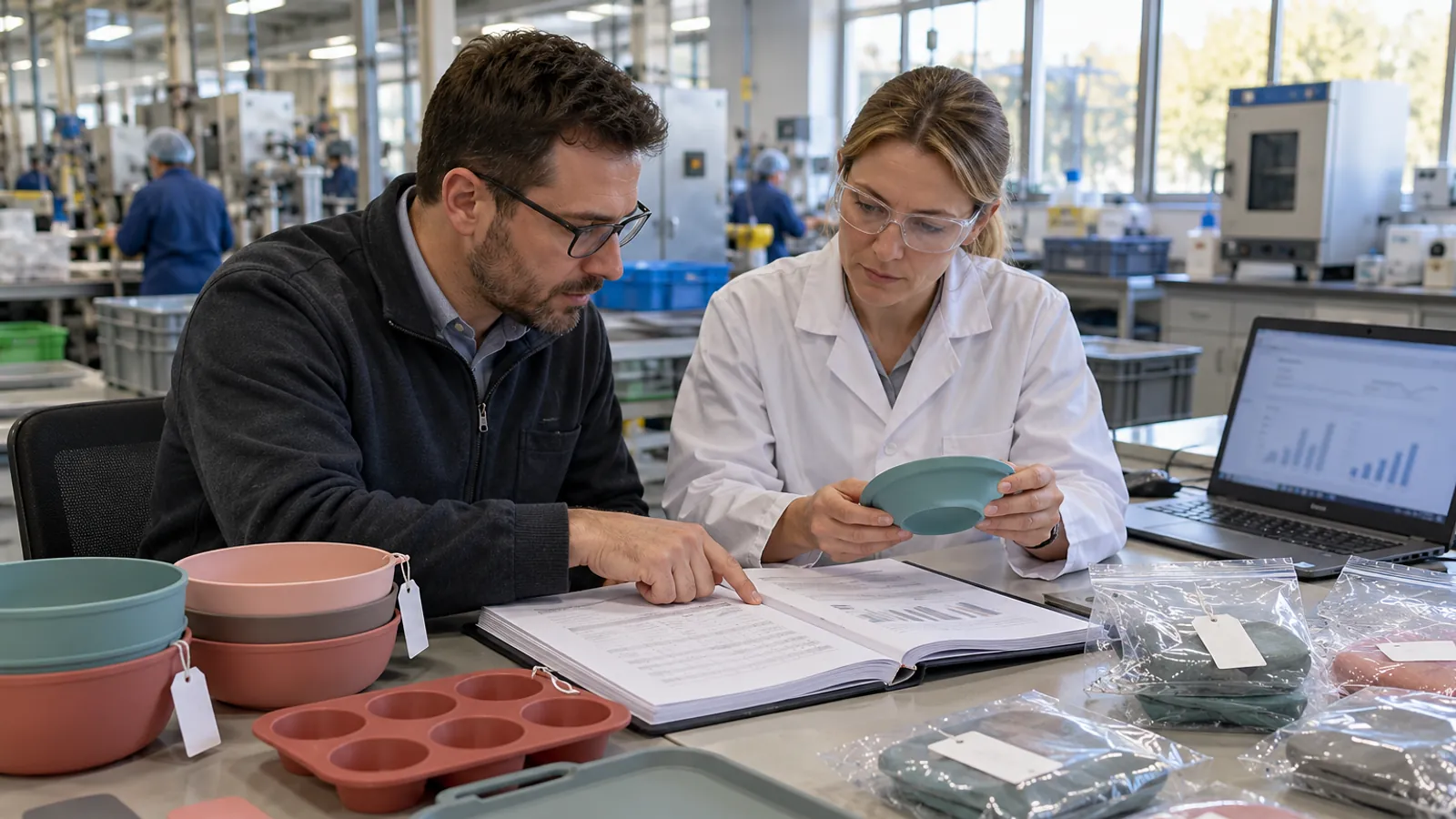
Define the intended use, market and risk assumptions before choosing test methods or requesting supplier documents. Record the decision owner, applicable silicone migration test conditions revision and evidence required before the next gate.
Map Food Type and Foreseeable Contact: Silicone Migration Test Conditions for silicone migration test conditions
A claim about “Map Food Type and Foreseeable Contact: Silicone Migration Test Conditions” is useful only when it can be traced to the correct material, SKU revision and test condition. Match food type, time and temperature to applicable market-specific protocols, with the 1th gate assigned to a named buyer or supplier owner. For this decision, a measurable gate lets the team close the issue with evidence instead of relying on an undocumented verbal decision.
For repeat-order comparability, archive retain the current drawing, sample identity, review notes, method, raw result and approval record that support this silicone migration test conditions decision. The unresolved exposure is if this gate is skipped, the team may compare different assumptions or apply evidence beyond the product, lot, condition or market it actually covers. Close the decision with a revision-controlled record that can guide production and the next reorder.
Select Simulants from the Applicable Framework: Silicone Migration Test Conditions
For supplier-quality review, “Select Simulants from the Applicable Framework: Silicone Migration Test Conditions” connects risk classification with inspection and retained records. Match food type, time and temperature to applicable market-specific protocols, with the 2th gate assigned to a named buyer or supplier owner. For this decision, the team should identify who approves the requirement, how it will be measured and which later decisions depend on it.
During supplier review, the buyer should request retain the current drawing, sample identity, review notes, method, raw result and approval record that support this silicone migration test conditions decision. The unresolved exposure is if this gate is skipped, the team may compare different assumptions or apply evidence beyond the product, lot, condition or market it actually covers. Link the record to the current SKU revision and name the person authorized to release it.
SECTION 02
Engineer the Product, Tooling and Validation Baseline
Match every claim and report to the correct material, finished SKU, sampling condition and current revision. Record the decision owner, applicable silicone migration test conditions revision and evidence required before the next gate.
Set Time from the Real Contact Pattern: Silicone Migration Test Conditions
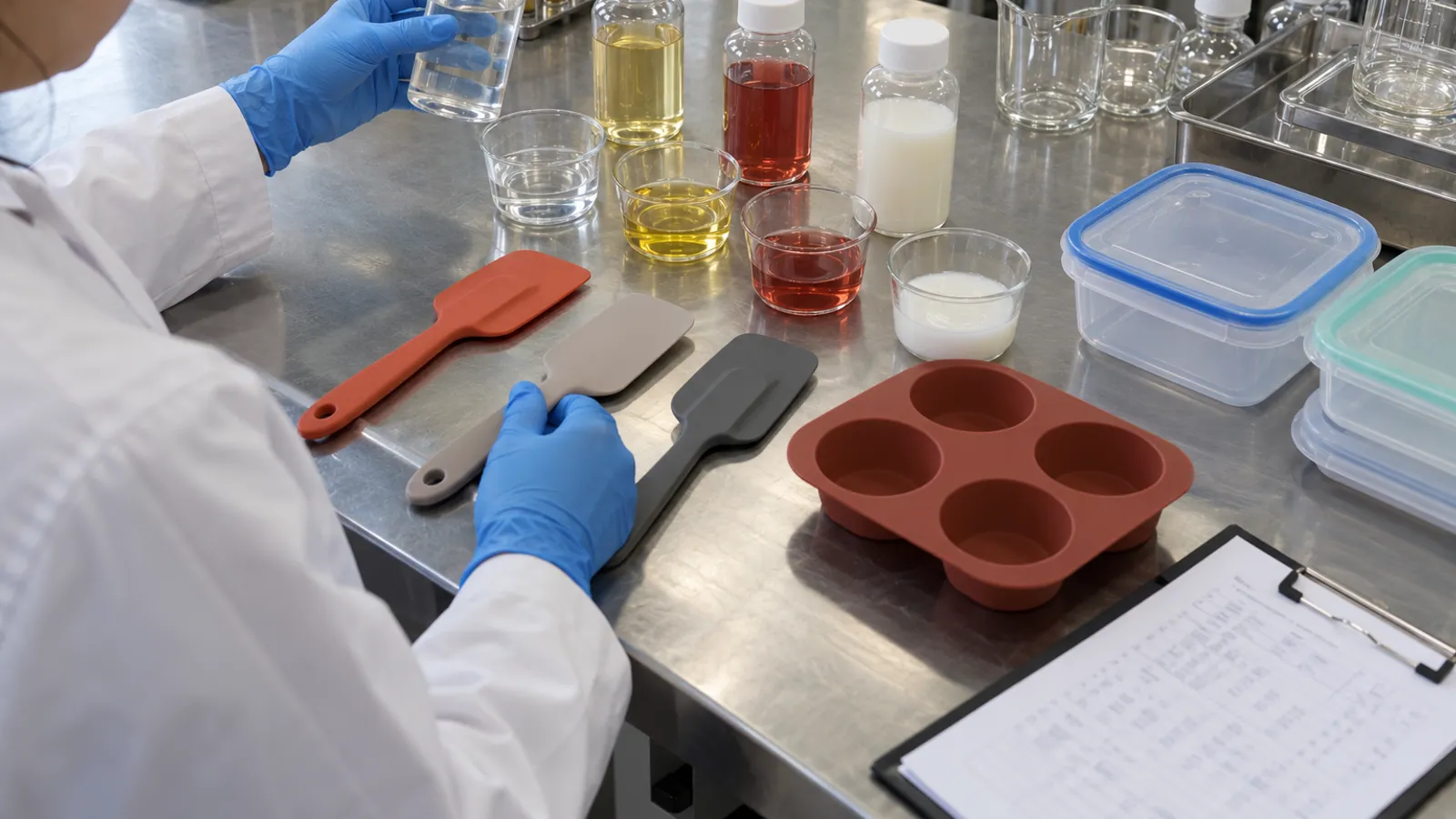
Quality teams should treat “Set Time from the Real Contact Pattern: Silicone Migration Test Conditions” as an evidence question with a named method, sample and acceptance basis. Match food type, time and temperature to applicable market-specific protocols, with the 3th gate assigned to a named buyer or supplier owner. For this decision, the decision should be written in language that purchasing, engineering, quality and packaging teams can interpret consistently.
A useful sourcing discussion asks the supplier to provide retain the current drawing, sample identity, review notes, method, raw result and approval record that support this silicone migration test conditions decision. The unresolved exposure is if this gate is skipped, the team may compare different assumptions or apply evidence beyond the product, lot, condition or market it actually covers. Keep the sample identity, lot and decision outcome together so a later reviewer can reconstruct the release.
Set Temperature from the Worst Foreseeable Use: Silicone Migration Test Conditions
A claim about “Set Temperature from the Worst Foreseeable Use: Silicone Migration Test Conditions” is useful only when it can be traced to the correct material, SKU revision and test condition. Match food type, time and temperature to applicable market-specific protocols, with the 4th gate assigned to a named buyer or supplier owner. For this decision, a clear baseline also helps the supplier explain any trade-off instead of silently selecting the easiest manufacturing option.
Before the next project gate, both parties should agree on retain the current drawing, sample identity, review notes, method, raw result and approval record that support this silicone migration test conditions decision. The unresolved exposure is if this gate is skipped, the team may compare different assumptions or apply evidence beyond the product, lot, condition or market it actually covers. Record any deviation separately and prevent it from becoming an undocumented repeat-order precedent.
SECTION 03
Verify Evidence, Inspection and Commercial Readiness
Build production checks around critical characteristics that can be measured, recorded and investigated by lot. Record the decision owner, applicable silicone migration test conditions revision and evidence required before the next gate.
Control Specimen Geometry and Surface-to-Volume Ratio: Silicone Migration Test Conditions
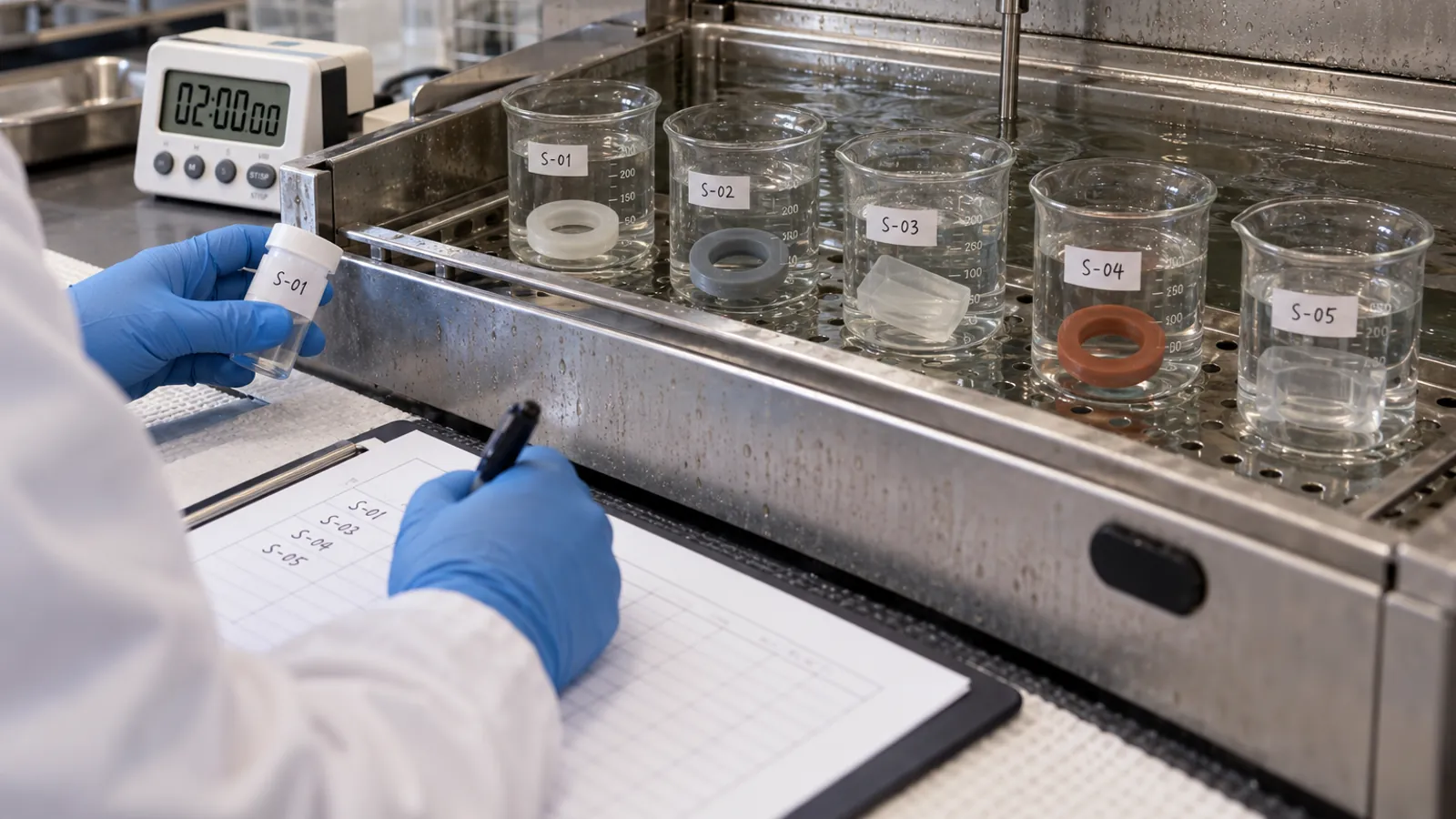
The compliance file becomes more defensible when “Control Specimen Geometry and Surface-to-Volume Ratio: Silicone Migration Test Conditions” is defined before samples are submitted to a laboratory. Match food type, time and temperature to applicable market-specific protocols, with the 5th gate assigned to a named buyer or supplier owner. For this decision, early alignment is less expensive than correcting a mold, replacing printed packaging or sorting finished inventory.
For an audit-ready decision, retain retain the current drawing, sample identity, review notes, method, raw result and approval record that support this silicone migration test conditions decision. The unresolved exposure is if this gate is skipped, the team may compare different assumptions or apply evidence beyond the product, lot, condition or market it actually covers. Retain enough context to distinguish a process correction from a change to the buyer's requirement.
SECTION 04
Release Production and Control Repeat Orders
Maintain an evidence file that remains usable when a material, color, process, supplier or destination market changes. Record the decision owner, applicable silicone migration test conditions revision and evidence required before the next gate.
Approve the Report Scope and Applicability Matrix: Silicone Migration Test Conditions
For supplier-quality review, “Approve the Report Scope and Applicability Matrix: Silicone Migration Test Conditions” connects risk classification with inspection and retained records. Match food type, time and temperature to applicable market-specific protocols, with the 6th gate assigned to a named buyer or supplier owner. For this decision, recording the applicable condition keeps the requirement from being reused outside its original product and market scope.
The next decision gate should reference retain the current drawing, sample identity, review notes, method, raw result and approval record that support this silicone migration test conditions decision. The unresolved exposure is if this gate is skipped, the team may compare different assumptions or apply evidence beyond the product, lot, condition or market it actually covers. Make the result accessible to purchasing, engineering and quality before the next commercial commitment.
ACTION FRAMEWORK
Buyer Checklist Before Commercial Approval
Use this checklist as a meeting agenda. It is intentionally concise so the team can identify missing evidence without replacing its own quality, legal or supplier-management procedure.
| Check | Question | Why It Matters |
|---|---|---|
| Map Food Type and Foreseeable Contact: Silicone Migration Test Conditions | Define the intended user, channel, use conditions and approval decision for silicone migration test conditions. | If this gate is skipped, the team may compare different assumptions or apply evidence beyond the product, lot, condition or market it actually covers. |
| Select Simulants from the Applicable Framework: Silicone Migration Test Conditions | Keep product revision, material identity, tooling status and sample source traceable. | If this gate is skipped, the team may compare different assumptions or apply evidence beyond the product, lot, condition or market it actually covers. |
| Set Time from the Real Contact Pattern: Silicone Migration Test Conditions | Agree methods and acceptance limits before testing or supplier comparison begins. | If this gate is skipped, the team may compare different assumptions or apply evidence beyond the product, lot, condition or market it actually covers. |
| Set Temperature from the Worst Foreseeable Use: Silicone Migration Test Conditions | Separate supplier declarations, batch records, laboratory evidence and finished-product validation. | If this gate is skipped, the team may compare different assumptions or apply evidence beyond the product, lot, condition or market it actually covers. |
| Control Specimen Geometry and Surface-to-Volume Ratio: Silicone Migration Test Conditions | Compare MOQ, price and lead time only after scope, packaging and evidence are normalized. | If this gate is skipped, the team may compare different assumptions or apply evidence beyond the product, lot, condition or market it actually covers. |
| Approve the Report Scope and Applicability Matrix: Silicone Migration Test Conditions | Use change control to protect the approved baseline across production and repeat orders. | If this gate is skipped, the team may compare different assumptions or apply evidence beyond the product, lot, condition or market it actually covers. |
NEXT READING
Continue the Supplier and Product Review
These internal resources connect the guide with Naike Silicone product, factory, customization and inquiry pages. Open the route that matches the next decision in your project.
Explore silicone kitchen products
Use explore silicone kitchen products to gather the next level of product, manufacturing or commercial information. Connect the result to the current silicone migration test conditions revision and next approval action.
Open internal resource →Review quality-control capabilities
Use review quality-control capabilities to gather the next level of product, manufacturing or commercial information. Connect the result to the current silicone migration test conditions revision and next approval action.
Open internal resource →Review custom silicone manufacturing capabilities
Use review custom silicone manufacturing capabilities to gather the next level of product, manufacturing or commercial information. Connect the result to the current silicone migration test conditions revision and next approval action.
Open internal resource →Request a migration-test scope review or quotation
Use request a migration-test scope review or quotation to gather the next level of product, manufacturing or commercial information. Connect the result to the current silicone migration test conditions revision and next approval action.
Open internal resource →Review food-contact silicone testing by destination market
Use review food-contact silicone testing by destination market to gather the next level of product, manufacturing or commercial information. Connect the result to the current silicone migration test conditions revision and next approval action.
Open internal resource →Compare silicone COAs, declarations and laboratory reports
Use compare silicone coas, declarations and laboratory reports to gather the next level of product, manufacturing or commercial information. Connect the result to the current silicone migration test conditions revision and next approval action.
Open internal resource →Review silicone product traceability records
Use review silicone product traceability records to gather the next level of product, manufacturing or commercial information. Connect the result to the current silicone migration test conditions revision and next approval action.
Open internal resource →PRIMARY REFERENCES
Authoritative External Sources
The sources below are official primary references. Applicability depends on the product, intended use and destination market. Buyers should obtain qualified advice for final legal or regulatory decisions.
EU Reference Laboratory: testing conditions for silicone and rubber kitchenware
Official EURL-FCM guidance for comparable kitchenware test conditions, including silicone and rubber; it is technical guidance, and applicable national or market rules still require project-specific review. Confirm applicability against the listed product, revision, intended use and destination before relying on it for approval.
EUR-Lex: Regulation (EU) No 10/2011 migration test conditions
Official EU text linking food simulant, time and temperature to worst foreseeable use for plastic materials; do not automatically transfer its legal scope to silicone without checking the applicable framework. Confirm applicability against the listed product, revision, intended use and destination before relying on it for approval.
FDA chemistry guidance for food-contact substance migration studies
Official FDA guidance relating migration protocols to anticipated end-use conditions; it is not a universal finished-product approval or a substitute for market-specific regulatory review. Confirm applicability against the listed product, revision, intended use and destination before relying on it for approval.
BUYER QUESTIONS
Frequently Asked Questions
What should a buyer confirm first for silicone migration test conditions?
Match food type, time and temperature to applicable market-specific protocols, with the 1th gate assigned to a named buyer or supplier owner as the first controlled decision in the buyer's review. Support that review with retain the current drawing, sample identity, review notes, method, raw result and approval record that support this silicone migration test conditions decision. The exact depth for map food type and foreseeable contact: silicone migration test conditions depends on product use, market, order value and whether the program uses an existing design or new tooling. Keep this decision linked to the current SKU revision, and reassess map food type and foreseeable contact: silicone migration test conditions whenever material, design, color, process, packaging or destination-market assumptions change.
How should buyers review select simulants from the applicable framework: silicone migration test conditions?
Match food type, time and temperature to applicable market-specific protocols, with the 2th gate assigned to a named buyer or supplier owner as the first controlled decision in the buyer's review. Support that review with retain the current drawing, sample identity, review notes, method, raw result and approval record that support this silicone migration test conditions decision. The exact depth for select simulants from the applicable framework: silicone migration test conditions depends on product use, market, order value and whether the program uses an existing design or new tooling. Keep this decision linked to the current SKU revision, and reassess select simulants from the applicable framework: silicone migration test conditions whenever material, design, color, process, packaging or destination-market assumptions change.
How should buyers review set time from the real contact pattern: silicone migration test conditions?
Match food type, time and temperature to applicable market-specific protocols, with the 3th gate assigned to a named buyer or supplier owner as the first controlled decision in the buyer's review. Support that review with retain the current drawing, sample identity, review notes, method, raw result and approval record that support this silicone migration test conditions decision. The exact depth for set time from the real contact pattern: silicone migration test conditions depends on product use, market, order value and whether the program uses an existing design or new tooling. Keep this decision linked to the current SKU revision, and reassess set time from the real contact pattern: silicone migration test conditions whenever material, design, color, process, packaging or destination-market assumptions change.
How should buyers review set temperature from the worst foreseeable use: silicone migration test conditions?
Match food type, time and temperature to applicable market-specific protocols, with the 4th gate assigned to a named buyer or supplier owner as the first controlled decision in the buyer's review. Support that review with retain the current drawing, sample identity, review notes, method, raw result and approval record that support this silicone migration test conditions decision. The exact depth for set temperature from the worst foreseeable use: silicone migration test conditions depends on product use, market, order value and whether the program uses an existing design or new tooling. Keep this decision linked to the current SKU revision, and reassess set temperature from the worst foreseeable use: silicone migration test conditions whenever material, design, color, process, packaging or destination-market assumptions change.
How should buyers review control specimen geometry and surface-to-volume ratio: silicone migration test conditions?
Match food type, time and temperature to applicable market-specific protocols, with the 5th gate assigned to a named buyer or supplier owner as the first controlled decision in the buyer's review. Support that review with retain the current drawing, sample identity, review notes, method, raw result and approval record that support this silicone migration test conditions decision. The exact depth for control specimen geometry and surface-to-volume ratio: silicone migration test conditions depends on product use, market, order value and whether the program uses an existing design or new tooling. Keep this decision linked to the current SKU revision, and reassess control specimen geometry and surface-to-volume ratio: silicone migration test conditions whenever material, design, color, process, packaging or destination-market assumptions change.
How should buyers review approve the report scope and applicability matrix: silicone migration test conditions?
Match food type, time and temperature to applicable market-specific protocols, with the 6th gate assigned to a named buyer or supplier owner as the first controlled decision in the buyer's review. Support that review with retain the current drawing, sample identity, review notes, method, raw result and approval record that support this silicone migration test conditions decision. The exact depth for approve the report scope and applicability matrix: silicone migration test conditions depends on product use, market, order value and whether the program uses an existing design or new tooling. Keep this decision linked to the current SKU revision, and reassess approve the report scope and applicability matrix: silicone migration test conditions whenever material, design, color, process, packaging or destination-market assumptions change.
Editorial and Scope Note
Conclusion: Silicone Migration Test Conditions
Move from buyer research to a controlled supplier brief
A reliable silicone migration test conditions decision links the intended use, controlled product revision, measurable specification, representative samples, traceable evidence, quotation assumptions and release authority. Material, tooling, testing, MOQ, pricing and lead time remain conditional on the approved scope and current production situation. Share the drawing, use conditions, destination market, forecast and evidence expectations with Naike Silicone to request a product-specific review, sample plan or quotation.
This factory-insider guide supports sourcing preparation and supplier discussion for silicone migration test conditions. It does not replace product-specific engineering, laboratory, regulatory, legal or commercial review for the destination market.