
Portion Profile
Specify the cup diameter, depth, taper and volume around the buyer's target cupcake or dessert.
NON-STICK BAKEWARE
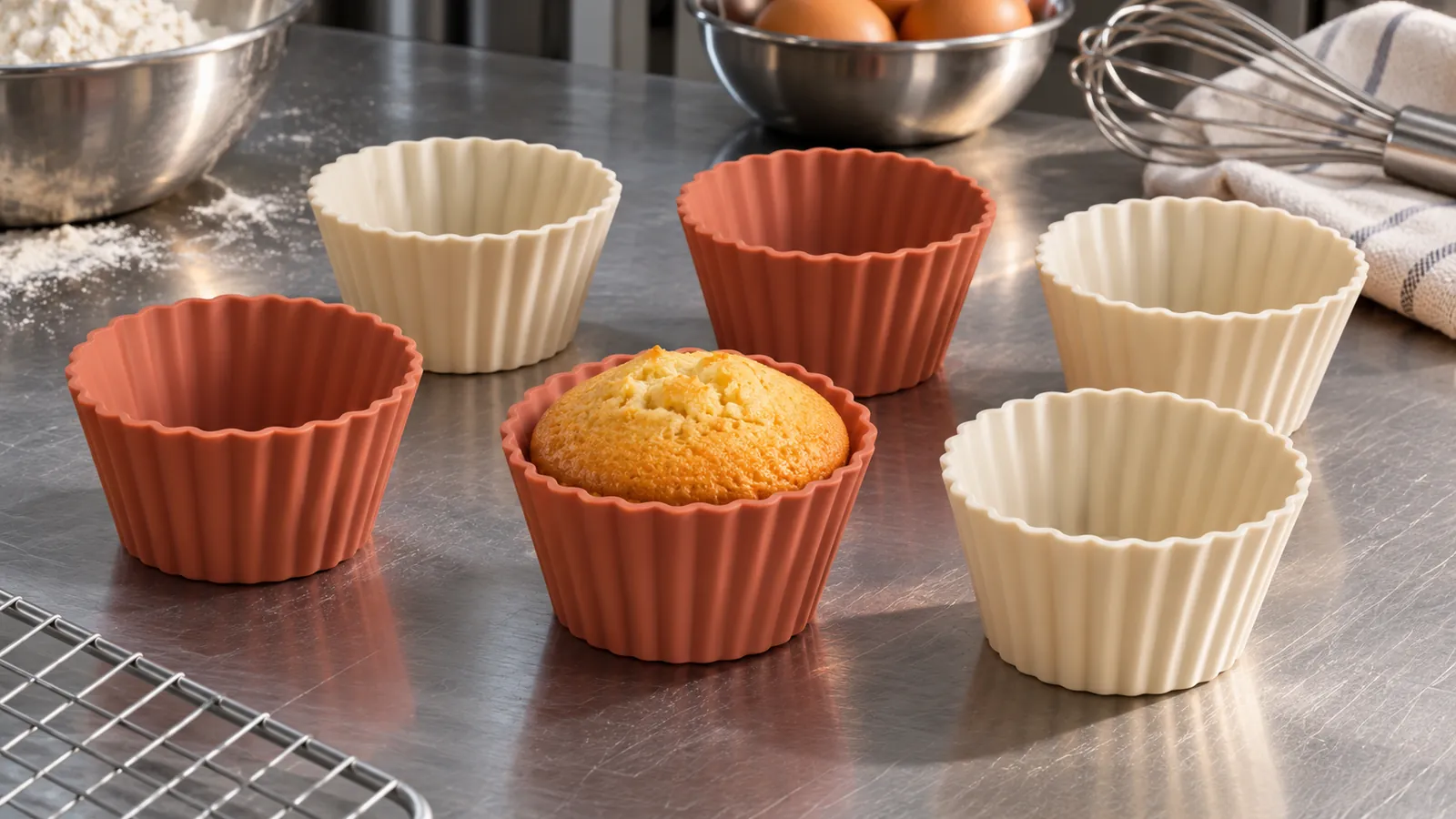
PRODUCT OVERVIEW
Individual silicone cupcake baking cups give bakeware buyers a flexible selling unit that can be sold in sets, nested for storage and used without an integrated multi-cavity pan. Naike Silicone can develop a buyer-owned cup profile around batter volume, base diameter, wall angle, rim grip, nesting height and target baking tray. The images on this page are original illustrative concepts, not photographs of an existing Naike order or proof of product testing.
The purchase brief should distinguish a freestanding cup from a liner that depends on a rigid muffin tray. A narrow base, thin wall or decorative fluting can change fill stability and handling, so the first article needs a defined fill level, recipe, tray and oven condition. Release and cleaning should be checked on molded samples using the buyer's representative food and wash routine, not inferred from a rendering.
Tooling review fixes cavity draft, scallop depth, base-to-wall transition, wall balance, parting line, venting and demolding direction. Color matching, molded marks, set count and sleeve or box format are then approved against the same golden sample and bill of materials. MOQ, unit pricing, tooling cost, lead time and food-contact evidence are quoted only after the geometry, compound, destination market and validation scope are agreed.
Product page updated:
Request a B2B QuotationENGINEERING & APPROVAL EVIDENCE
Each stage addresses a different purchasing risk: manufacturability, functional fit and private-label presentation.
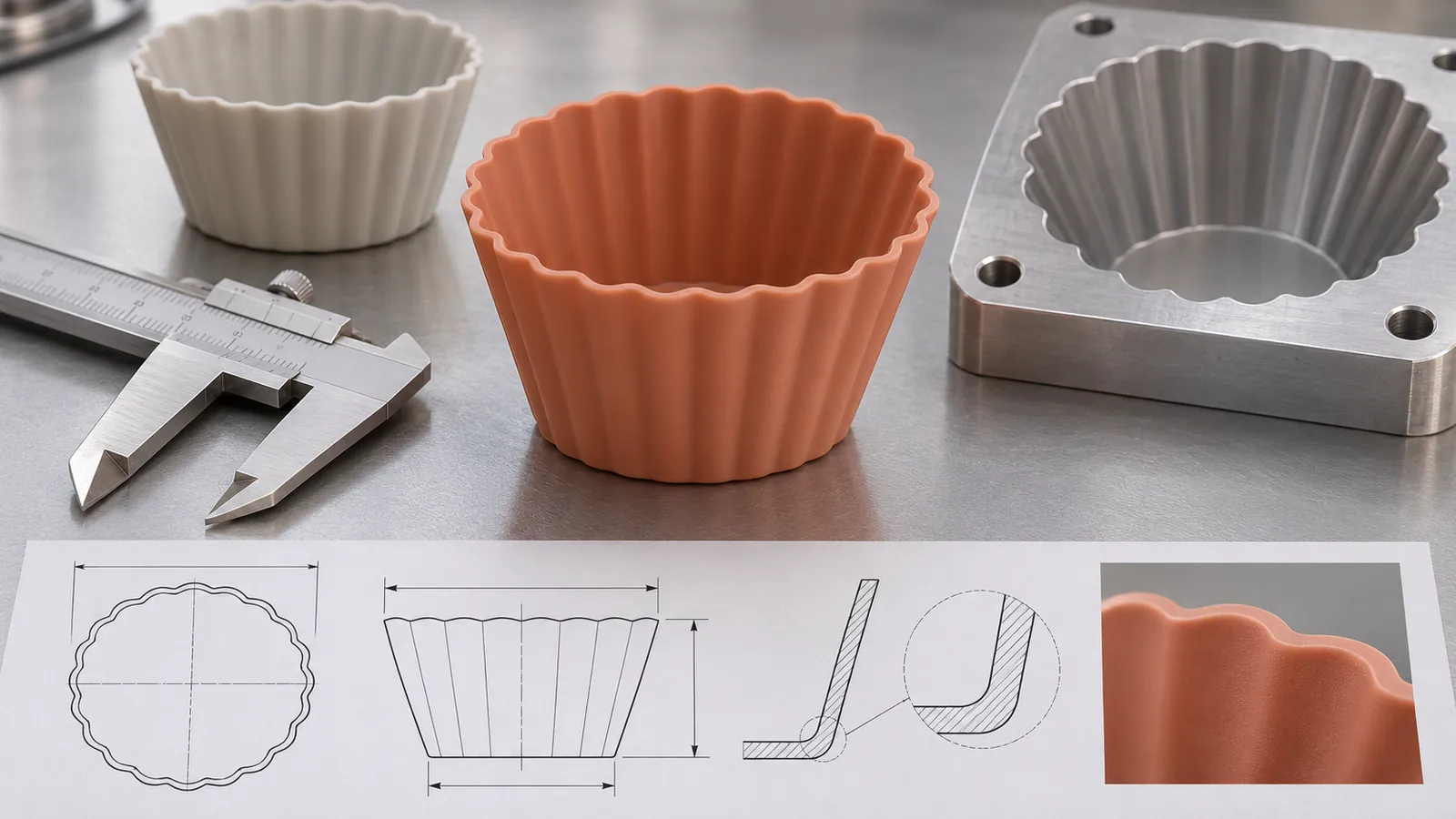
Illustrative scene: review base, taper, rim, fluting, wall balance and nesting before tooling release.
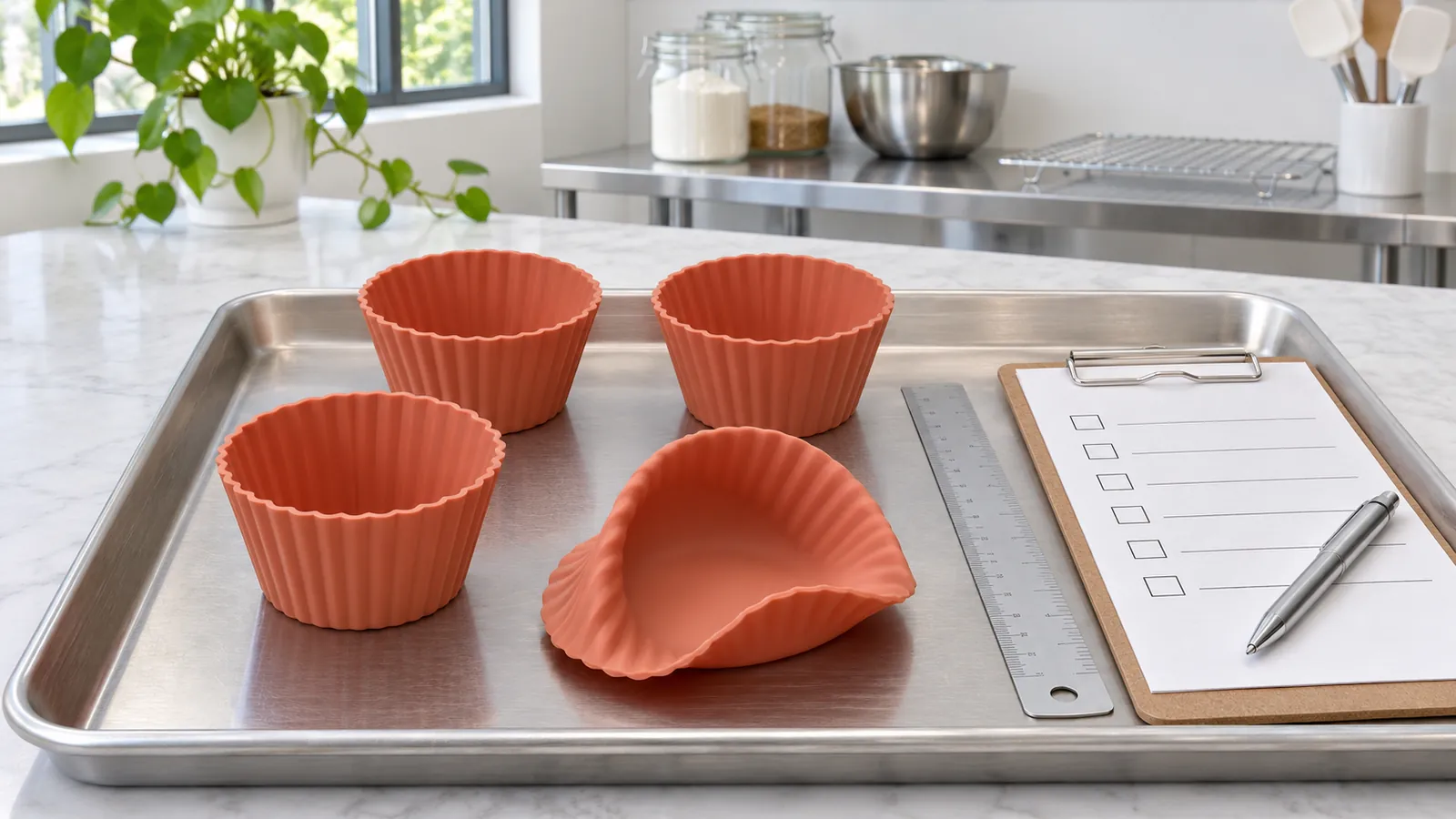
Illustrative scene only; evaluate fill stability, handling, release and cleaning on identified molded samples.
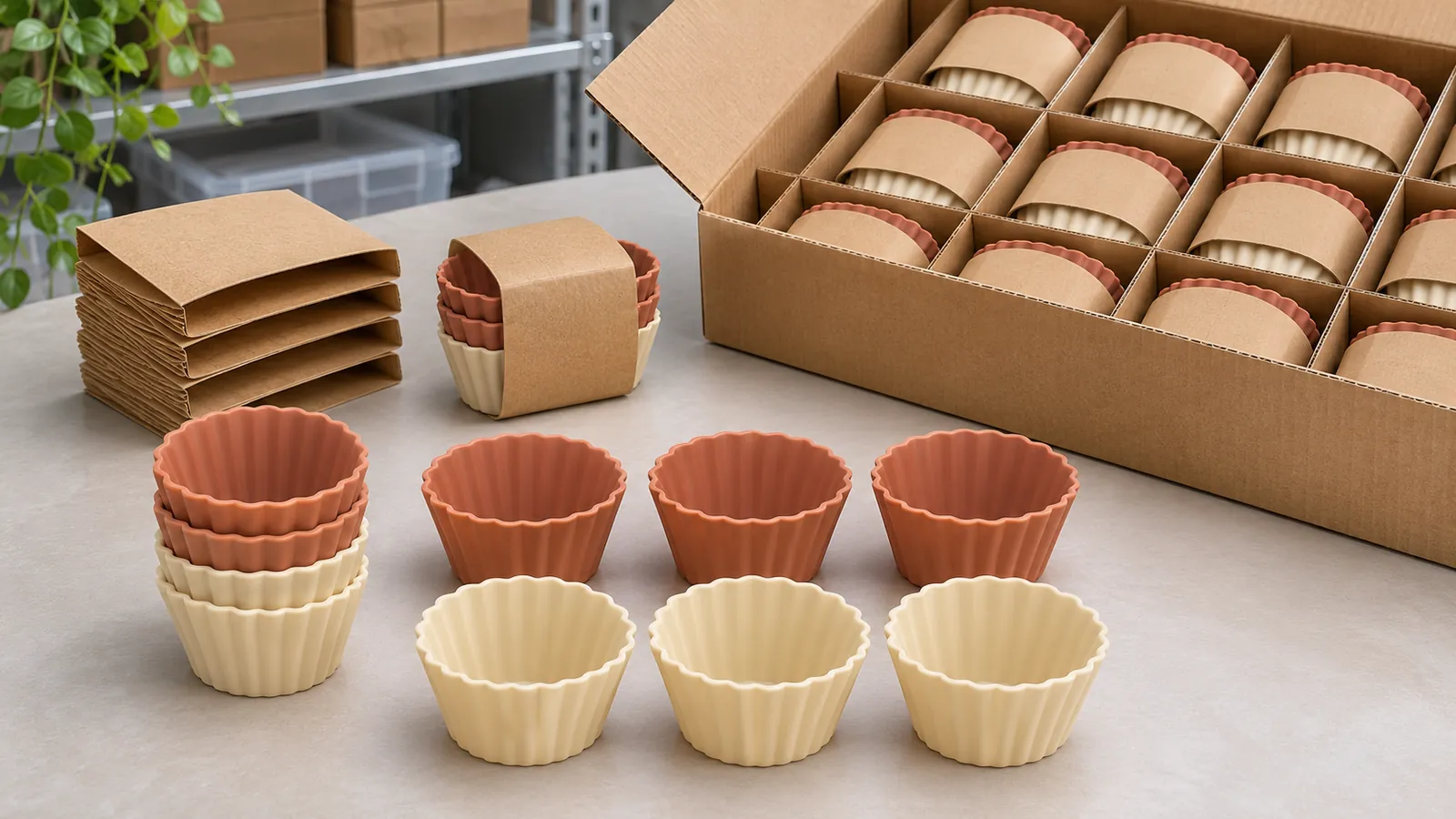
Illustrative scene: approve set count, nesting, sleeve fit, labeling area and carton protection for the released SKU.
B2B SOURCING SNAPSHOT
Final terms depend on the approved specification, packaging, quantity and delivery plan.
| Control Point | Buyer Decision | Approval Basis |
|---|---|---|
| Cup geometry | Buyer-defined top diameter, base diameter, depth and target batter volume | Drawing, measured first article and recipe-specific fill check |
| Freestanding support | Wall profile, base contact and rim stiffness for the named tray and fill level | Stability and handling check with agreed recipe and conditions |
| Release and cleaning | Scallop depth, internal texture, radii and wash route | Representative bake, release and cleaning observation on molded samples |
| Nesting and set count | Stack height, cup-to-cup clearance and units per retail pack | Physical nested-set and packaging-fit approval |
| Compound and color | Approved silicone grade, pigment, appearance limits and destination market | Finished-part evidence appropriate to approved SKU and market |
| Commercial program | Tooling, sample rounds, MOQ, volume forecast and export pack | Quotation against approved drawing, BOM and validation plan |
Each project is reviewed as a complete product specification.
Specify the cup diameter, depth, taper and volume around the buyer's target cupcake or dessert.
Control decorative rib depth and inside radii without overlooking release and cleaning access.
Tune rim grip and base support for the intended fill, tray and handling method; verify on samples.
Approve pigment reference, color allocation and any molded mark against an agreed appearance standard.
Review draft, parting, venting, wall balance, demolding and first-article corrections before golden-sample signoff.
Choose cup count, nesting order, sleeve or box, care insert and master-carton protection for each SKU.
B2B BUYER FAQ
These answers define the decisions required before tooling, sampling and a reliable quotation.
Send the target top and base diameters, cup depth or batter volume, recipe range, tray type, set count, colors, branding, annual forecast, destination market and packaging format. A sample cup or dimensional sketch is helpful.
That is a design target, not a universal claim. Stability depends on wall geometry, base contact, batter amount and tray surface; confirm it on molded first articles under the intended conditions.
Yes. Flute count and depth can be customized, subject to release, cleaning, wall balance and tool-demolding review.
Agree a representative recipe, fill level, baking cycle, cooling time and removal method, then document results on identified molded samples. A successful result with one recipe does not guarantee every formulation.
Yes, if the approved color allocation, batch control, set count and packing instructions are captured in the SKU file. Color splits can affect MOQ and schedule.
No certification is claimed for the illustrated concept. Material and finished-article evidence must be selected for the approved compound, final SKU and destination market.
Set the taper, rib geometry, surface texture and stack height in the drawing, then check separation and packaging fit on production-intent samples.
Cup size, wall design, fluting, cavity count, color split, sample revisions, evidence scope and retail packaging all affect the quote and schedule. Confirm commercial terms after the drawing and validation plan are fixed.
CATEGORY-SPECIFIC REVIEW
Release, heat exposure, shape support and repeated-use durability.
Draft, radii, detail definition and balanced wall thickness.
Cake forms, pastry trays, mats, cups and coordinated tools.
Prototype handling, baking tests, packaging and approved samples.
INQUIRY CHECKLIST
Providing clear requirements helps us evaluate tooling, samples, price and lead time.
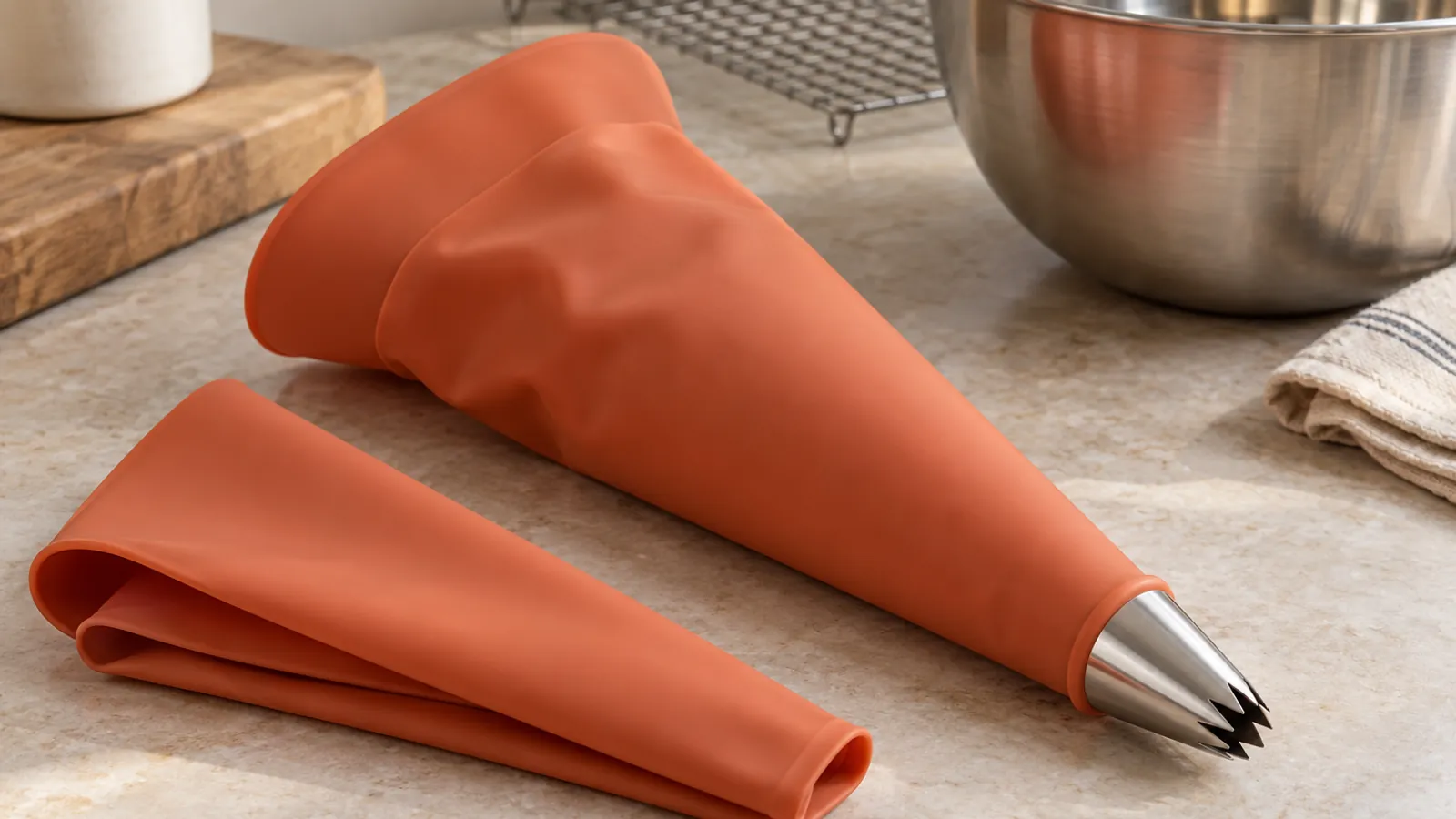
A buyer-defined reusable silicone piping bag developed around fill access, squeeze control, nozzle compatibility, cleaning and retail packout.
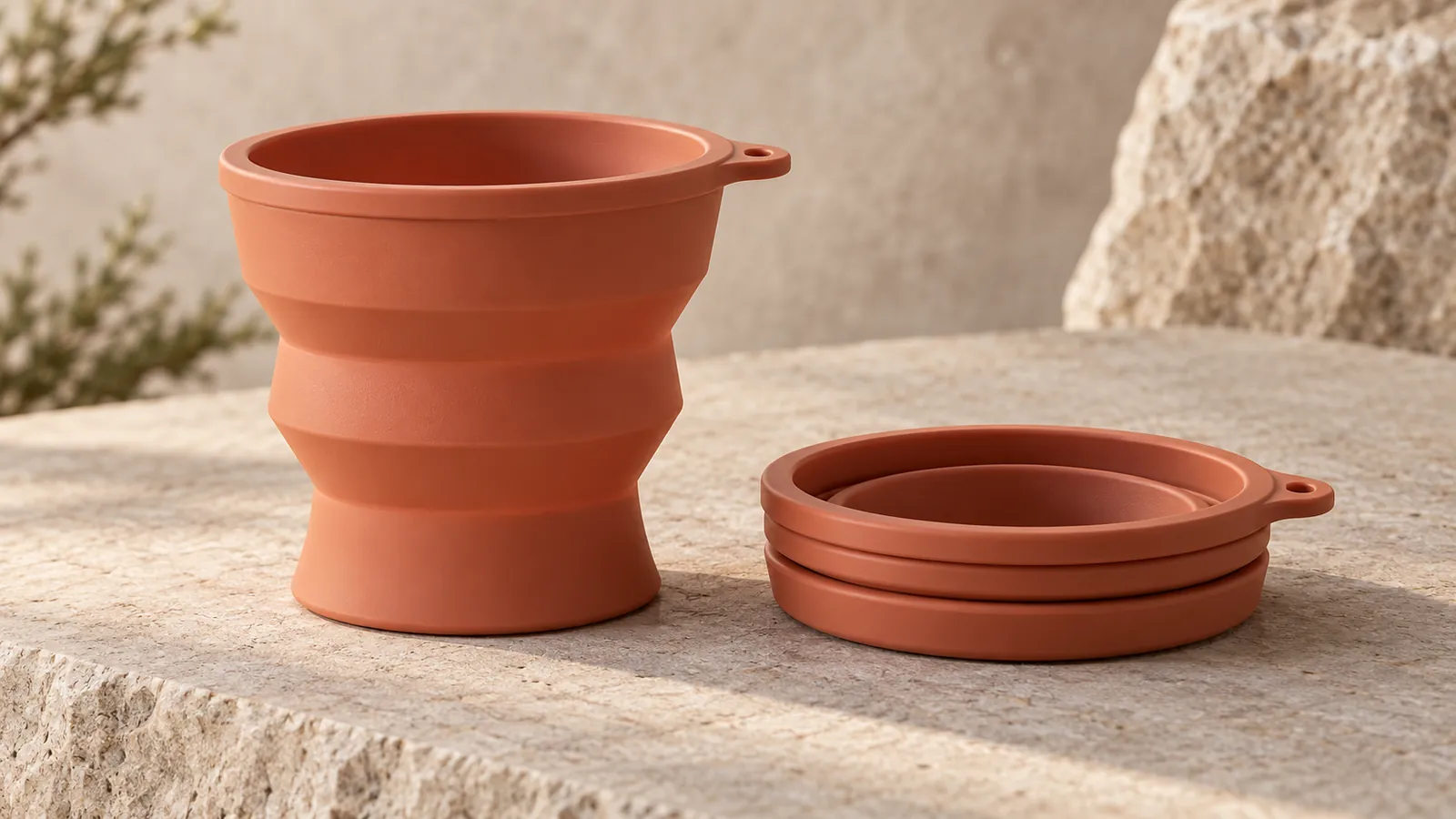
A buyer-defined collapsible silicone camping cup concept engineered around usable capacity, compact storage, recovery, grip and retail packaging.
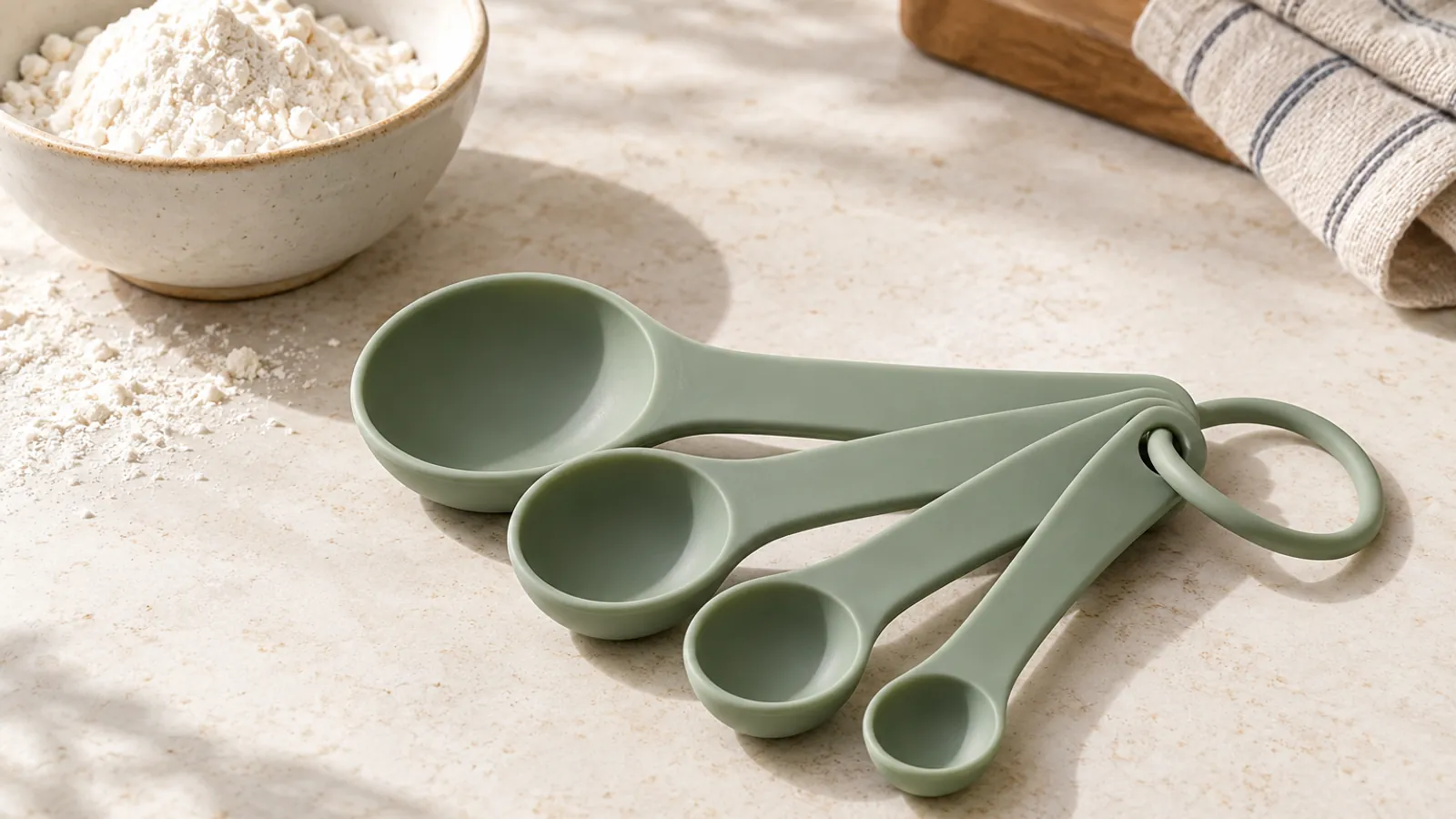
A custom multi-size silicone measuring-spoon set specified around capacity, rim leveling, nesting, cleaning and retail pack-out.
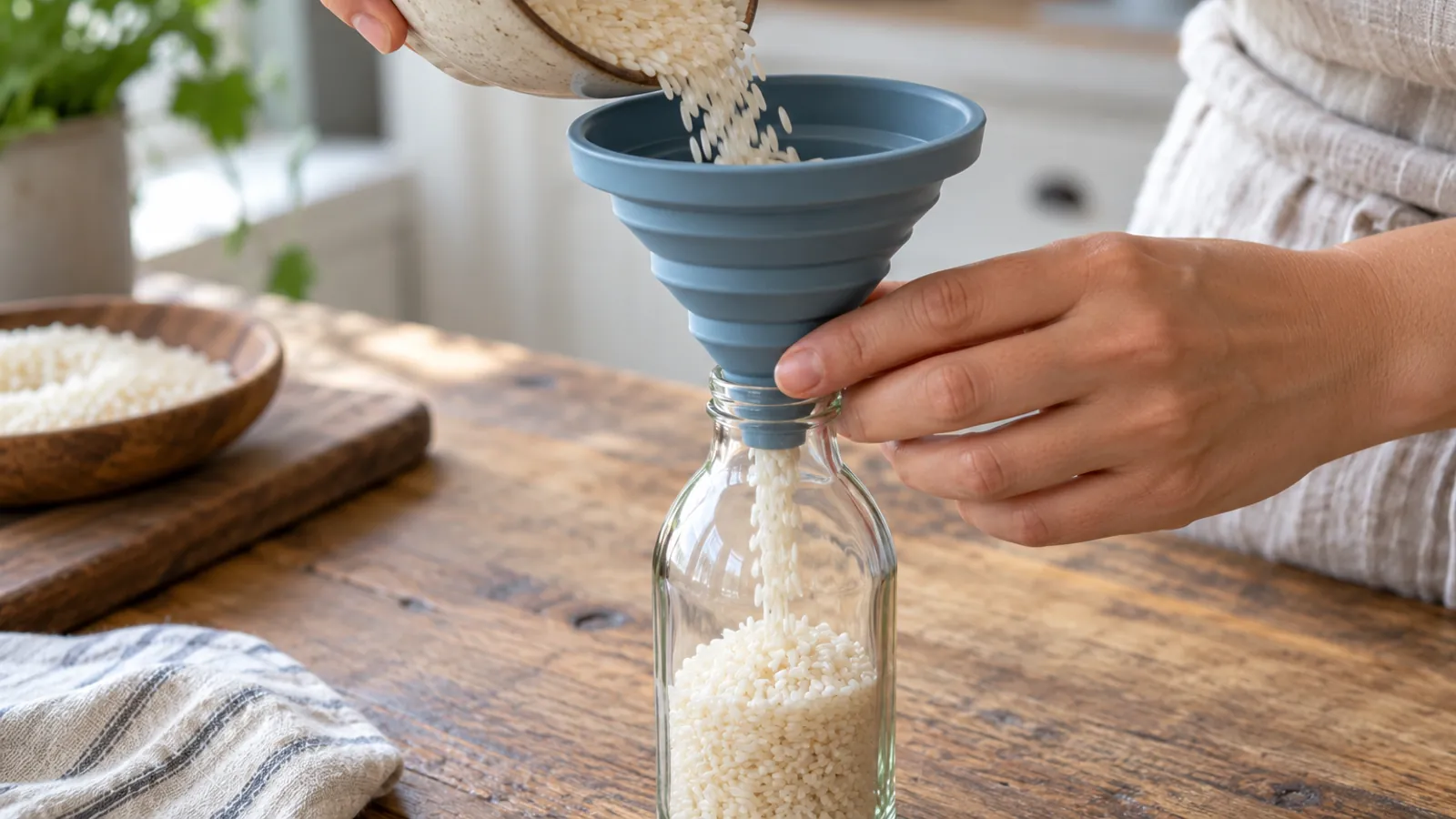
A fold-flat silicone transfer funnel specified around bottle-neck fit, fill material, flow, cleaning and buyer-approved pack-out.
B2B PROJECT INQUIRY
Share the intended product, destination market, order quantity and launch plan. Our project team will review the information and identify the next practical step.
Drawings are helpful but not required. A sketch, reference photo or physical sample can be used for an initial discussion.
GENERAL SOURCING INQUIRY