
Capacity and Form
Set the target usable volume, deployed silhouette, base diameter and folded envelope against a real use scenario.
NON-STICK BAKEWARE
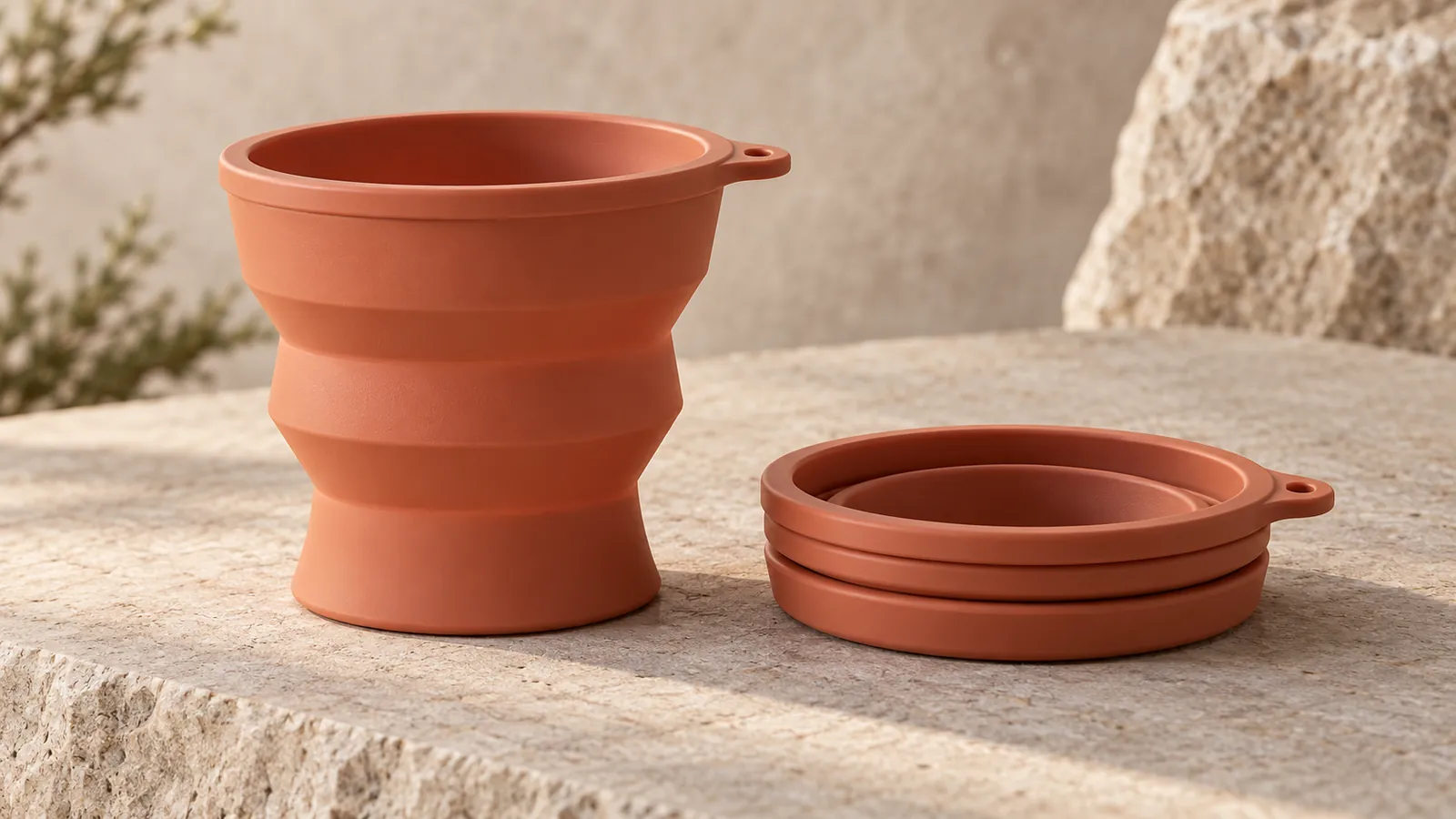
PRODUCT OVERVIEW
A custom collapsible silicone camping cup should be specified in both its open and folded states. Naike Silicone can review the buyer's target capacity, rim feel, wide-base stability, accordion-fold geometry, hanging tab and packed size as one product-development brief. The images on this page are original illustrative concepts, not photographs of an existing Naike order or evidence that the depicted design has passed testing.
A purchasing brief should identify whether the cup is intended for cold drinks, warm drinks or another named use, then connect that use to the compound, finished construction, contact evidence and destination market. A nominal volume is only meaningful with a fill line and measurement method; a compact folded dimension is only useful when the cup still deploys to an approved shape. Samples should be marked by material, color, mold revision and cavity before capacity, recovery and stability are accepted.
The tooling review needs to resolve wall transitions at each fold, rim stiffness, base contact, hanging-tab strength, parting lines, venting, flash limits and demolding. Color, molded branding, retail sleeve and master-carton layout can be customized against the final geometry, but the mold strategy, MOQ, lead time and unit cost depend on the approved drawing and forecast. A production release should retain signed samples, a fold-cycle method, the applicable food-contact evidence and packout references for repeat orders.
Product page updated:
Request a B2B QuotationENGINEERING & APPROVAL EVIDENCE
Each stage addresses a different purchasing risk: manufacturability, functional fit and private-label presentation.
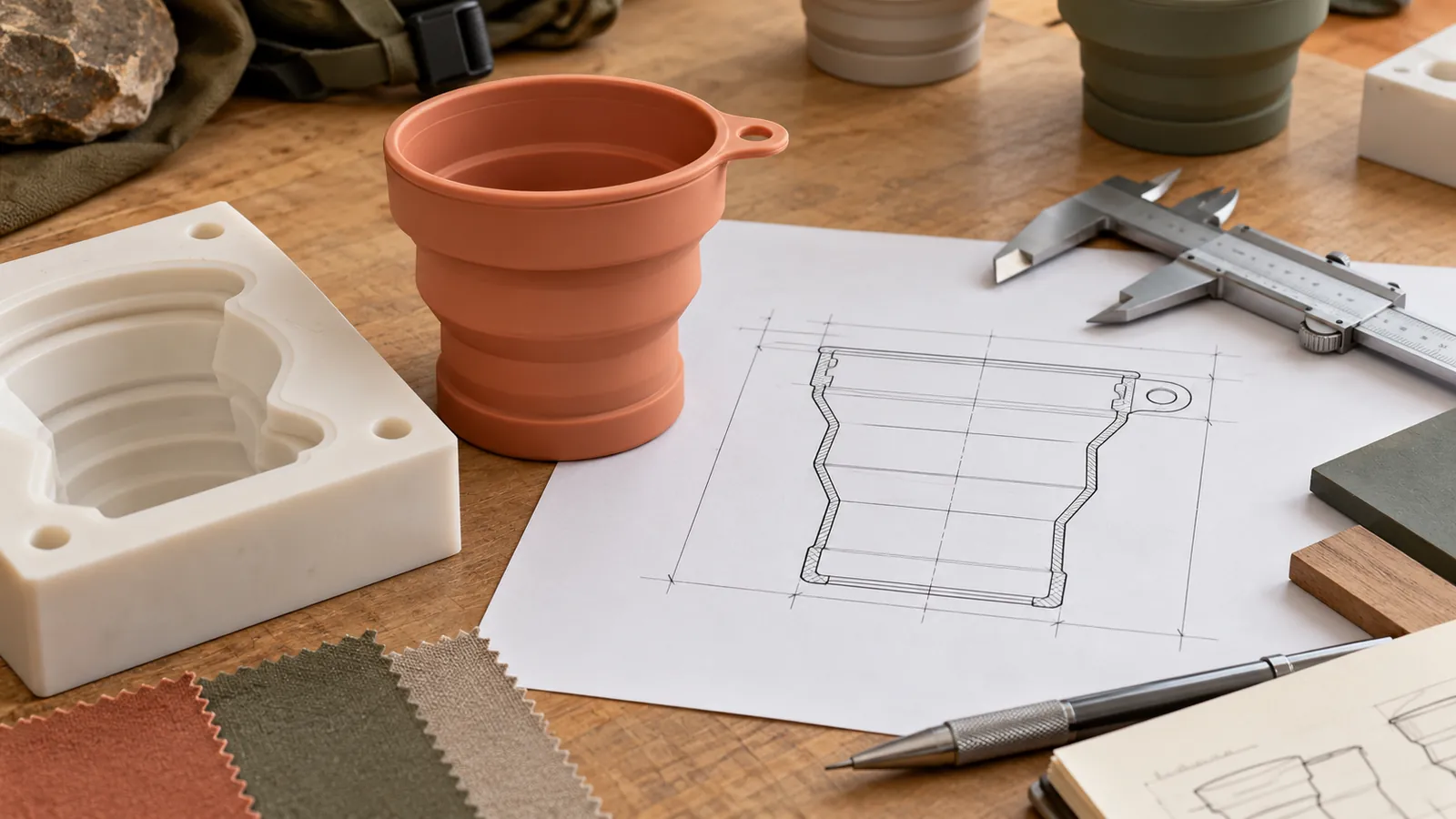
Illustrative scene: review fold radii, wall balance, base, rim, hanging tab and parting geometry before tool release.
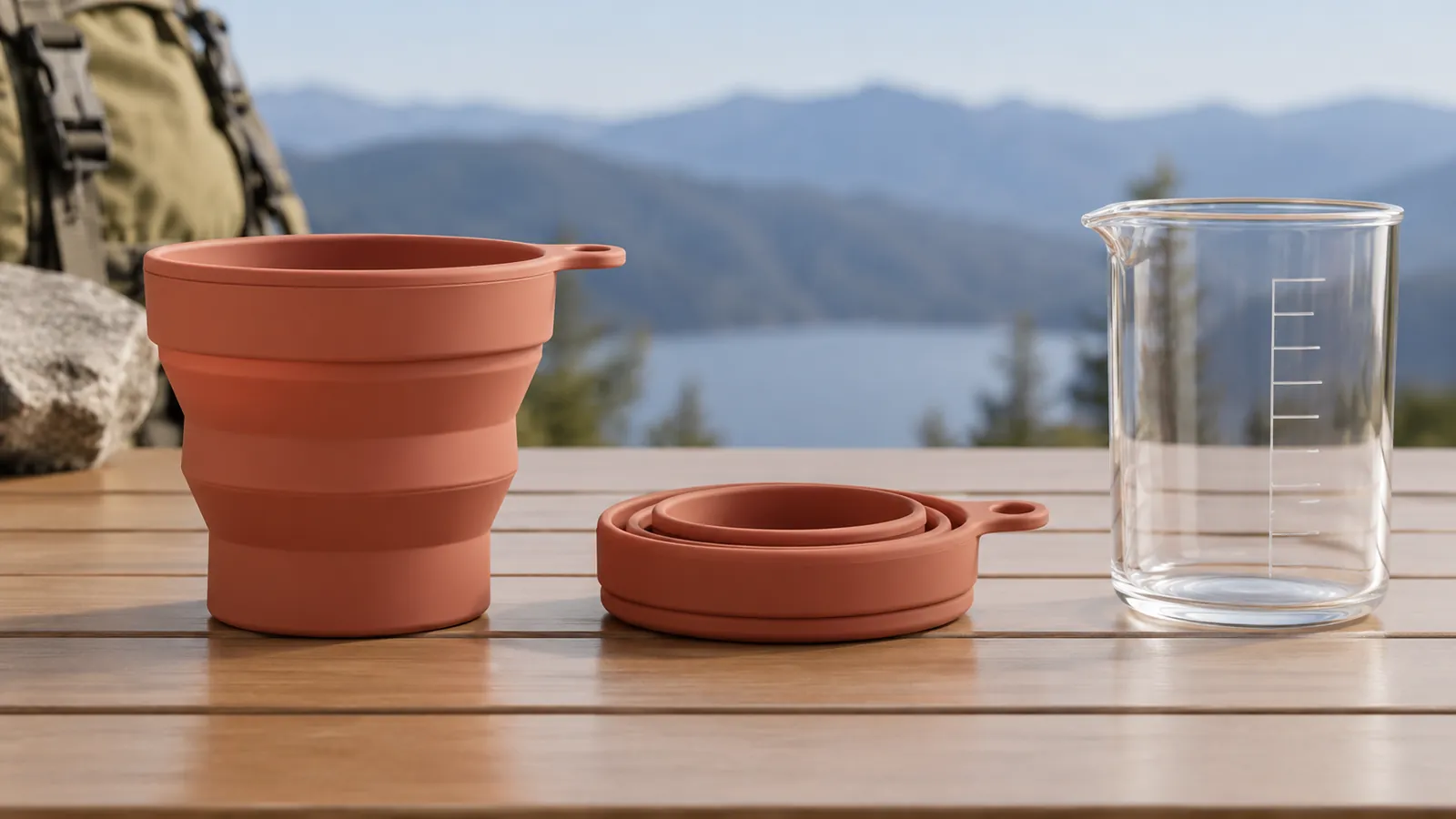
Illustrative scene: define fill, fold-cycle, recovery, stability and leakage methods on production-representative samples.
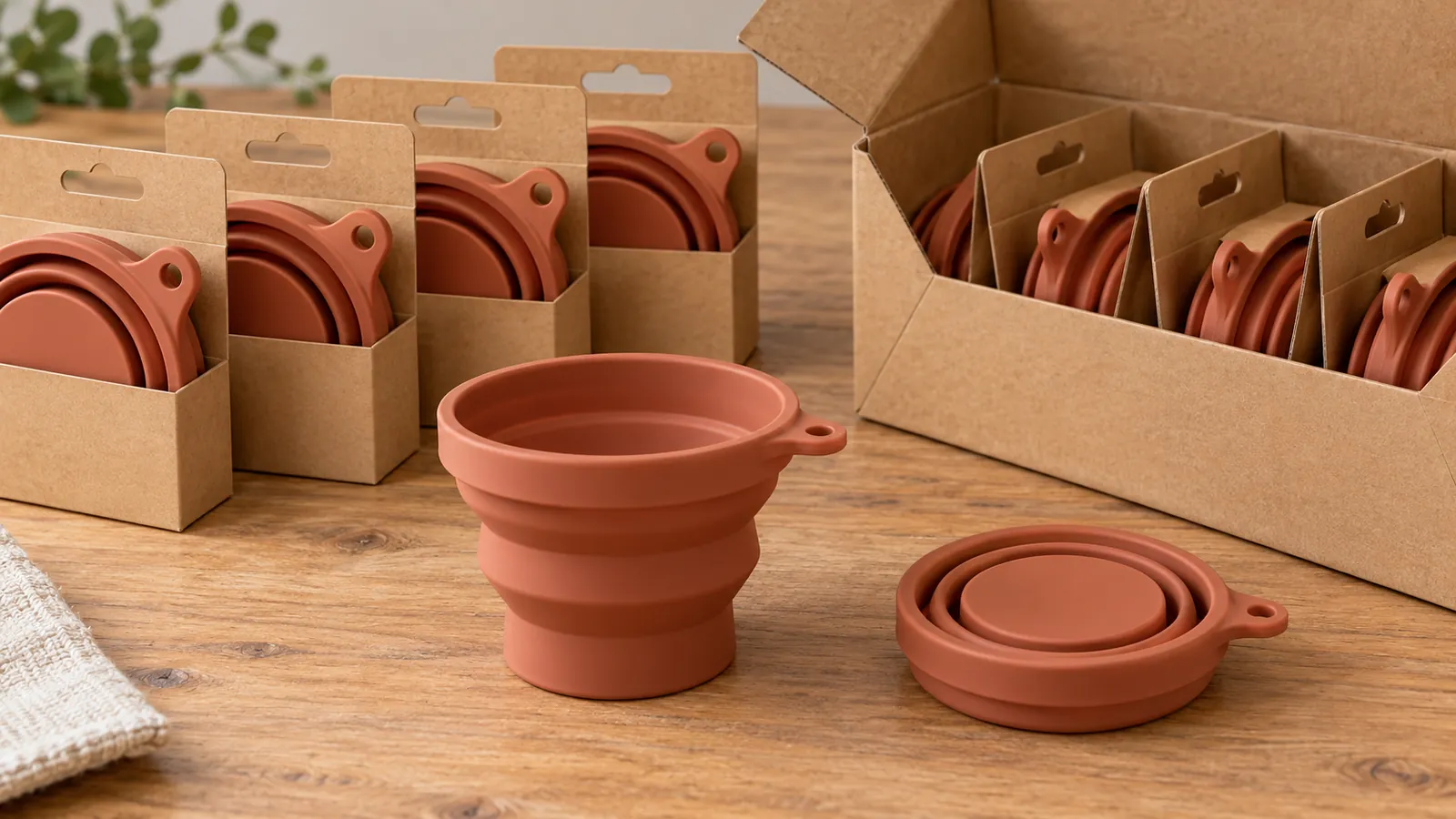
Illustrative scene: validate the physical sleeve, carton quantity, color count and folded profile before artwork and shipment approval.
B2B SOURCING SNAPSHOT
Final terms depend on the approved specification, packaging, quantity and delivery plan.
| Control Point | Buyer Decision | Approval Basis |
|---|---|---|
| Usable capacity | Buyer-defined volume and fill line for the intended drink | Measured on deployed samples using an agreed temperature and filling method |
| Open and folded dimensions | Approved rim, base, height, folded profile and wall sections | Drawing and representative first-article measurements |
| Fold performance | Defined fold direction, force, cycle and recovery criteria | Repeated-cycle and stored-state validation on identified samples |
| Base and rim function | Stable base contact and usable reinforced drinking rim | Agreed stability, handling and leakage checks |
| Hanging tab | Integrated tab location and hole geometry | Retention and tear-risk review under a defined load case |
| Material and pack | Approved compound, pigment, claims, sleeve and carton | Evidence and packout matched to the finished SKU and market |
Each project is reviewed as a complete product specification.
Set the target usable volume, deployed silhouette, base diameter and folded envelope against a real use scenario.
Tune fold count, radii, wall transitions and recovery for the agreed compound and molding route.
Review rim stiffness, drinking comfort, base contact and handling without claiming universal spill resistance.
Specify tab size, attachment hole, carry accessory and retention method as a separate interface.
Review cavity layout, venting, flash, demolding, trial corrections, golden samples and repeat-order control.
Coordinate approved color masters, molded mark position, retail sleeve, barcode area and master-carton packout.
B2B BUYER FAQ
These answers define the decisions required before tooling, sampling and a reliable quotation.
Share the target capacity, open and folded dimensions, intended drink temperature, destination market, reference drawing or sample, volume forecast, colors, branding and package concept. Identify any required testing or carry accessory.
Do not assume so from a silicone material label. Define the intended temperature and handling scenario, select the compound and finished design, then validate user handling and applicable evidence before making a claim.
Agree the fill line, water temperature, deployment rest time, measurement tool and tolerance. Record results from identified molded samples rather than quoting a nominal CAD volume alone.
Use a documented fold sequence, cycle count, compressed storage condition and rest interval. Check height, rim shape, base contact, leakage and visible set at agreed checkpoints.
Yes, as a design option, subject to hole geometry and load validation. The clip, tab and cup should be tested as the actual carried assembly before promoting attachment claims.
Color masters and molded marks can be reviewed during development. Place any mark away from folds and drinking surfaces, then approve the exact color and tool revision on retained samples.
No. Claims depend on the finished SKU, material, use conditions, test scope and destination market. Ask for applicable evidence and validate the intended cleaning route before printing packaging.
Tooling scope, cavity count, material and color split, sample rounds, evidence requirements and retail packaging all affect commercial terms. Confirm the quotation after drawings, validation plan and forecast are aligned.
CATEGORY-SPECIFIC REVIEW
Release, heat exposure, shape support and repeated-use durability.
Draft, radii, detail definition and balanced wall thickness.
Cake forms, pastry trays, mats, cups and coordinated tools.
Prototype handling, baking tests, packaging and approved samples.
INQUIRY CHECKLIST
Providing clear requirements helps us evaluate tooling, samples, price and lead time.
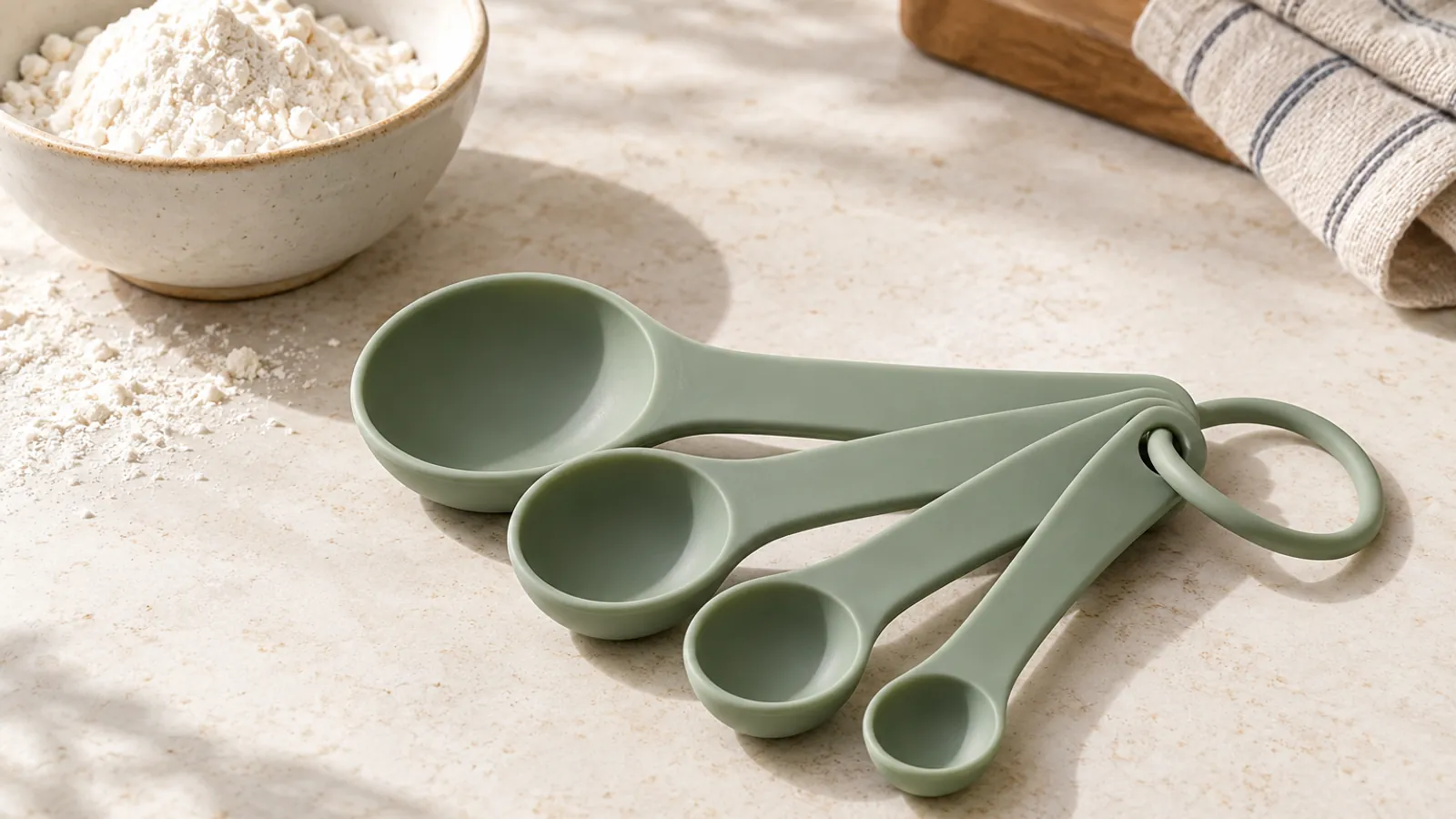
A custom multi-size silicone measuring-spoon set specified around capacity, rim leveling, nesting, cleaning and retail pack-out.
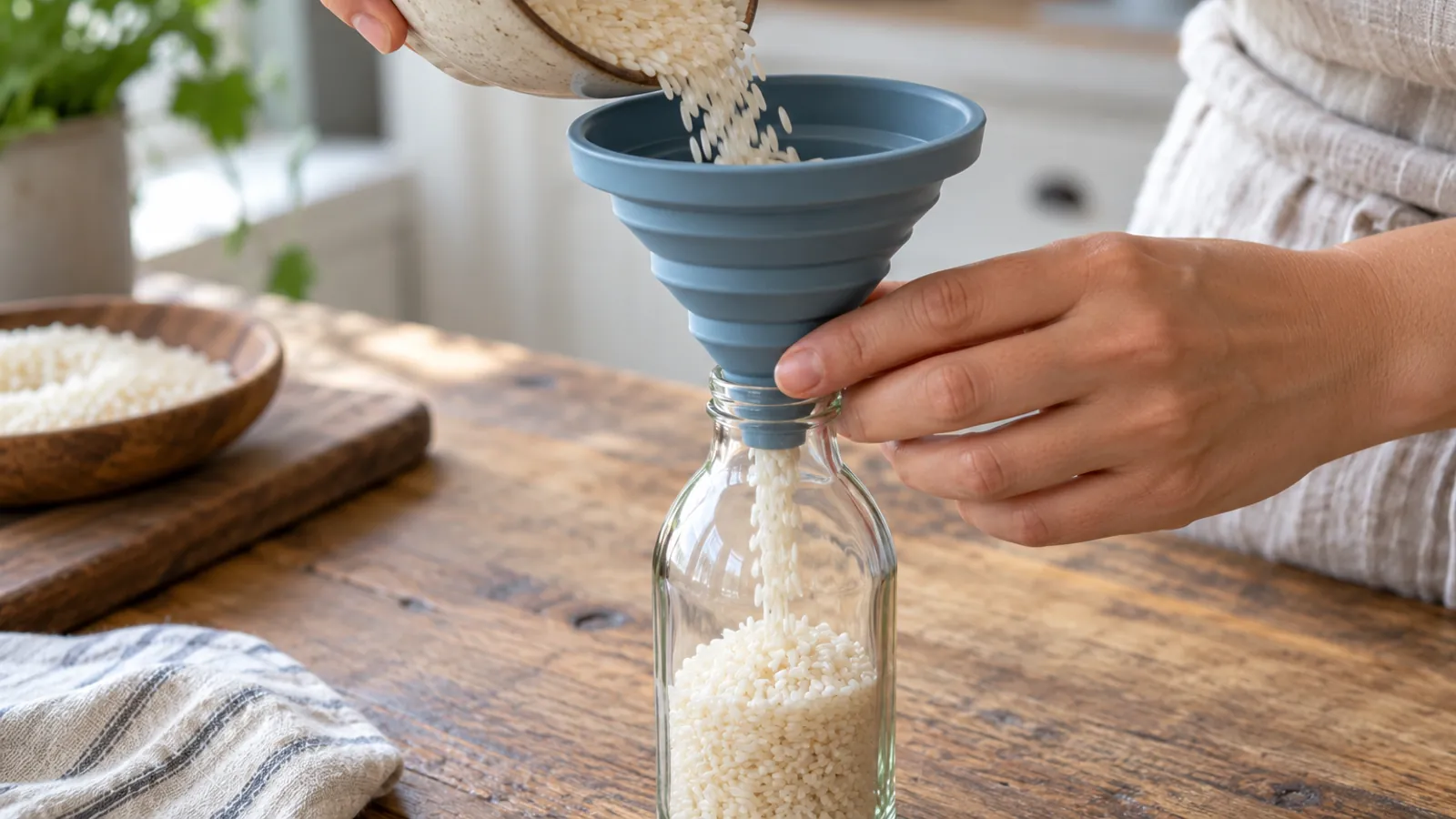
A fold-flat silicone transfer funnel specified around bottle-neck fit, fill material, flow, cleaning and buyer-approved pack-out.
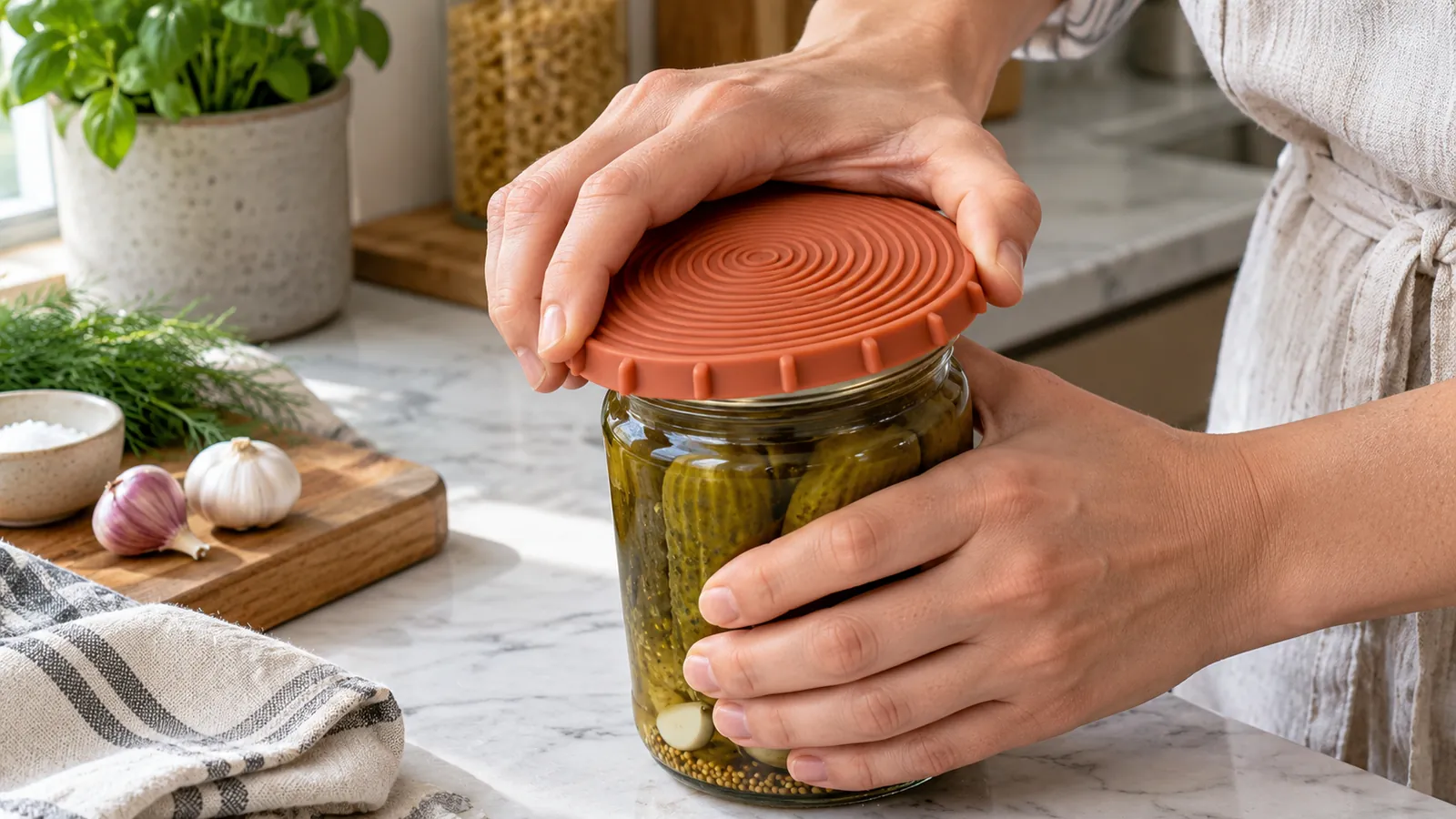
A flexible silicone grip pad developed around named jar-lid diameters, hand contact, texture depth, cleaning and retail pack-out rather than generic anti-slip claims.
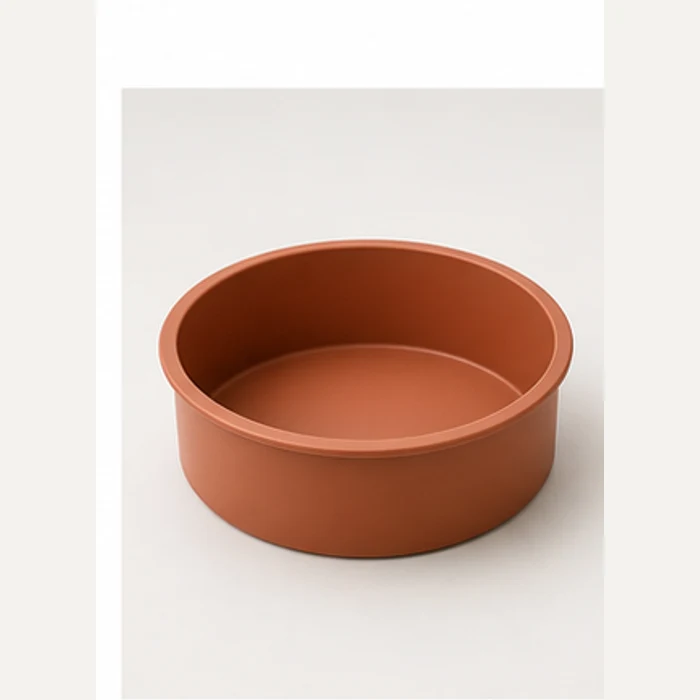
Classic flexible form for cakes, breads and chilled desserts.
B2B PROJECT INQUIRY
Share the intended product, destination market, order quantity and launch plan. Our project team will review the information and identify the next practical step.
Drawings are helpful but not required. A sketch, reference photo or physical sample can be used for an initial discussion.
GENERAL SOURCING INQUIRY