
Diameter and Edge
Adjust pad diameter and edge tabs for a defined lid family.
NON-STICK BAKEWARE
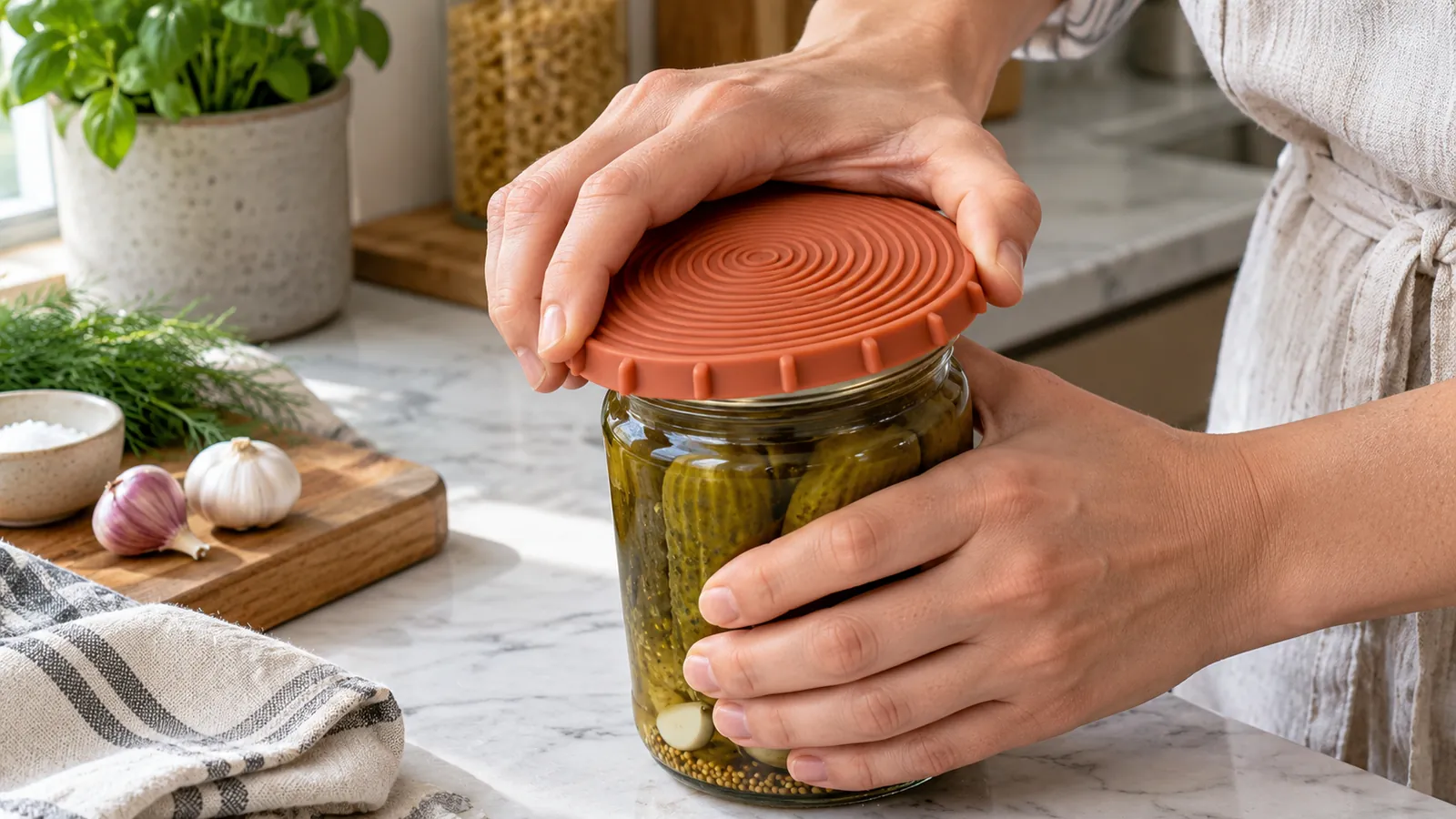
PRODUCT OVERVIEW
A custom silicone jar opener grip pad should improve the user's contact with specified jar-lid sizes under defined dry or wet conditions. It is a thin flexible grip aid, not automatically a trivet, pot holder or universal accessibility device. Naike Silicone can review lid-diameter coverage, pad diameter, edge features, rib pattern and hand-contact conditions as one controlled product brief.
The buyer should identify jar-lid materials, diameter range, surface texture, moisture or oil exposure, intended user and retail channel. Those inputs guide grip-zone geometry, surface rib height and spacing, thickness, flexibility, mold parting, venting, trimming and pack dimensions. Samples need practical comparison on the named lid family; test outcomes should not be generalized to every sealed jar or every user.
Compound, hardness, colors, tooling, MOQ, sample quantity, packaging and delivery are determined after the approved drawing and project brief. Food-contact, dishwasher, heat and accessibility claims require their own intended-use and market-specific evidence. Send lid samples, a diameter matrix, cleaning method and forecast to request a DFM and quotation review.
Product page updated:
Request a B2B QuotationENGINEERING & APPROVAL EVIDENCE
Each stage addresses a different purchasing risk: manufacturability, functional fit and private-label presentation.
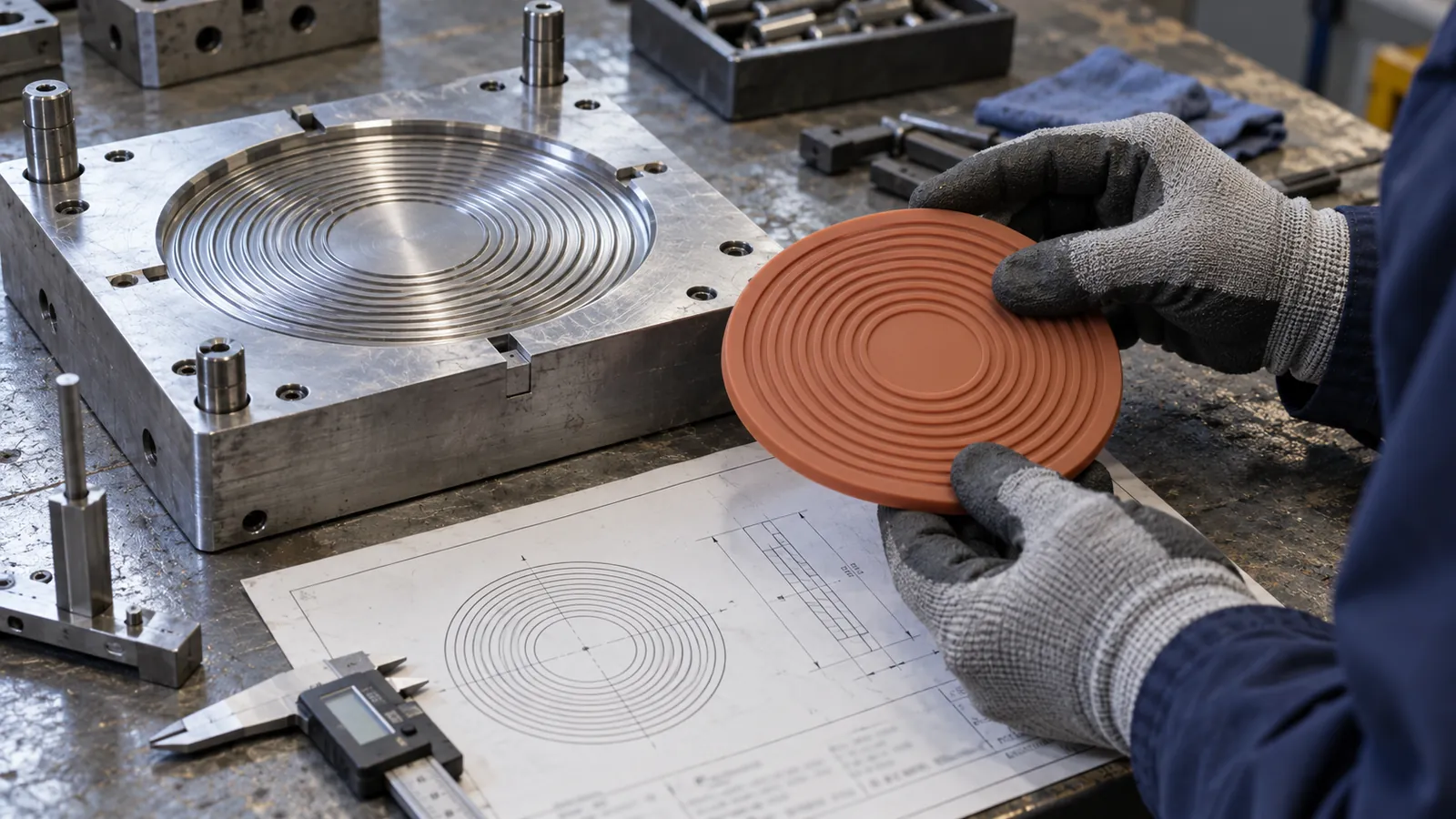
Illustrative scene: review rib spacing, edge grip, parting and demolding on the approved drawing.
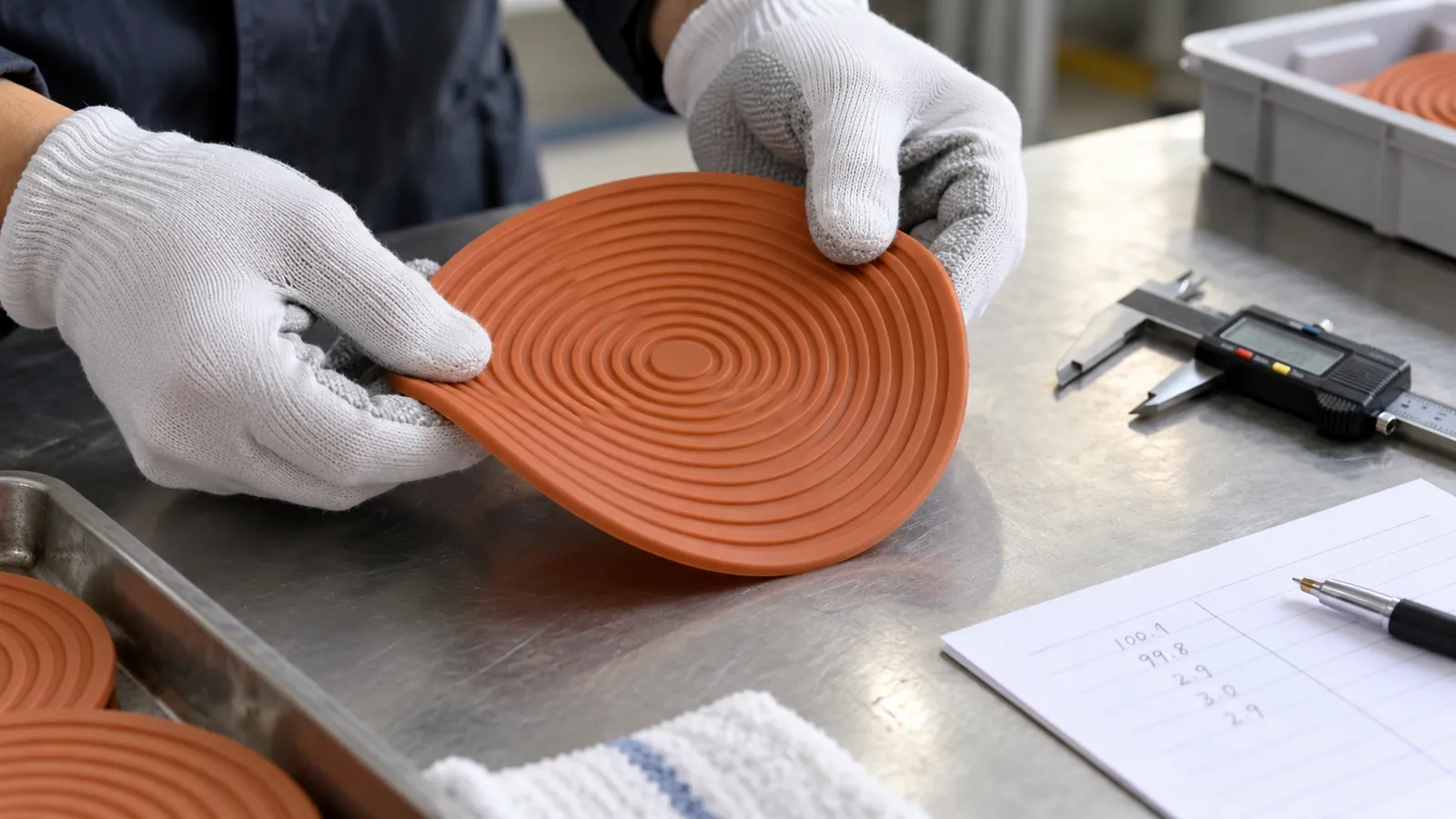
Illustrative scene: compare named lid sizes and conditions with controlled handling and recorded observations.
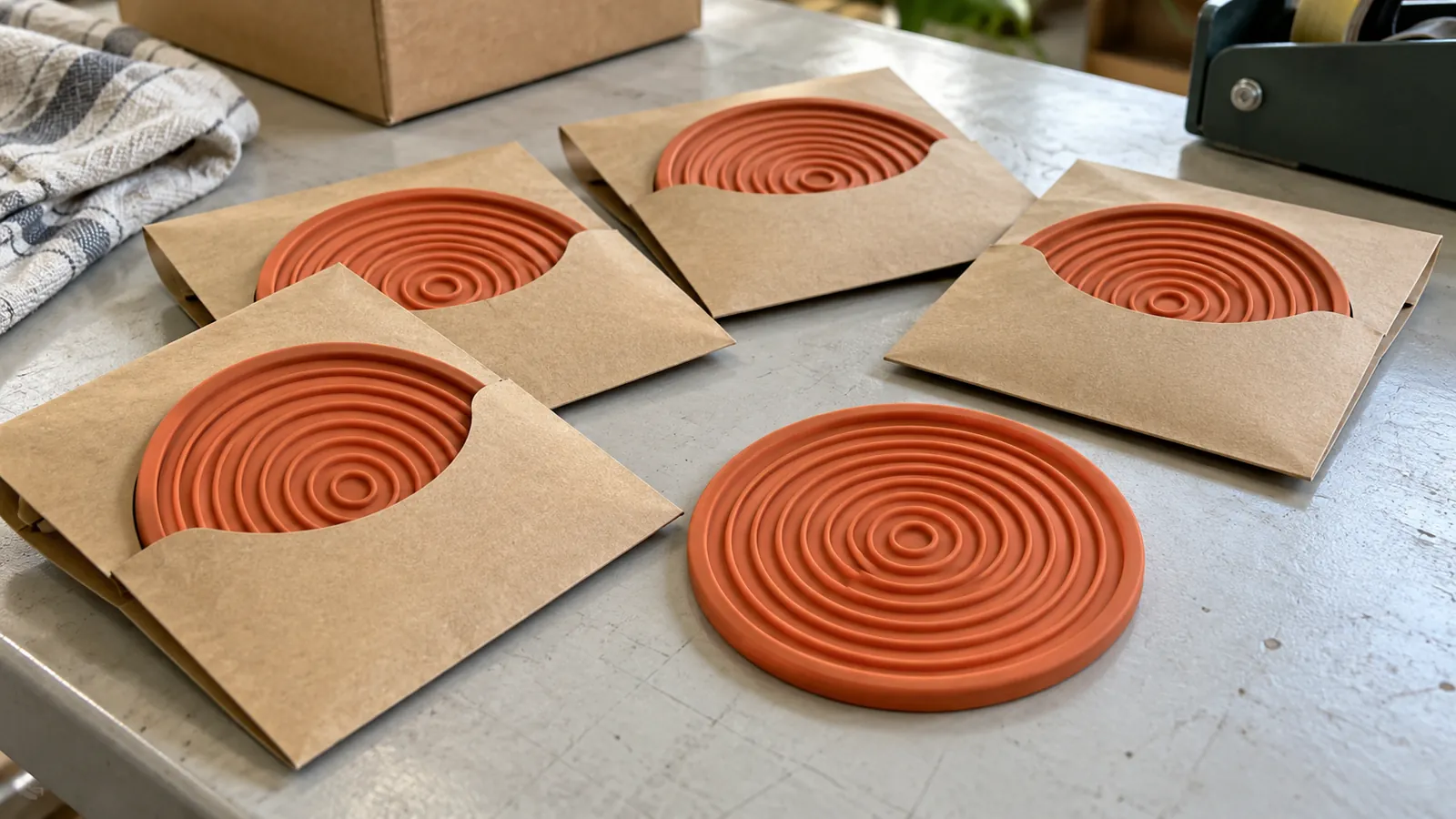
Illustrative scene: approve the exact pad, color, insert, sleeve and carton counts before release.
B2B SOURCING SNAPSHOT
Final terms depend on the approved specification, packaging, quantity and delivery plan.
| Control Point | Buyer Decision | Approval Basis |
|---|---|---|
| Lid coverage | Named diameter and lid-surface matrix | Buyer samples and controlled dimensional drawing |
| Grip geometry | Pad diameter, thickness, ribs and edge tabs | First-article dimension and visual check |
| Handling | Dry or wet grip use, flex and user contact | Agreed comparison method on named jars |
| Material | Silicone grade, hardness, pigment and cleaning exposure | Application-specific evidence and sample evaluation |
| Appearance | Flash, rib fill, color and surface cleanliness | Approved visual limit samples |
| Commercial scope | Tooling, MOQ, packaging and timing | Confirmed after DFM and current-capacity review |
Each project is reviewed as a complete product specification.
Adjust pad diameter and edge tabs for a defined lid family.
Develop shallow radial, concentric or directional grip zones subject to cleanability review.
Balance conformability, handling and repeated-use expectations in physical samples.
Review pigment, molded branding and permissible artwork against the product claim.
Plan parting, venting, rib fill, trimming and T0/T1 correction records.
Coordinate hang card, paper sleeve, individual bag or multipack with approved references.
B2B BUYER FAQ
These answers define the decisions required before tooling, sampling and a reliable quotation.
Send lid diameter and surface samples, intended conditions, target size, texture, color, forecast, market and pack format. A controlled lid matrix helps define the sample plan.
No. Coverage and grip should be checked against a named range of lid diameters, finishes and closure resistance; no universal opening claim follows from a flexible pad.
Compare rib spacing and depth against hand contact, lid contact, cleaning access and mold fill on representative samples. A deeper rib is not automatically better.
That depends on the agreed wet-condition method and actual lid surface. Evaluate wet and dry cases separately before advertising a wet-grip benefit.
Not without a separate heat-use brief, geometry review and applicable validation. The jar-opening design alone does not support heat-protection claims.
Finished-product suitability depends on intended contact, formulation, cleaning conditions and destination market. Request applicable evidence rather than relying on generic silicone language.
Approve dimensions, texture fill, edge trimming, color, lid trials, cleaning and packed reference against one drawing revision. Retain trial observations and limit samples.
Tool cavities, color split, rib geometry, sample iterations, artwork and retail packaging influence MOQ and timing. Final terms require a reviewed scope and current production plan.
CATEGORY-SPECIFIC REVIEW
Release, heat exposure, shape support and repeated-use durability.
Draft, radii, detail definition and balanced wall thickness.
Cake forms, pastry trays, mats, cups and coordinated tools.
Prototype handling, baking tests, packaging and approved samples.
INQUIRY CHECKLIST
Providing clear requirements helps us evaluate tooling, samples, price and lead time.
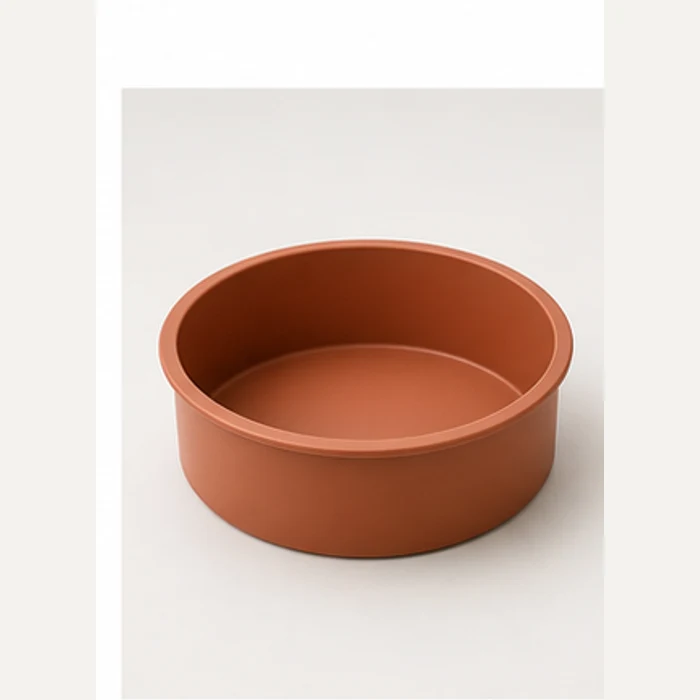
Classic flexible form for cakes, breads and chilled desserts.
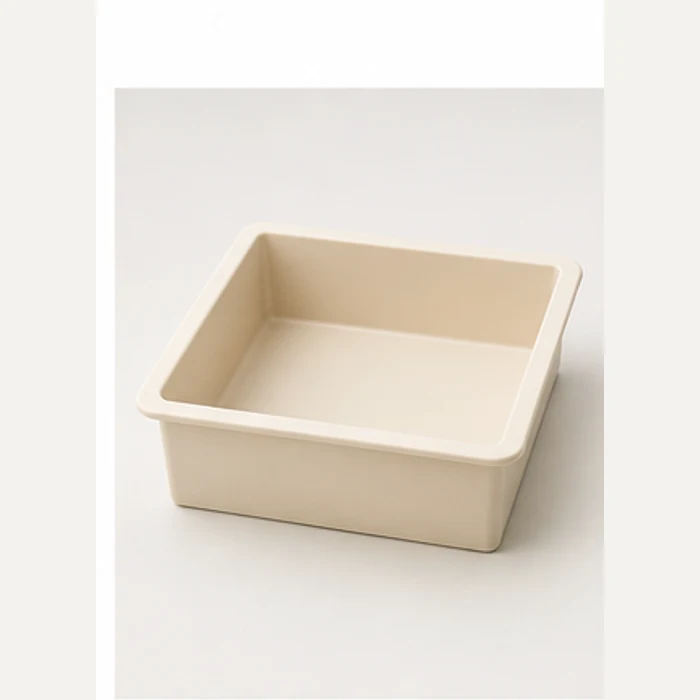
Straight-sided reusable mold for baking and presentation.
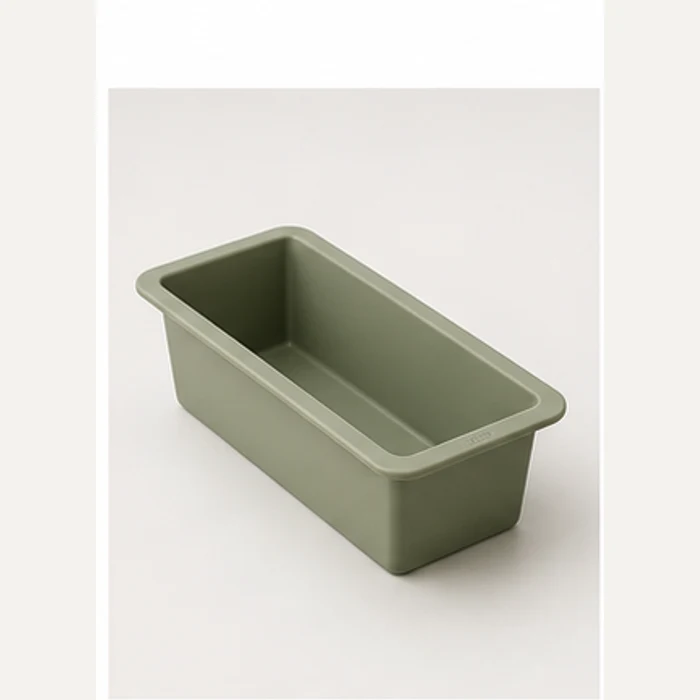
Easy-release loaf mold for bread, cake and private-label bakeware sets.
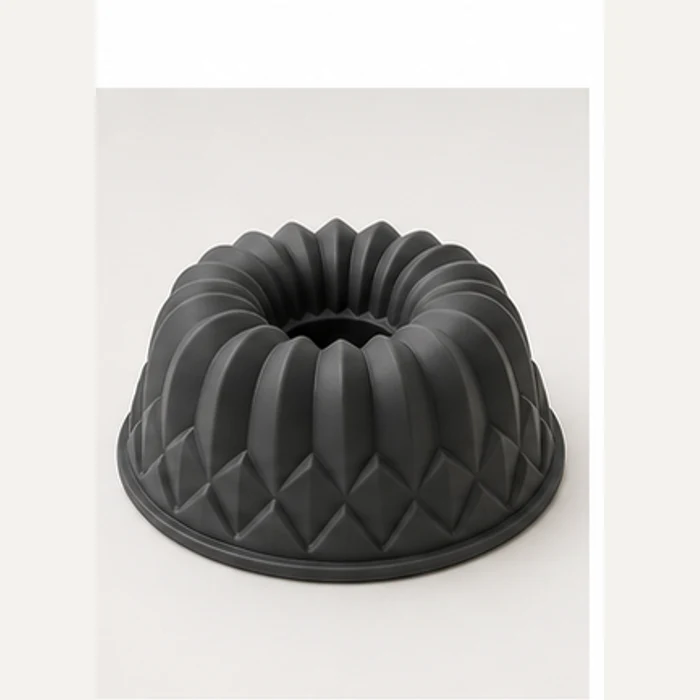
Detailed ring profile for distinctive baked finishes.
B2B PROJECT INQUIRY
Share the intended product, destination market, order quantity and launch plan. Our project team will review the information and identify the next practical step.
Drawings are helpful but not required. A sketch, reference photo or physical sample can be used for an initial discussion.
GENERAL SOURCING INQUIRY