
Bag Capacity
Set body length, usable fill mass, open rim width and fold-over clearance around the actual operator task.
NON-STICK BAKEWARE
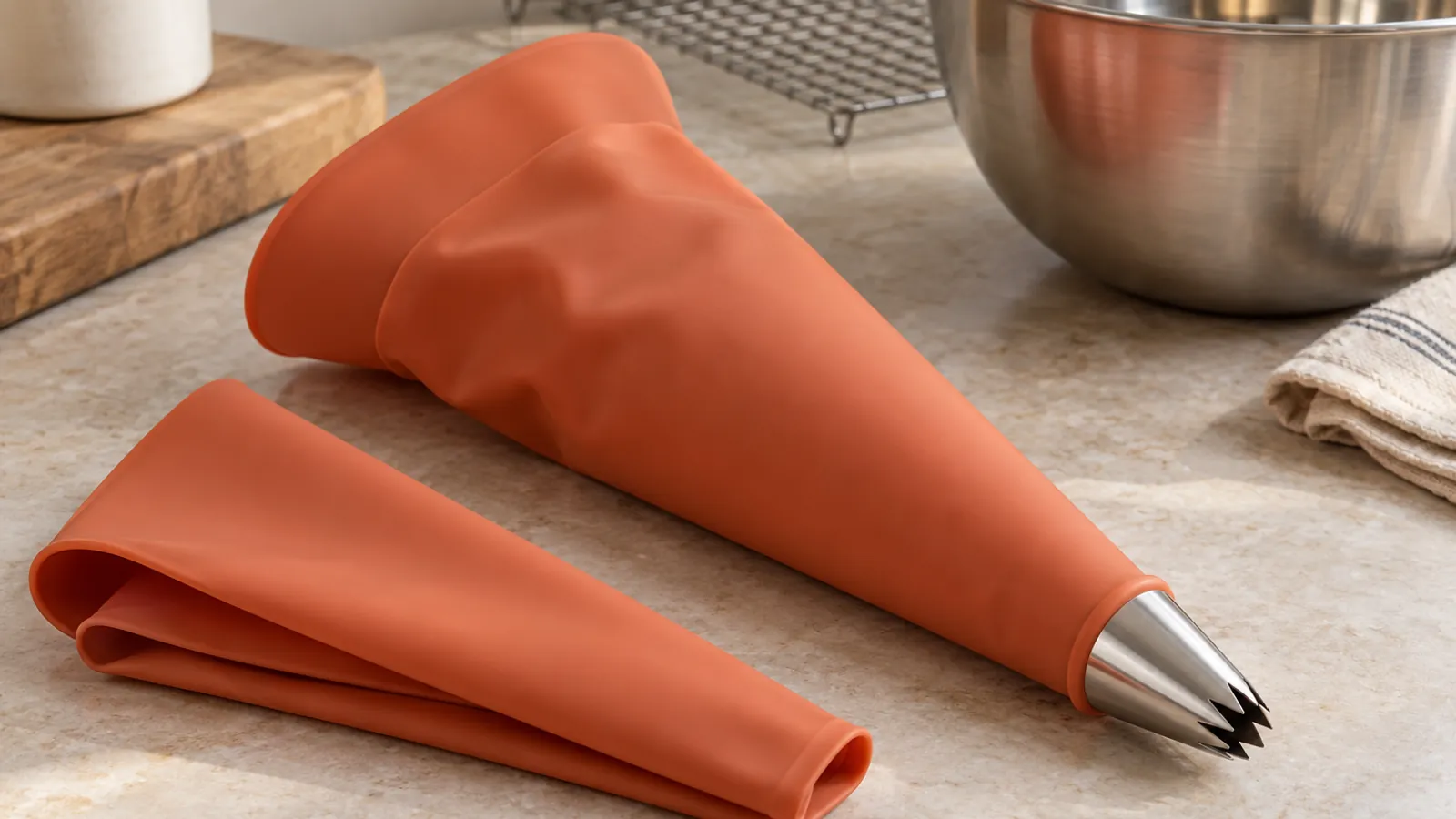
PRODUCT OVERVIEW
A custom reusable silicone piping bag should be specified as a working tool, not only as a cone in a product photograph. Naike Silicone can review the buyer's fill volume, hand grip, squeeze force, tapered outlet, optional coupler and nozzle fit, cleaning access and storage method as one product-development brief. The images on this page are original illustrative concepts, not photographs of an existing Naike order or evidence that the depicted design has passed testing.
Start with the intended food mixture, viscosity range, fill method, dispensing pattern and operator handling time. A bag used for soft icing may need a different wall response and outlet interface from one used for thicker dough or repeated professional service. Any food-contact, temperature, cleaning or reuse claim must be matched to the exact finished construction, test method and destination market before it appears on packaging.
Tooling and sample review should address the open-fill rim, local wall thickness, body taper, grip texture, transition to the tip, parting and flash limits, demolding, and the way a coupler or nozzle is retained. Colors, molded branding, hanging details and retail accessories can be customized, but the finished bag and any separately sourced accessories need a controlled bill of materials and physical packout check. Mold strategy, minimum order quantity, unit cost and lead time are confirmed only after drawing, sample, validation and forecast assumptions are agreed.
Product page updated:
Request a B2B QuotationENGINEERING & APPROVAL EVIDENCE
Each stage addresses a different purchasing risk: manufacturability, functional fit and private-label presentation.
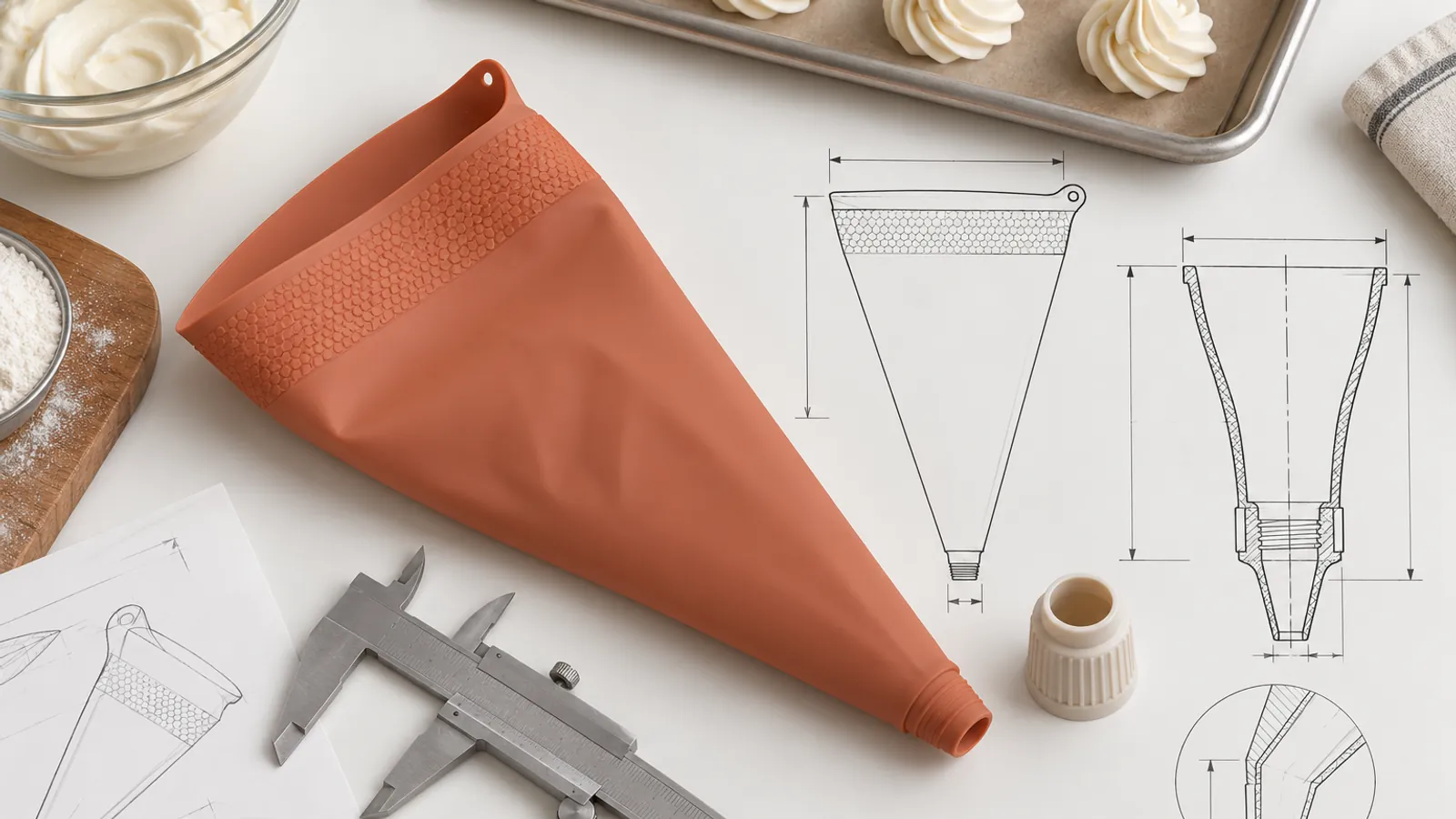
Illustrative scene: review fill rim, grip, wall taper, outlet diameter, coupling and demolding before tooling release.
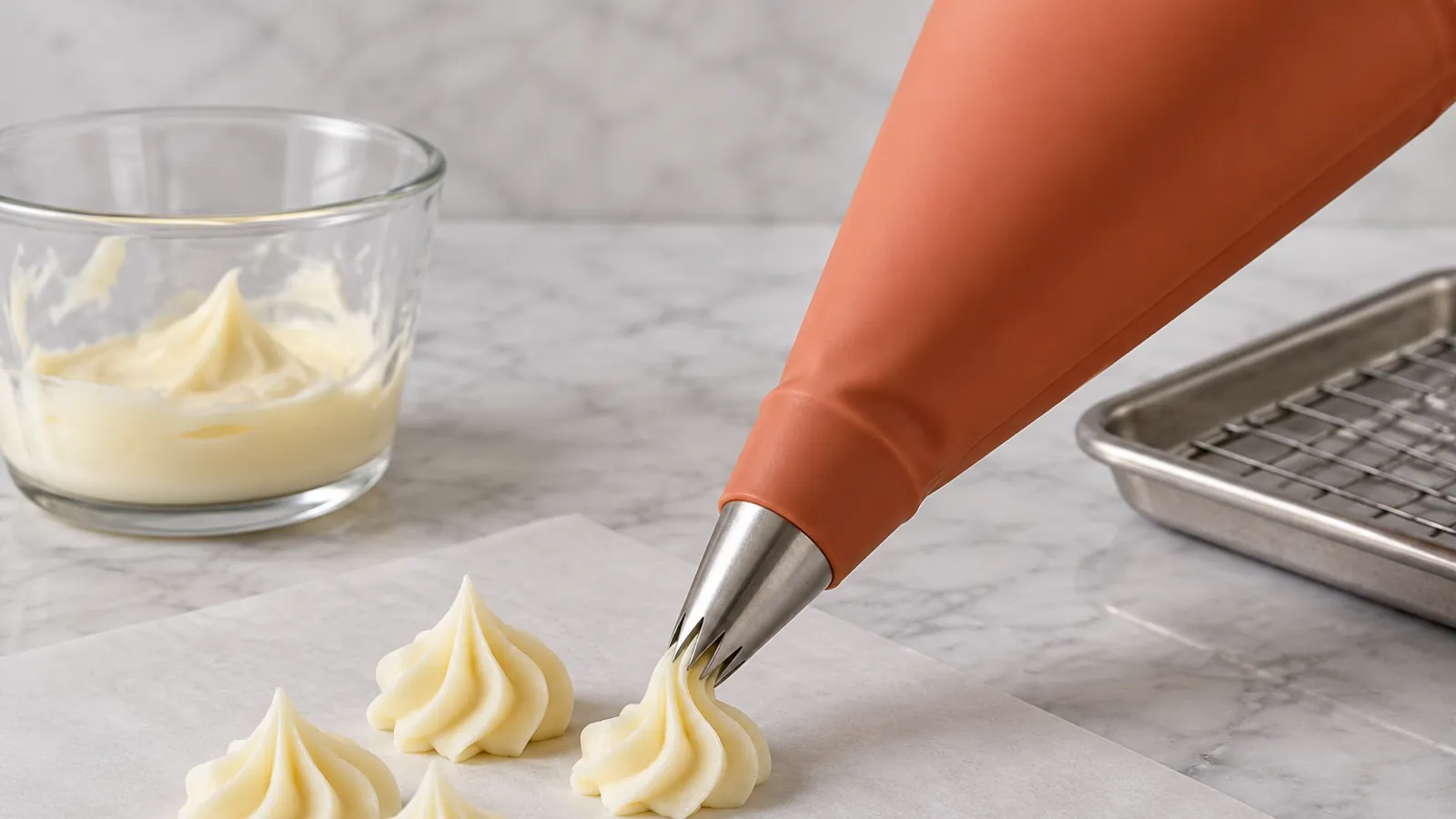
Illustrative scene: define mixture, fill mass, squeeze force, leakage, pattern and cleaning methods on identified samples; this is not test evidence.
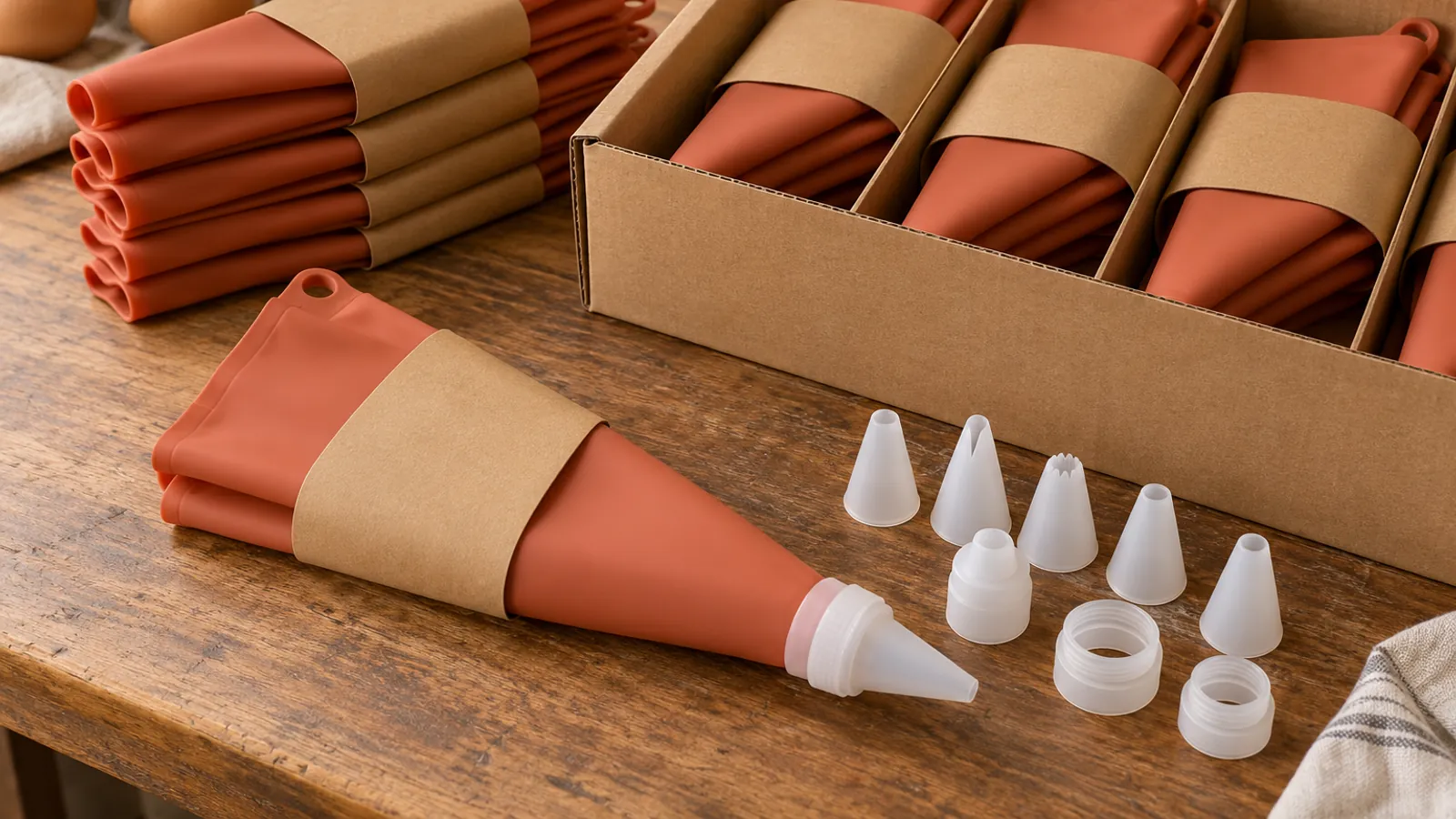
Illustrative scene: approve accessory count, nozzle compatibility, bag fold, sleeve fit and master-carton protection as one selling unit.
B2B SOURCING SNAPSHOT
Final terms depend on the approved specification, packaging, quantity and delivery plan.
| Control Point | Buyer Decision | Approval Basis |
|---|---|---|
| Fill and working volume | Buyer-defined usable fill amount, fill opening and fold-over allowance | Measured with the named mixture and agreed fill method |
| Body and grip | Approved length, taper, local wall sections and grip texture | Drawing, first-article dimensions and representative handling review |
| Outlet interface | Tip opening, optional coupler and buyer-selected nozzle family | Physical fit, retention and leak checks for the exact accessory |
| Dispensing response | Squeeze force, flow control and pattern acceptance for intended mixture | Repeated trials using identified samples and a stated recipe condition |
| Cleaning and evidence | Approved compound, pigment, wash route and food-contact scope | Finished-article and destination-market evidence agreed before claims |
| Commercial pack | Bag count, optional tips, sleeve, carton, MOQ and lead time | Quoted against approved BOM, sample and volume forecast |
Each project is reviewed as a complete product specification.
Set body length, usable fill mass, open rim width and fold-over clearance around the actual operator task.
Tune surface texture and local thickness for the intended mixture, squeezing motion and cleaning access.
Review outlet geometry, coupler seat and compatible tip family; validate each accessory as a separate component.
Approve compound, pigment, molded mark location and any hanging detail without obstructing grip or cleaning.
Review parting, venting, wall balance, tip flash, demolding, trial corrections and signed golden samples.
Coordinate optional nozzles, couplers, care card, sleeve, barcode area, carton count and replacement rules.
B2B BUYER FAQ
These answers define the decisions required before tooling, sampling and a reliable quotation.
Send intended mixture, target fill amount, working temperature, reference bag or drawing, preferred nozzles, destination market, expected volume, colors and pack format. State which accessories are included in the selling unit.
Compatibility is not universal. Provide the actual tip and coupler dimensions or physical samples, then verify retention, leakage and removal on the proposed outlet geometry.
Agree a fill mass or volume for the named mixture, the open-end fold allowance and the dispensing method. Validate the stated capacity on molded samples rather than a CAD volume alone.
Only if squeeze force, flow, outlet retention and user handling pass the agreed trials for both materials. Different wall or tip designs may be required.
Test the intended wash method on the finished bag and any coupler, paying attention to the open rim, outlet, grip texture and any residue traps. Confirm drying and storage instructions before packaging claims.
No. Suitability depends on the actual compound, finished construction, accessory materials, intended conditions and destination market. Request applicable evidence for the released SKU.
Yes, subject to a buyer-approved bill of materials and physical fit check. Accessory supplier, count, material, replacement policy and carton protection should be explicit in the quotation.
Tooling route, bag size, wall design, color split, accessory sourcing, sample rounds, testing and packout all affect commercial terms. Confirm those terms against the approved brief and current production schedule.
CATEGORY-SPECIFIC REVIEW
Release, heat exposure, shape support and repeated-use durability.
Draft, radii, detail definition and balanced wall thickness.
Cake forms, pastry trays, mats, cups and coordinated tools.
Prototype handling, baking tests, packaging and approved samples.
INQUIRY CHECKLIST
Providing clear requirements helps us evaluate tooling, samples, price and lead time.
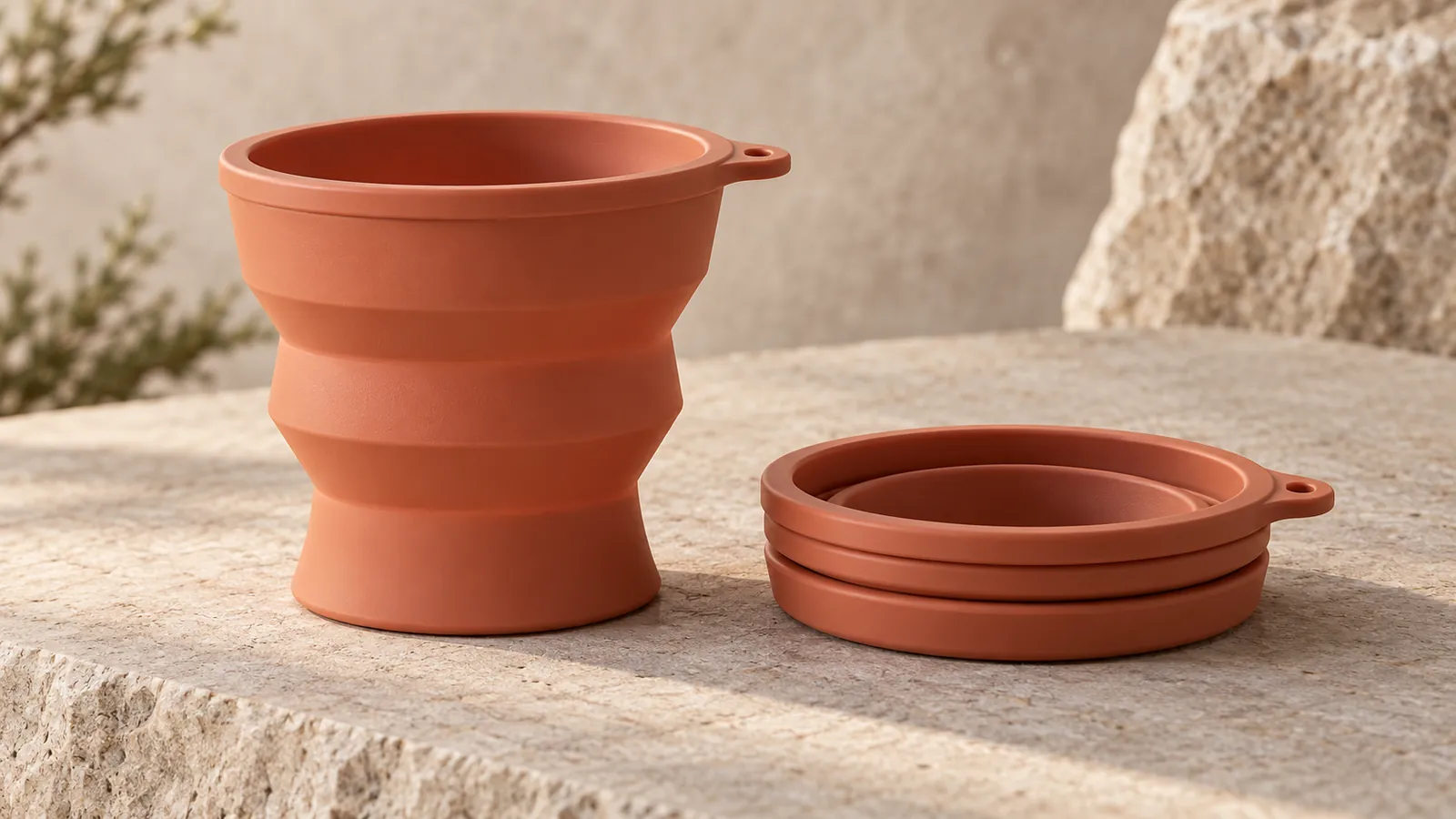
A buyer-defined collapsible silicone camping cup concept engineered around usable capacity, compact storage, recovery, grip and retail packaging.
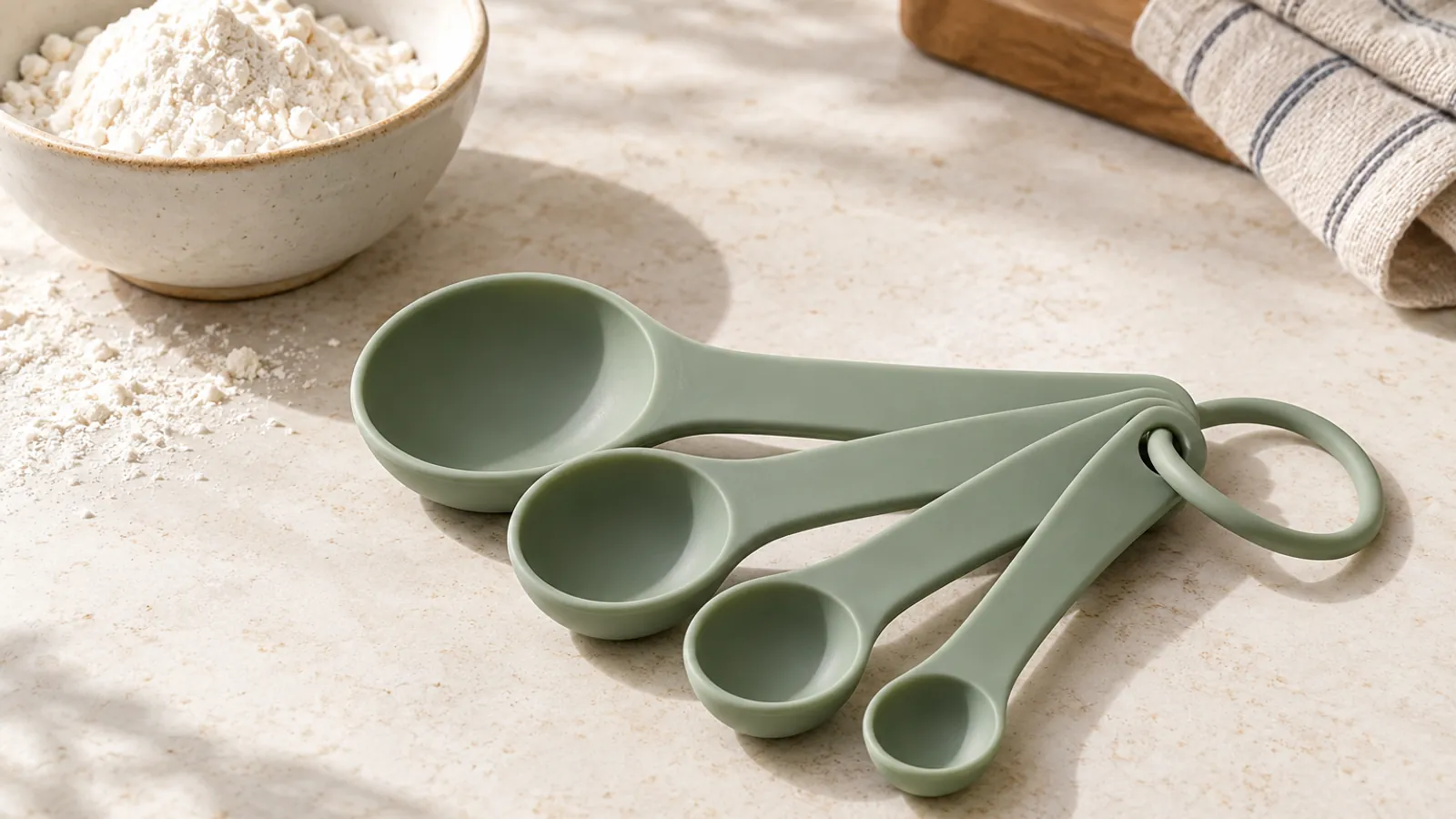
A custom multi-size silicone measuring-spoon set specified around capacity, rim leveling, nesting, cleaning and retail pack-out.
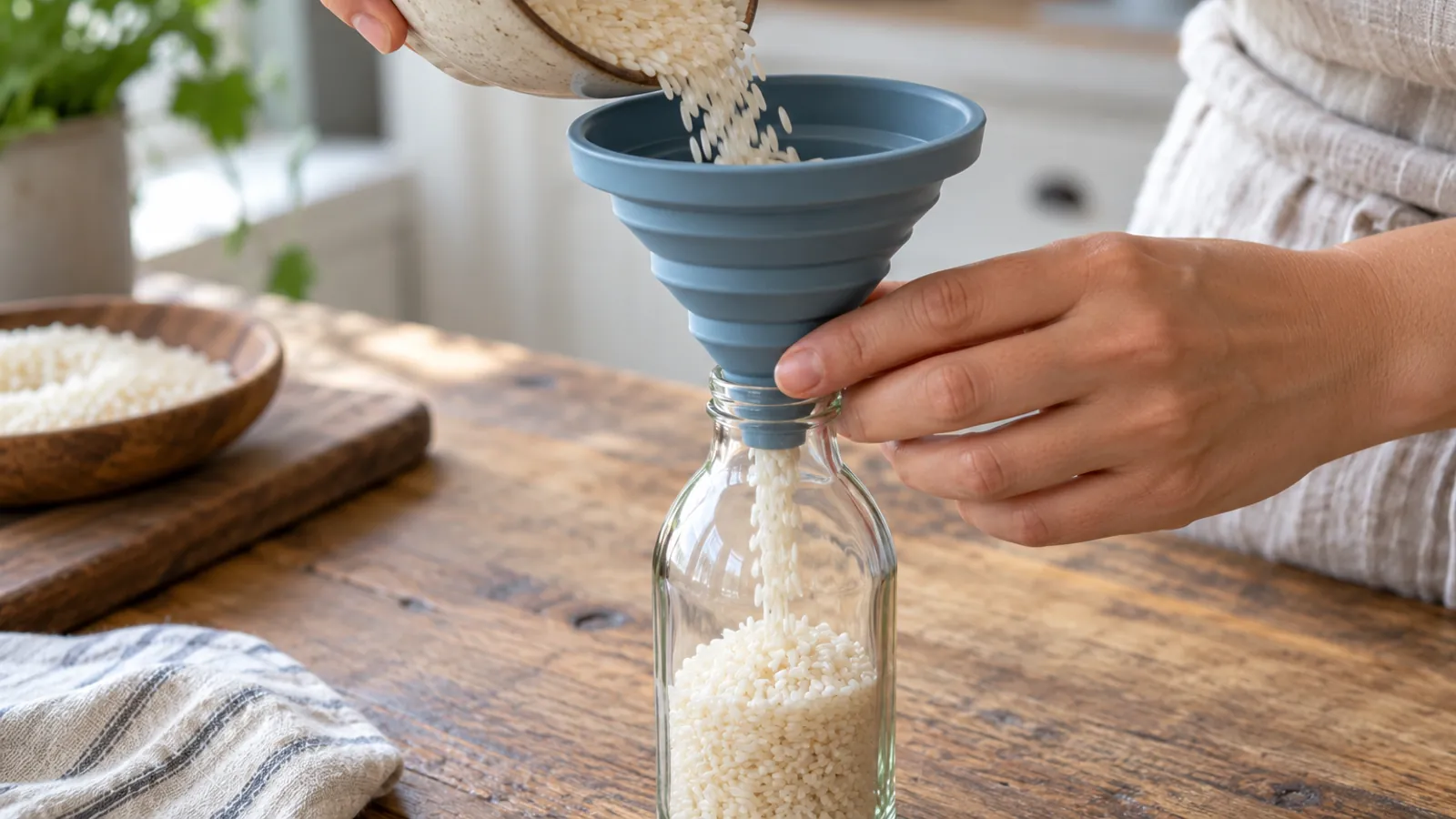
A fold-flat silicone transfer funnel specified around bottle-neck fit, fill material, flow, cleaning and buyer-approved pack-out.
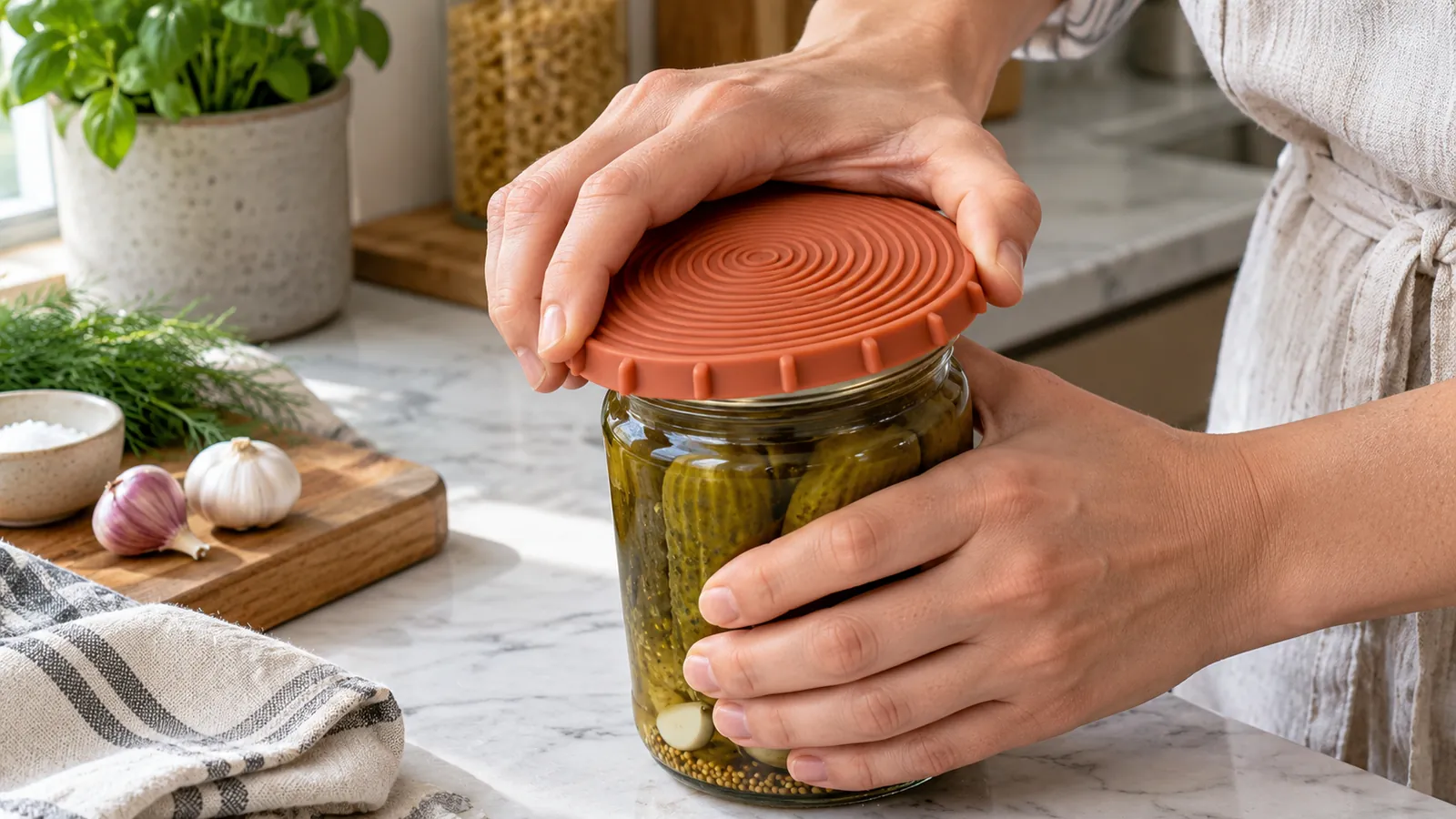
A flexible silicone grip pad developed around named jar-lid diameters, hand contact, texture depth, cleaning and retail pack-out rather than generic anti-slip claims.
B2B PROJECT INQUIRY
Share the intended product, destination market, order quantity and launch plan. Our project team will review the information and identify the next practical step.
Drawings are helpful but not required. A sketch, reference photo or physical sample can be used for an initial discussion.
GENERAL SOURCING INQUIRY