
Buyer-Owned Cavity Artwork
Convert original paw, bone, character or geometric artwork into rounded, measurable features with practical fill paths and mold release.
CUSTOM PET FEEDING
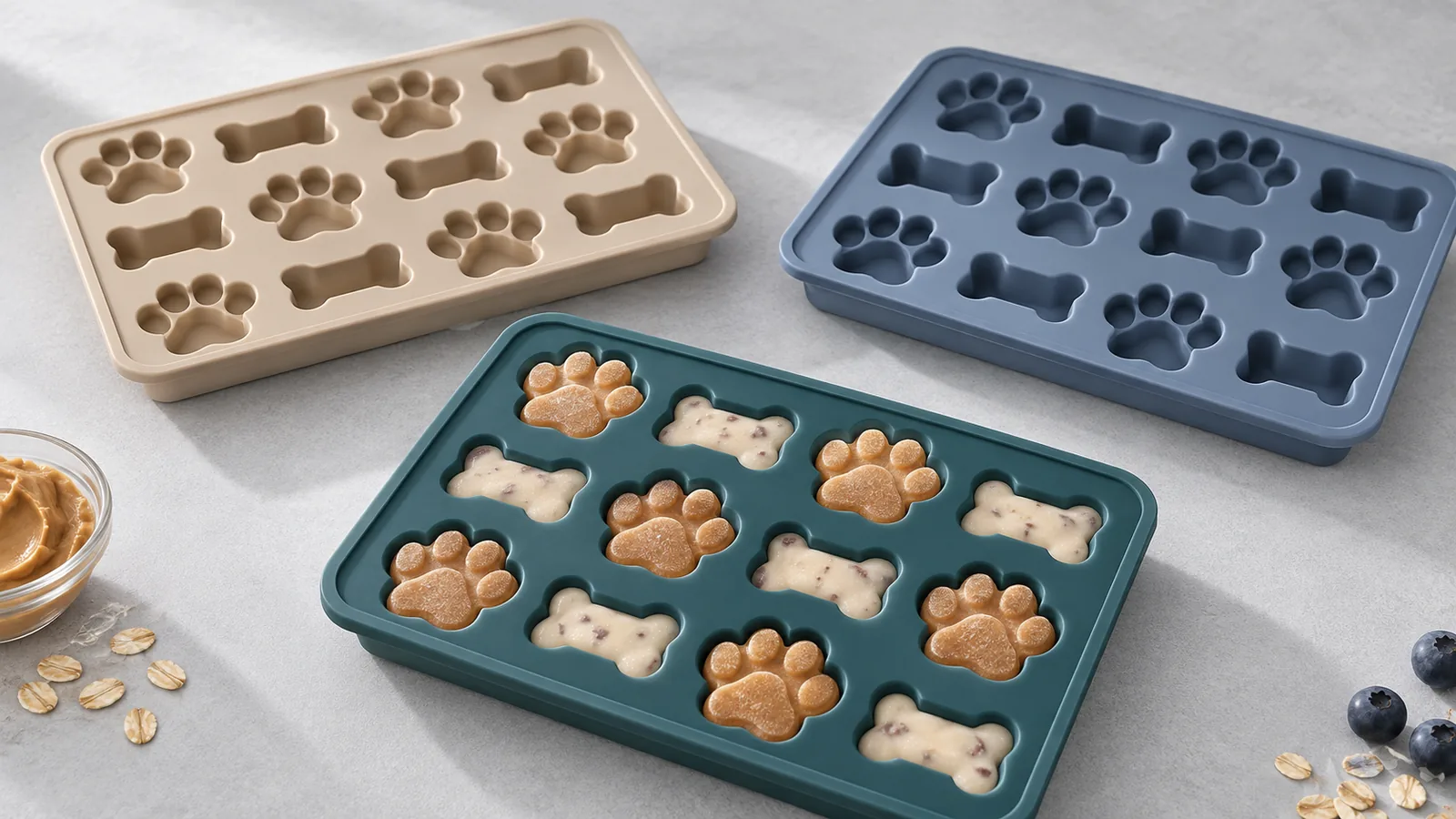
PRODUCT OVERVIEW
A custom silicone freezer pet treat mold gives pet brands control over portion shape, cavity volume, tray stiffness and retail identity in one finished SKU. This paw-and-bone concept combines twelve shallow cavities with a reinforced perimeter and rounded internal transitions. Naike Silicone can translate buyer-owned artwork into a manufacturable cavity family, but each outline must be reviewed for filling, freezing, release and cleaning rather than treated as decoration alone.
The development brief should define the intended recipe family, target frozen portion mass, cavity count, maximum tray footprint, freezer and storage method, release action and package format. Those inputs guide cavity depth, draft, corner radii, spacing, web thickness, rim support, underside structure, mold split and venting. A physical sample trial should document fill consistency, dimensional control, demolding behavior, tray recovery and post-pack flatness under agreed conditions.
The private-label program also needs a named silicone specification, color allocation, molded brand zone, care instructions and selling-unit configuration. Food-contact evidence, freezer-use language and performance statements depend on the finished compound, pigments, recipe, temperature range and destination market. Tooling cost, MOQ, sample timing, price, available capacity and delivery remain conditional on the approved drawing, validation plan, color mix, packaging and current production schedule.
Product page updated:
Request a B2B QuotationENGINEERING & APPROVAL EVIDENCE
Each stage addresses a different purchasing risk: manufacturability, functional fit and private-label presentation.
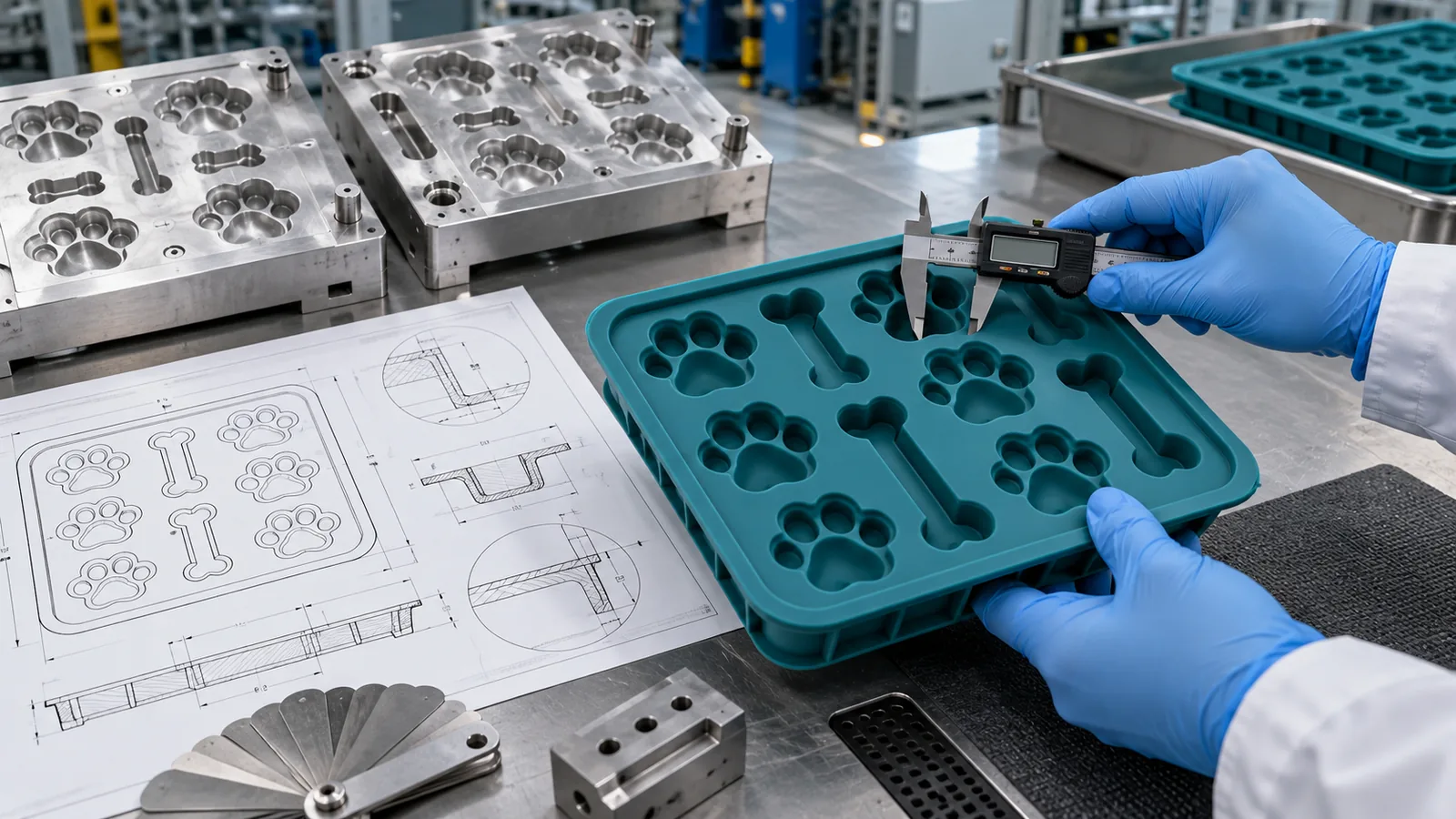
Cavity draft, feature radii, depth, web balance, venting and perimeter support are reviewed together before mold release.
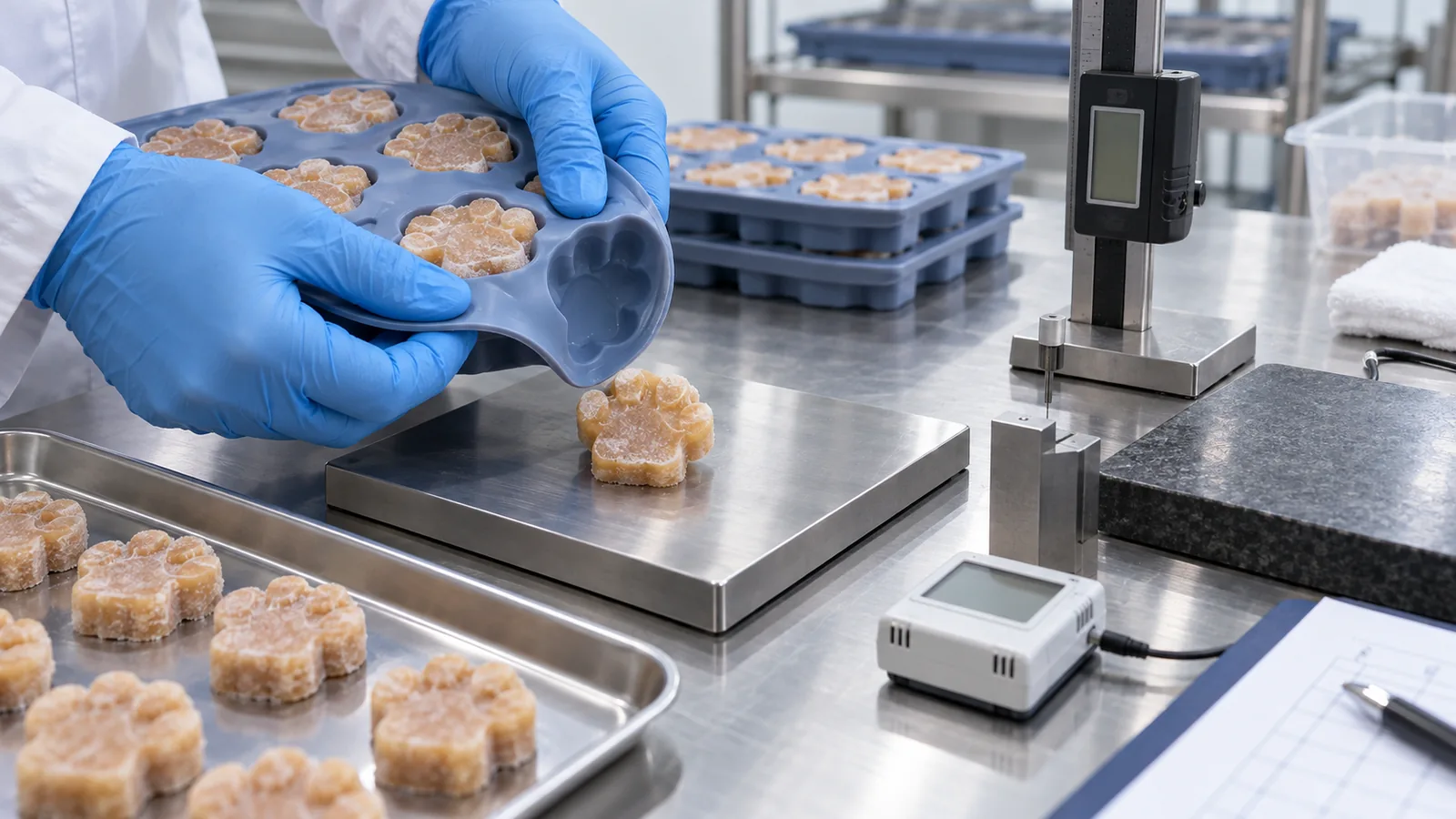
A documented trial connects the approved recipe, conditioning temperature and release method with portion integrity, tray recovery and dimensional checks.
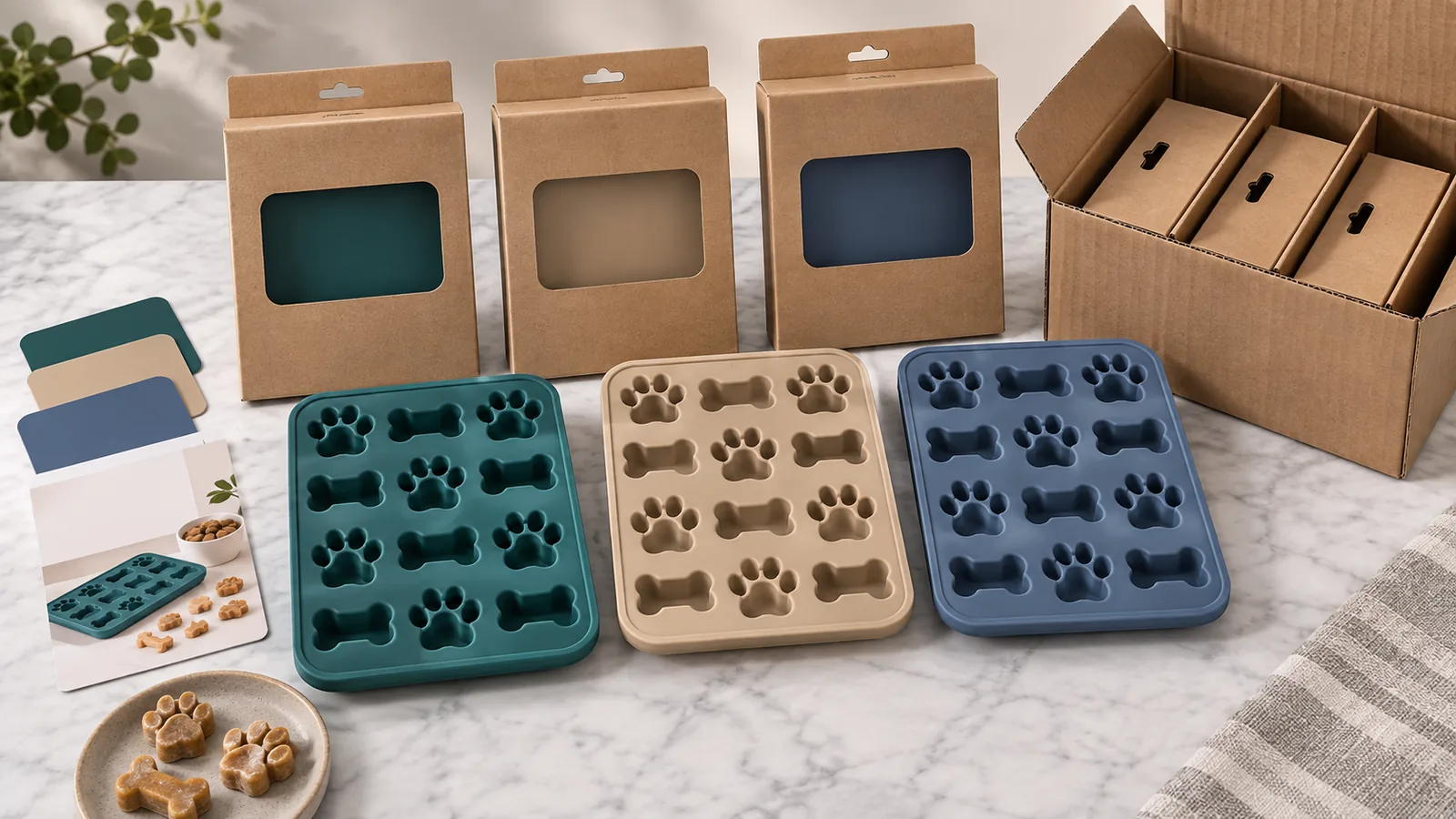
Color allocation, tray orientation, blank sleeve structure, care-card space and export protection are approved against the same selling-unit revision.
B2B SOURCING SNAPSHOT
Final terms depend on the approved specification, packaging, quantity and delivery plan.
| Control Point | Buyer Decision | Approval Basis |
|---|---|---|
| Portion architecture | Paw, bone or buyer-owned outline, cavity count, working volume, depth and spacing | Controlled by a dimensioned drawing, fill check and approved molded sample |
| Cavity release | Draft, radii, surface finish, web flexibility and defined demolding action | Reviewed with the agreed recipe, conditioning temperature and release method |
| Tray support | Overall footprint, reinforced rim, web thickness, underside ribs and handling zones | Checked for fill handling, freezer placement, flatness and recovery under documented conditions |
| Material and evidence | Silicone grade, cure route, hardness, pigment, finish and intended contact | Finished-SKU evidence reviewed for the named market and use instead of assumed from a generic report |
| Private-label identity | Molded mark, Pantone-referenced colors, instructions, sleeve or box | Approved through artwork, physical color references and a packed golden sample |
| Commercial release | Tooling, cavity plan, colors, MOQ, price, capacity and shipment window | Quoted after the drawing, validation, package, quantity and current schedule are confirmed |
Each project is reviewed as a complete product specification.
Convert original paw, bone, character or geometric artwork into rounded, measurable features with practical fill paths and mold release.
Coordinate cavity volume, count, spacing and overall footprint around the target recipe, pet size and freezer envelope.
Balance reinforced handling edges, flexible cavity webs and optional underside support without creating hard-to-clean traps.
Select draft, internal radii and surface finish against a named frozen recipe and buyer-approved demolding method.
Confirm silicone specification, hardness, physical color standard and a molded logo zone outside critical cavity geometry.
Plan sleeve or box dimensions, care card, barcode area, color mix, nesting protection and export-carton orientation after sample approval.
B2B BUYER FAQ
These answers define the decisions required before tooling, sampling and a reliable quotation.
Send the intended recipe family, target portion size, cavity artwork, tray footprint, cavity count, first-order quantity, destination market, colors, logo file and packaging concept. A sketch, reference tray or CAD file helps define the DFM scope.
Yes, when the buyer owns the artwork and the features can be converted into adequate draft, smooth radii, balanced spacing and practical depth. Fine undercuts or narrow details may require simplification before tooling.
The drawing defines nominal cavity geometry, while a sample check records actual fill mass or volume using the buyer-agreed medium and method. Results apply to that recipe condition and should not be generalized to every formulation.
Buyer and factory should agree the recipe, fill level, conditioning temperature and duration, release action, sample count and acceptance criteria. Oil, sugar, water content and temperature can all change release behavior.
Flatness and handling depend on footprint, rim section, web thickness, fill mass, support surface and temperature. Approve a documented filled-tray handling test on the final sample rather than assuming stiffness from silicone alone.
Define the destination, ingredients, contact duration, temperature range and finished colors first. The applicable compound, pigment and finished-product evidence is then reviewed for that scope; a report for another material is not a universal certificate.
Yes. Pantone-referenced colors, a manufacturable molded mark, sleeves, boxes, care cards and multipacks can be developed. Physical colors, artwork and a packed golden sample require approval before production.
Tray size, cavity artwork, feature depth, mold cavities, compound, color allocation, validation, packaging quantity, order volume and current capacity all affect the project. Commercial figures are confirmed against the approved specification and actual production window.
CATEGORY-SPECIFIC REVIEW
Species, size, feeding behavior, food type and supervision conditions.
Capacity, maze spacing, access, stability, grip and easy-clean transitions.
Coordinated sizes, colors, bowls, mats and travel formats for the target channel.
Drawings, material scope, physical samples, functional methods and packed SKU references.
INQUIRY CHECKLIST
Providing clear requirements helps us evaluate tooling, samples, price and lead time.
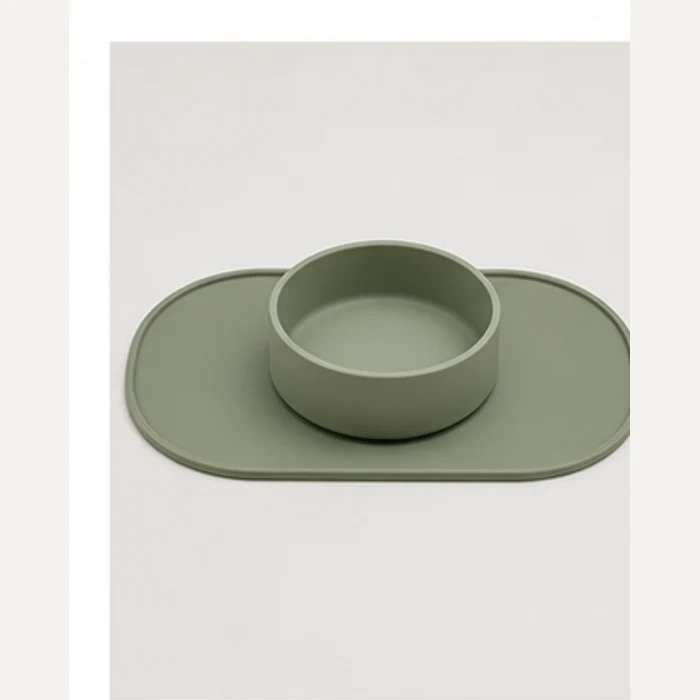
Raised-edge feeding surface developed to protect floors and organize bowls.
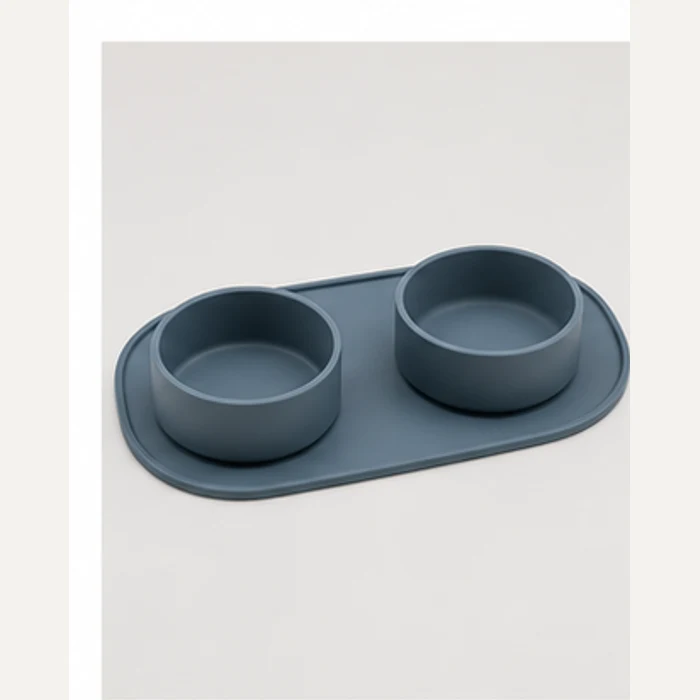
Flexible easy-clean bowl with a broad stable base for everyday feeding.
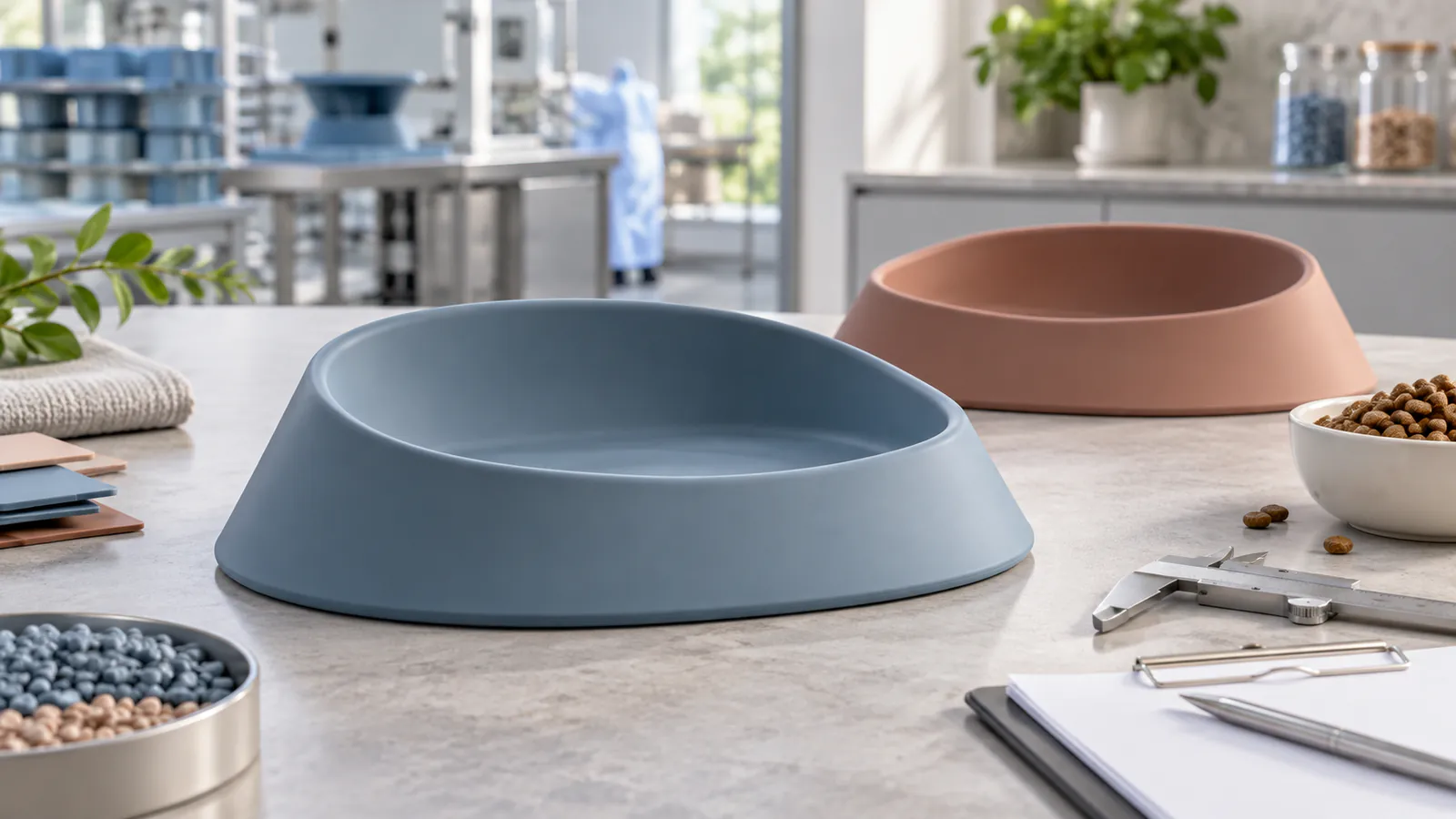
A private-label cat bowl developed around whisker clearance, accessible food depth, controlled portions, floor stability and a buyer-defined retail pack.
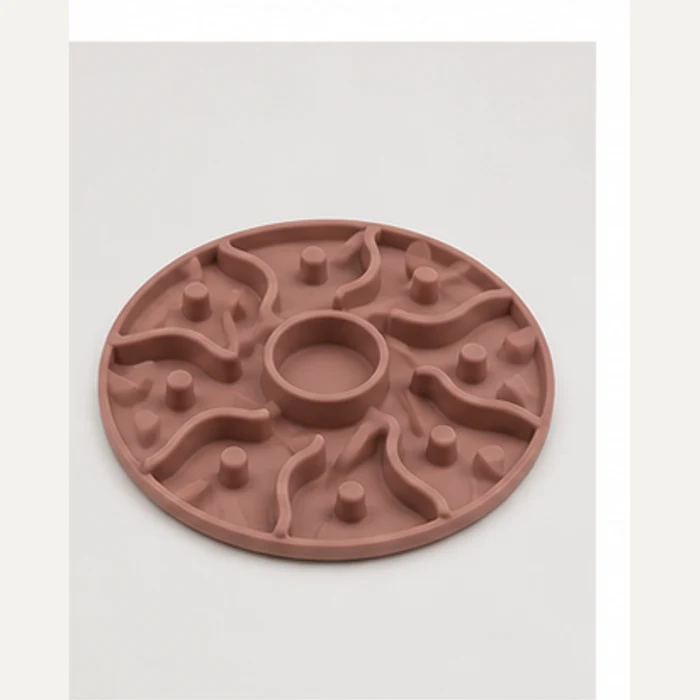
Maze-style bowl that separates food into controlled feeding paths.
B2B PROJECT INQUIRY
Share the intended product, destination market, order quantity and launch plan. Our project team will review the information and identify the next practical step.
Drawings are helpful but not required. A sketch, reference photo or physical sample can be used for an initial discussion.
GENERAL SOURCING INQUIRY