
Whisker-Access Geometry
Set the opening span, low approach edge, wall profile and internal radii around the target cat and meal format.
CUSTOM PET FEEDING
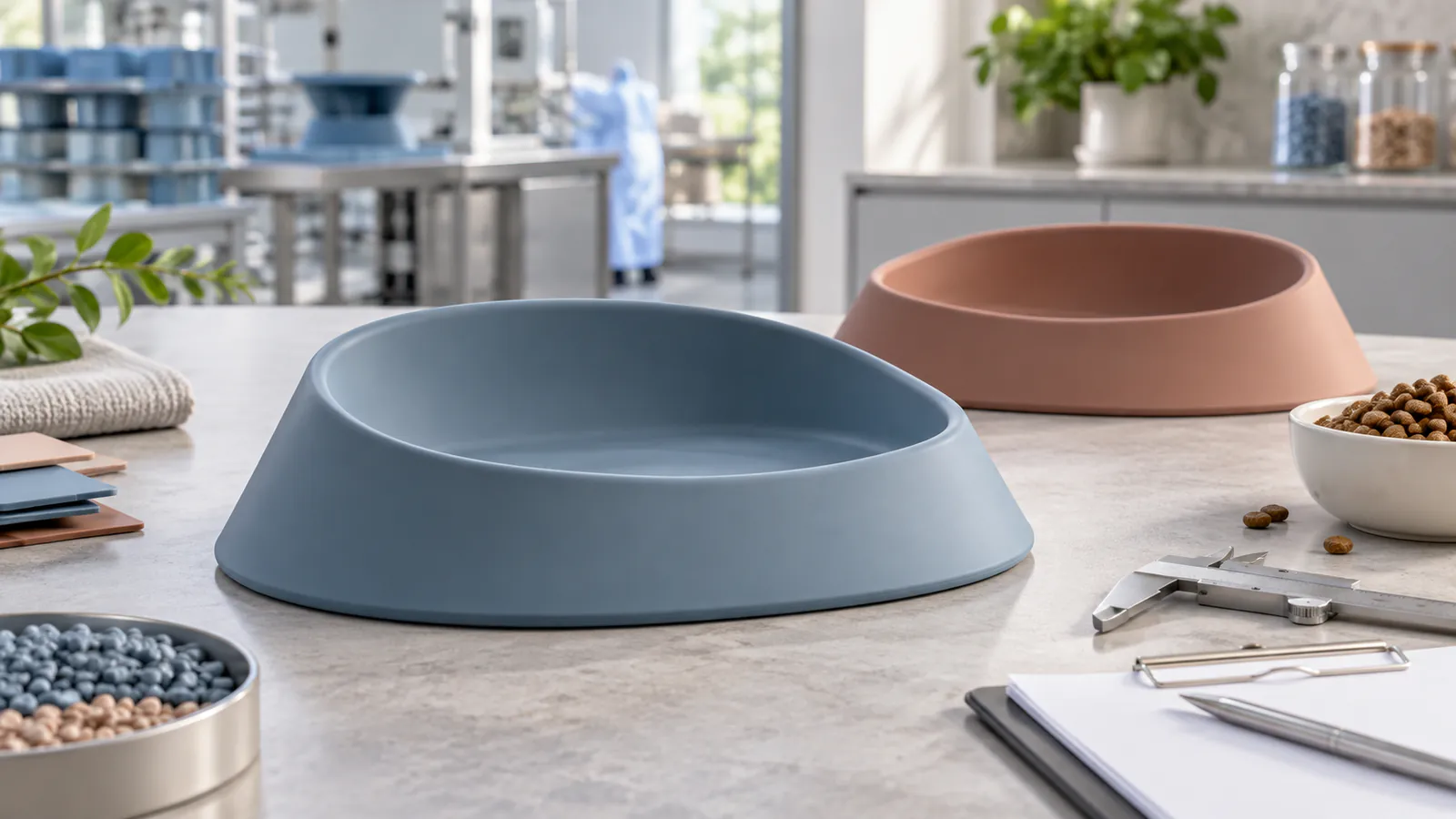
PRODUCT OVERVIEW
A custom wide-shallow silicone cat feeding bowl lets pet brands define the relationship between opening diameter, food-well depth, rim access and usable portion size instead of accepting a generic round bowl. This concept uses a broad oval footprint, a low entry edge and a gently raised rear wall so a cat can approach food without reaching into a narrow, deep cavity. Whisker-clearance language still needs to be tied to the approved dimensions and intended cat profile rather than presented as a universal comfort claim.
The engineering brief should state the target meal type, usable capacity, fill line, overall footprint, entry height, rear-wall height, internal radii, floor surface and cleaning method. Those inputs guide wall section, base thickness, underside contact geometry, draft, parting line, logo position and mold venting. A physical sample can then be checked for dimensions, filled handling, tipping tendency, sliding behavior on defined surfaces, food access and washability under buyer-agreed conditions.
The commercial program also needs a named silicone specification, physical color references, molded branding, packaging orientation and finished-SKU evidence for the destination market. Food-contact, dishwasher-use and performance statements depend on the final compound, pigments, geometry, use conditions and applicable documentation. Tooling cost, MOQ, unit price, available capacity, sample timing and production lead time remain conditional on the approved drawing, validation plan, color allocation, pack-out and current factory schedule.
Product page updated:
Request a B2B QuotationENGINEERING & APPROVAL EVIDENCE
Each stage addresses a different purchasing risk: manufacturability, functional fit and private-label presentation.
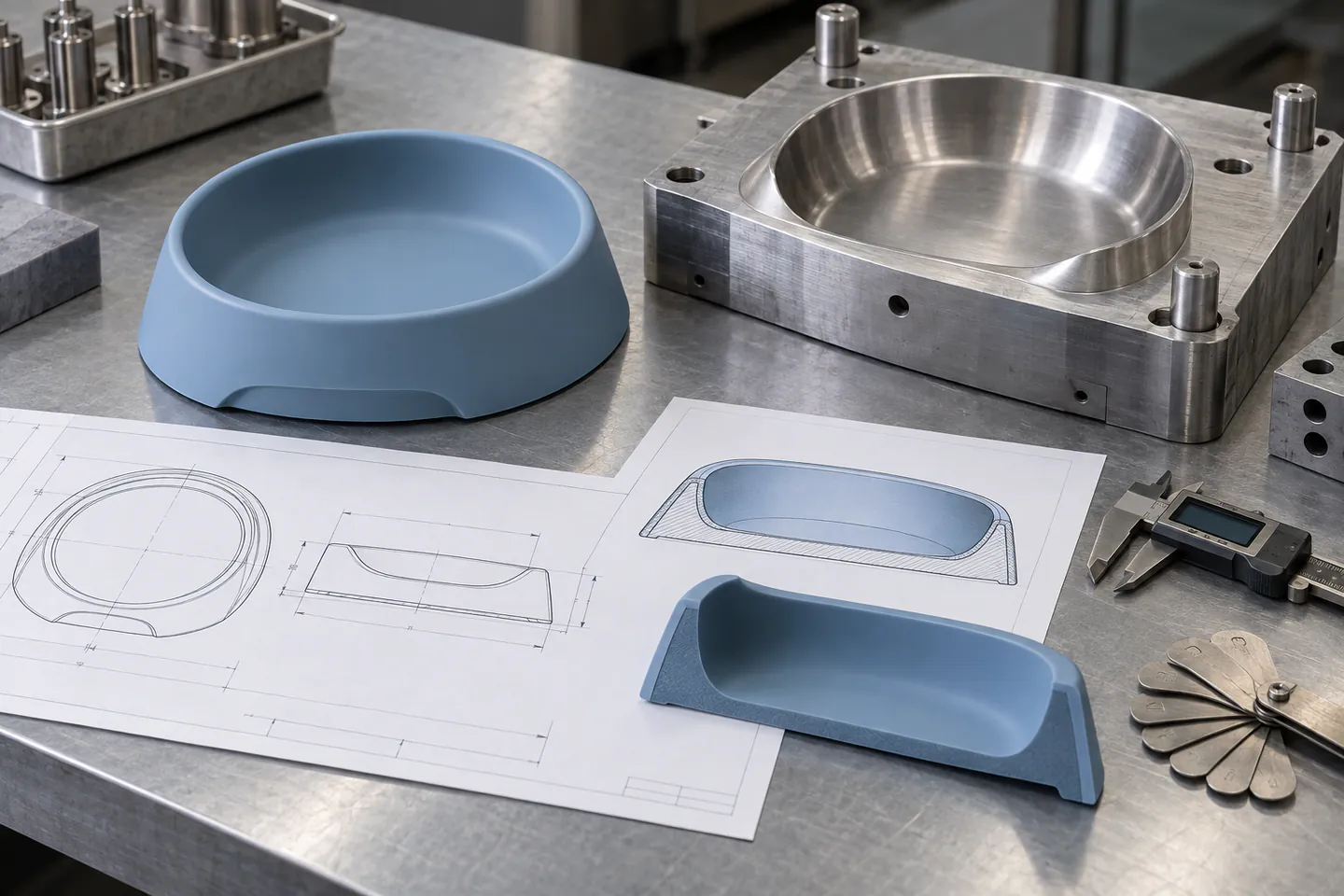
Opening width, rim transitions, draft, wall section, base contact and logo placement are reviewed together before tooling release.
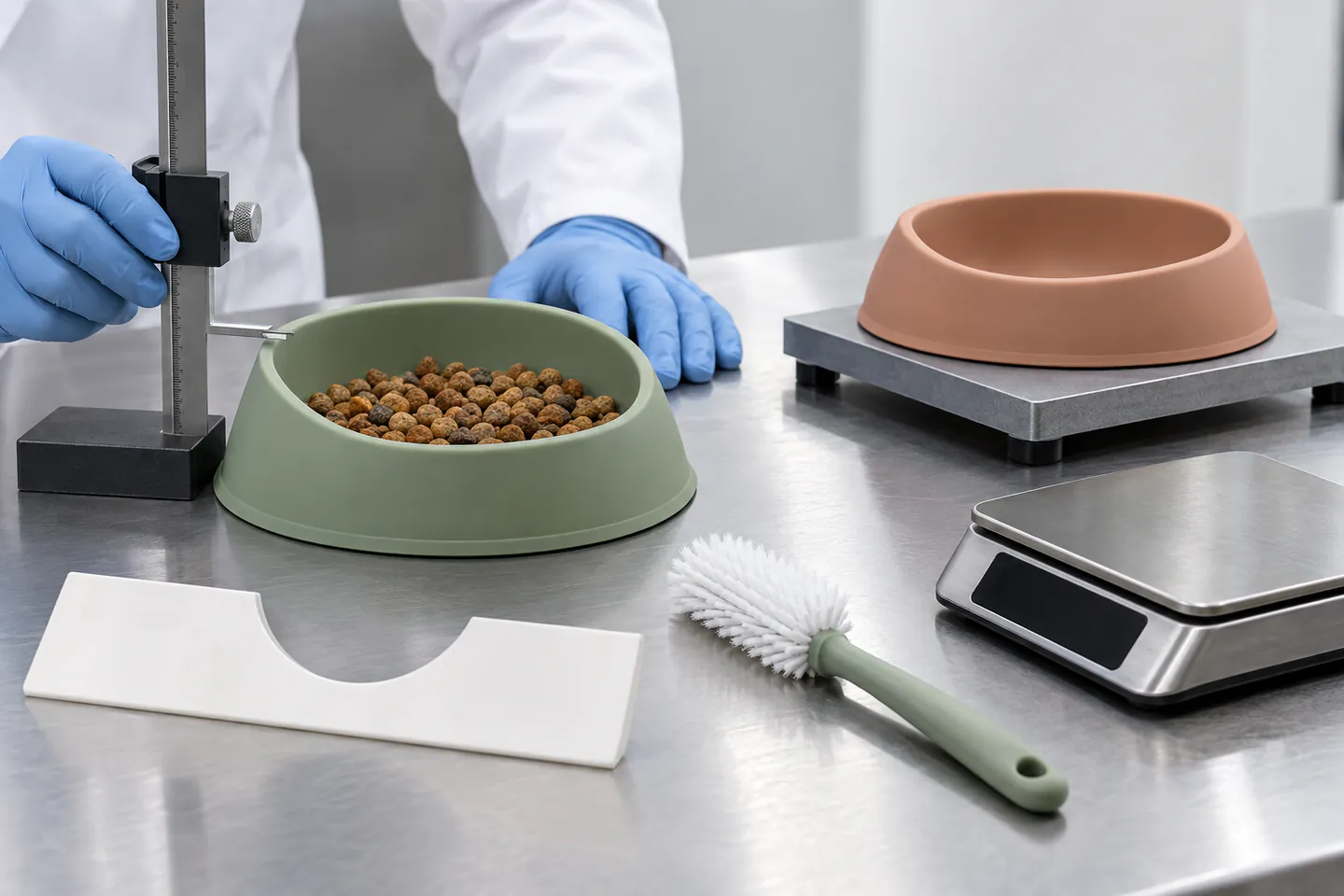
A documented sample trial connects the agreed fill, support surface and loading direction with usable capacity, sliding and tipping observations.
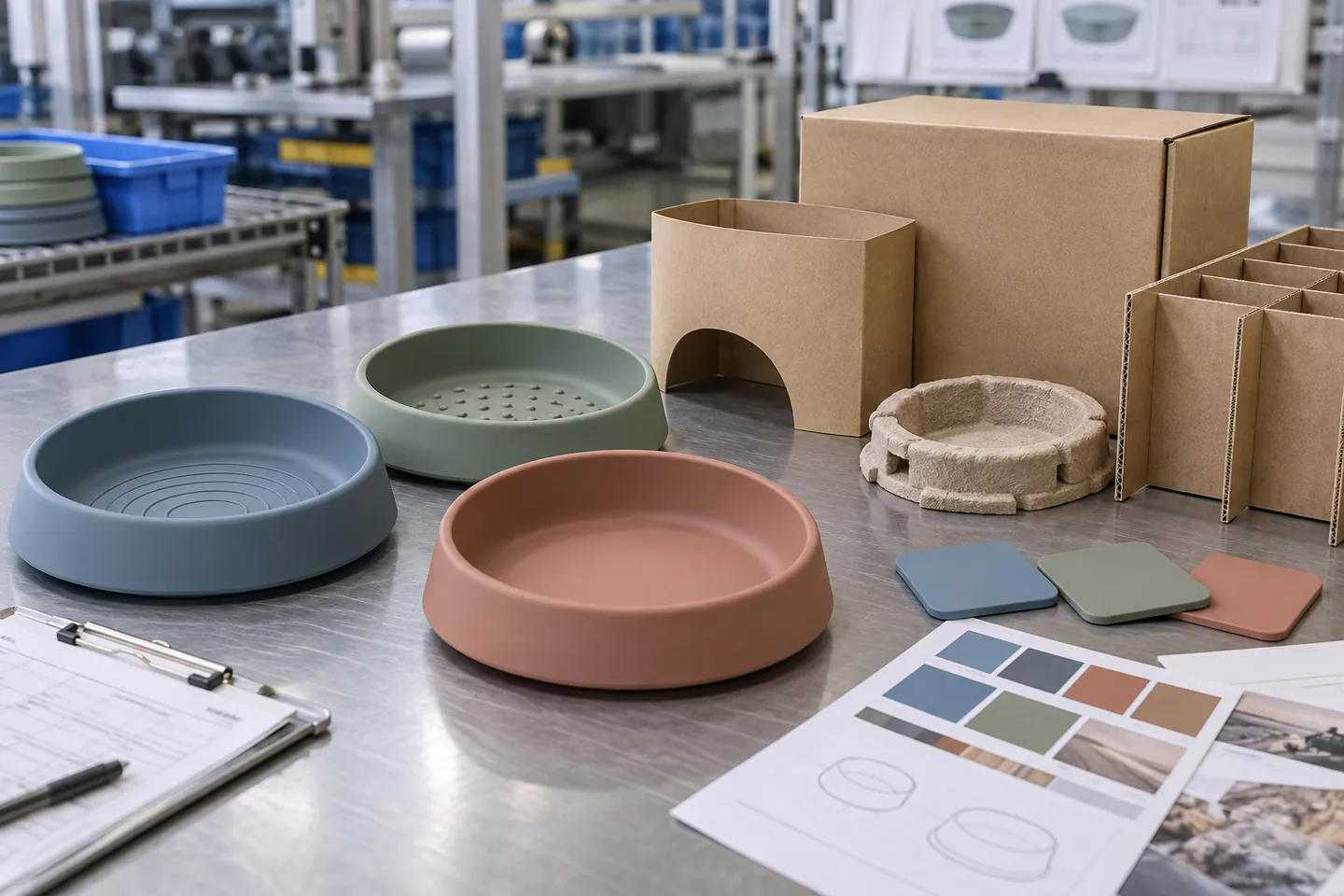
Physical colors, bowl orientation, insert structure, care information and export protection are approved against one packed golden sample.
B2B SOURCING SNAPSHOT
Final terms depend on the approved specification, packaging, quantity and delivery plan.
| Control Point | Buyer Decision | Approval Basis |
|---|---|---|
| Bowl architecture | Wide oval opening, low front access, raised rear wall and smooth internal transitions | Controlled by a dimensioned drawing and approved molded sample |
| Usable portion | Target fill mass or volume, working depth and optional reference line | Measured with the buyer-agreed wet or dry food and fill method |
| Cat access | Opening span, entry height, rear-wall height and internal radius | Reviewed for the named cat profile; no geometry guarantees universal whisker comfort |
| Floor stability | Footprint, base thickness, underside contact ring and optional texture | Checked on defined clean, dry and wet surfaces with an agreed load and force direction |
| Material and evidence | Silicone grade, cure route, hardness, pigment, finish and intended contact | Finished-SKU evidence reviewed for the destination and use instead of inferred from a generic report |
| Commercial release | Tooling, colors, MOQ, price, capacity, packaging and shipment window | Confirmed after drawing, validation, quantity, pack-out and current schedule approval |
Each project is reviewed as a complete product specification.
Set the opening span, low approach edge, wall profile and internal radii around the target cat and meal format.
Develop one or more footprints and usable capacities for kitten, adult-cat or multi-SKU feeding programs.
Tune contact-ring width, base mass, underside texture and optional mat integration for a named countertop or floor condition.
Confirm silicone specification, hardness, finish and physical Pantone-referenced color standards for each production colorway.
Place a manufacturable logo on the outer wall, base or controlled accent area without creating a food or cleaning trap.
Coordinate sleeve or box dimensions, insert, care card, barcode zone, nesting protection and export-carton orientation after sample approval.
B2B BUYER FAQ
These answers define the decisions required before tooling, sampling and a reliable quotation.
Send the target cat profile, meal type, usable portion, preferred opening and rim dimensions, first-order quantity, destination market, colors, logo file and packaging concept. A reference sample, sketch or CAD file helps define the DFM scope.
The answer depends on the target cat, portion size, food format and acceptable overall footprint. We review opening span, entry height, rear-wall height and working depth together, then confirm the decision with a dimensioned sample.
That wording should be supported by the approved broad-opening geometry and the brand's substantiation for its target user group. Because cats and feeding behavior vary, we do not treat one dimension as a universal comfort guarantee.
It can be evaluated for both, but usable volume, food spread, edge access and cleaning behavior differ by recipe. Define representative wet and dry foods so the sample plan can cover both conditions.
Buyer and factory agree the bowl load, surface material, surface condition, force direction, sample count and acceptance criteria. Results apply to those test conditions and can change with dust, water, oil, floor texture or user force.
First define the destination, contact food, temperature range, duration and finished colors. The relevant compound, pigment and finished-product evidence is then reviewed for that scope; documentation for another formulation is not a universal certificate.
Yes. Pantone-referenced colors, manufacturable molded marks, sleeves, boxes, care cards and multipacks can be developed. Physical colors, final artwork and a packed golden sample require approval before mass production.
Bowl size, wall and base structure, mold cavities, compound, color allocation, validation, packaging quantity, order volume and current capacity all affect the project. Commercial figures are confirmed against the approved specification and actual production window.
CATEGORY-SPECIFIC REVIEW
Species, size, feeding behavior, food type and supervision conditions.
Capacity, maze spacing, access, stability, grip and easy-clean transitions.
Coordinated sizes, colors, bowls, mats and travel formats for the target channel.
Drawings, material scope, physical samples, functional methods and packed SKU references.
INQUIRY CHECKLIST
Providing clear requirements helps us evaluate tooling, samples, price and lead time.
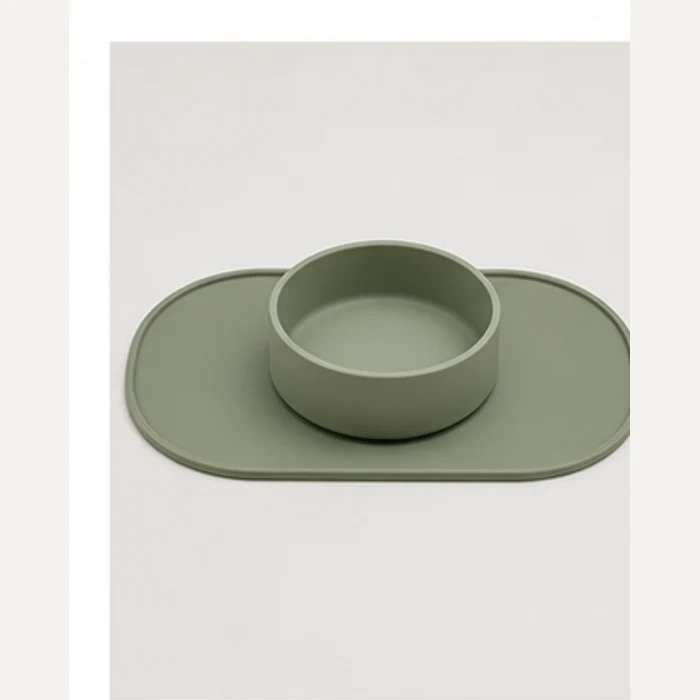
Raised-edge feeding surface developed to protect floors and organize bowls.
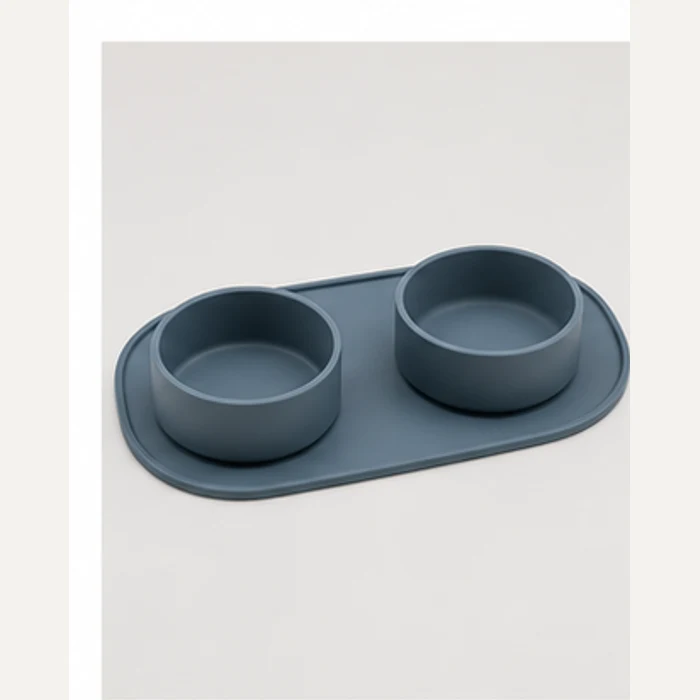
Flexible easy-clean bowl with a broad stable base for everyday feeding.
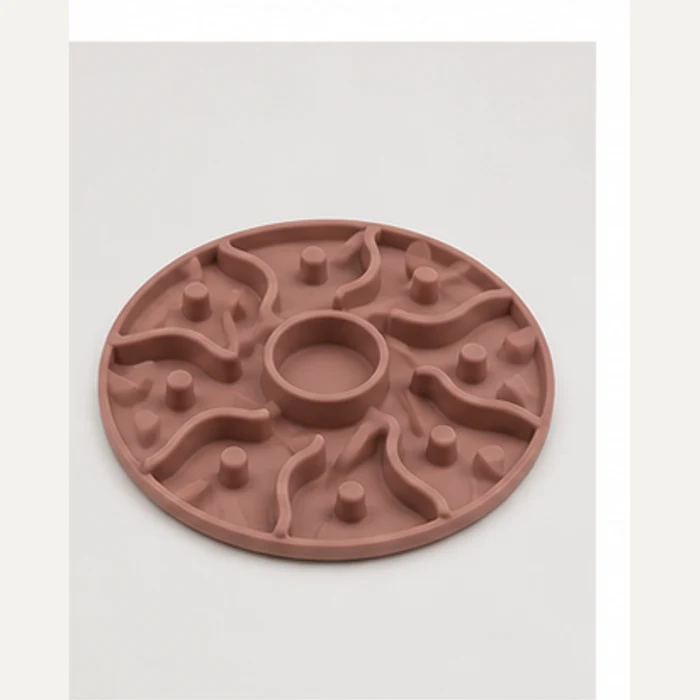
Maze-style bowl that separates food into controlled feeding paths.
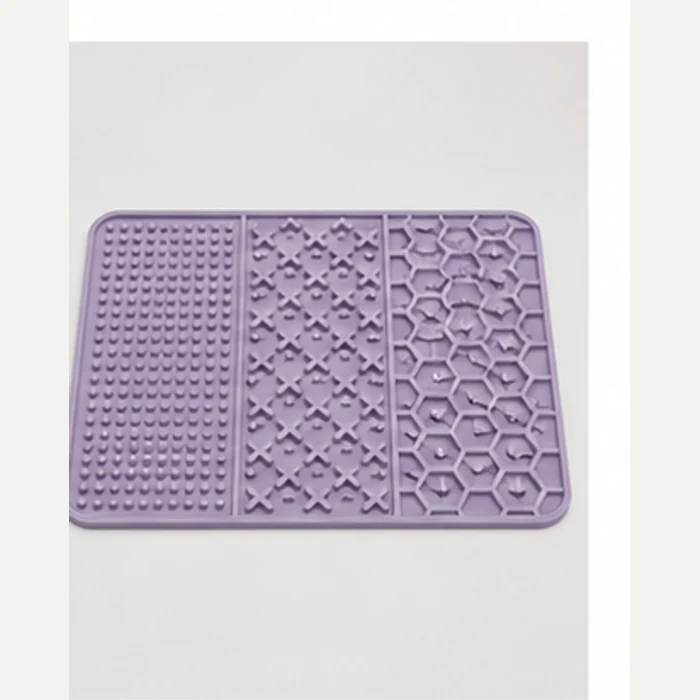
Textured enrichment surface for spreadable treats and supervised feeding.
B2B PROJECT INQUIRY
Share the intended product, destination market, order quantity and launch plan. Our project team will review the information and identify the next practical step.
Drawings are helpful but not required. A sketch, reference photo or physical sample can be used for an initial discussion.
GENERAL SOURCING INQUIRY