
Portion Family
Develop one or several nominal scoop sizes around the buyer's feed program and documented fill method.
CUSTOM PET FEEDING
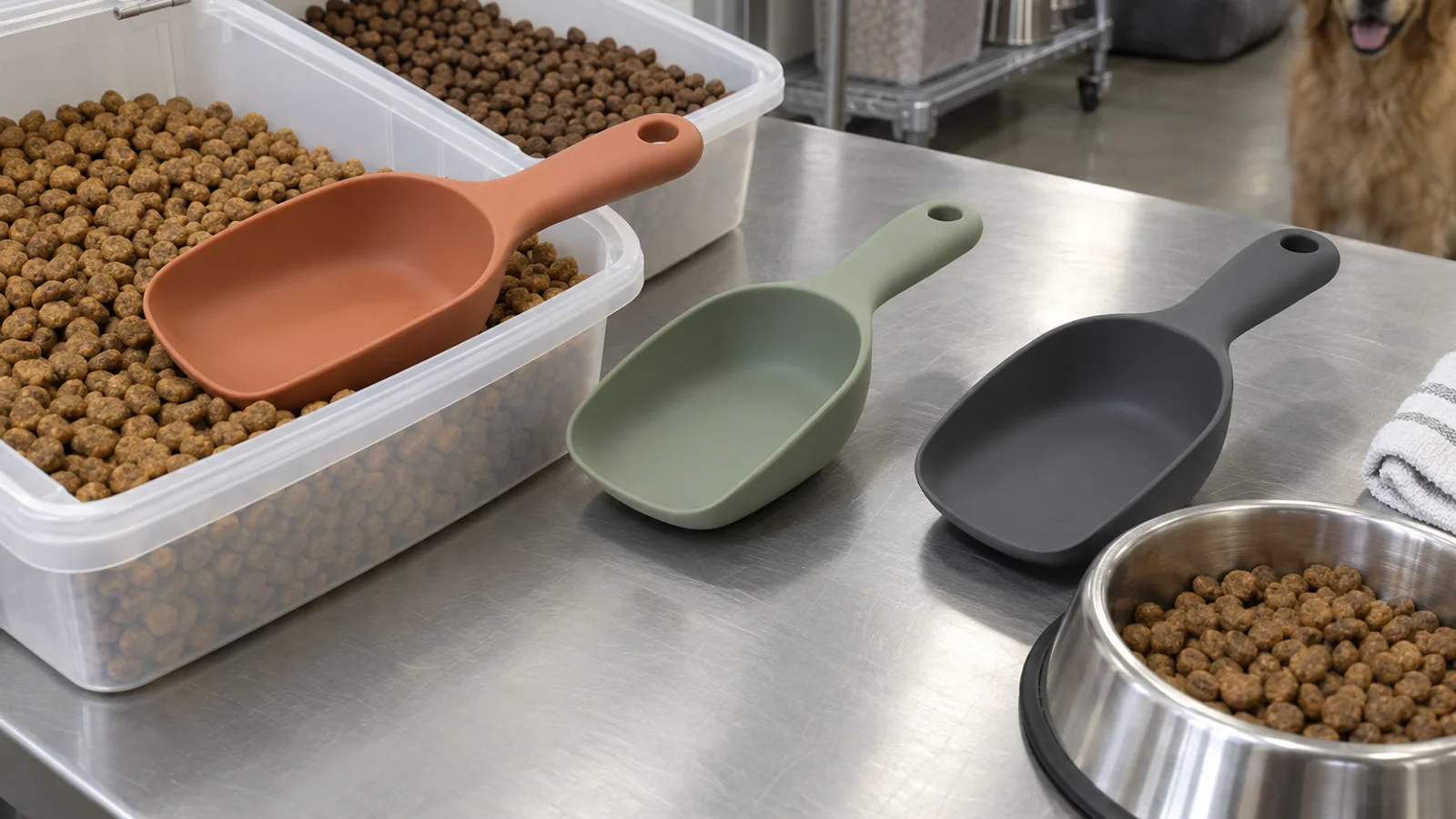
PRODUCT OVERVIEW
A custom silicone pet food scoop should transfer the buyer's named kibble or supplement without an unstable bowl, uncomfortable grip or uncontrolled handle flex. Naike Silicone develops nominal portion volume, bowl depth, front lip, sidewall draft, handle length, local reinforcement, hanging feature and surface finish around the feed format, storage bin, hand position and retail program.
The engineering brief should state target serving volume, acceptable tolerance, kibble size and bulk density, fill and leveling method, handle load, storage method, cleaning route, color allocation, molded marking and selling unit. These inputs guide wall balance, rib placement, parting line, venting, flash boundaries, demolding and whether a one-piece construction can meet both portioning and handling requirements.
Portion consistency, handle recovery, cleaning and temperature statements require evidence for the finished design under agreed conditions. Buyers should define representative feed, conditioning, fill technique, repetitions, weighing method and acceptance criteria. Material, tooling, MOQ, price, samples, documentation and timing are confirmed only after drawing, sample and validation-plan approval; nominal scoop volume should not be presented as a veterinary feeding recommendation.
Product page updated:
Request a B2B QuotationENGINEERING & APPROVAL EVIDENCE
Each stage addresses a different purchasing risk: manufacturability, functional fit and private-label presentation.

Illustrative scene: bowl depth, lip radius, handle transition, ribs, vents, flash boundaries and release direction are reviewed before tool approval.
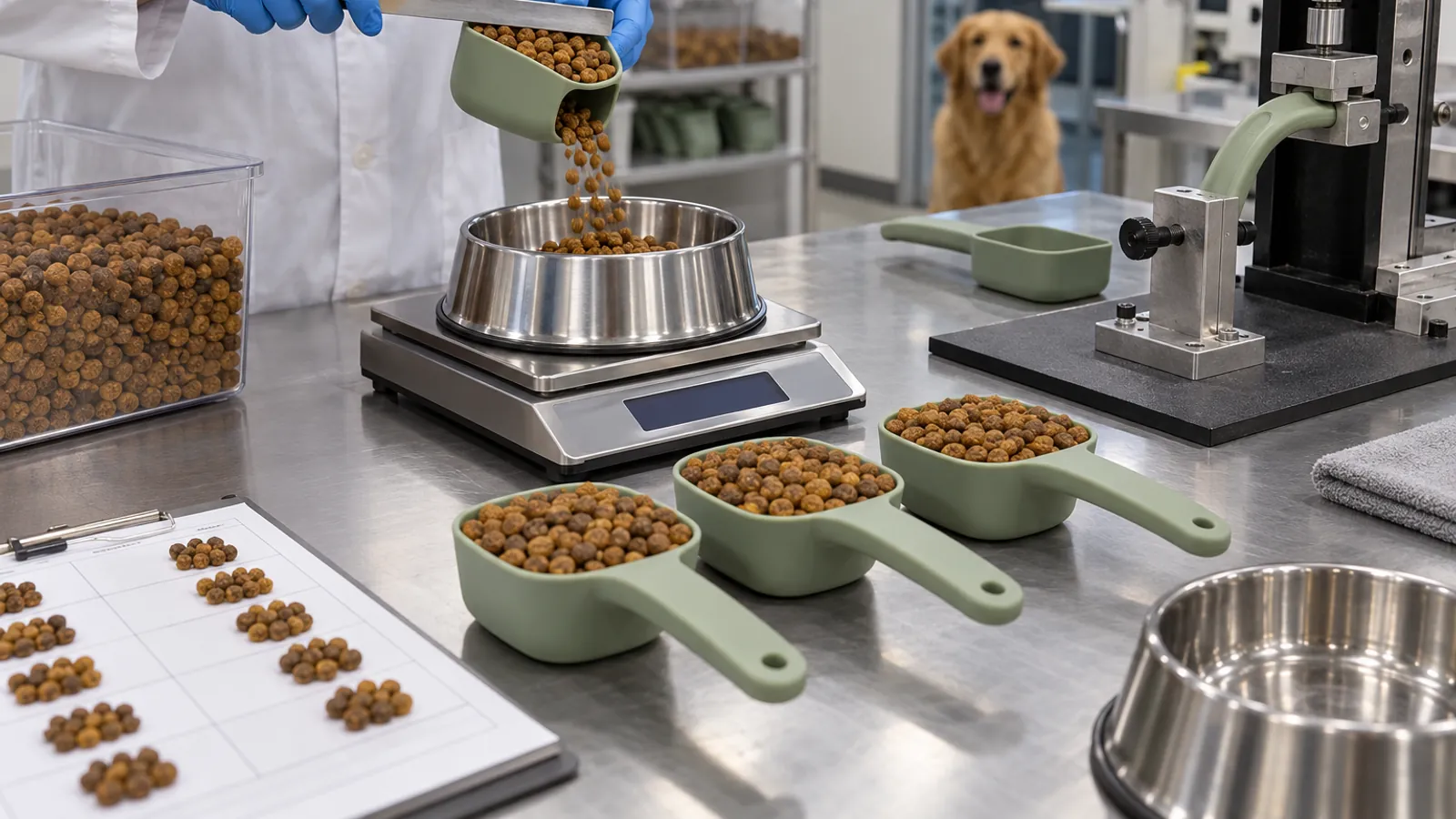
Illustrative scene: named feed, fill method, leveling, weighing, handle load and repetitions support evidence for the approved product revision.
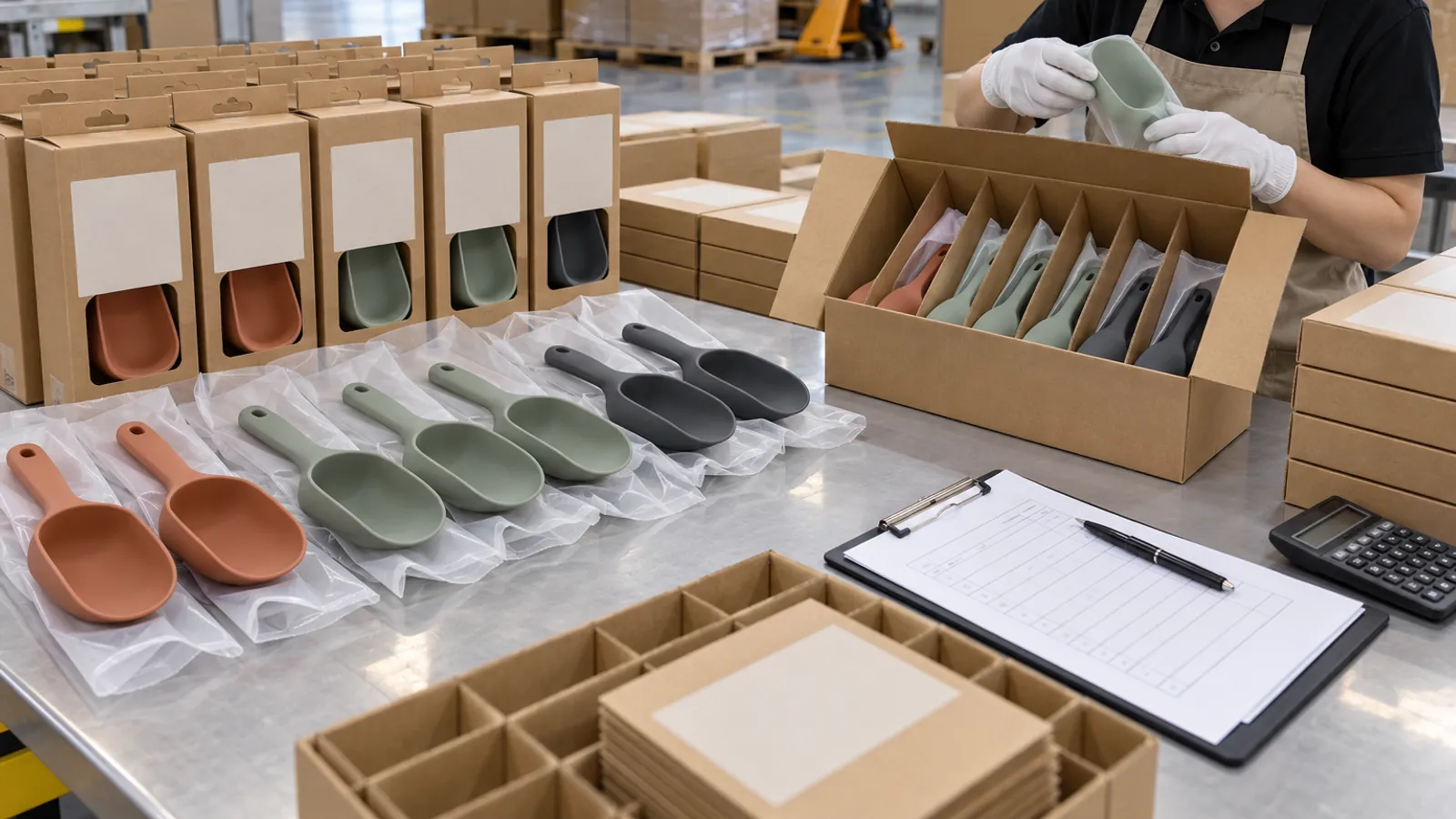
Illustrative scene: color ratio, molded IDs, sleeves, retail cartons, counts and export protection are approved together.
B2B SOURCING SNAPSHOT
Final terms depend on the approved specification, packaging, quantity and delivery plan.
| Control Point | Buyer Decision | Approval Basis |
|---|---|---|
| Portion geometry | Nominal volume, bowl depth, opening, lip radius, leveling plane and tolerance | Controlled drawing plus repeated gravimetric checks with named feed |
| Handle system | Length, grip width, thickness, reinforcement, hanging hole and target flex | Dimensional check and agreed load-and-recovery evaluation |
| Feed conditions | Kibble size, shape, bulk density, supplement format and fill method | Representative material and documented test preparation |
| Material system | Silicone grade, cure, hardness, pigment, finish and intended cleaning exposure | Project specification plus applicable material or finished-product evidence |
| Brand and pack-out | Molded logo, size ID, colors, sleeve, box, count and carton | Artwork, color sample, assembled pack and count approval |
| Commercial release | Tool route, cavities, MOQ, samples, validation and delivery plan | Confirmed after specification approval and current capacity review |
Each project is reviewed as a complete product specification.
Develop one or several nominal scoop sizes around the buyer's feed program and documented fill method.
Adjust depth, opening, front lip, sidewall draft and leveling plane for the named kibble or supplement format.
Tune length, grip width, ribs, local thickness and hanging hole for the intended bin depth and handling load.
Review compound, cure, hardness, finish and Pantone-referenced colors against intended cleaning and contact conditions.
Add a logo, portion ID, part code or color cue away from high-flex transitions and critical measuring surfaces.
Coordinate sleeves, retail boxes, color ratios, barcode labels, multi-packs, dividers and export-carton protection.
B2B BUYER FAQ
These answers define the decisions required before tooling, sampling and a reliable quotation.
Send the target nominal volume, tolerance, feed type and bulk density, fill method, handle concept, cleaning route, colors, logo, order quantity, destination and packaging. A reference scoop or controlled drawing helps define the bowl and grip.
Yes. Each size should have its own controlled volume, dimensions and identification. A multi-size family can share styling, but tooling, validation, inventory and packaging are confirmed per approved configuration.
Define the representative feed, conditioning, fill and leveling method, repetition count, scale resolution and acceptance limits. Water volume alone may not predict the delivered mass of a specific dry kibble.
A one-piece route is practical for many designs, subject to wall balance, bowl depth, handle transition, venting, flash control and release. DFM should avoid uncontrolled thin areas and dirt traps.
The buyer and factory agree on load direction, force or displacement, dwell, repetitions, conditioning and pass criteria. Results apply only to the tested design, compound and method.
Yes. Pantone-referenced colors and embossed or debossed marks can be reviewed after confirming compound, placement, readability, cleanability and physical sample approval.
No. Portion geometry is a product specification, not a veterinary feeding recommendation. Feeding instructions should come from the pet-food brand or an appropriate professional and should reflect feed density and the individual animal.
Overall size, bowl depth, handle section, number of volume variants, cavities, compound, colors, validation and packaging affect the commercial plan. Final terms follow an approved specification and current capacity review.
CATEGORY-SPECIFIC REVIEW
Species, size, feeding behavior, food type and supervision conditions.
Capacity, maze spacing, access, stability, grip and easy-clean transitions.
Coordinated sizes, colors, bowls, mats and travel formats for the target channel.
Drawings, material scope, physical samples, functional methods and packed SKU references.
INQUIRY CHECKLIST
Providing clear requirements helps us evaluate tooling, samples, price and lead time.
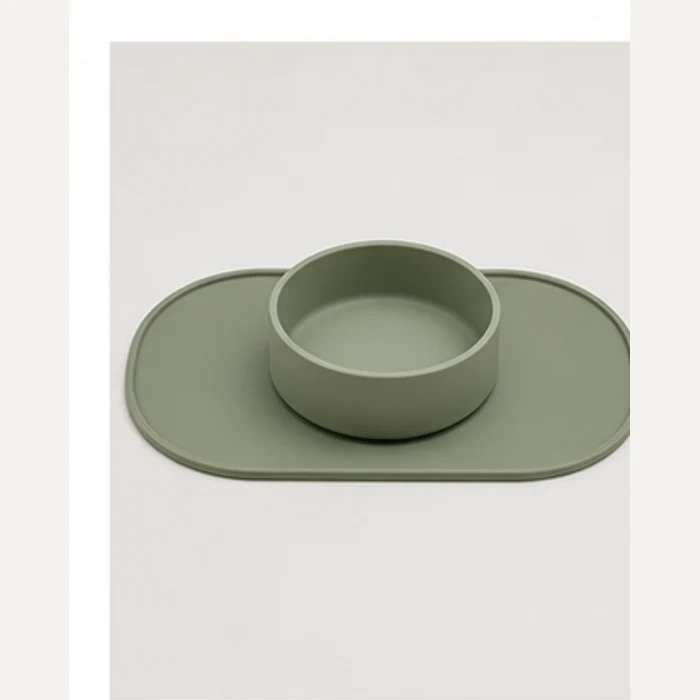
Raised-edge feeding surface developed to protect floors and organize bowls.
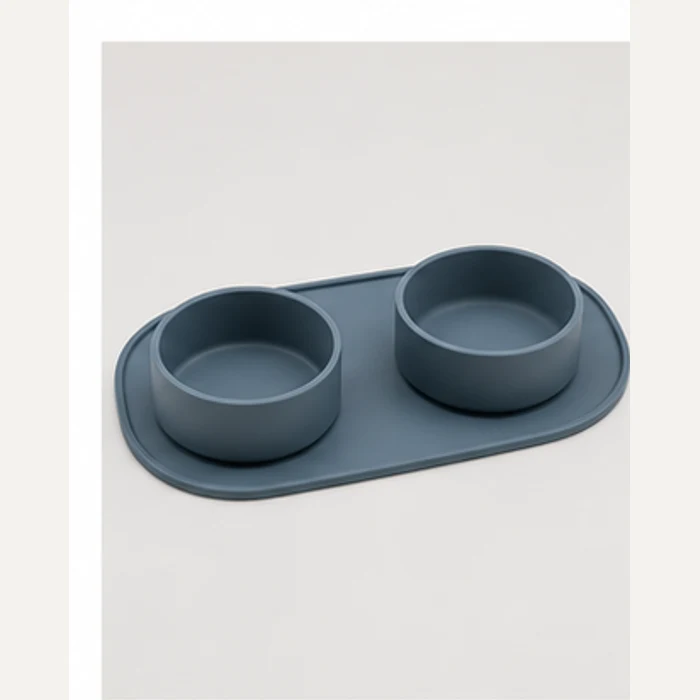
Flexible easy-clean bowl with a broad stable base for everyday feeding.
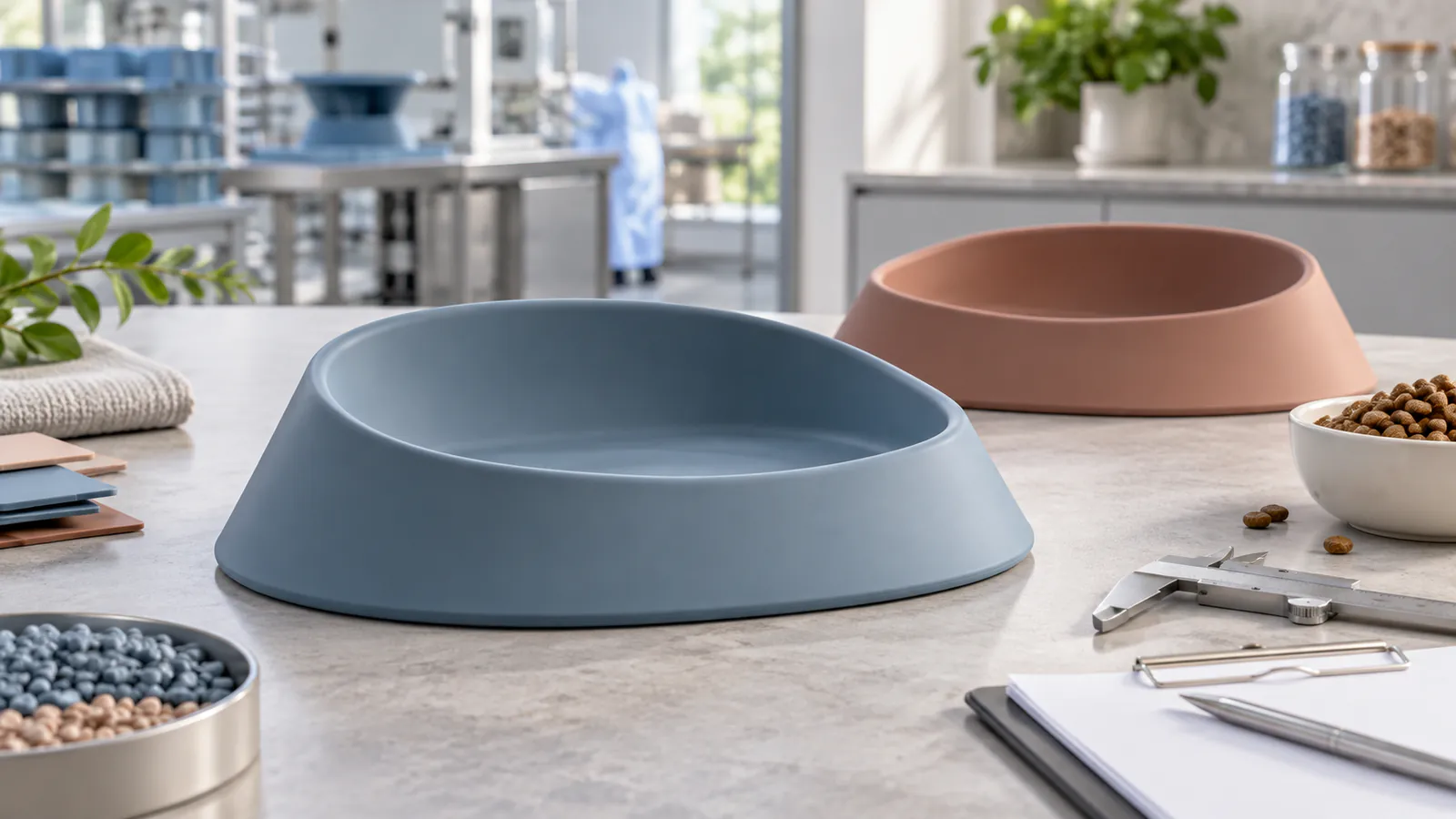
A private-label cat bowl developed around whisker clearance, accessible food depth, controlled portions, floor stability and a buyer-defined retail pack.
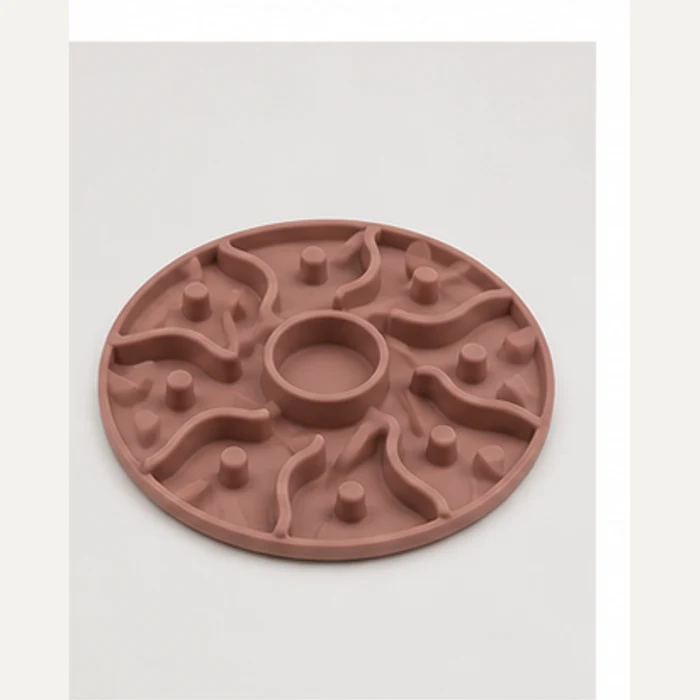
Maze-style bowl that separates food into controlled feeding paths.
B2B PROJECT INQUIRY
Share the intended product, destination market, order quantity and launch plan. Our project team will review the information and identify the next practical step.
Drawings are helpful but not required. A sketch, reference photo or physical sample can be used for an initial discussion.
GENERAL SOURCING INQUIRY