
One-Piece or Separate Bowls
Select an integrated silicone station or specify removable bowls and their measured locating interface before DFM.
CUSTOM PET FEEDING
PRODUCT OVERVIEW
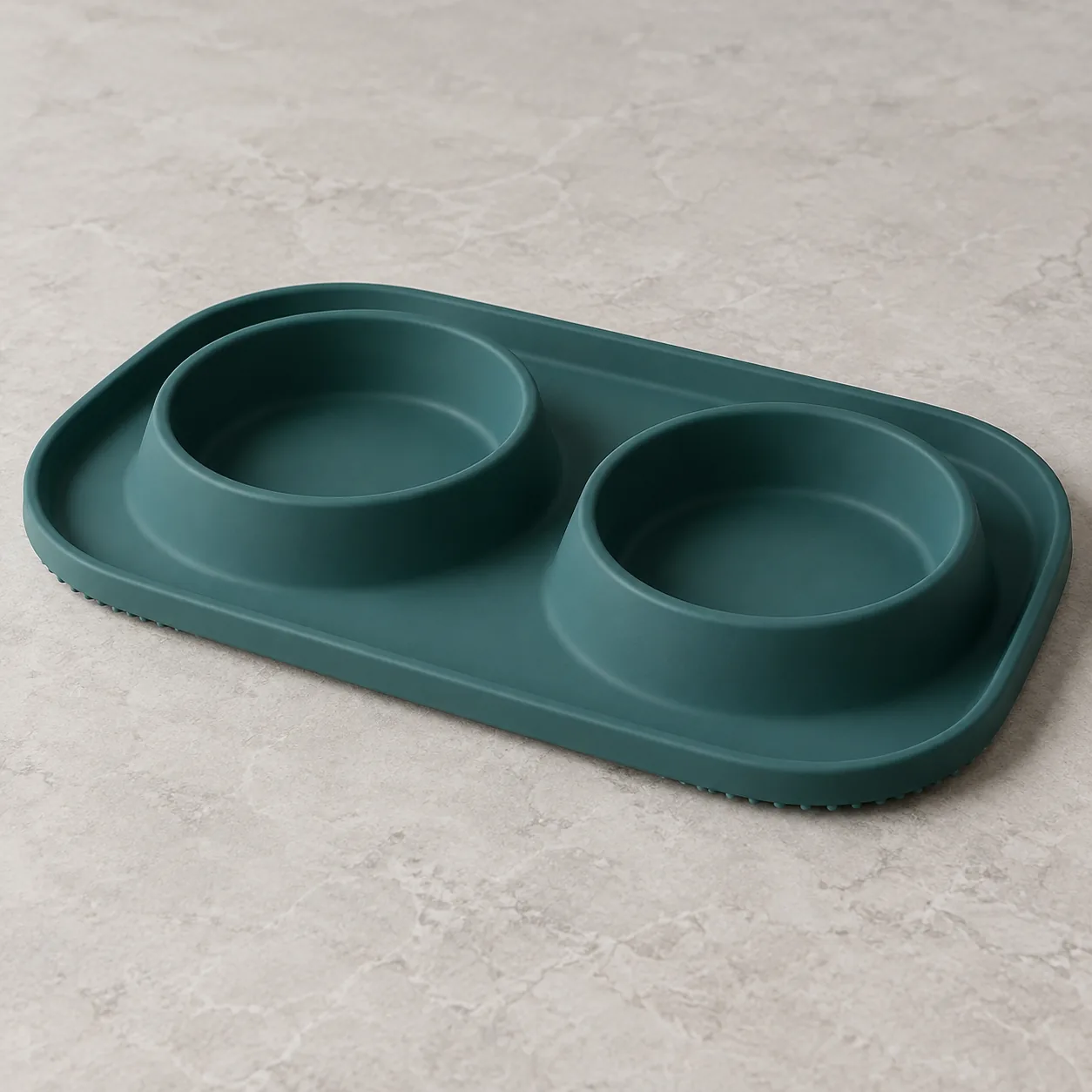
A double-bowl feeding mat combines a food-and-water station with floor protection in one buyer-defined footprint. Naike Silicone can review an integrated silicone bowl construction or a mat designed to locate separate buyer-specified bowls; these are distinct tooling and approval routes, not interchangeable claims for one sample. The product brief should choose one route before a final quotation is compared.
For the integrated route, specify each bowl's working fill, opening diameter, wall height, center spacing, mat perimeter and spill-capture area. For the separate-bowl route, supply the actual bowl drawings or production samples and define how each base seats on the mat. A mold trial must assess whether the long flat section releases without edge curl while the bowl zones retain their intended form.
The retail program should identify target pet size, food type, floor surface, cleaning method, selling unit and carton orientation. Material, pigment, dimensional tolerance, functional evidence, tooling investment, MOQ, price, capacity and lead time are conditional on the selected construction, approved drawing, destination market, order mix and current production schedule. We do not infer universal non-slip or spill-proof performance from the material alone.
Product page updated:
Request a B2B QuotationENGINEERING & APPROVAL EVIDENCE
Each stage addresses a different purchasing risk: manufacturability, functional fit and private-label presentation.
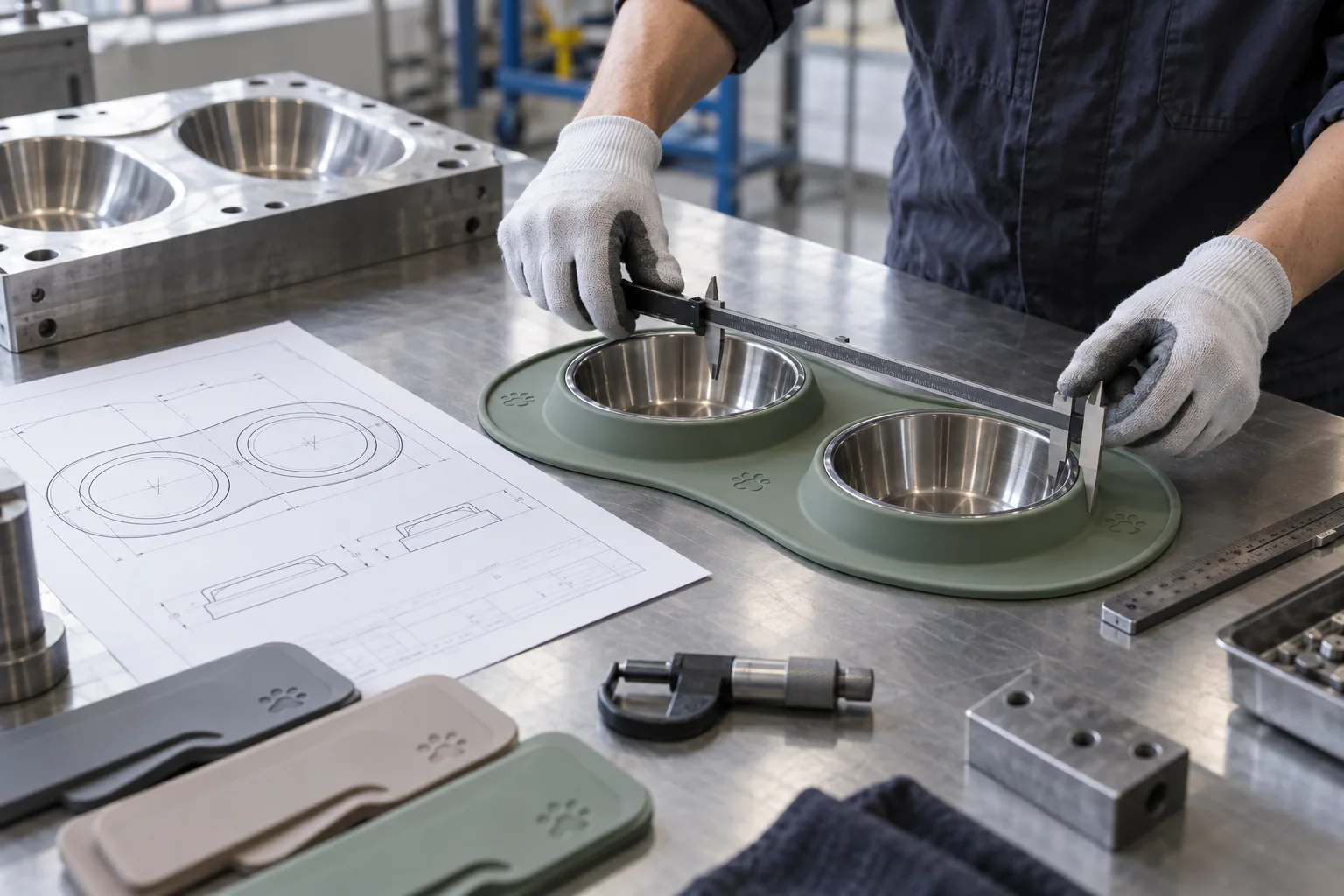
The separate-bowl option requires its own fit drawing and trial. It should not be represented as the same construction as the one-piece silicone concept.
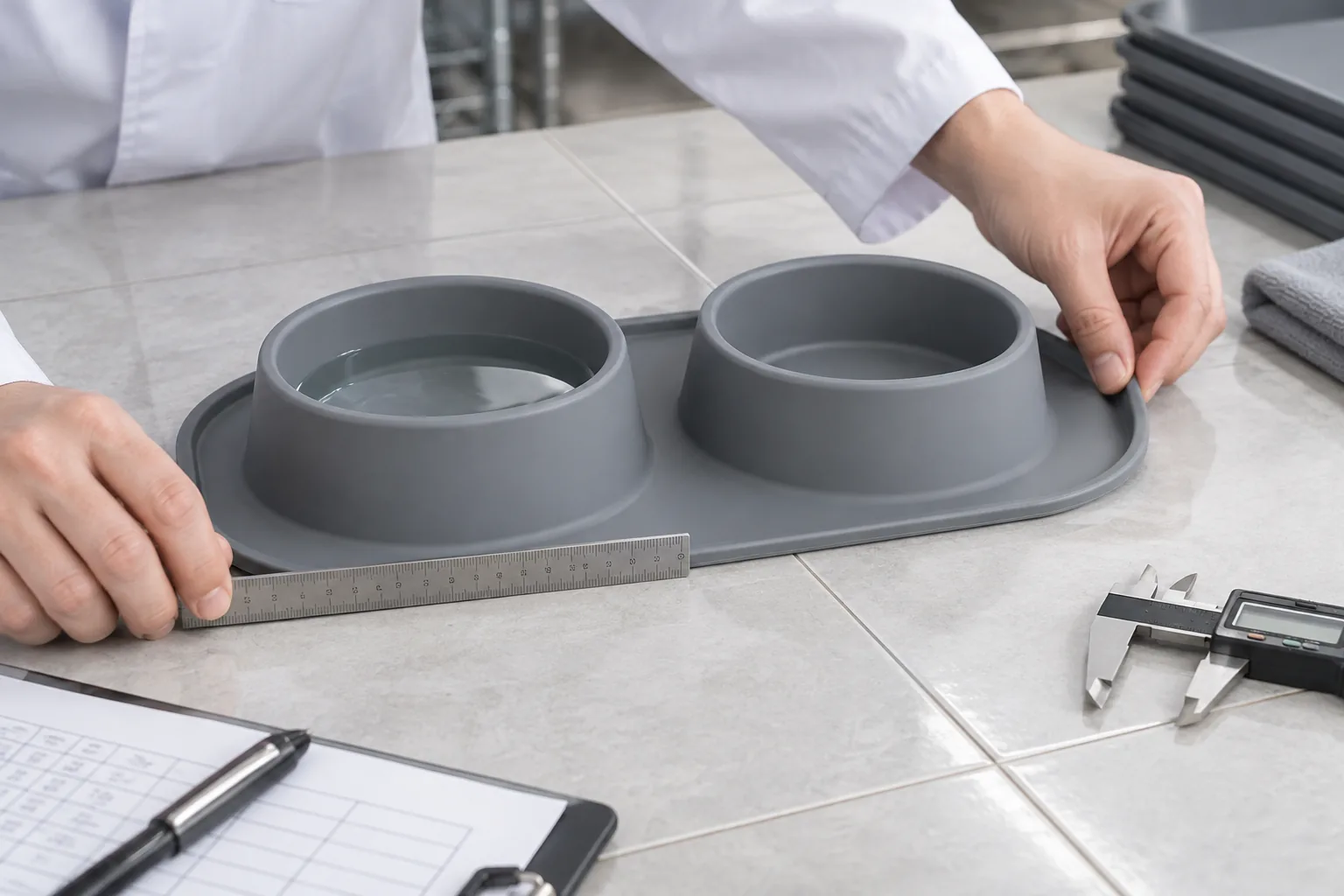
A sample check records edge lift, bowl seating and liquid migration on a defined representative floor; results depend on the approved method and construction.
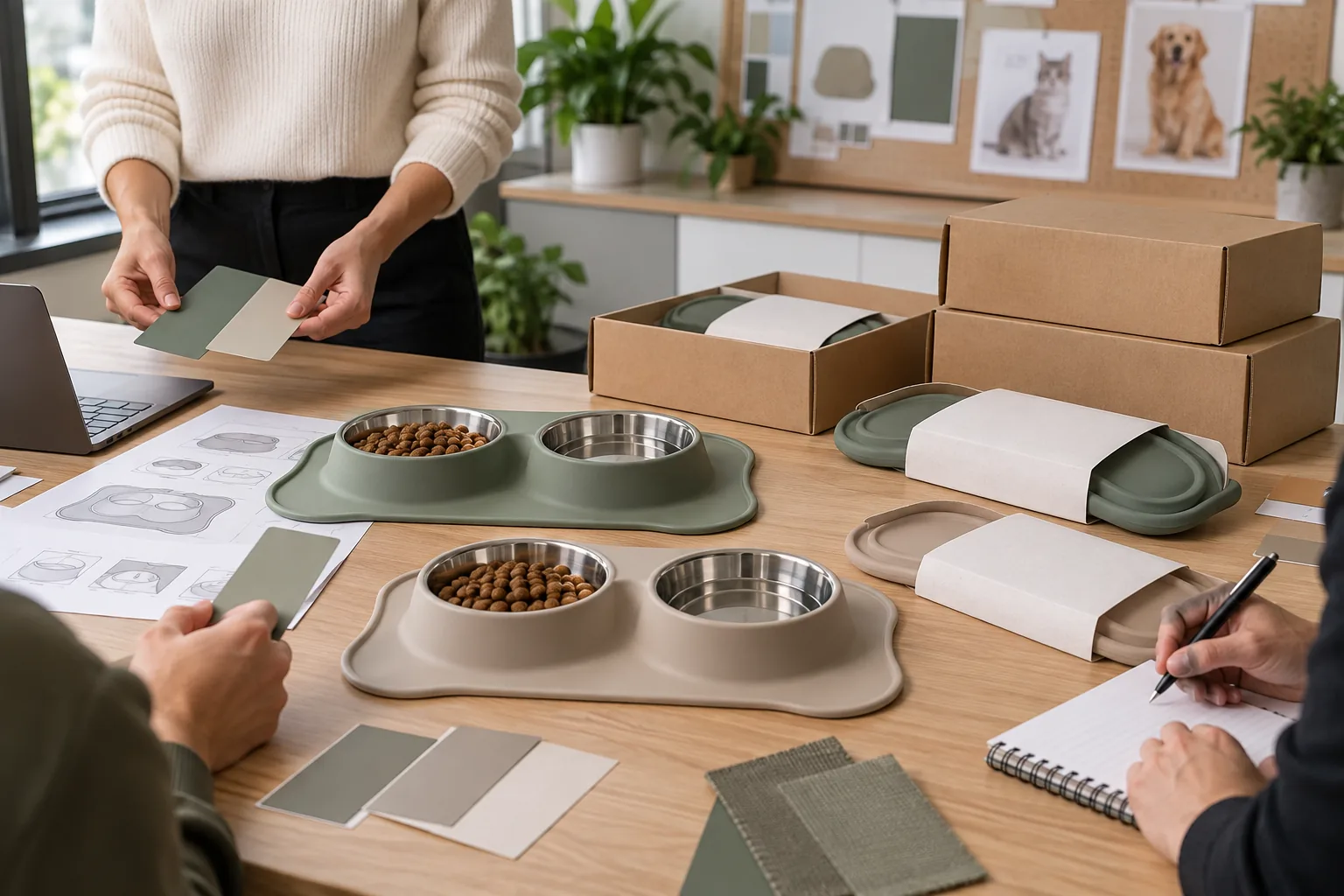
Color references, bowl configuration, sleeves, cartons and nesting protection should be approved together as one sellable SKU.
B2B SOURCING SNAPSHOT
Final terms depend on the approved specification, packaging, quantity and delivery plan.
| Control Point | Buyer Decision | Approval Basis |
|---|---|---|
| Construction route | One-piece molded silicone bowls or a locating mat for separate approved bowls | Choose one route and identify the drawing revision before tooling and quotation approval |
| Feeding geometry | Individual working fill, openings, bowl-center spacing and access clearance | Measure both zones with the intended food or water scenario and target pet range |
| Spill perimeter | Overall mat footprint, raised edge, corner transitions and usable capture area | Review liquid migration and wipe-clean access under an agreed fill and floor condition |
| Floor interface | Underside texture, base contact, edge lift and post-pack flatness | Evaluate on named representative flooring; do not promise universal grip |
| Material and identity | Compound, cure route, hardness, pigment and lot-to-SKU traceability | Confirm evidence scope against intended use, finished color and destination market |
| Retail supply | Color count, logo zone, selling unit, carton orientation and forecast | Quote MOQ, tooling, price and timing against the approved configuration and current schedule |
Each project is reviewed as a complete product specification.
Select an integrated silicone station or specify removable bowls and their measured locating interface before DFM.
Adjust bowl centers, access clearance, rim profile and footprint around the target animal and feeding position.
Review perimeter height, corner radii and drainage or wipe paths without claiming an untested spill-proof result.
Control underside contact and rolled or flat shipping configuration with a documented edge-lift recovery check.
Approve compound and pigment identity, a physical color reference and a molded logo zone outside food and floor-contact priorities.
Coordinate sleeve, box, barcode, care instructions, color mix and carton protection for the actual retail channel.
B2B BUYER FAQ
These answers define the decisions required before tooling, sampling and a reliable quotation.
Send the target pet size, intended food and water volumes, preferred one-piece or separate-bowl construction, reference bowl or sketch, floor type, dimensions, first-order quantity, colors, market, logo and pack format.
The integrated route can be reviewed through a dedicated mold, subject to bowl depth, wall balance, demolding, mat flatness and cleaning access. A drawing and sample trial determine the feasible geometry.
Yes, as a different construction route. The buyer should provide approved bowl dimensions and tolerances so the locating zones can be designed and checked for seating, removal and cleaning.
Set the bowl-center distance from the target pet's head and stance, bowl diameters, fill condition and floor footprint. Approve a full-size sample with representative bowls before tooling release.
No universal result should be promised. Define a representative surface, fill, movement and liquid test, then record acceptance limits for the approved product and use scenario.
That depends on thickness, bowl construction, rim geometry, roll diameter, storage time and recovery method. An integrated-bowl version may require a different pack-out from a flat removable-bowl mat.
Pantone-referenced colors and an embossed or debossed logo zone can be evaluated. Physical color, mark placement and packaging artwork need approval on the finished selling unit.
They depend on construction route, tool size and cavities, compound, pigment split, validation, packaging, quantity and available capacity. A reliable quotation follows a defined drawing and buyer brief.
CATEGORY-SPECIFIC REVIEW
Species, size, feeding behavior, food type and supervision conditions.
Capacity, maze spacing, access, stability, grip and easy-clean transitions.
Coordinated sizes, colors, bowls, mats and travel formats for the target channel.
Drawings, material scope, physical samples, functional methods and packed SKU references.
INQUIRY CHECKLIST
Providing clear requirements helps us evaluate tooling, samples, price and lead time.
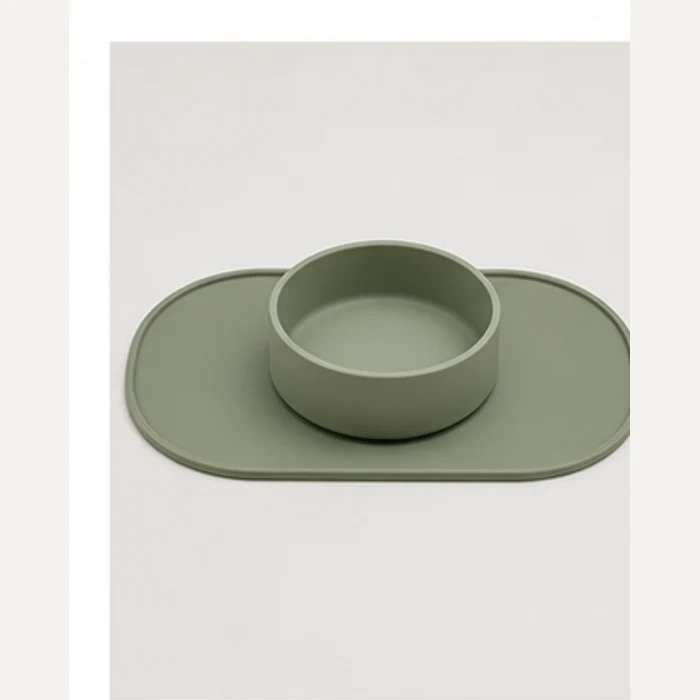
Raised-edge feeding surface developed to protect floors and organize bowls.
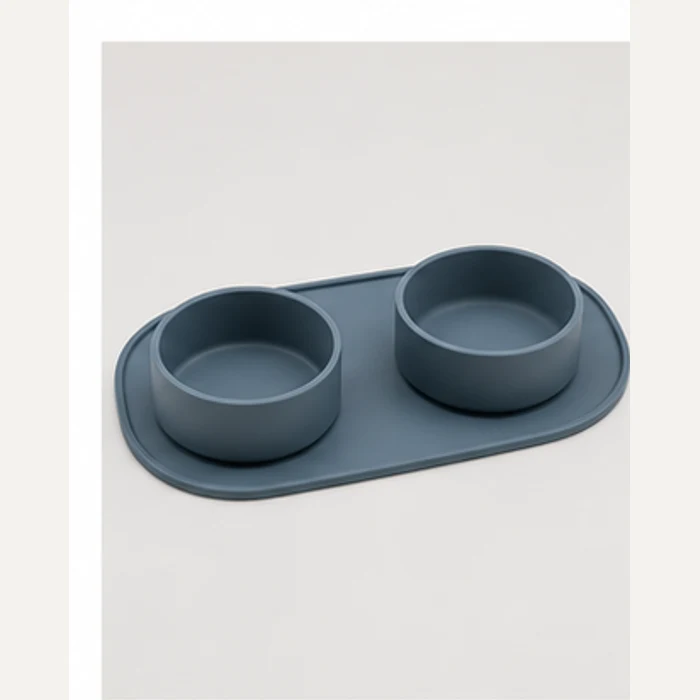
Flexible easy-clean bowl with a broad stable base for everyday feeding.
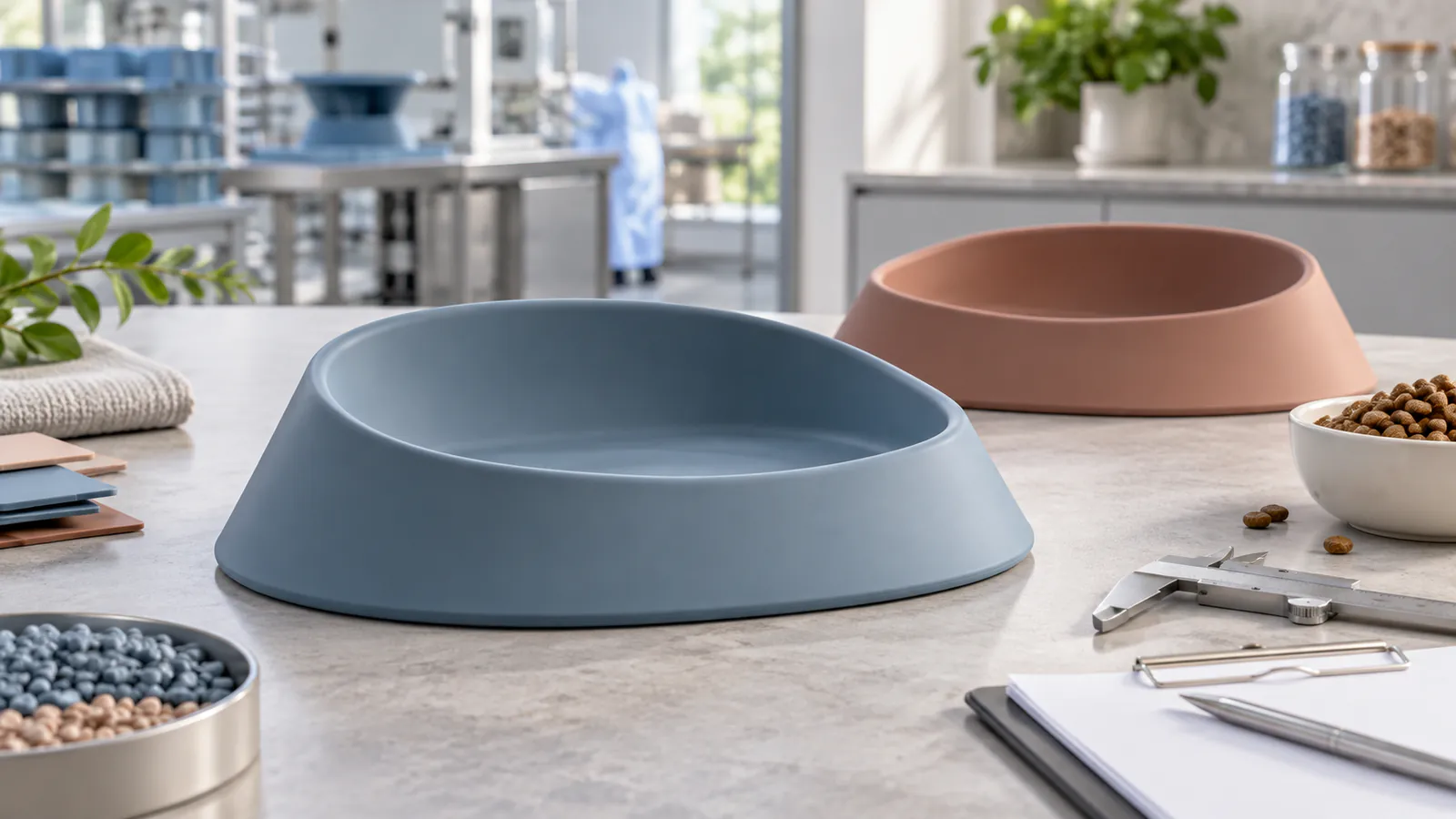
A private-label cat bowl developed around whisker clearance, accessible food depth, controlled portions, floor stability and a buyer-defined retail pack.
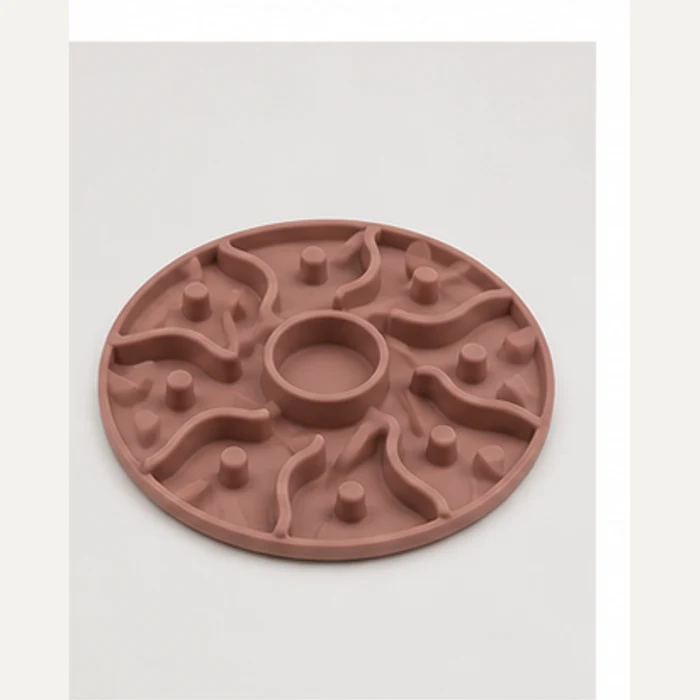
Maze-style bowl that separates food into controlled feeding paths.
B2B PROJECT INQUIRY
Share the intended product, destination market, order quantity and launch plan. Our project team will review the information and identify the next practical step.
Drawings are helpful but not required. A sketch, reference photo or physical sample can be used for an initial discussion.
GENERAL SOURCING INQUIRY