
Capacity & Size Range
Coordinate open diameter, height and usable volume with the target dog or cat range and travel application.
CUSTOM PET FEEDING
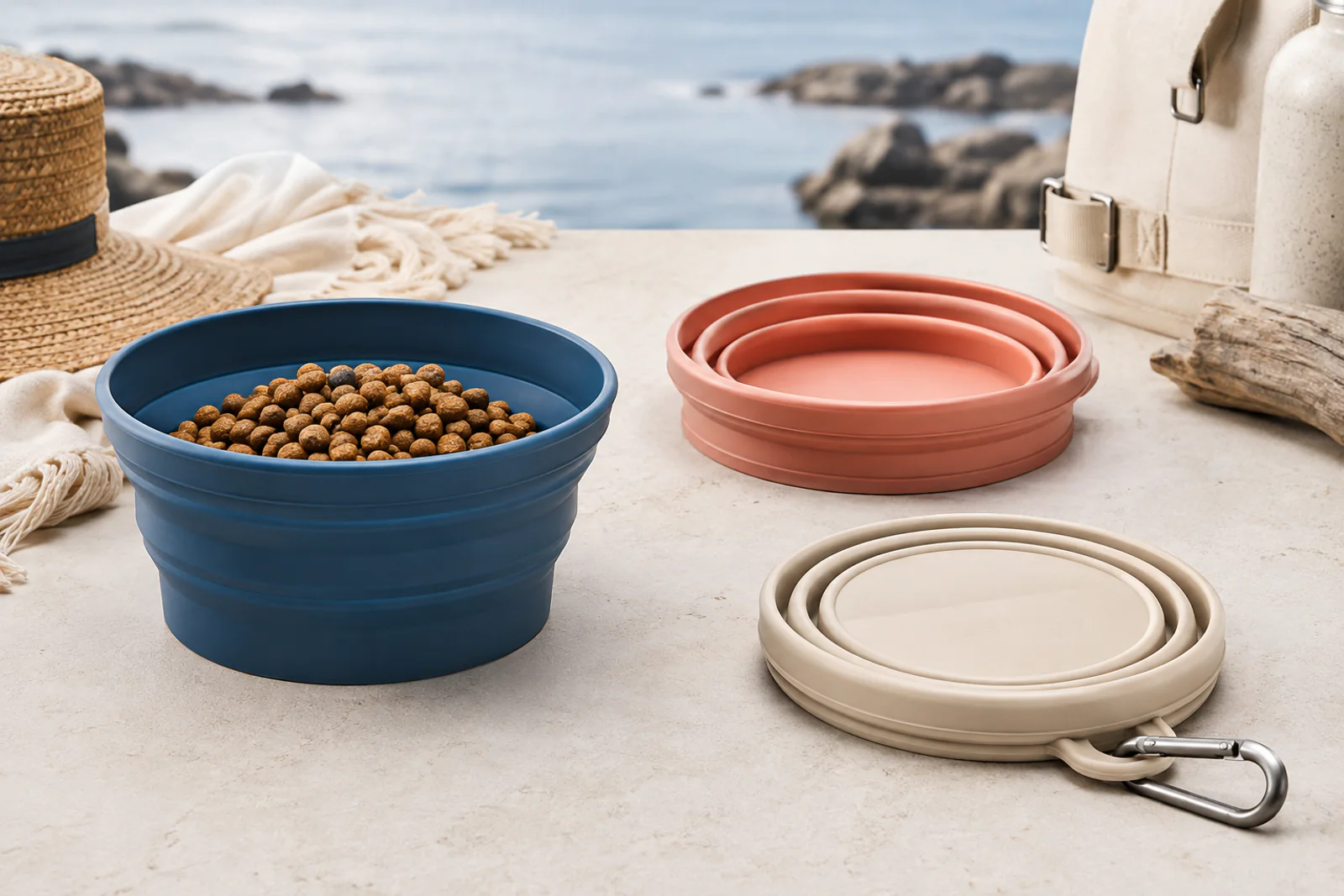
PRODUCT OVERVIEW
A custom collapsible silicone travel pet bowl gives pet brands a portable feeding SKU whose packed height, open capacity and visual identity can be designed as one system. Naike Silicone develops the rim, flexible fold rings, base, hanging tab and optional accessory interface around the target animal, travel scenario and retail channel.
The buyer brief should define intended food or water use, target capacity, open diameter and height, collapsed thickness, fold sequence, required standing stability, hanging method and packed selling unit. These inputs guide hinge sections, support bands, wall transitions, base thickness, tab reinforcement, mold split, venting and demolding direction.
Material selection, cycle targets, tooling cost, sample timing, MOQ and production lead time remain conditional on the approved geometry, test method, destination market, color allocation, accessory choice, packaging and current factory schedule. Buyers can start with a reference bowl, dimensional sketch, annotated photograph or CAD file.
Product page updated:
Request a B2B QuotationENGINEERING & APPROVAL EVIDENCE
Each stage addresses a different purchasing risk: manufacturability, functional fit and private-label presentation.
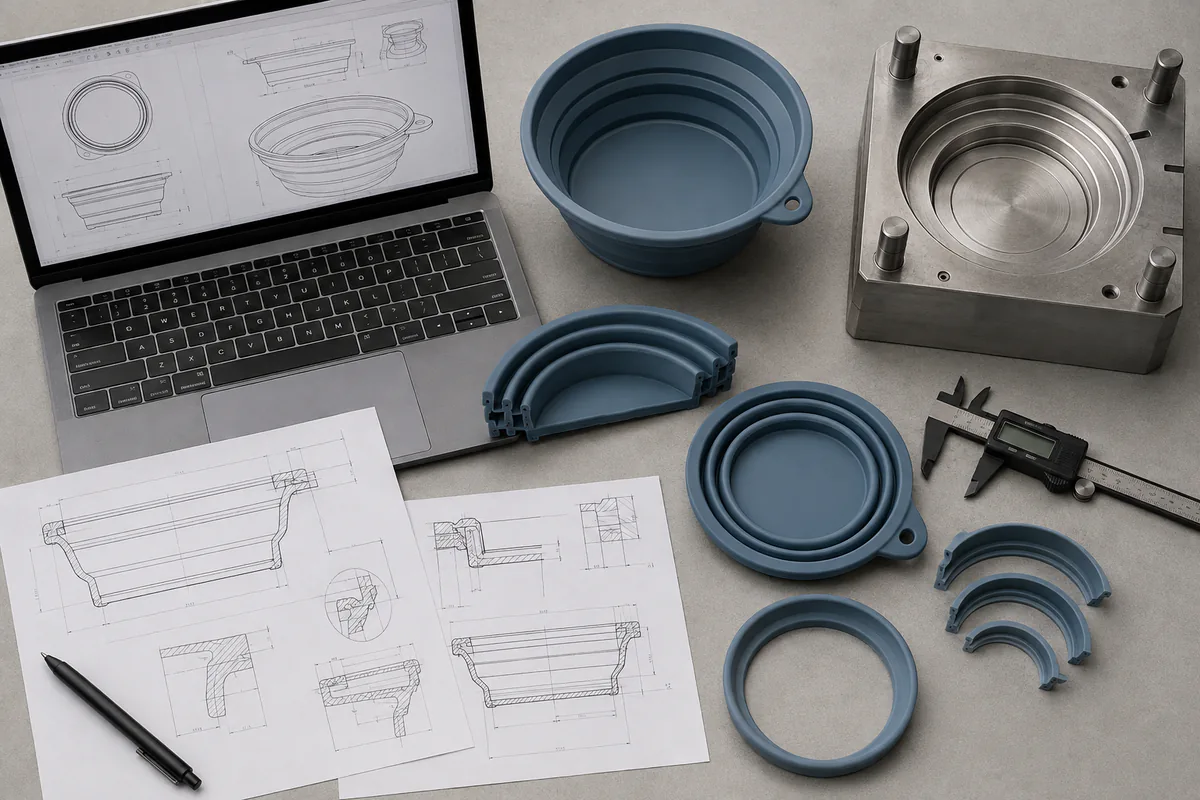
Hinge thickness, support rings, rim stiffness, base transition, hanging tab, parting surfaces and release direction are reviewed before tooling approval.
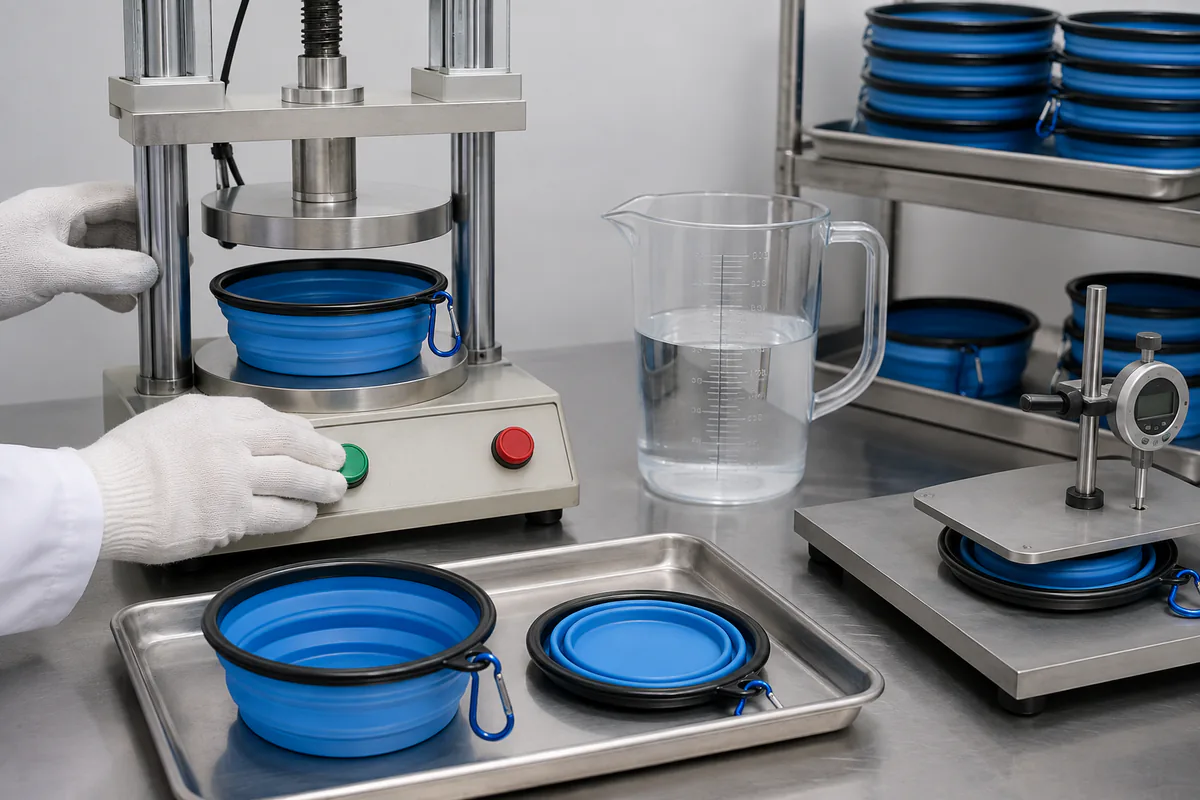
A documented sample plan can check repeated opening and collapse, usable volume, base flatness and standing behavior under buyer-agreed conditions.
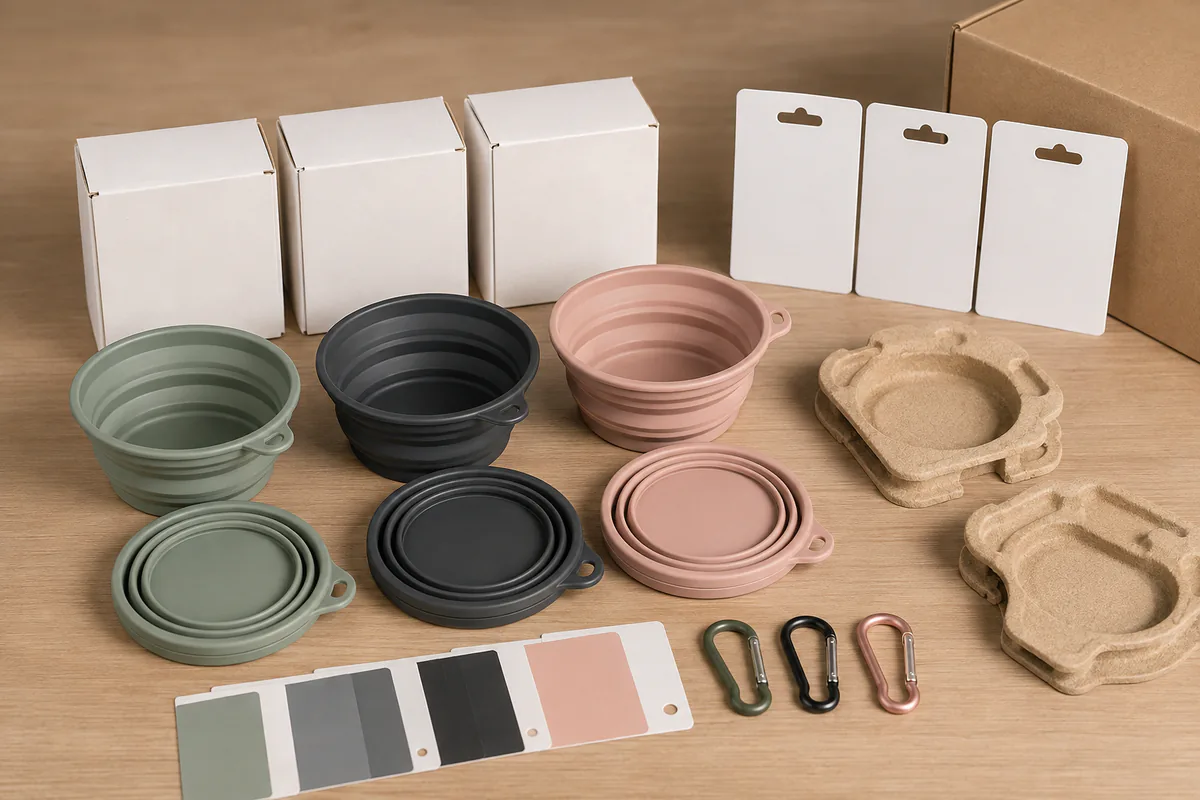
Color references, molded branding zones, accessory choices, hanging cards, cartons and protective inserts are aligned to the approved SKU revision.
B2B SOURCING SNAPSHOT
Final terms depend on the approved specification, packaging, quantity and delivery plan.
| Control Point | Buyer Decision | Approval Basis |
|---|---|---|
| Open-bowl architecture | Usable capacity, top diameter, rim, wall height and stable base | Confirmed by drawing, volumetric check and approved physical sample |
| Collapse system | Fold-ring count, hinge sections, collapsed thickness and opening sequence | Evaluated through dimensional inspection and an agreed cycle method |
| Travel interface | Hanging tab, hole diameter, reinforcement and optional accessory | Checked against the approved attachment and packed configuration |
| Silicone material | Grade, curing route, hardness, pigment and surface finish | Selected for intended use and destination-market requirements |
| Private-label execution | Molded logo, color reference, hanging card or box and insert | Approved through artwork, color standard and packed golden sample |
| Commercial program | Tooling route, MOQ, sampling and production schedule | Quoted after geometry, validation, packaging, quantity and timing are defined |
Each project is reviewed as a complete product specification.
Coordinate open diameter, height and usable volume with the target dog or cat range and travel application.
Develop fold count, hinge thickness, support bands and collapsed profile within practical molding and recovery limits.
Review base footprint, wall stiffness and rim geometry around standing stability, handling and drinking access.
Configure tab position, reinforcement, opening and an optional buyer-approved carabiner or clip interface.
Confirm silicone grade, hardness, Pantone-referenced colors and a manufacturable molded branding position.
Plan a hanging card, compact box, insert, accessory retention, instructions and export carton after product approval.
B2B BUYER FAQ
These answers define the decisions required before tooling, sampling and a reliable quotation.
Send the target animal range, food or water use, capacity, open and collapsed dimensions, fold concept, hanging feature, reference sample or drawing, quantity, destination market, colors, logo and packaging preference.
Yes. Diameter, wall height, fold count and hinge sections can be reviewed through custom tooling. Final dimensions depend on capacity, support, recovery, molding, release and packed-size priorities.
The buyer and factory should agree the opening and collapse method, cycle count, conditioning, inspection points and acceptance criteria. Results apply only to the approved material, geometry and documented test conditions.
The plan can define the representative flat surface, fill medium, fill volume, disturbance method and movement or tipping limit. Capacity and stability are recorded against the approved physical sample.
An accessory can be reviewed as part of the selling unit. The attachment opening, tab reinforcement, clip dimensions, material declaration, packaging retention and intended-use statement must be approved together.
Molded branding, Pantone-referenced colors, hanging cards, boxes and inserts can be evaluated. Artwork, logo depth, color tolerance and packed samples require approval before production.
They depend on bowl size, fold complexity, cavity plan, material, colors, accessory, validation scope, packaging, order quantity and current production schedule. A reliable quotation follows specification review.
Approve the product and mold drawings, material specification, critical dimensions, cycle and stability methods, color references, branding, accessory, physical golden sample, packaging, labels and inspection criteria.
CATEGORY-SPECIFIC REVIEW
Species, size, feeding behavior, food type and supervision conditions.
Capacity, maze spacing, access, stability, grip and easy-clean transitions.
Coordinated sizes, colors, bowls, mats and travel formats for the target channel.
Drawings, material scope, physical samples, functional methods and packed SKU references.
INQUIRY CHECKLIST
Providing clear requirements helps us evaluate tooling, samples, price and lead time.
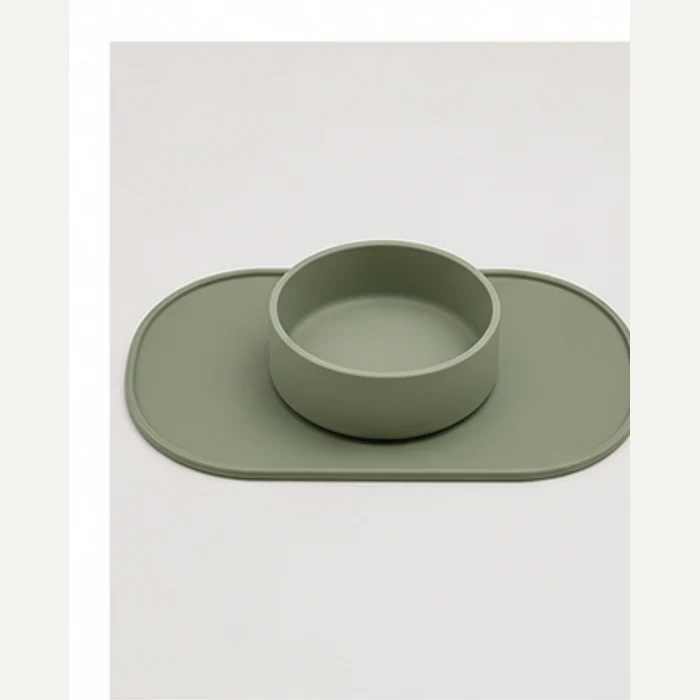
Raised-edge feeding surface developed to protect floors and organize bowls.
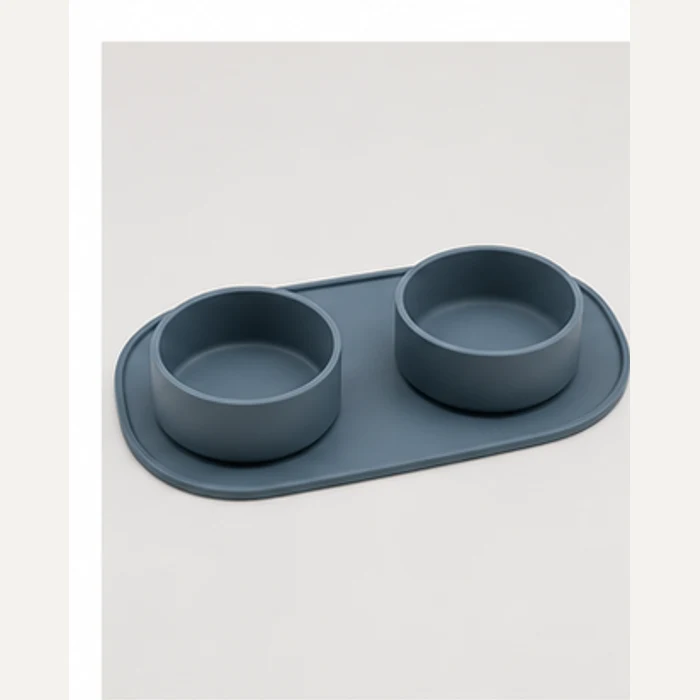
Flexible easy-clean bowl with a broad stable base for everyday feeding.
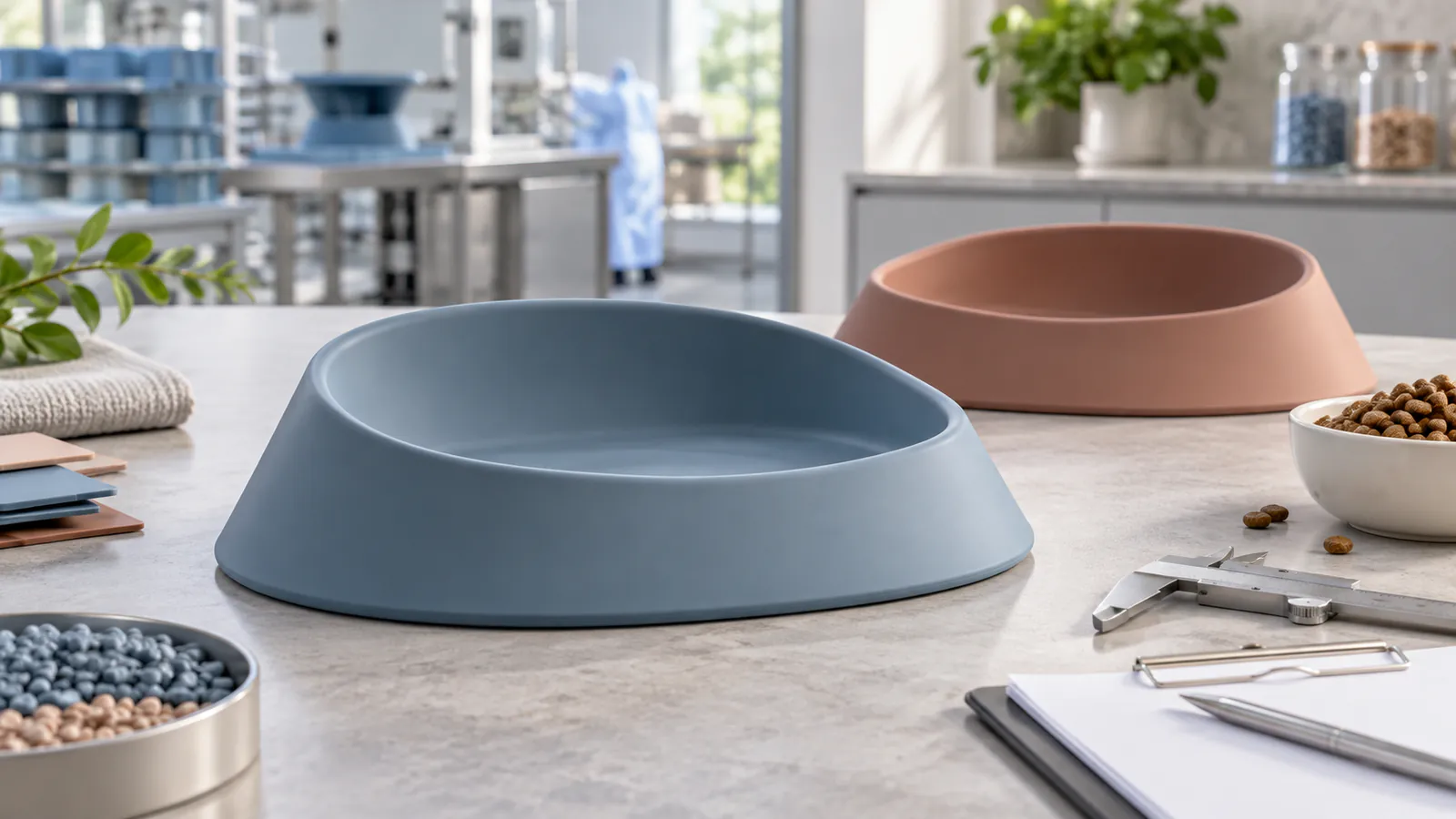
A private-label cat bowl developed around whisker clearance, accessible food depth, controlled portions, floor stability and a buyer-defined retail pack.
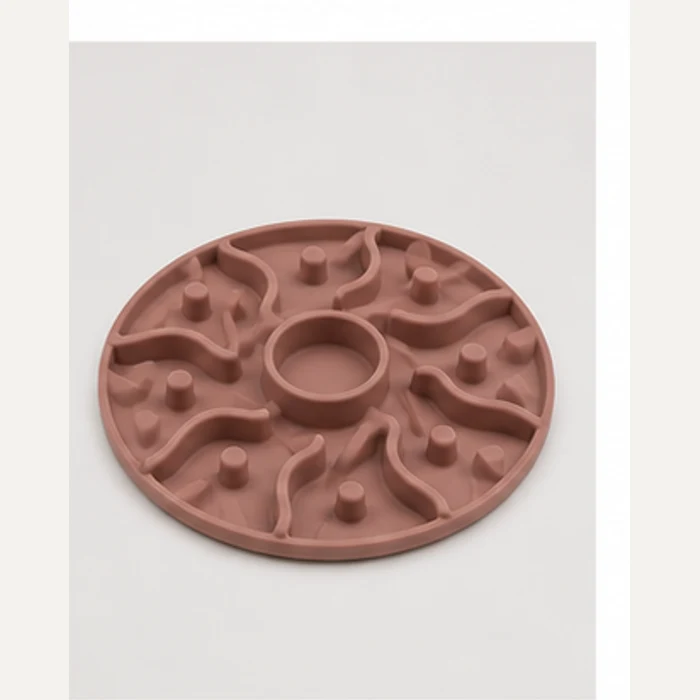
Maze-style bowl that separates food into controlled feeding paths.
B2B PROJECT INQUIRY
Share the intended product, destination market, order quantity and launch plan. Our project team will review the information and identify the next practical step.
Drawings are helpful but not required. A sketch, reference photo or physical sample can be used for an initial discussion.
GENERAL SOURCING INQUIRY