
Thread and Bore Family
Develop a controlled size range around named metric, imperial or project-specific thread and bore dimensions.
FREEZE, RELEASE & REUSE
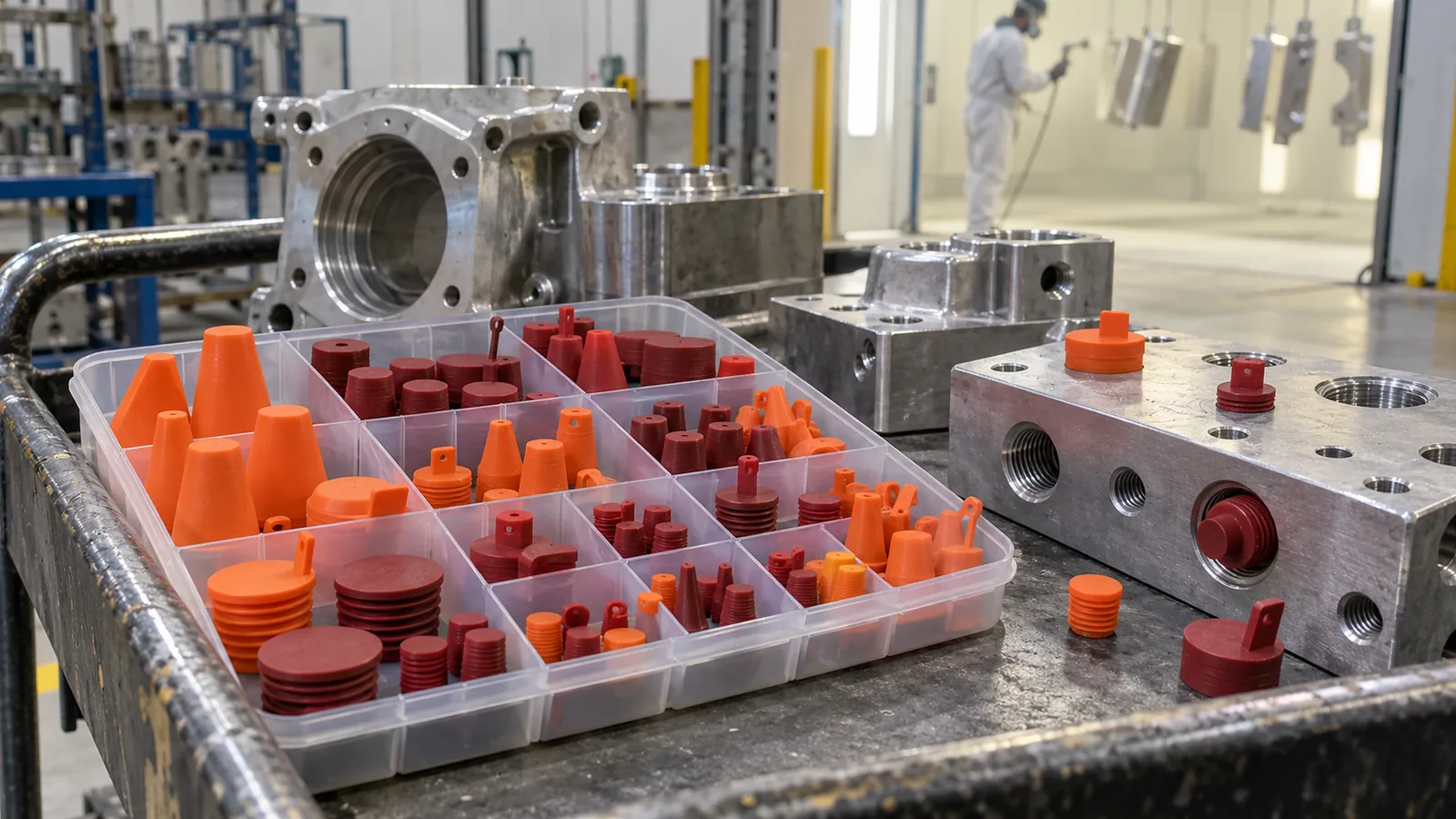
PRODUCT OVERVIEW
A custom silicone threaded masking plug set should shield the buyer-defined bore, internal thread or counterbore during a named finishing process without creating impractical insertion or removal. Naike Silicone develops the tapered or ribbed body, flange diameter, pull feature, engagement depth, hardness, color code and size family as one controlled industrial consumable program.
The sourcing brief should identify the thread or hole standard, minimum and maximum dimensions, masking boundary, component material, process chemistry, exposure temperature and time, line orientation, insertion method, removal method and expected reuse plan. These inputs guide interference, rib profile, flange coverage, transition radii, pull-tab strength, mold parting, venting and flash-control zones.
Fit, masking effectiveness, insertion force, removal force, recovery, temperature and chemical statements require an agreed process simulation and acceptance criteria. Compound, tooling, MOQ, samples, size assortment, packaging and delivery timing are confirmed only after the drawing, process curve, component coupons, color system, destination requirements and current factory capacity are reviewed.
Product page updated:
Request a B2B QuotationENGINEERING & APPROVAL EVIDENCE
Each stage addresses a different purchasing risk: manufacturability, functional fit and private-label presentation.

Illustrative scene: engagement geometry, flange coverage, pull feature, parting line, venting and cavity identification are reviewed before tooling release.
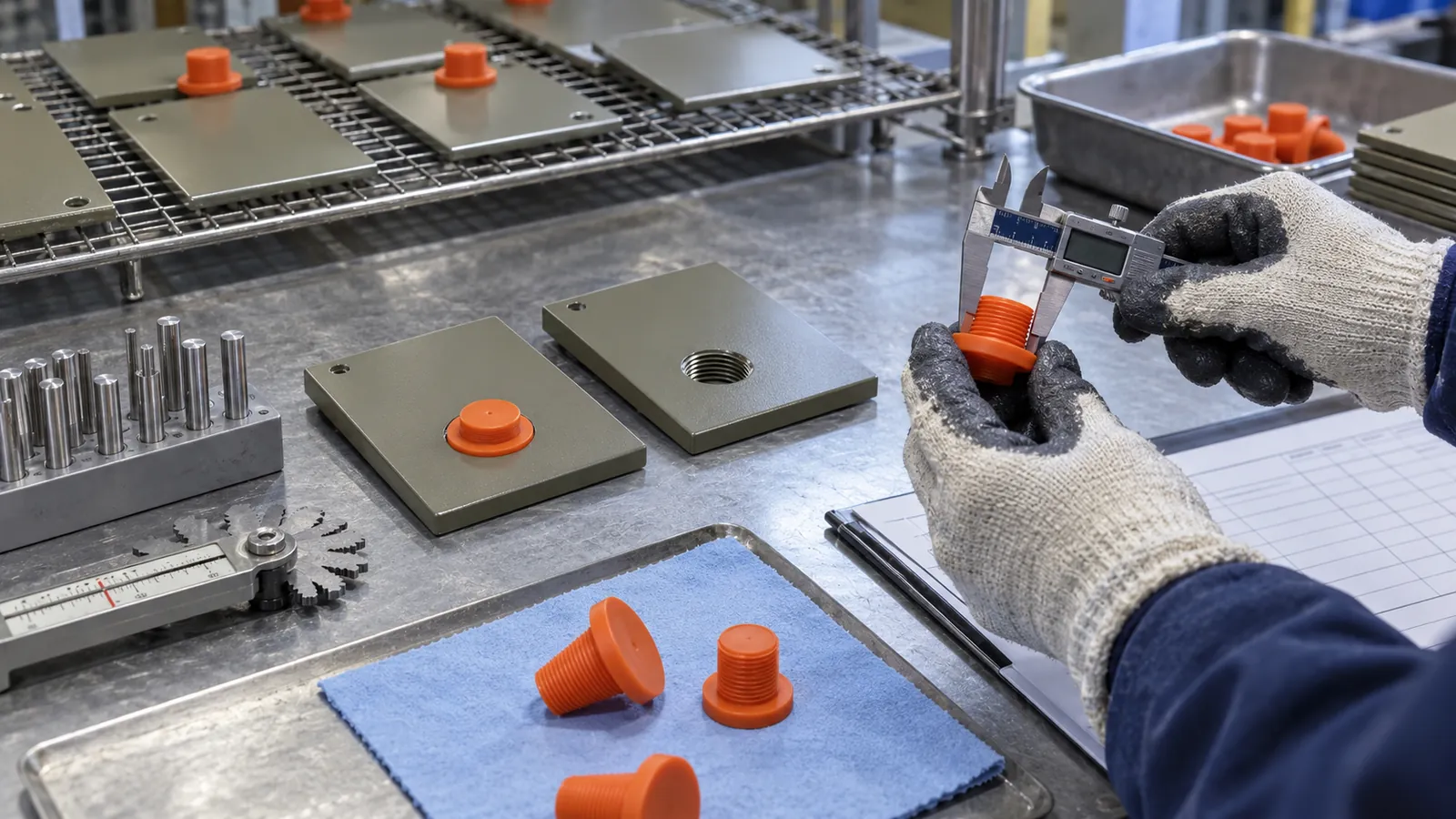
Illustrative scene: seated fit, masking boundary, removal and dimensional recovery are checked against the buyer-defined process cycle and coupon.
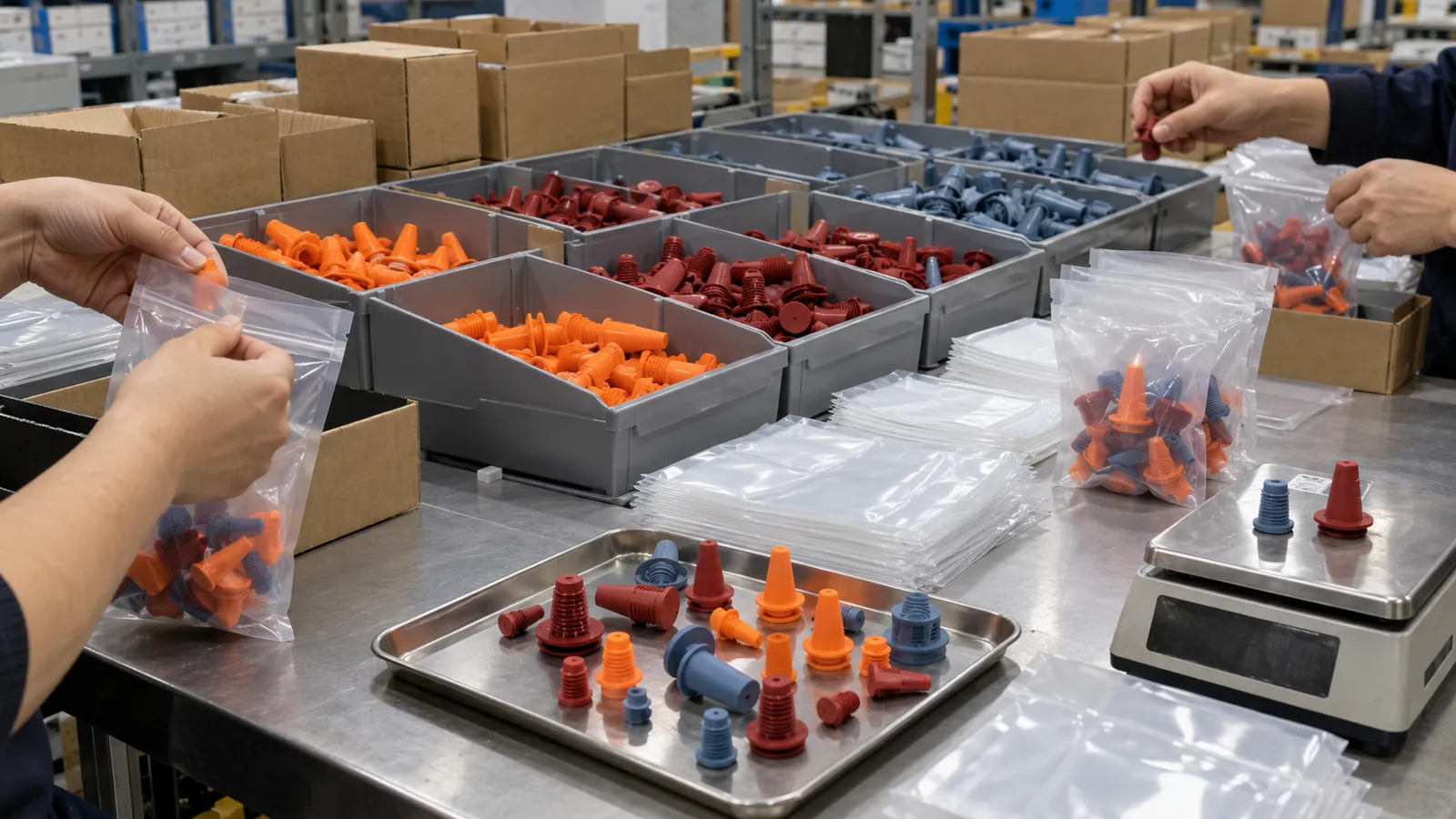
Illustrative scene: size family, color coding, mixed-kit composition, bulk refills, counts and carton separation are approved together.
B2B SOURCING SNAPSHOT
Final terms depend on the approved specification, packaging, quantity and delivery plan.
| Control Point | Buyer Decision | Approval Basis |
|---|---|---|
| Fit matrix | Named thread or bore standard, minor and major dimensions, depth and tolerance range | Controlled drawing, gauges and buyer-provided component coupons |
| Masking geometry | Rib or taper profile, engagement length, flange diameter and protected boundary | First-article dimensional report and defined process-coupon review |
| Insertion and removal | Entry lead, interference, pull tab or stem, installation route and extraction method | Buyer-agreed force, handling and post-cycle removal evaluation |
| Process exposure | Compound, cure, temperature-time curve, chemistry contact and line orientation | Application-specific material evidence plus conditioned sample trial |
| Identification and kits | Molded size code, color family, assortment, bulk refill, pouch and count | Approved size-color matrix and packed reference sample |
| Commercial release | Tool route, cavities, MOQ, samples, validation, packaging and delivery | Confirmed after specification approval and current capacity review |
Each project is reviewed as a complete product specification.
Develop a controlled size range around named metric, imperial or project-specific thread and bore dimensions.
Adjust engagement profile, insertion lead, masking depth and flange coverage for the approved component and boundary.
Select a tab, loop or stem geometry around installation access, removal direction, local strain and automation constraints.
Review silicone compound, cure, hardness and pigments against the defined process curve and size-identification plan.
Add a manufacturable size code, part code or cavity mark away from critical sealing and high-strain zones.
Coordinate mixed-size kits, single-size refill bags, dividers, instructions, barcode space, counts and export cartons.
B2B BUYER FAQ
These answers define the decisions required before tooling, sampling and a reliable quotation.
Send the thread or bore drawings, tolerance range, masking boundary, component material, process chemistry, temperature-time curve, insertion and removal access, size quantities, color-code plan and packaging. Physical coupons help establish the fit matrix.
A controlled range can be evaluated when interference, engagement depth and masking boundary remain acceptable. Do not assume universal fit; approve each named dimension and tolerance using representative gauges or components.
The buyer and factory agree on component coupon, conditioning, insertion depth, direction, speed, process cycle and force limits. Results apply to the tested plug, compound and interface.
Masking effectiveness depends on fit, flange contact, component condition, process pressure, chemistry, orientation and handling. Approve a defined coupon method and boundary rather than an unrestricted leakproof claim.
The selected compound must be reviewed against the exact peak temperature, dwell, repeated cycles, chemistry and contact time. General silicone properties do not prove suitability for every finishing line.
Reuse depends on compound, geometry, process exposure, contamination, removal damage and inspection criteria. If reuse matters, define a cycle plan and rejection limits for the approved size rather than assuming an unlimited life.
Yes. Approve the size-color matrix, molded identification, kit composition, refill format, counts, pouch or carton and packed reference sample before production packaging is released.
Size count, geometry, cavity strategy, compound, pigment split, validation scope, packaging minimums and order volume affect the commercial plan. Final terms follow an approved specification and current production-capacity review.
CATEGORY-SPECIFIC REVIEW
Cavity draft, flexibility, spacing and practical demolding direction.
Tray stiffness, fill level, lids, stacking and freezer storage.
Artwork conversion, detail depth and manufacturable branded shapes.
Retail sleeves, sets, food-service packs and promotional programs.
INQUIRY CHECKLIST
Providing clear requirements helps us evaluate tooling, samples, price and lead time.
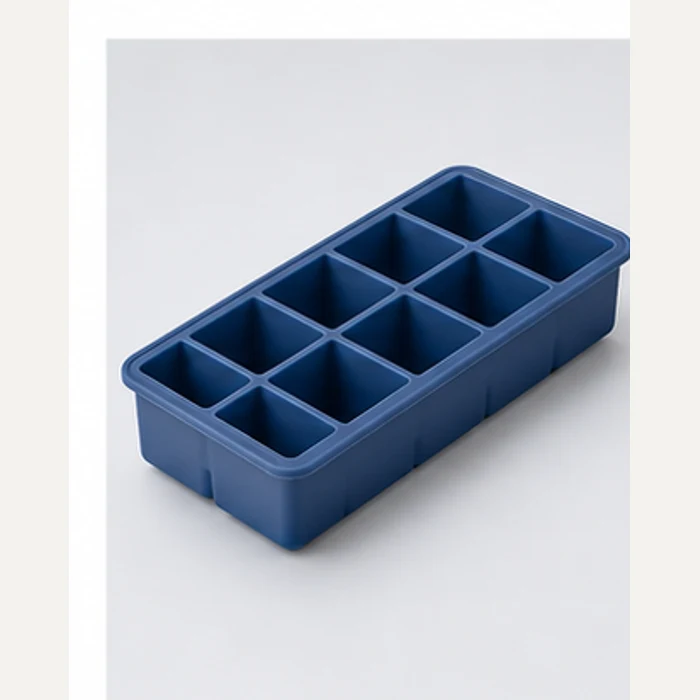
Flexible multi-cavity tray for everyday freezer use.
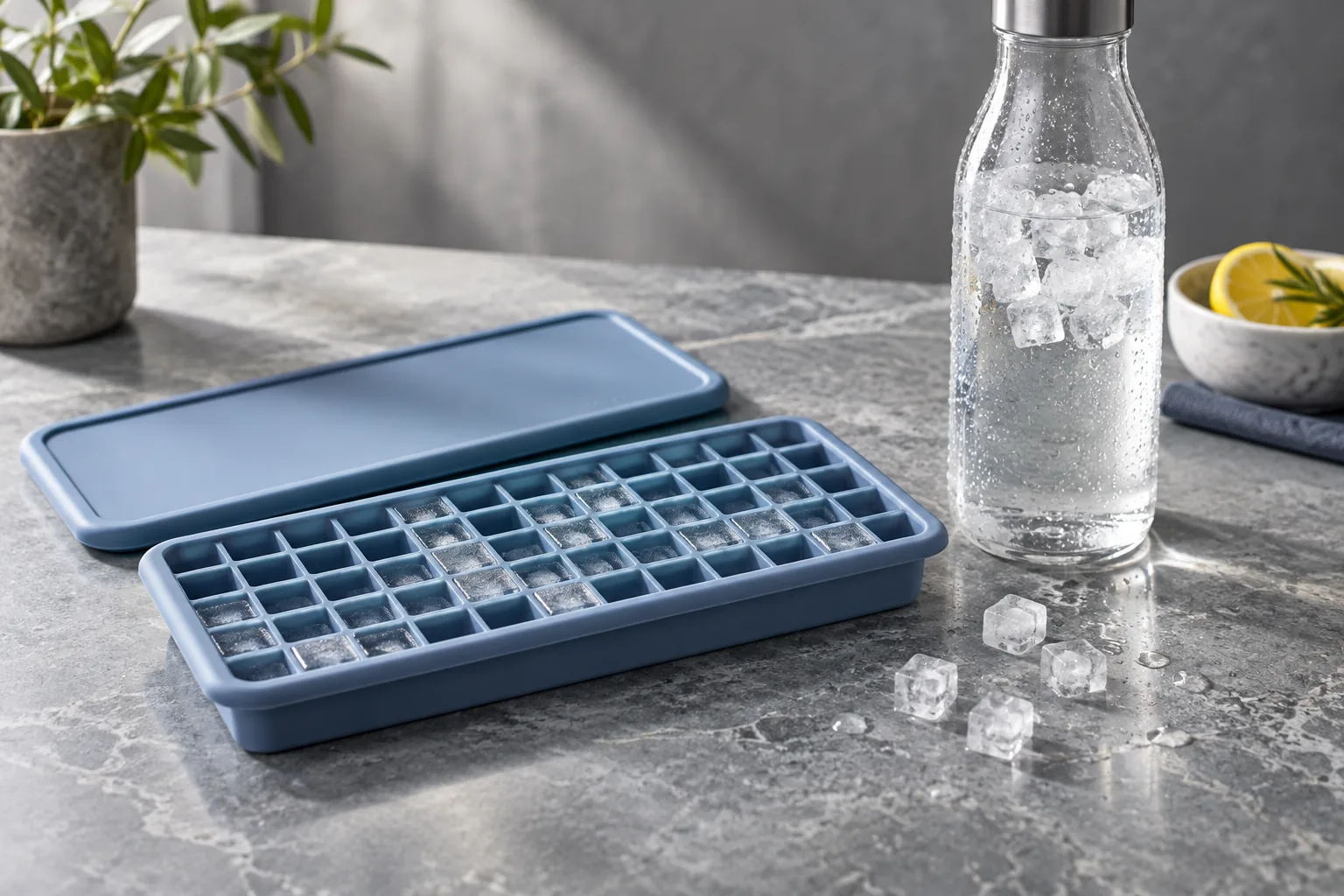
A private-label small-cavity tray developed for bottle-friendly ice, repeatable filling, flexible release and compact freezer stacking.
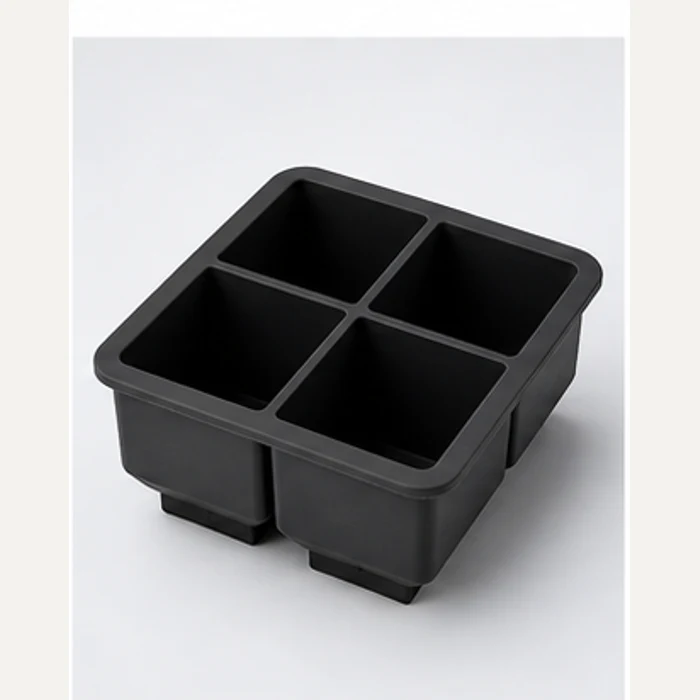
Slow-melting large cube format for premium beverages.
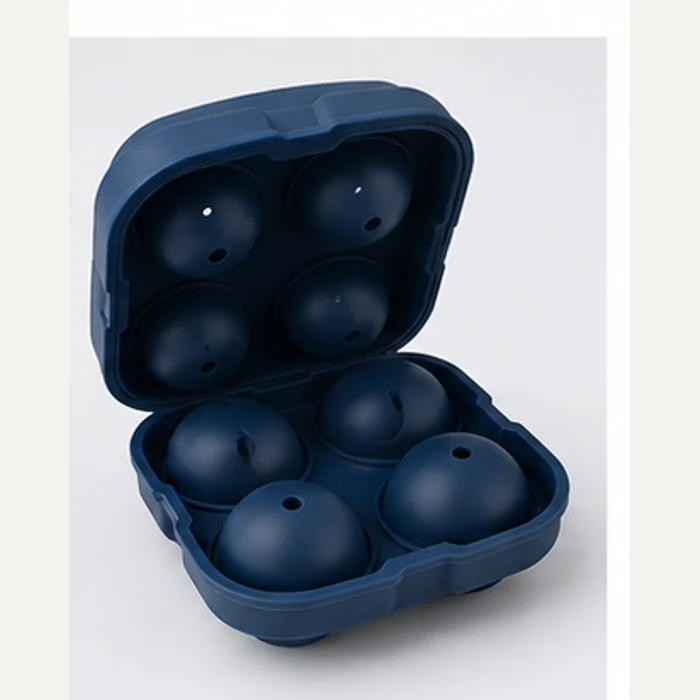
Two-part sphere mold for cocktails and presentation-focused drinks.
B2B PROJECT INQUIRY
Share the intended product, destination market, order quantity and launch plan. Our project team will review the information and identify the next practical step.
Drawings are helpful but not required. A sketch, reference photo or physical sample can be used for an initial discussion.
GENERAL SOURCING INQUIRY