
Mini-Cube Dimensions
Define a bottle-neck clearance or serving target before fixing the frozen-piece size and cavity profile.
FREEZE, RELEASE & REUSE
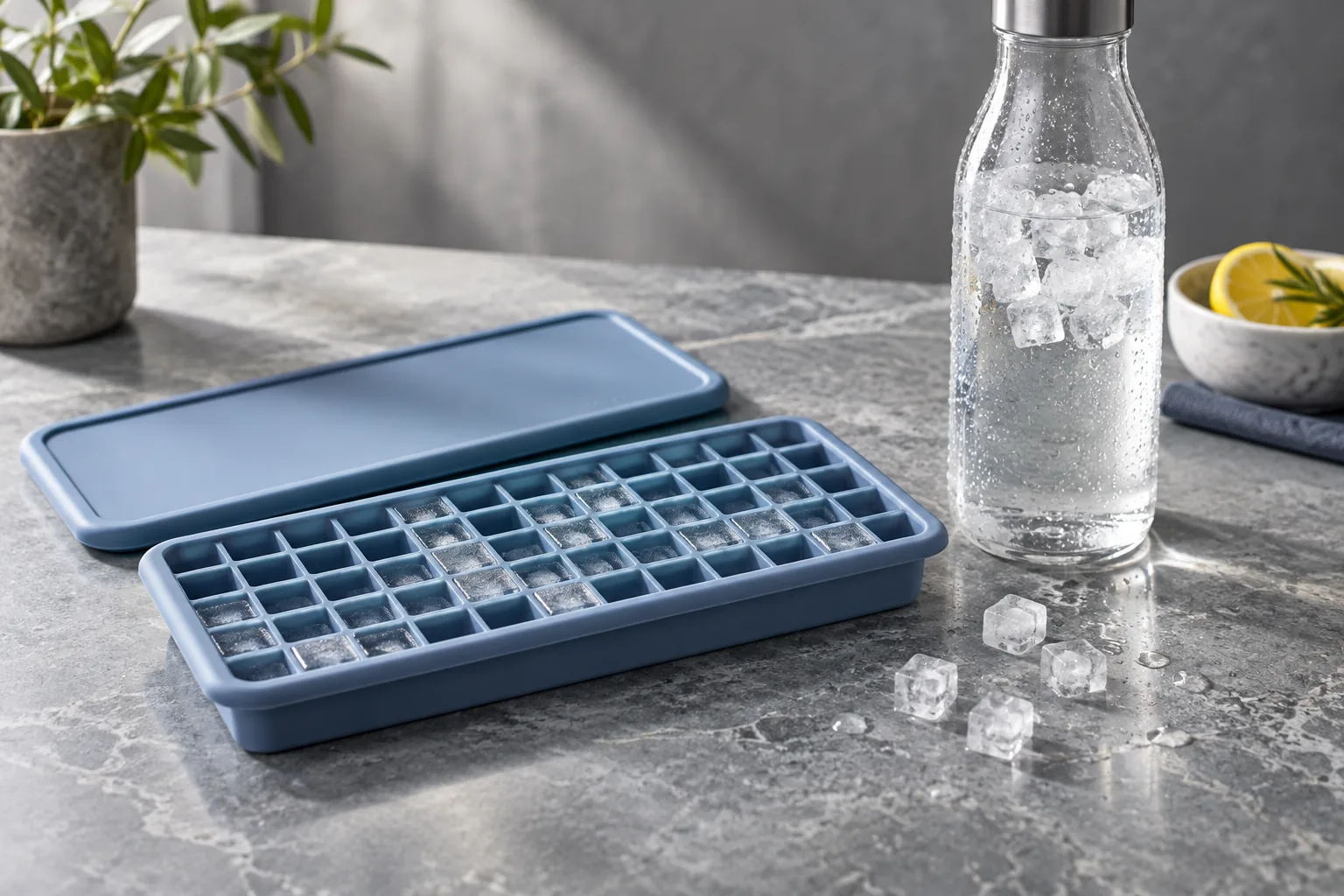
PRODUCT OVERVIEW
A mini ice cube tray serves a different brief from a large whiskey mold: the buyer needs a defined small-piece size that suits a named bottle neck, drink service or portioning application. Naike Silicone can develop the cavity grid, rim and optional cover as a coordinated SKU. We do not call every small cube bottle-compatible without measuring the intended opening and checking the frozen sample.
Begin with target cube dimensions, cavity count, tray footprint, freezer shelf clearance and the actual container or serving setup. The tooling review balances cell pitch, wall thickness, base support, draft and corner radii so filled trays can be handled and individual cubes released without excessive distortion. A controlled sample review should record fill level, freezing conditions, removal method and any dimensional variation that matters to the application.
A lid may limit incidental contact and help organize storage, but its fit and stacking behavior must be checked with filled trays and the intended freezer arrangement. Compound choice, food-contact evidence, MOQ, price, sampling time, production capacity and delivery remain conditional on approved drawings, pigment, packaging, destination market, order mix and the live factory schedule. The approved selling unit ties the physical golden sample to color references, artwork, instructions and carton specification.
Product page updated:
Request a B2B QuotationENGINEERING & APPROVAL EVIDENCE
Each stage addresses a different purchasing risk: manufacturability, functional fit and private-label presentation.
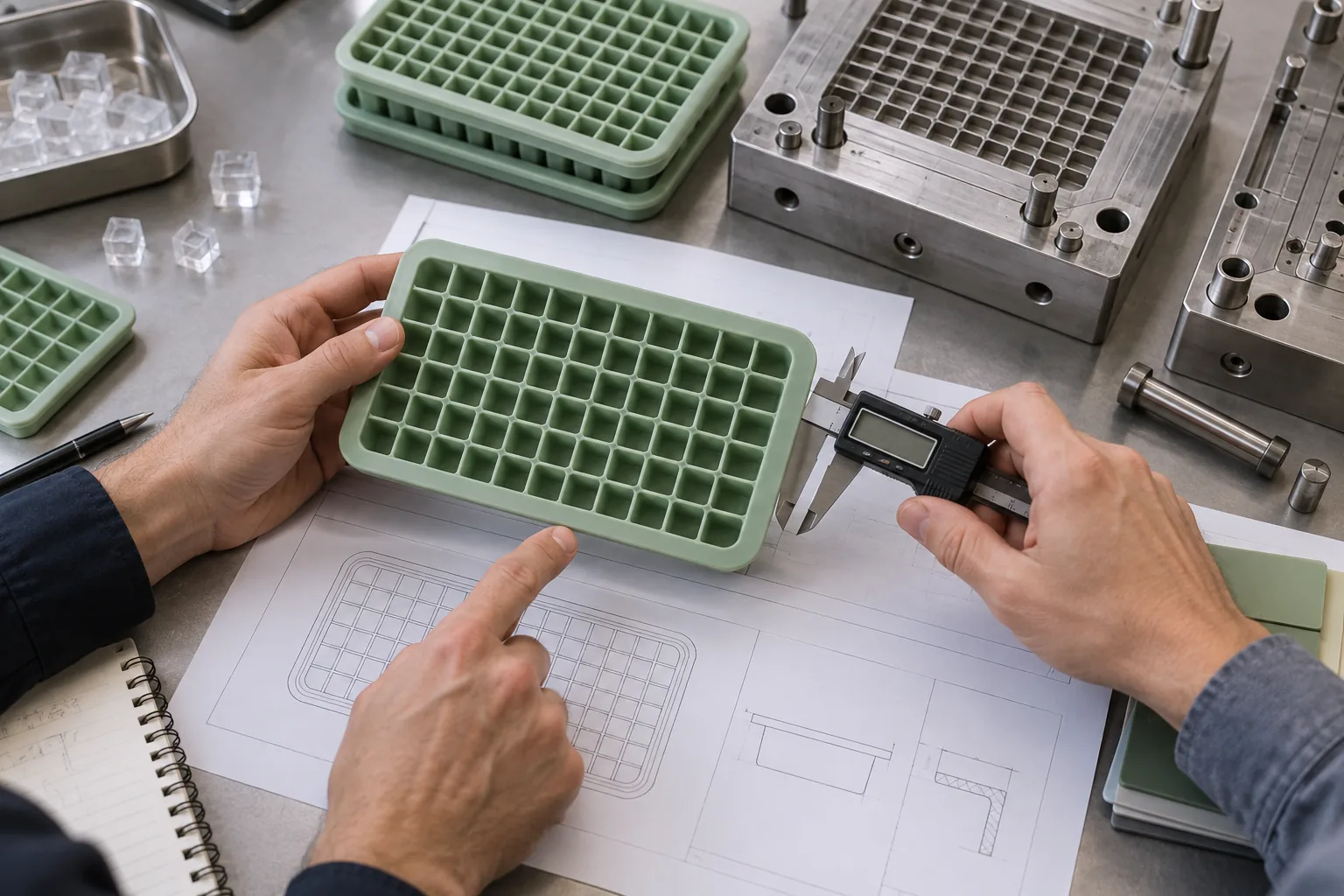
Cavity pitch, corner radius, wall balance and tray footprint are reviewed against an agreed drawing.

A defined freeze-and-release trial evaluates practical removal and tray recovery on approved samples.
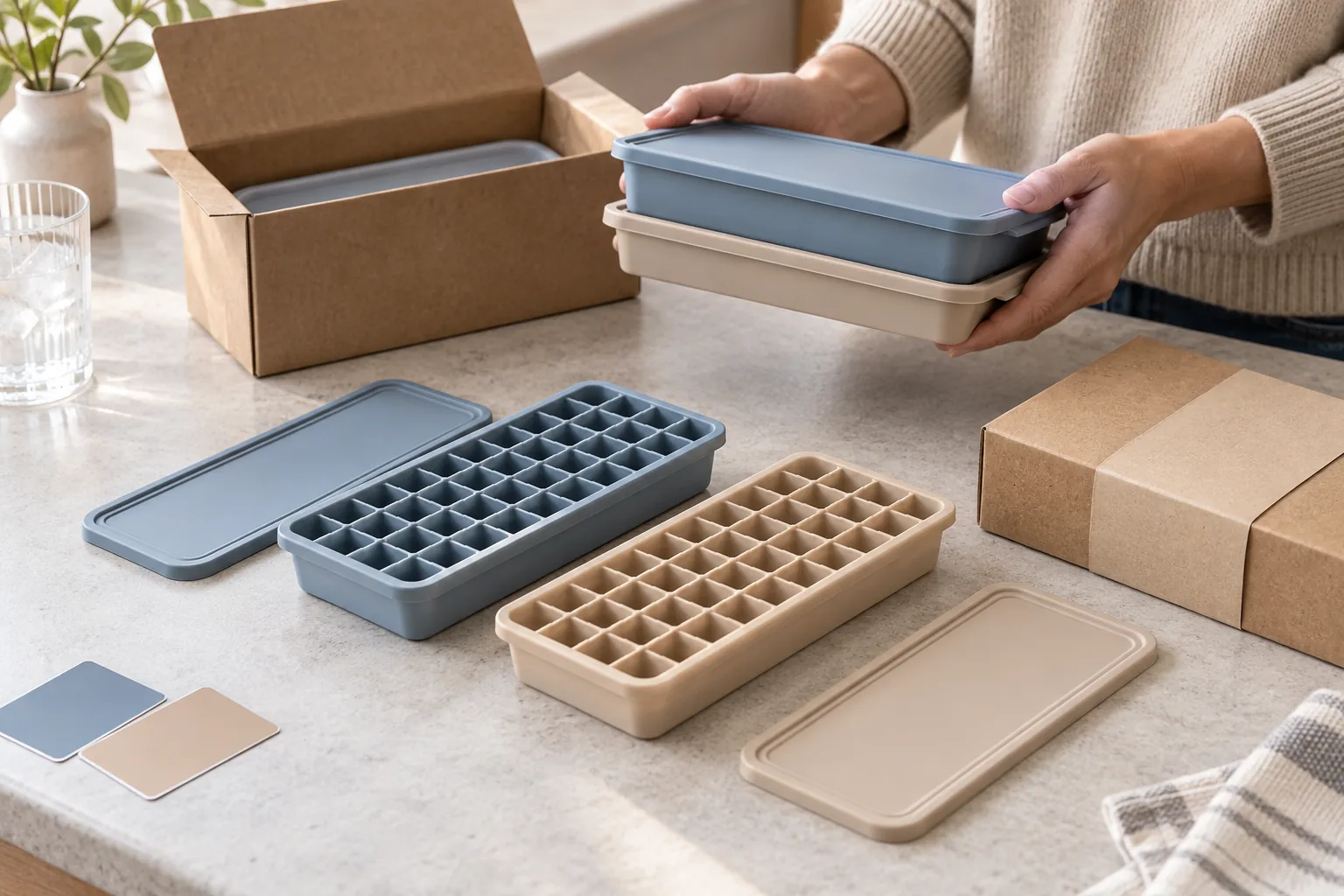
Cover fit, color allocation, instructions and package dimensions are approved as one selling unit.
B2B SOURCING SNAPSHOT
Final terms depend on the approved specification, packaging, quantity and delivery plan.
| Control Point | Buyer Decision | Approval Basis |
|---|---|---|
| Cube format | Target frozen-piece dimensions, corner profile and intended bottle or drink use | Drawing and frozen samples checked against a named container opening |
| Cavity grid | Cell count, pitch, fill line, wall section and tray footprint | Dimensional inspection across representative cells and approved samples |
| Release method | Flex direction, base support, rim grip and expected handling | Buyer-agreed freeze, flex and removal trial under recorded conditions |
| Cover and storage | Optional lid engagement, fill clearance and stacked footprint | Fit and handling check with filled trays in a representative arrangement |
| Material identity | Silicone compound, curing route, pigment and intended food-contact conditions | Finished-SKU evidence reviewed for the destination and intended use |
| Commercial basis | Tooling, cavity plan, MOQ, price, sampling and delivery | Quotation after geometry, tests, colors, pack and current schedule are agreed |
Each project is reviewed as a complete product specification.
Define a bottle-neck clearance or serving target before fixing the frozen-piece size and cavity profile.
Choose cavity number and pitch within the intended freezer shelf, carton and practical filled-tray handling limits.
Tune wall balance, base support, edge radii and flex direction against an agreed sample-release method.
Develop lid engagement, fill clearance, grip area and stacking relationship with the actual tray revision.
Review compound, hardness, surface finish, Pantone-referenced pigment and a manufacturable mark position.
Coordinate tray count, color allocation, care language, barcode, sleeve or box and export carton.
B2B BUYER FAQ
These answers define the decisions required before tooling, sampling and a reliable quotation.
Send target cube dimensions, bottle opening or serving reference, desired cell count, tray footprint, cover requirement, first-order quantity, destination, colors, artwork and packaging concept. A marked photo, sample or CAD drawing helps align the tooling review.
There is no single minimum that applies to every design. Cavity depth, corner detail, wall balance, fill tolerance and release method must be evaluated together; we confirm a feasible size after reviewing the drawing and frozen sample.
A controlled tool and fill method can target consistency, but water level, freezer position and handling affect the result. Agree which dimensions matter, how many cells to inspect and the acceptance range before claiming a repeatable outcome.
That depends on cube size, cavity profile, fill level, freezing conditions and the user's flex direction. We assess a buyer-agreed release sequence on physical samples rather than promising one-motion release for every use.
The lid and rim can be designed for an intended stack, but loaded-tray deflection, cover engagement, shelf clearance and removal need verification. A cover is not by itself proof of a leakproof or airtight pack.
Provide the smallest measured internal opening and the bottle geometry. Freeze representative cubes, measure their practical envelope and test insertion under the intended handling conditions before approving bottle-friendly wording.
Yes, subject to approved pigment references, artwork location, tray-and-lid color pairing and final packed sample. Each additional variant can affect setup, inventory, print minimums and carton planning.
Cavity number, tray size, cover tooling, compound, color split, tests, packaging, quantity and current capacity all influence the quotation. We confirm price, MOQ, sample milestones and production lead time only after the specification and acceptance plan are agreed.
CATEGORY-SPECIFIC REVIEW
Cavity draft, flexibility, spacing and practical demolding direction.
Tray stiffness, fill level, lids, stacking and freezer storage.
Artwork conversion, detail depth and manufacturable branded shapes.
Retail sleeves, sets, food-service packs and promotional programs.
INQUIRY CHECKLIST
Providing clear requirements helps us evaluate tooling, samples, price and lead time.
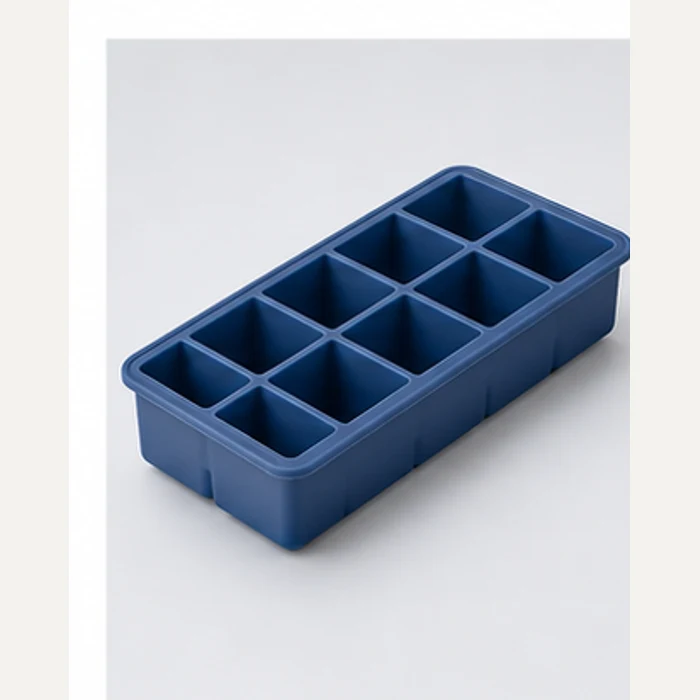
Flexible multi-cavity tray for everyday freezer use.
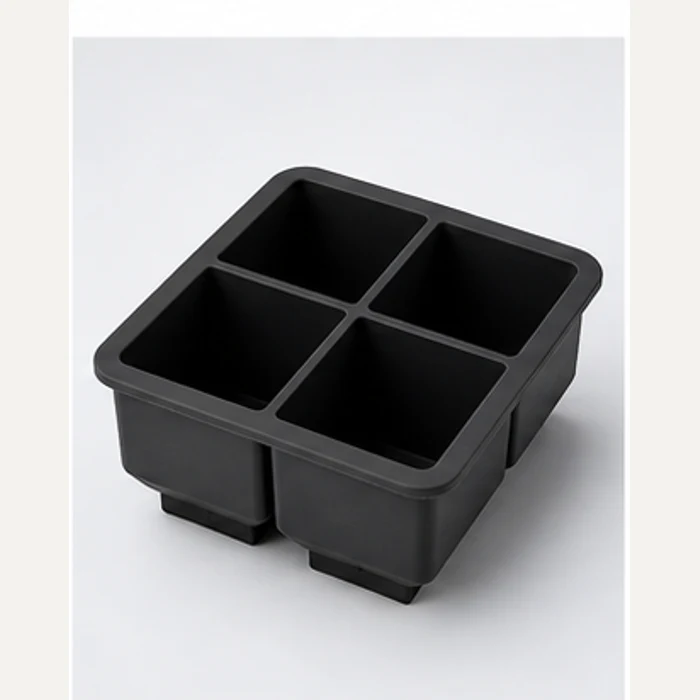
Slow-melting large cube format for premium beverages.
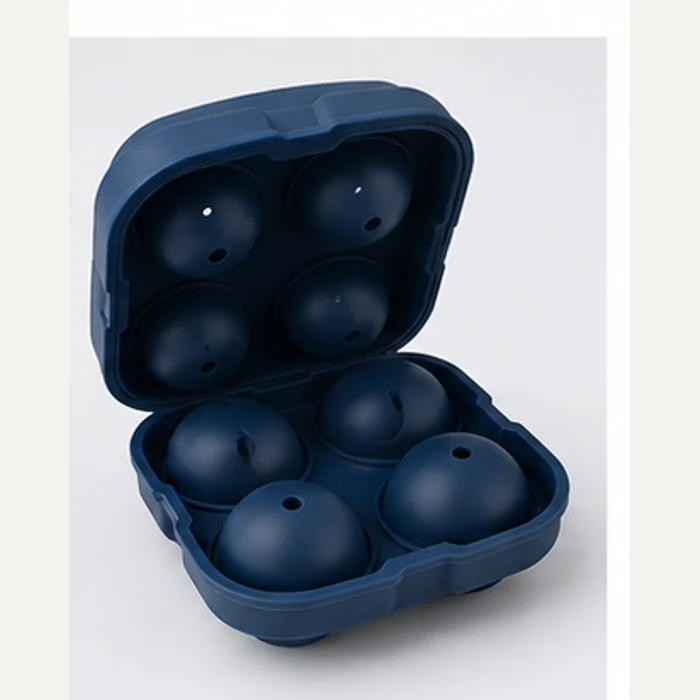
Two-part sphere mold for cocktails and presentation-focused drinks.
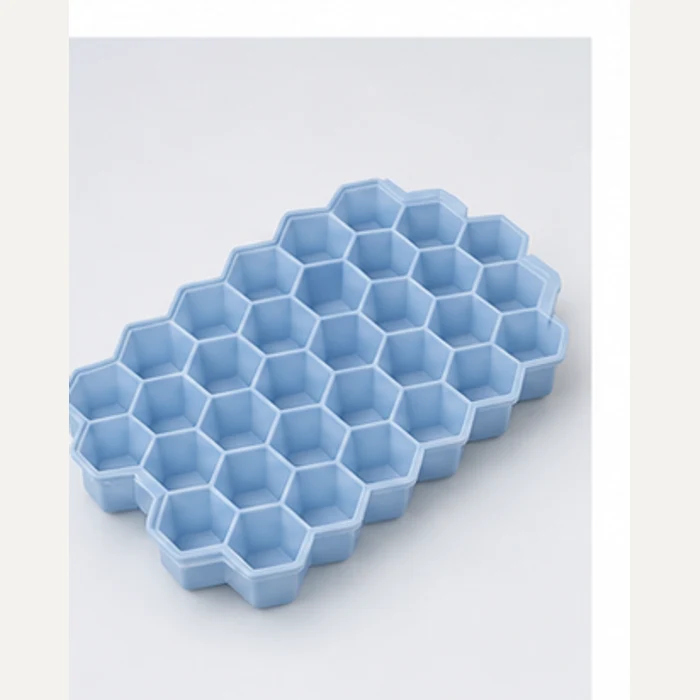
Geometric multi-cavity mold with easy-release silicone construction.
B2B PROJECT INQUIRY
Share the intended product, destination market, order quantity and launch plan. Our project team will review the information and identify the next practical step.
Drawings are helpful but not required. A sketch, reference photo or physical sample can be used for an initial discussion.
GENERAL SOURCING INQUIRY