
Footprint and Capacity
Set the internal span, rim height and outer footprint around named cleaning tools and intended placement.
KITCHEN TOOLS & FOOD STORAGE
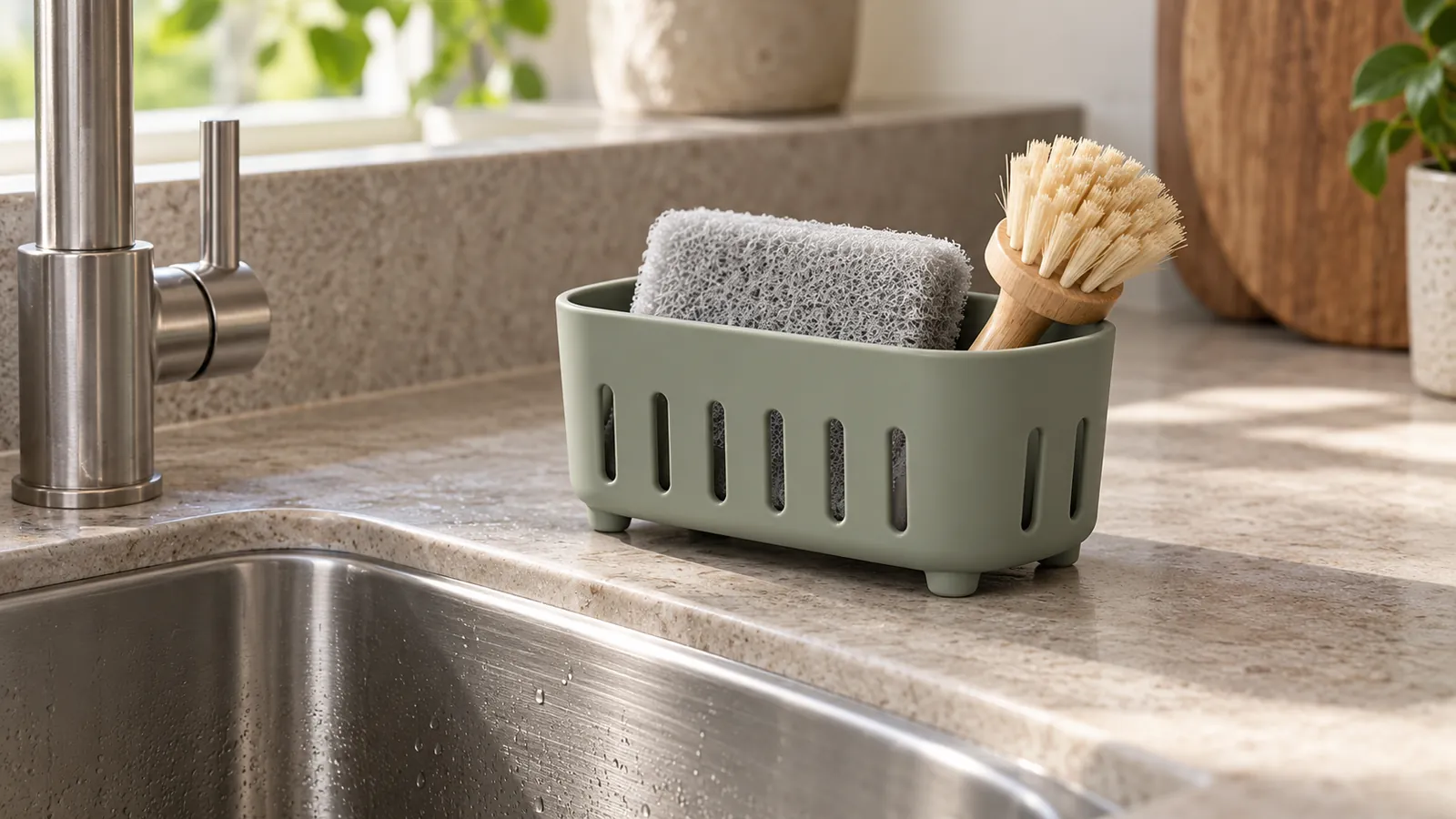
PRODUCT OVERVIEW
A custom silicone sink caddy should organize a sponge or small brush while allowing retained water to leave the holder and the contact surface to dry. Naike Silicone can review the buyer's sponge size, counter or basin placement, slot pattern, raised-foot clearance, wall support, rim grip and cleaning routine as a single development brief. The images on this page are original illustrative concepts, not photographs of an existing Naike order or evidence that the depicted design has passed testing.
The first decision is where the caddy will sit and which items it must carry. A freestanding basket on a level counter needs a different drainage route and stability check from a holder placed inside a sink, and a tall brush changes the center of gravity. Drainage, drip containment, surface marks and cleaning access should be evaluated on a molded sample under the buyer's named use conditions rather than claimed from the concept image.
Tooling review should settle wall and base thickness, slot end radii, slot spacing, foot geometry, rim stiffness, parting line, flash limits and demolding direction. Color, molded branding, accessory inclusion and retail packaging can be developed around the approved geometry, but MOQ, unit price, mold cost and lead time remain project-specific. Agree a drawing, material brief, validation plan and signed sample before releasing a production specification.
Product page updated:
Request a B2B QuotationENGINEERING & APPROVAL EVIDENCE
Each stage addresses a different purchasing risk: manufacturability, functional fit and private-label presentation.
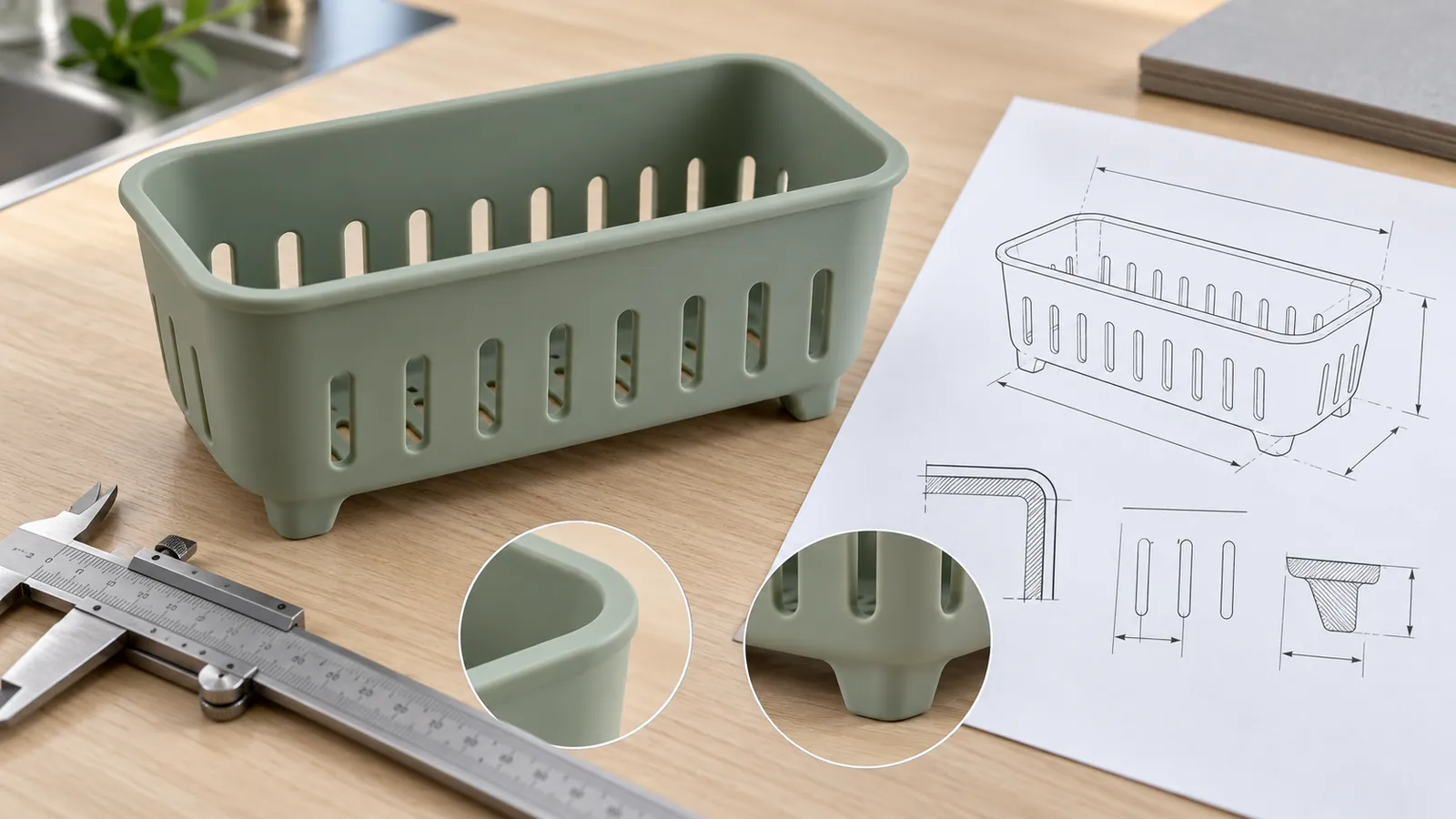
Illustrative scene: review slot radii, rim support, wall balance, raised feet, parting and release before tooling.
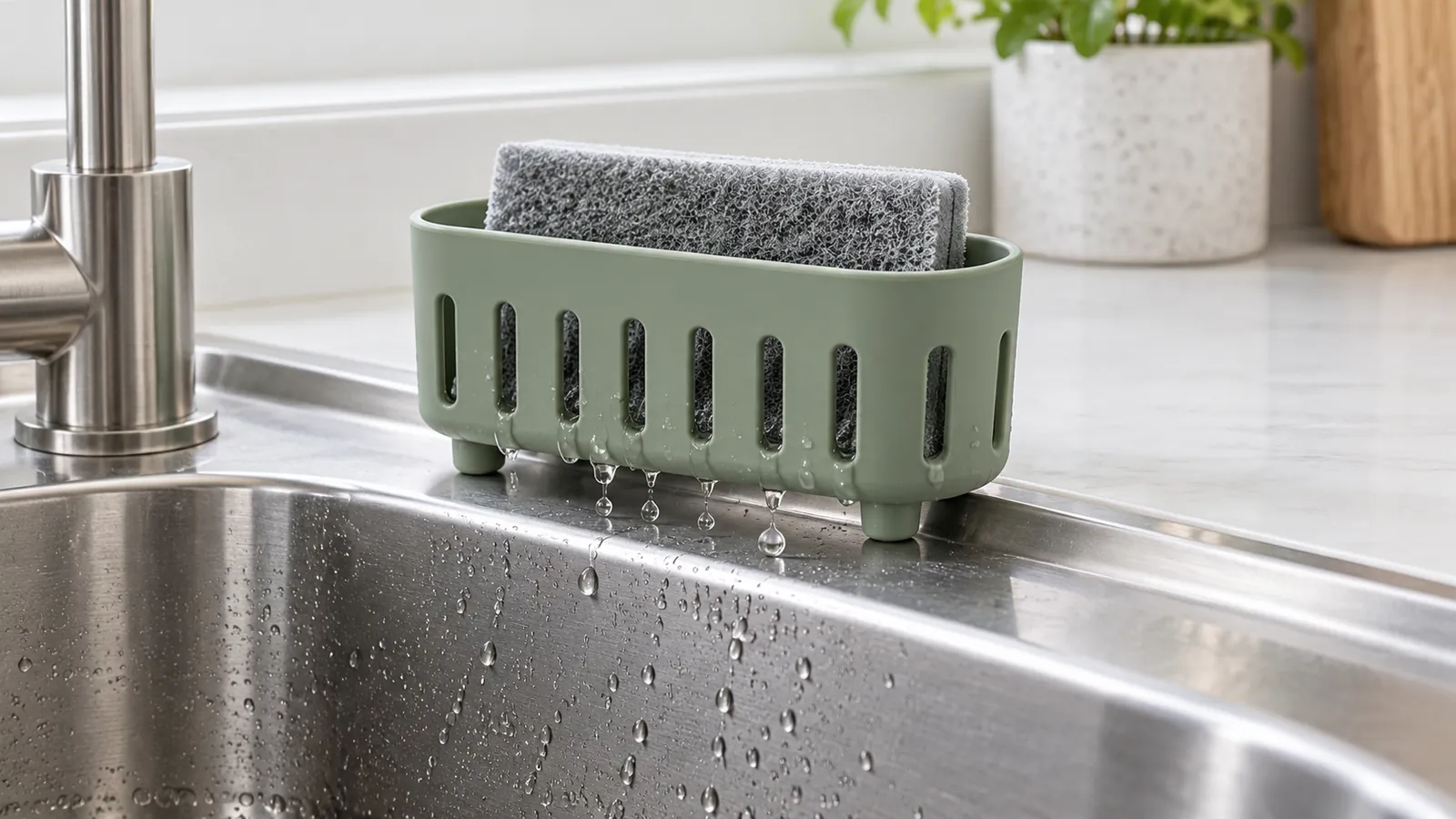
Illustrative scene only; drainage, standing stability, surface contact and cleaning must be checked on identified samples.
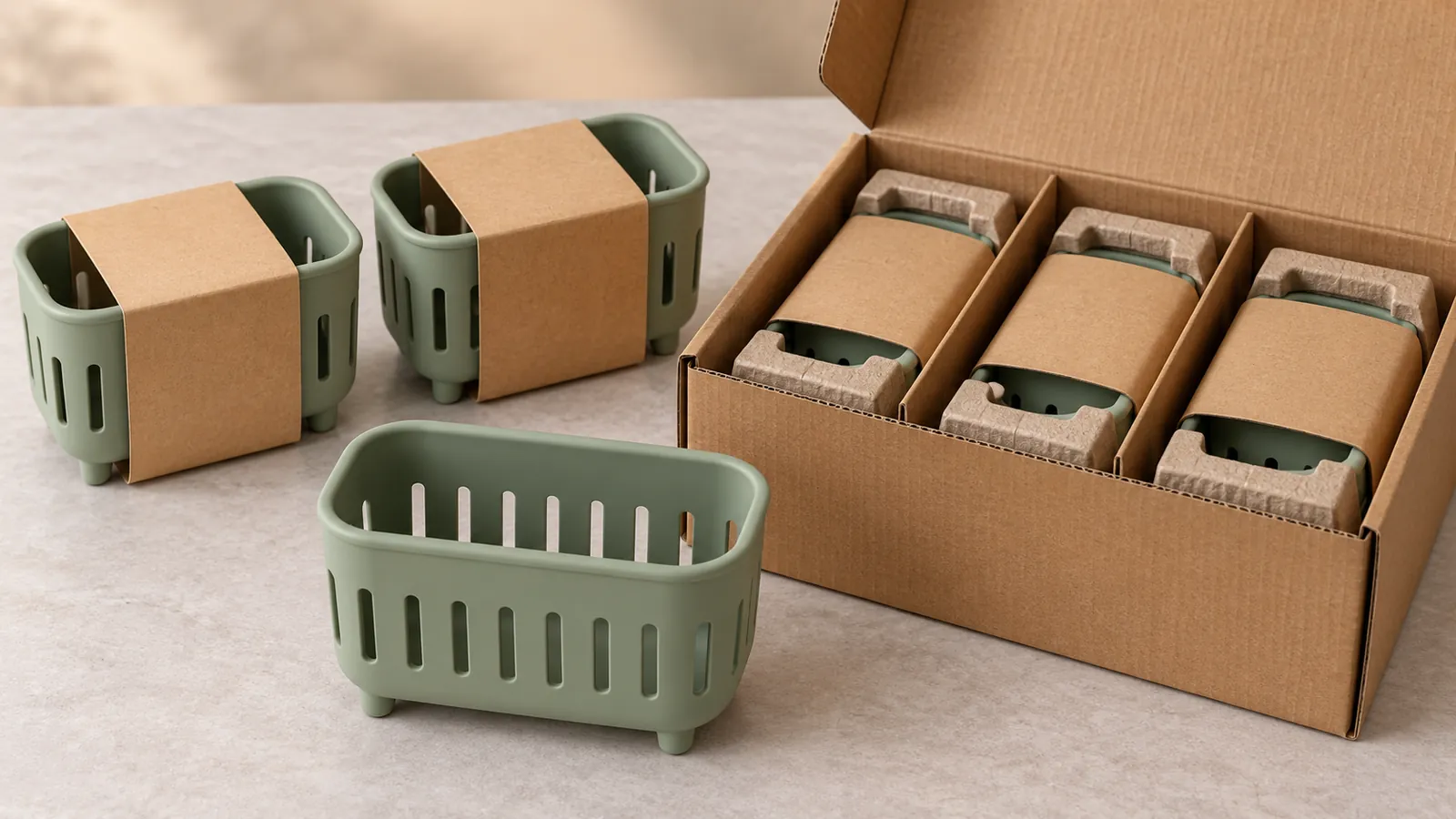
Illustrative scene: approve shape protection, sleeve fit, count and master-carton arrangement for the released SKU.
B2B SOURCING SNAPSHOT
Final terms depend on the approved specification, packaging, quantity and delivery plan.
| Control Point | Buyer Decision | Approval Basis |
|---|---|---|
| Placement and footprint | Buyer-defined counter or basin location, length, width and height | Drawing and fit check on the target sink or counter |
| Storage capacity | Named sponge, scrubber or small-brush dimensions and expected wet load | Physical loading and access check on molded samples |
| Drainage geometry | Slot count, width, end radii, position and raised-foot clearance | Measured dimensions and named drainage observation method |
| Standing support | Base contact pattern, wall stiffness and tilt resistance | Stability check with defined contents and surface condition |
| Material and cleaning | Approved silicone compound, pigment, texture and wash method | Finished-part evidence and cleaning review for the target market |
| Commercial pack | Unit count, optional accessories, sleeve, carton, MOQ and lead time | Quoted against approved BOM, sample and volume forecast |
Each project is reviewed as a complete product specification.
Set the internal span, rim height and outer footprint around named cleaning tools and intended placement.
Choose drainage direction, opening geometry and spacing while retaining cleanability and molded wall strength.
Tune foot height, count and contact area to the target sink or counter; validate grip and drip path.
Specify compound, pigment, texture and molded mark after reviewing cleaning and appearance limits.
Review parting, slot cores, venting, wall balance, flash, demolding and first-article corrections before golden-sample signoff.
Approve sleeve, insert, care card, barcode area, accessory count and carton dividers as a controlled selling unit.
B2B BUYER FAQ
These answers define the decisions required before tooling, sampling and a reliable quotation.
Send target placement, sink or counter dimensions, items to hold, desired footprint, slot direction, color, branding, quantity, destination market and pack format. A reference sample or sketch helps define capacity and appearance.
Possibly, but the drain path, base contact and wet-load stability need separate checks on each target surface. Provide both use conditions before fixing geometry.
Set slot width and spacing against the contents, intended water path, wall thickness, cleanability and tool-release direction. Confirm the selection on first articles rather than relying on rendering alone.
No universal guarantee can be made. Foot clearance may help air and water movement, but the result depends on the surface, water volume, cleaning routine and actual molded geometry.
Yes, as an integrated compartment or an approved separate accessory, subject to tool design and stability review. Define the brush dimensions and accessory ownership in the bill of materials.
No. The page shows an illustrative development concept. Any material, performance or regulatory claim must be supported for the final approved SKU and destination market.
Agree the wash route for the finished compound, paying special attention to slot ends, feet, inner corners and any brush compartment. Validate cleaning and drying instructions before using them on retail packaging.
Part size, slot-core complexity, wall design, color split, sample rounds, required evidence and packaging all affect commercial terms. Confirm them after the drawing and approval plan are fixed.
CATEGORY-SPECIFIC REVIEW
Contact conditions, heat, cleaning, storage and expected service life.
Hardness, flexibility, grip, texture and surface appearance.
Sizes, color families, product sets and price-position planning.
Retail boxes, hanging cards, inserts, labels and export cartons.
INQUIRY CHECKLIST
Providing clear requirements helps us evaluate tooling, samples, price and lead time.
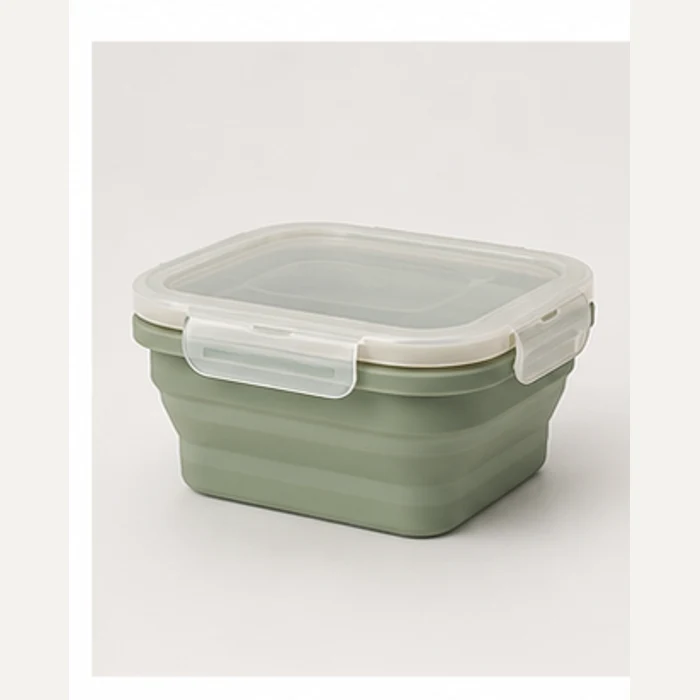
Foldable storage format for space-efficient kitchens.
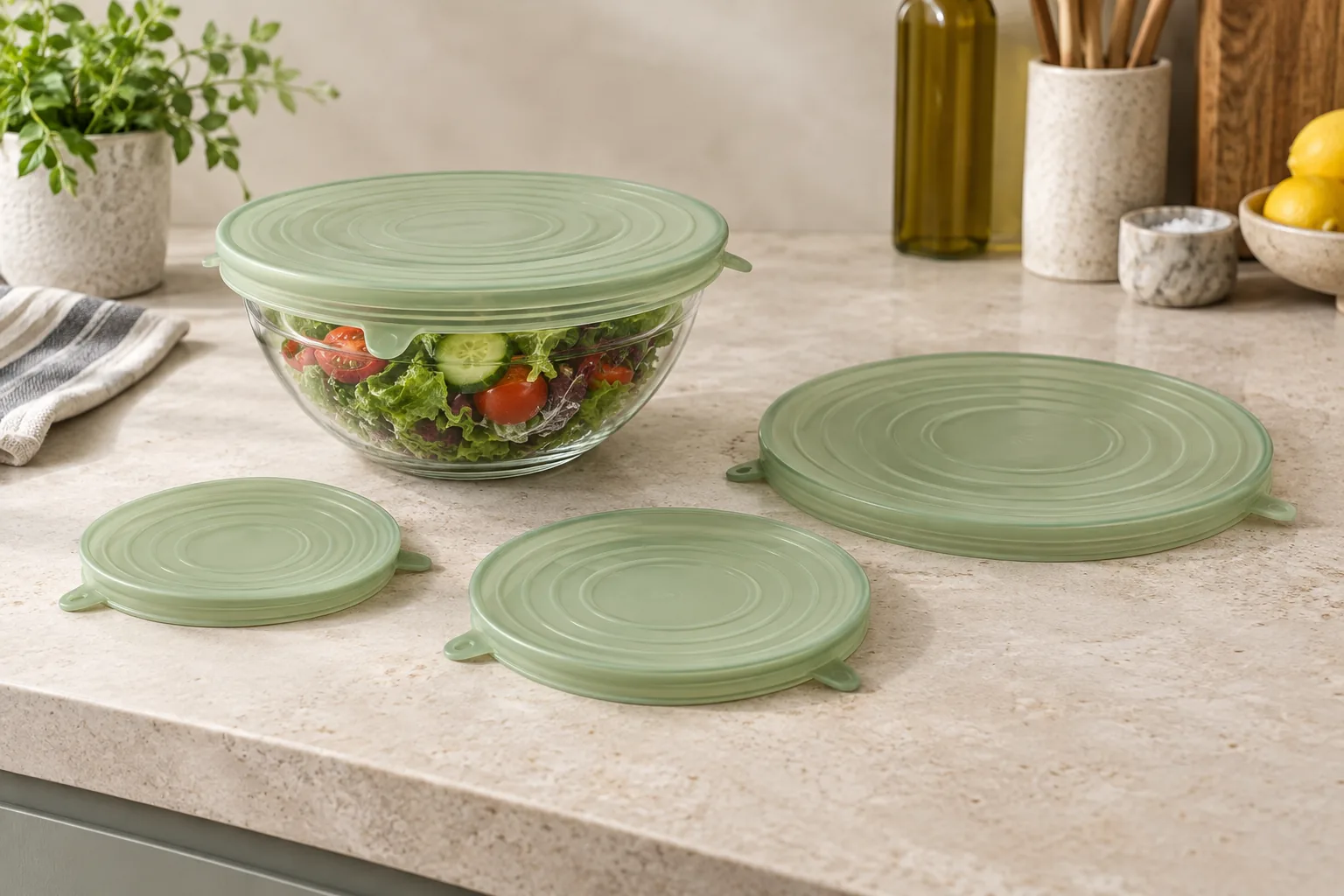
A private-label multi-size cover set developed around vessel-rim fit, elastic recovery, pull-tab usability and a controlled retail size mix.
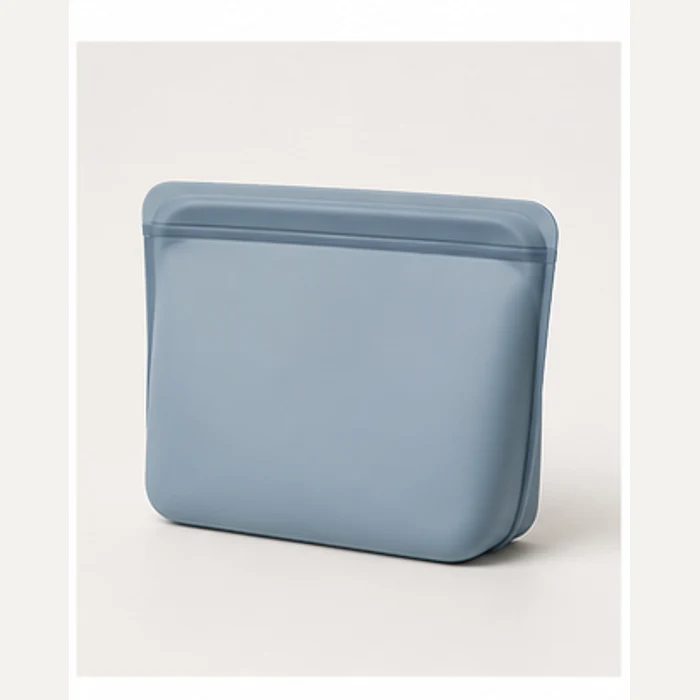
Easy-clean reusable bag for snacks and meal preparation.
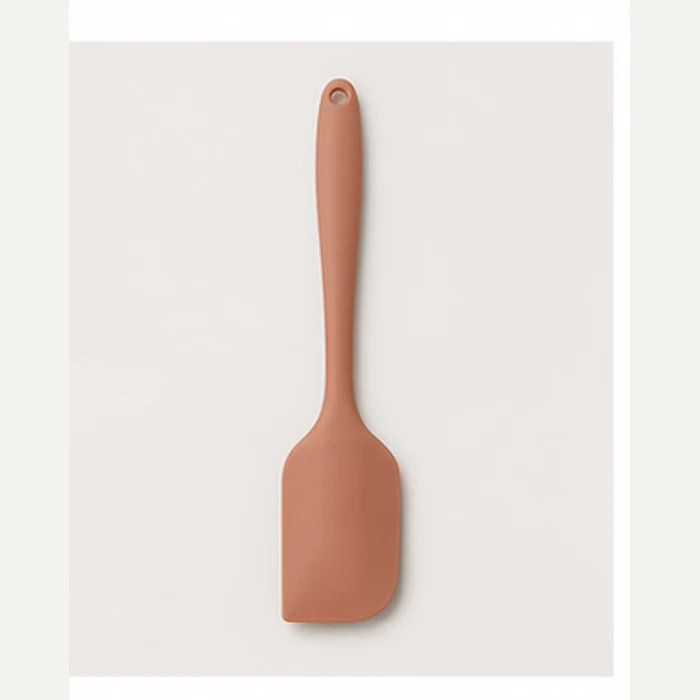
One-piece cooking tool with hygienic construction.
B2B PROJECT INQUIRY
Share the intended product, destination market, order quantity and launch plan. Our project team will review the information and identify the next practical step.
Drawings are helpful but not required. A sketch, reference photo or physical sample can be used for an initial discussion.
GENERAL SOURCING INQUIRY