
Vessel Range
Build a named bowl-and-container matrix before selecting the number of lid sizes or claimable fit intervals.
KITCHEN TOOLS & FOOD STORAGE
PRODUCT OVERVIEW
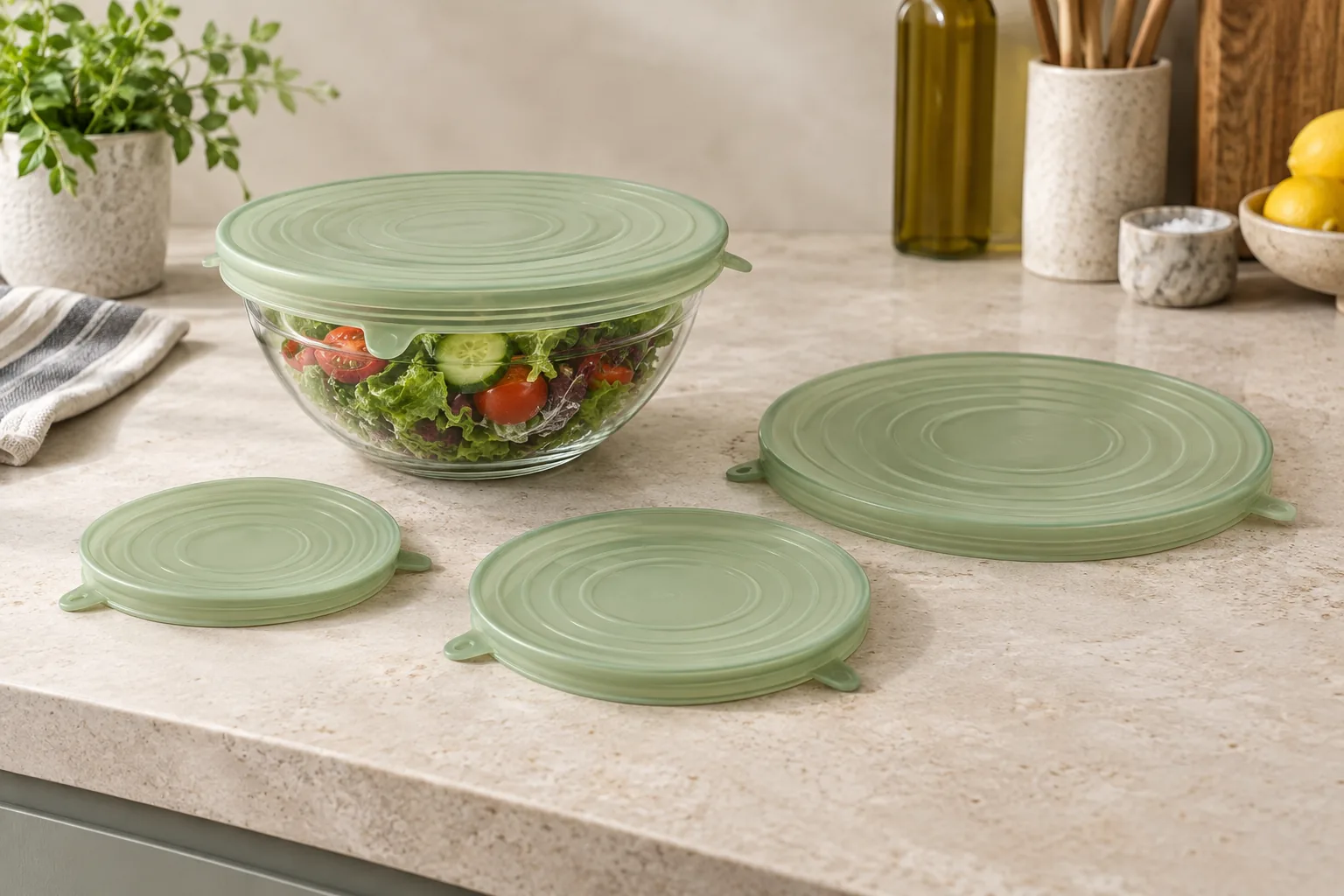
A stretch lid set is useful only when each size fits the containers named in the buyer's range. Naike Silicone can develop a family of reusable silicone covers with differentiated diameters, gripping tabs and rim profiles, but the range must be evaluated on representative glass, ceramic and metal vessels. A broad visual assortment does not prove universal fit or a leak-proof seal.
Start with a vessel matrix listing measured outer rim diameter, lip thickness, rim shape and surface condition. The tooling review then considers the lid's relaxed diameter, dome section, circumferential bead, local wall balance, tab geometry and demolding direction for each size. A sample trial can expose curling, difficult removal and loss of recovery after the agreed stretch cycles.
The finished selling unit should specify exact lid count, size coding, color allocation, user instructions, packaging and destination. Compound choice, food-contact documentation, safe-use language, MOQ, price, sampling, capacity and delivery timing depend on the approved drawing, intended contact, chosen methods, order structure and current production schedule; none should be inferred from one studio photograph.
Product page updated:
Request a B2B QuotationENGINEERING & APPROVAL EVIDENCE
Each stage addresses a different purchasing risk: manufacturability, functional fit and private-label presentation.
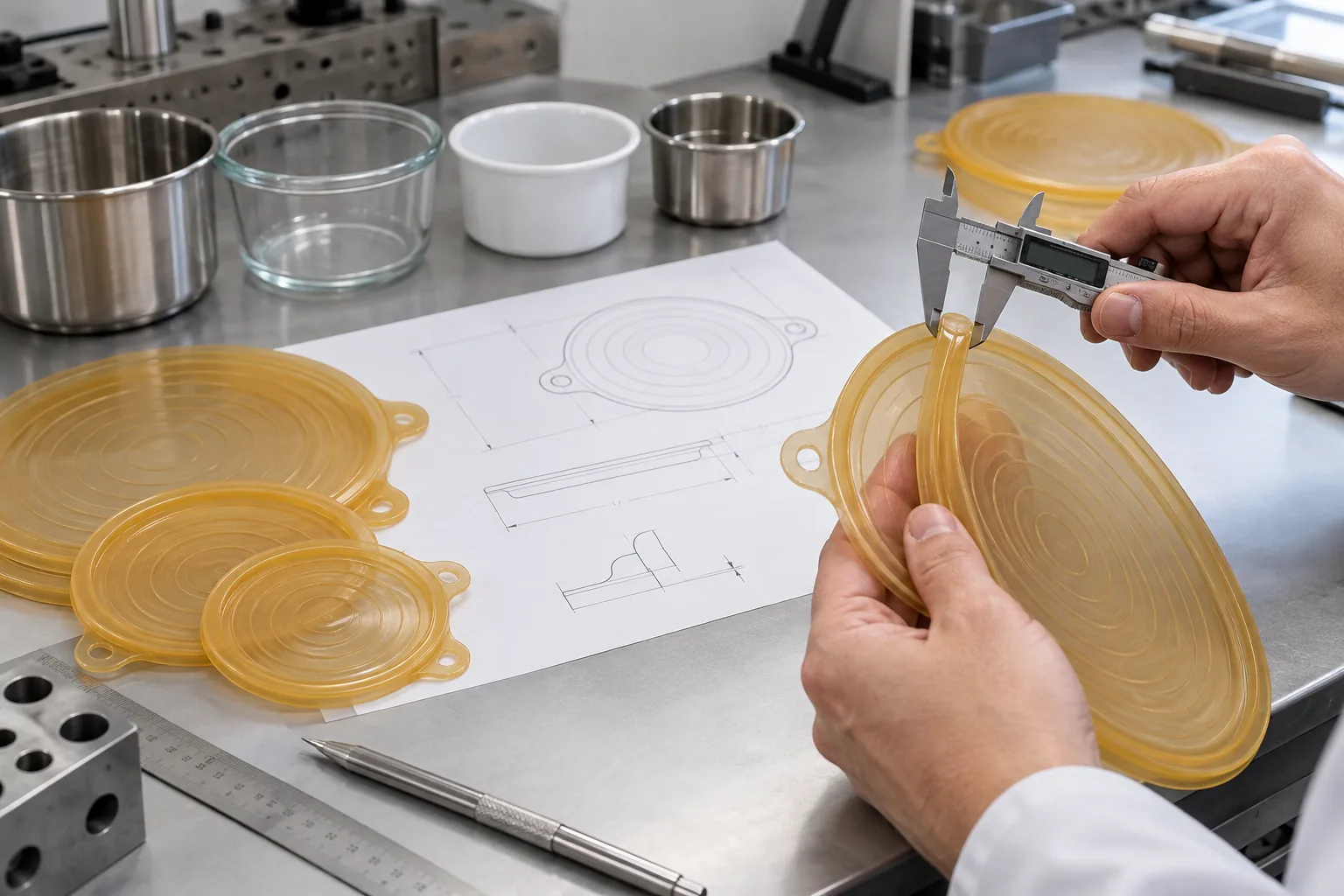
Relaxed diameter, bead section, tab transition, venting and cavity release are reviewed across every proposed size.
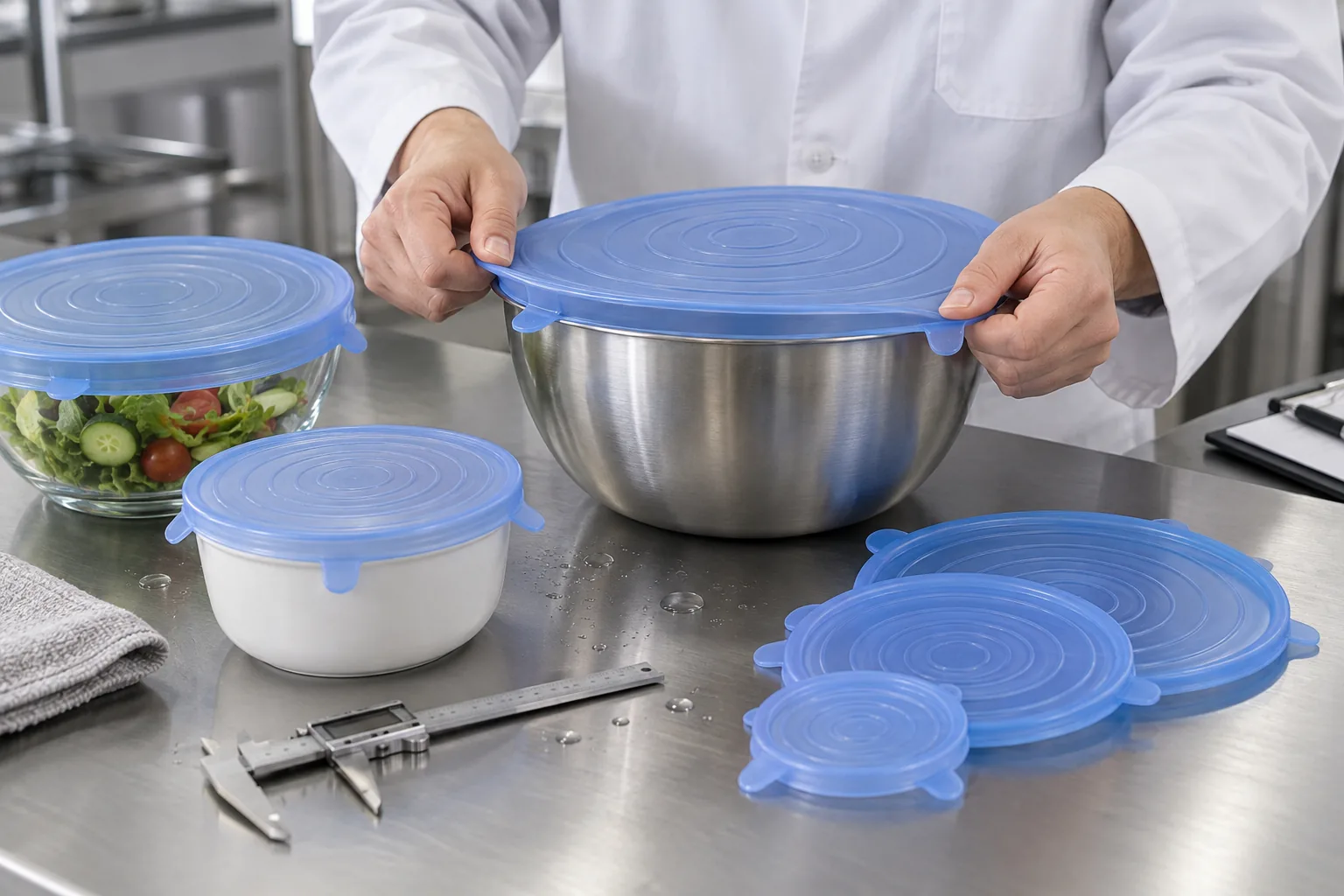
Named vessels and a controlled stretch-and-removal method establish the usable fit range and recovery criteria for a specific sample.
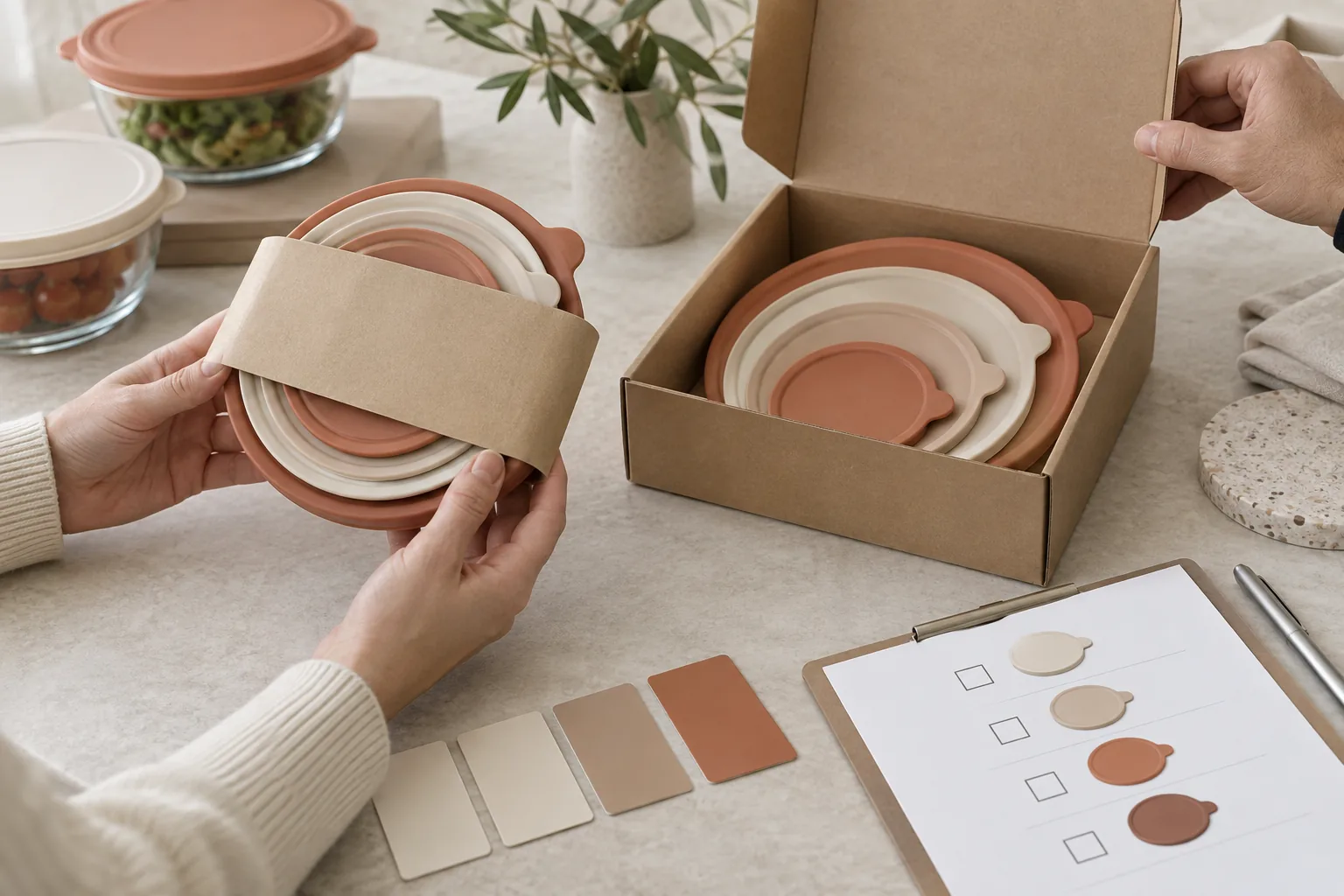
The approved selling unit joins size count, colors, care instructions, sleeve and carton protection to one SKU revision.
B2B SOURCING SNAPSHOT
Final terms depend on the approved specification, packaging, quantity and delivery plan.
| Control Point | Buyer Decision | Approval Basis |
|---|---|---|
| Fit matrix | Target vessels by external rim diameter, shape, lip and material | Measured with named glass, ceramic and metal fixtures rather than a universal fit claim |
| Lid family | Relaxed diameter, intended stretch range, tab count and size identification | Controlled drawings and physical samples for each size in the approved selling unit |
| Rim interface | Bead section, wall transition, grip and removal effort | Fit-and-release observations after a buyer-agreed stretch and rest sequence |
| Material scope | Silicone grade, cure route, hardness, pigment and intended food-contact conditions | Applicable product-specific evidence reviewed against destination-market requirements |
| Retail identity | Color family, molded mark, size count, instructions and packaging | Signed color references, artwork and packed golden sample |
| Commercial basis | Tool count, cavity plan, per-size volumes, MOQ, price and delivery phase | Quoted after fit matrix, order mix, validation and current production slot are confirmed |
Each project is reviewed as a complete product specification.
Build a named bowl-and-container matrix before selecting the number of lid sizes or claimable fit intervals.
Adjust bead width, dome section and local wall thickness to balance seating, recovery and practical removal.
Review tab count, grip area and junction radii around wet hands and repeated removal without asserting an untested cycle life.
Choose compound, hardness, surface texture and Pantone-referenced shades for the intended contact and channel.
Position molded marks or size cues away from high-stretch areas and confirm legibility on physical samples.
Coordinate nested order, sleeve, instructions, barcode, language variants and carton after the exact size mix is approved.
B2B BUYER FAQ
These answers define the decisions required before tooling, sampling and a reliable quotation.
Provide the target vessels or measured rim drawings, requested lid sizes, first-order quantity by color, destination, use conditions, reference samples, logo artwork, package concept and any proposed fit or cleaning claims. This allows a scoped tooling and validation review.
No. Rim diameter alone omits lip profile, surface texture, wall taper and practical stretch limit. We define a fit matrix with named representative vessels and approve an applicable range for each lid size on actual samples.
A tool review sets the relaxed diameter, bead section and tab transition. The buyer and factory agree on stretch cycles, fixture sizes, resting period and acceptance criteria before judging recovery; a sample result does not prove unlimited lifetime.
Only if the exact product and named vessels pass a suitable buyer-agreed method for the intended orientation, contents and conditions. A cover that seats on a bowl is not by itself evidence of an airtight or transport-safe seal.
Yes, once the selling-unit count, vessel range, color references and nesting order are approved. Each added size or color can change tooling, sampling, inventory, package dimensions and print quantities.
The responsible buyer should define the destination, intended food, temperature, duration and cleaning method. Documentation and tests must match the finished compound, pigment and SKU; avoid transferring a generic silicone report or care statement to an unreviewed set.
A molded mark can be evaluated outside the critical stretch and grip zones. Approve logo geometry, color, size coding, sleeve artwork, instructions and an assembled pack sample before releasing printed materials.
They depend on the number of sizes and cavities, compound, pigment split, required fit and contact evidence, package minimums, order mix and current factory capacity. A quotation follows the agreed vessel matrix and approved configuration.
CATEGORY-SPECIFIC REVIEW
Contact conditions, heat, cleaning, storage and expected service life.
Hardness, flexibility, grip, texture and surface appearance.
Sizes, color families, product sets and price-position planning.
Retail boxes, hanging cards, inserts, labels and export cartons.
INQUIRY CHECKLIST
Providing clear requirements helps us evaluate tooling, samples, price and lead time.
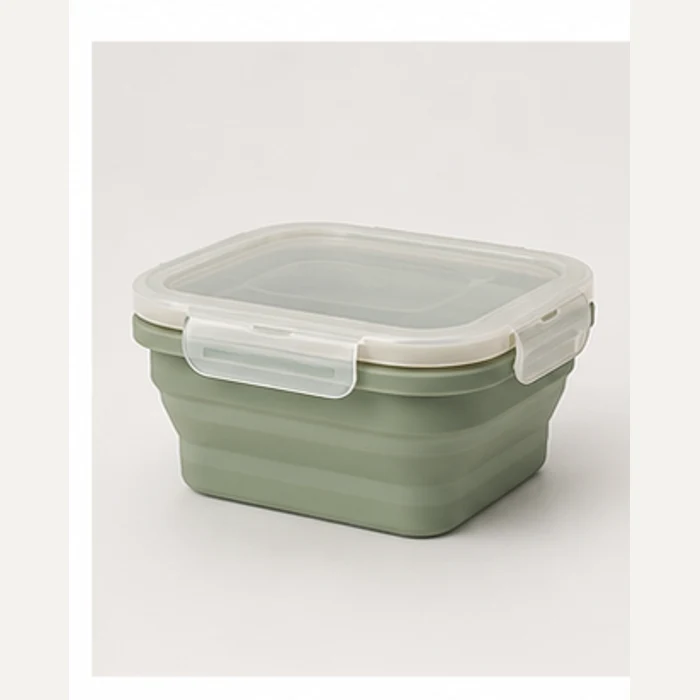
Foldable storage format for space-efficient kitchens.
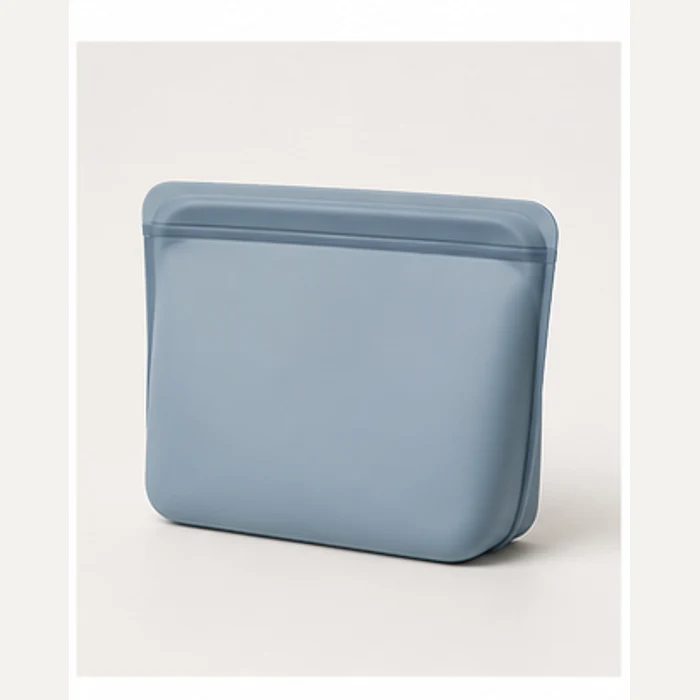
Easy-clean reusable bag for snacks and meal preparation.
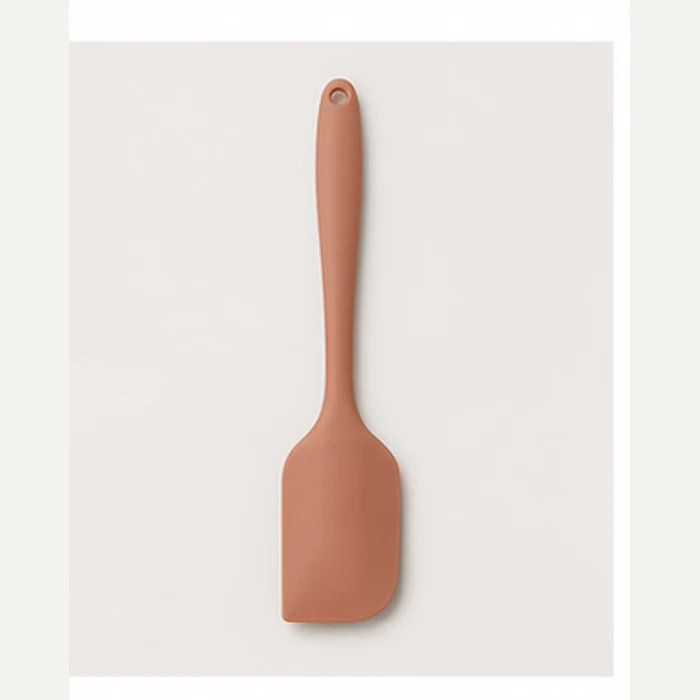
One-piece cooking tool with hygienic construction.
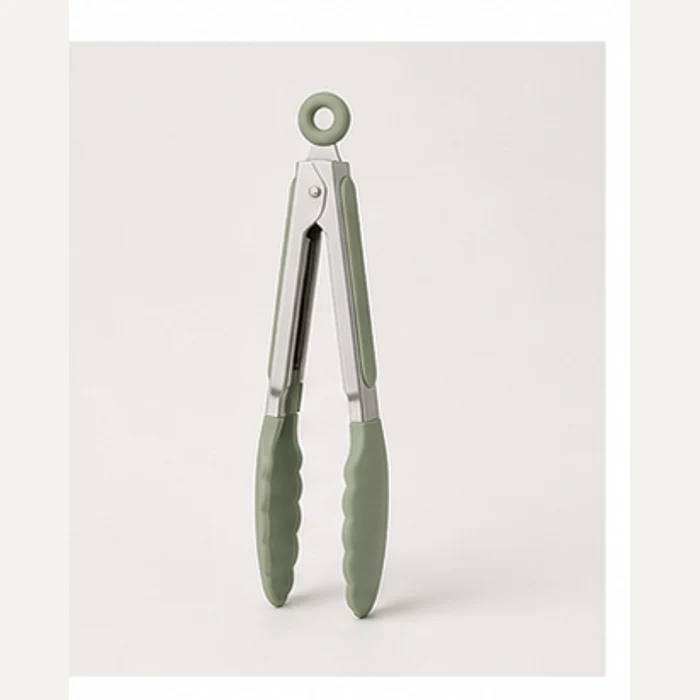
Flexible gripping tool for preparation and serving.
B2B PROJECT INQUIRY
Share the intended product, destination market, order quantity and launch plan. Our project team will review the information and identify the next practical step.
Drawings are helpful but not required. A sketch, reference photo or physical sample can be used for an initial discussion.
GENERAL SOURCING INQUIRY