
Diameter and Height
Define representative plate sizes, expanded food clearance, outer footprint and appliance-space limits before DFM.
KITCHEN TOOLS & FOOD STORAGE
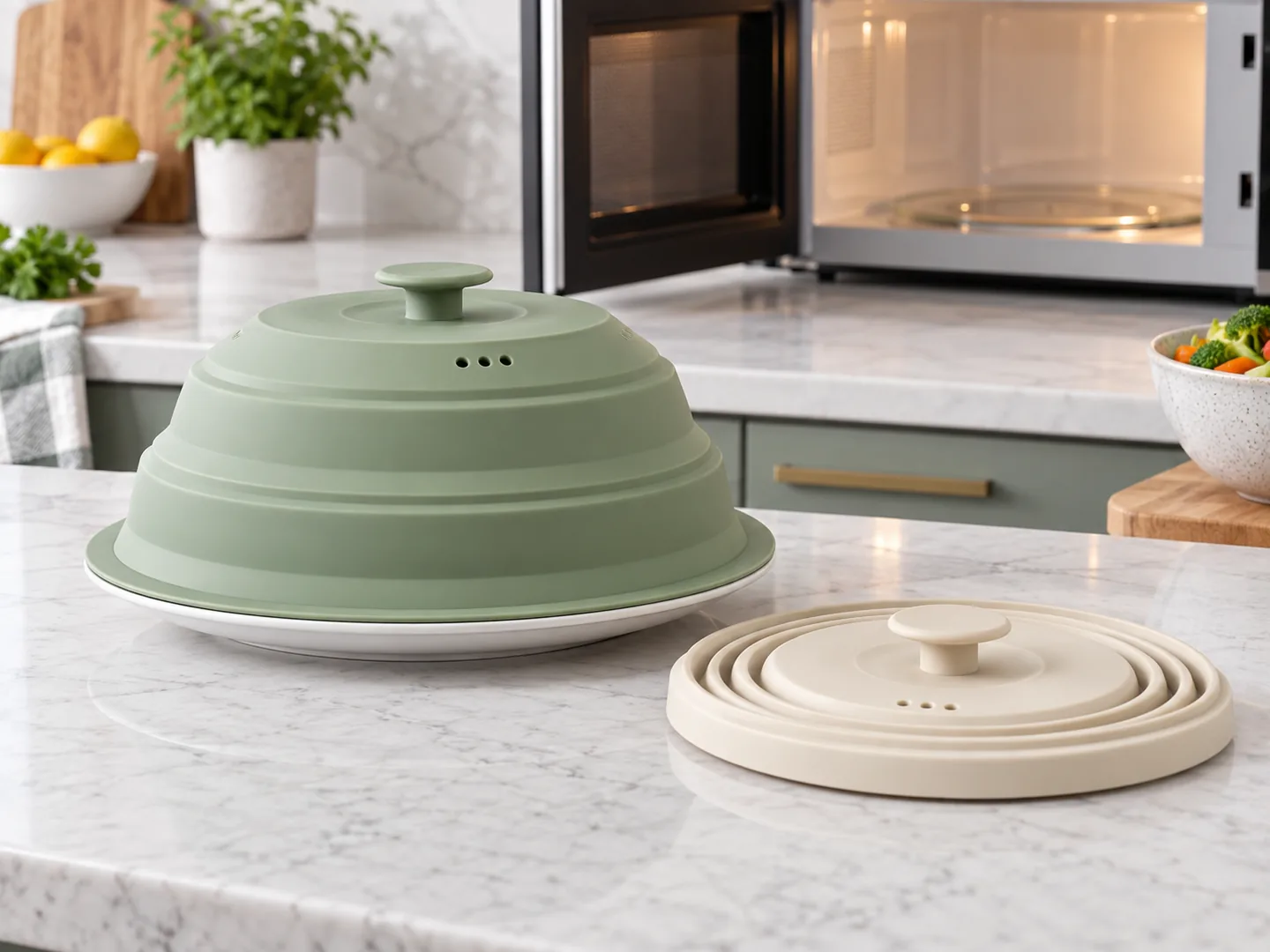
PRODUCT OVERVIEW
A custom silicone microwave splatter cover gives kitchen-accessory brands control over usable diameter, expanded height, collapsed profile, rim stability, vent placement and lifting geometry. Naike Silicone develops those features as one buyer-approved system instead of treating a generic dome as suitable for every plate, microwave cavity or heating condition.
The project brief should identify representative plate diameters, tallest food profile, microwave turntable clearance, target collapsed height, lifting sequence, venting objective and retail pack envelope. These inputs guide bellows pitch, hinge thickness, dome transitions, base-rim section, grip geometry, mold split, vent position and release direction.
Material evidence, temperature or microwave-use statements, tooling investment, MOQ, unit price, sample schedule, production capacity and lead time remain conditional on the approved drawing, buyer-defined test method, destination, color allocation, packaging and current factory loading. Development can begin from a marked reference, dimension sheet, sketch or CAD file.
Product page updated:
Request a B2B QuotationENGINEERING & APPROVAL EVIDENCE
Each stage addresses a different purchasing risk: manufacturability, functional fit and private-label presentation.
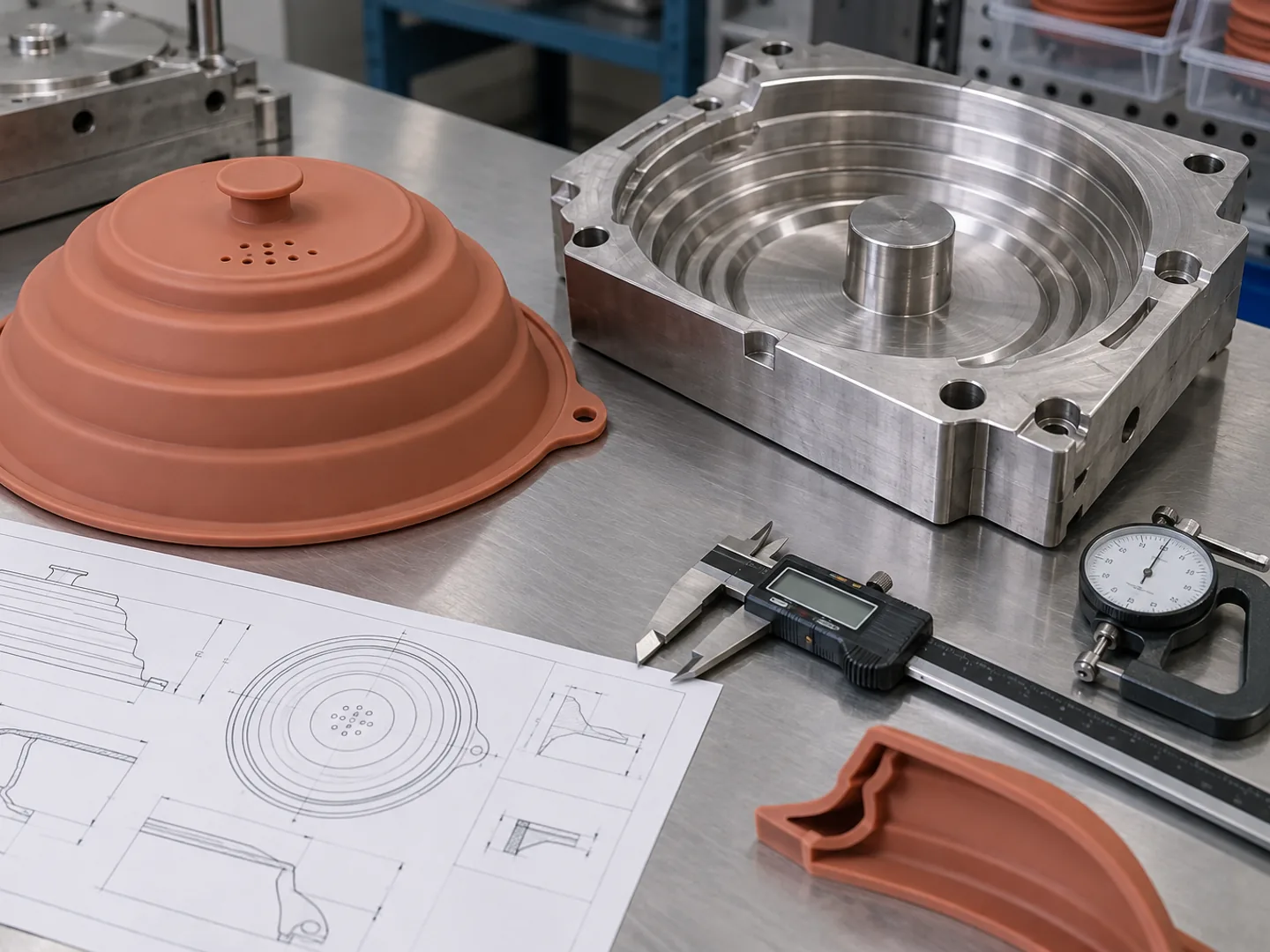
Bellows pitch, hinge sections, rim profile, grip transition, vents and parting surfaces are reviewed before tooling release.
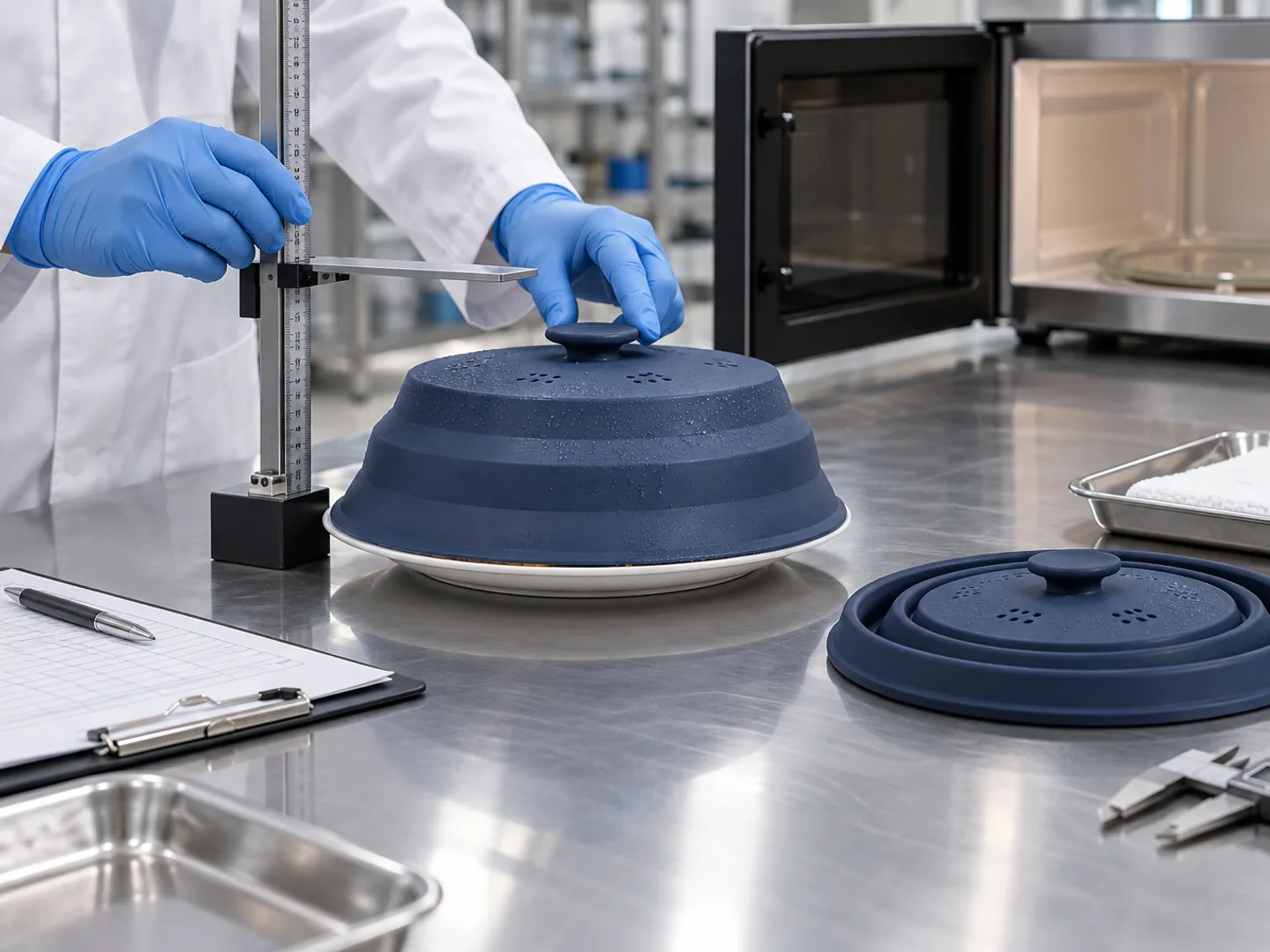
A controlled trial can record expanded clearance, rim seating, handling and recovery after buyer-agreed heating, collapse and conditioning steps.
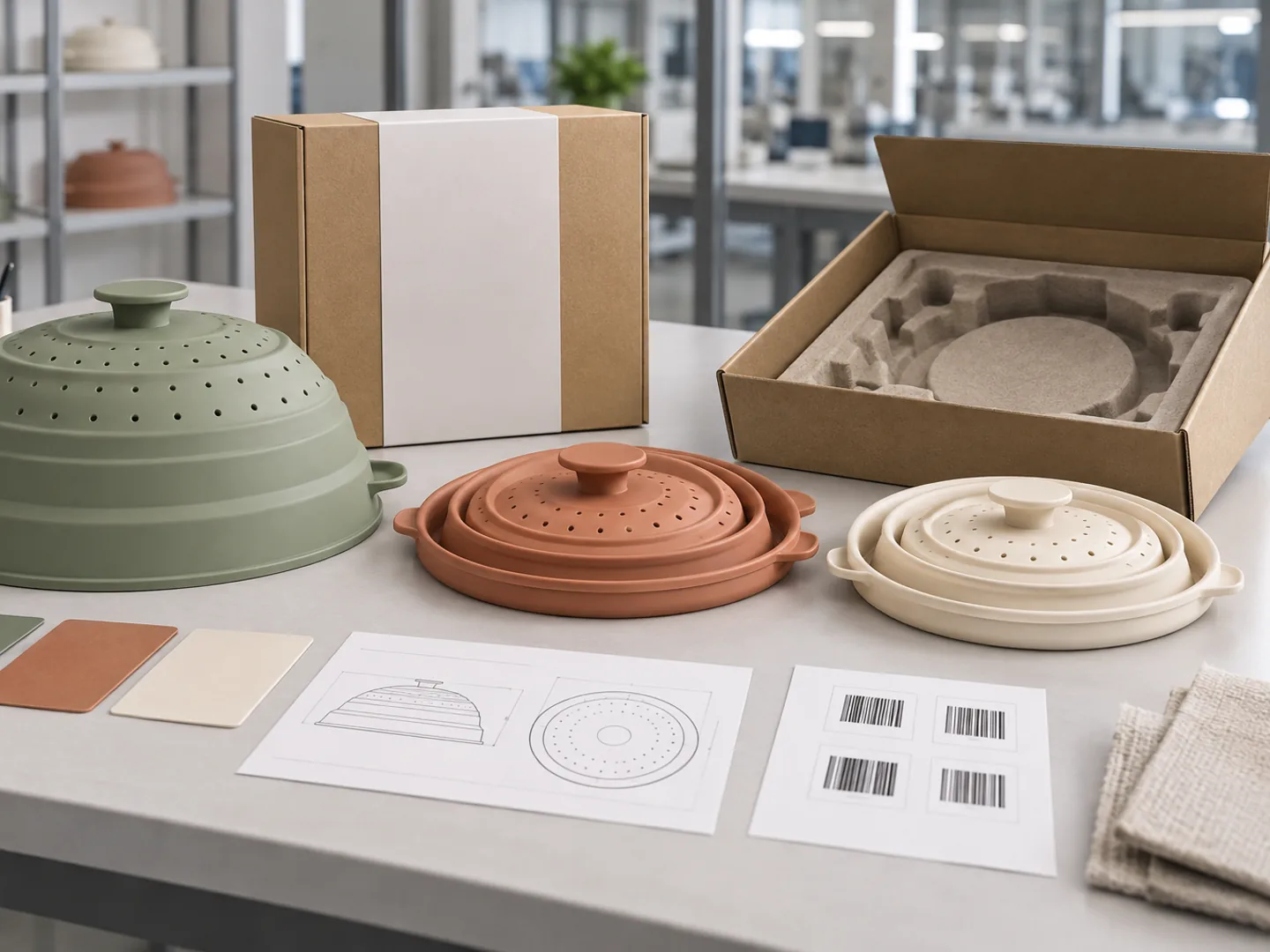
Physical colors, collapsed presentation, instructions, box structure and carton protection are approved against the same product revision.
B2B SOURCING SNAPSHOT
Final terms depend on the approved specification, packaging, quantity and delivery plan.
| Control Point | Buyer Decision | Approval Basis |
|---|---|---|
| Plate and appliance fit | Usable inner diameter, expanded height, outer rim and turntable clearance | Confirmed with named plate fixtures, appliance dimensions and an approved physical sample |
| Collapsible structure | Bellows count, hinge sections, collapsed height and recovery sequence | Controlled drawing plus buyer-agreed expansion, collapse and rest observations |
| Venting and handling | Vent count and location, top grip, side tabs and removal action | Evaluated under defined contents, heating conditions and acceptance criteria |
| Silicone scope | Compound, cure route, hardness, pigment and intended food-contact conditions | Relevant finished-SKU evidence reviewed for destination and intended conditions |
| Retail identity | Molded mark, color allocation, instructions, box or sleeve and selling-unit count | Artwork, physical color references and assembled golden sample |
| Commercial basis | Tool size, cavities, colors, MOQ, price, capacity and delivery phase | Quoted after geometry, validation, packaging, order mix and current schedule are confirmed |
Each project is reviewed as a complete product specification.
Define representative plate sizes, expanded food clearance, outer footprint and appliance-space limits before DFM.
Adjust fold count, pitch and local hinge thickness to balance compact storage, standing stability and mold release.
Position and size vents around the buyer-defined heating scenario without implying universal steam or splatter performance.
Develop the top grip, optional side tabs and base-rim section around handling, plate seating and cleanability.
Approve compound, hardness, Pantone-referenced colors and a molded logo outside critical fold and contact zones.
Coordinate collapsed orientation, instructions, warning language, barcode area, box or sleeve and export protection.
B2B BUYER FAQ
These answers define the decisions required before tooling, sampling and a reliable quotation.
Send representative plate diameters, required expanded and collapsed heights, microwave cavity or turntable limits, vent and grip preferences, first-order quantity, destination, colors, logo artwork, packaging and any proposed performance statements.
Yes. These dimensions are developed together because plate clearance, fold stability, local wall thickness, molding, demolding and packed size interact. Final geometry follows DFM and sample approval.
Buyer and factory agree the expansion and collapse sequence, cycle count, storage duration, heating or conditioning step, rest period and acceptance limits. Results apply to the approved material and geometry under those documented conditions.
No universal claim should be made. Vent behavior depends on food type, volume, heating power, duration, cover clearance and vent geometry, so any statement requires a defined buyer-approved method.
Representative plates and the specified appliance envelope are used to review rim seating, turntable clearance, expanded height, grip access and collapsed handling. The signed drawing and golden sample define the approved fit basis.
The required evidence depends on destination, intended food, temperature, duration, compound, pigment and finished construction. Applicable declarations or tests are scoped after those conditions are defined; generic reports are not transferred automatically.
Yes, subject to geometry and process review. Approve physical color references, mark position and depth, collapsed pack orientation, instructions, artwork and a complete packed sample before mass production.
They depend on diameter, bellows complexity, tool cavities, material, color split, validation scope, package minimums, order quantity and current production capacity. A reliable quotation follows specification and pack-out review.
CATEGORY-SPECIFIC REVIEW
Contact conditions, heat, cleaning, storage and expected service life.
Hardness, flexibility, grip, texture and surface appearance.
Sizes, color families, product sets and price-position planning.
Retail boxes, hanging cards, inserts, labels and export cartons.
INQUIRY CHECKLIST
Providing clear requirements helps us evaluate tooling, samples, price and lead time.
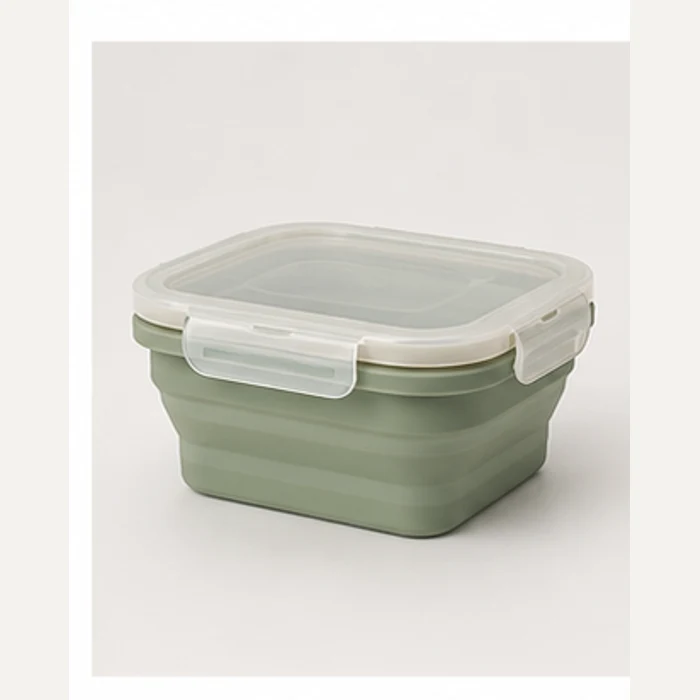
Foldable storage format for space-efficient kitchens.
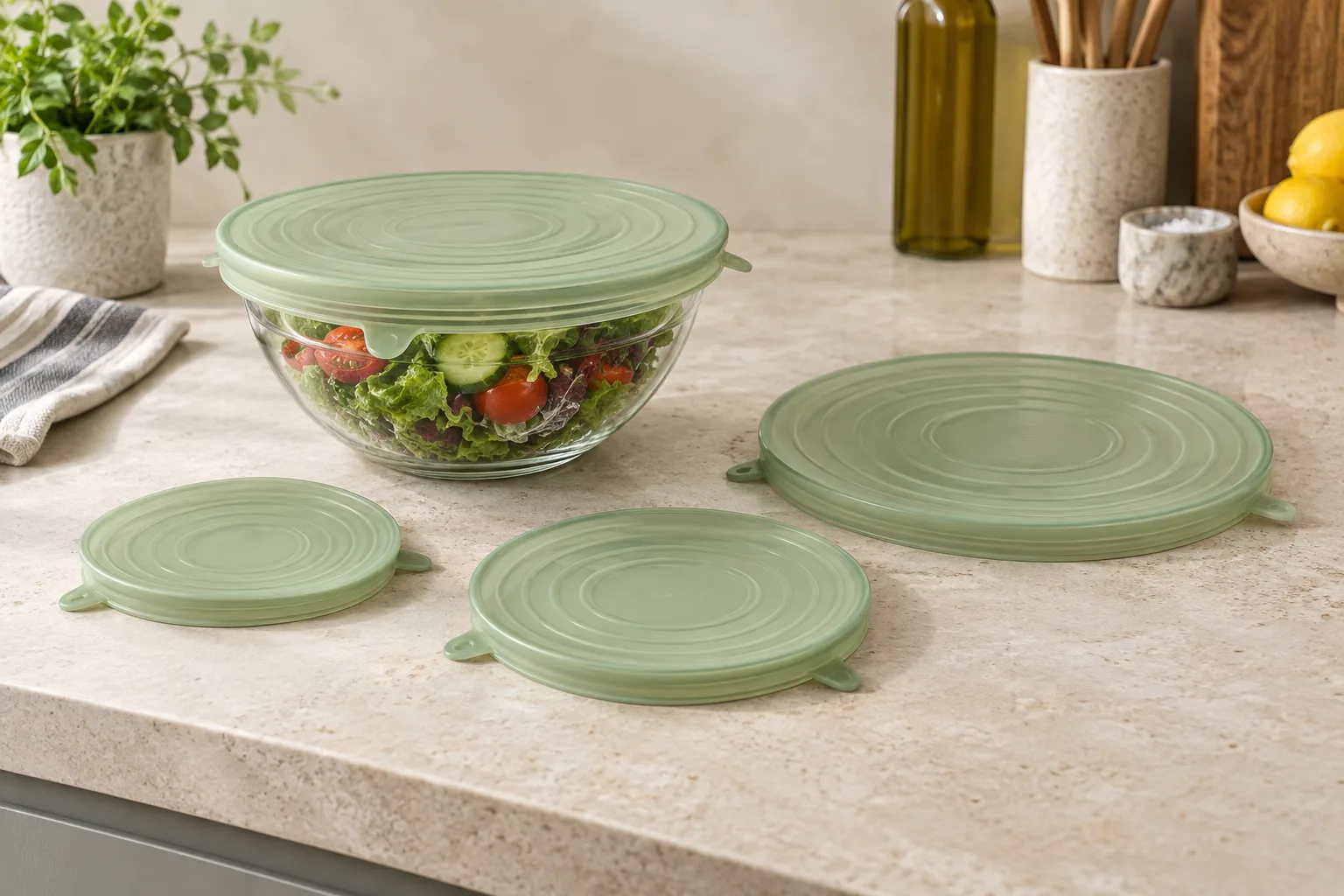
A private-label multi-size cover set developed around vessel-rim fit, elastic recovery, pull-tab usability and a controlled retail size mix.
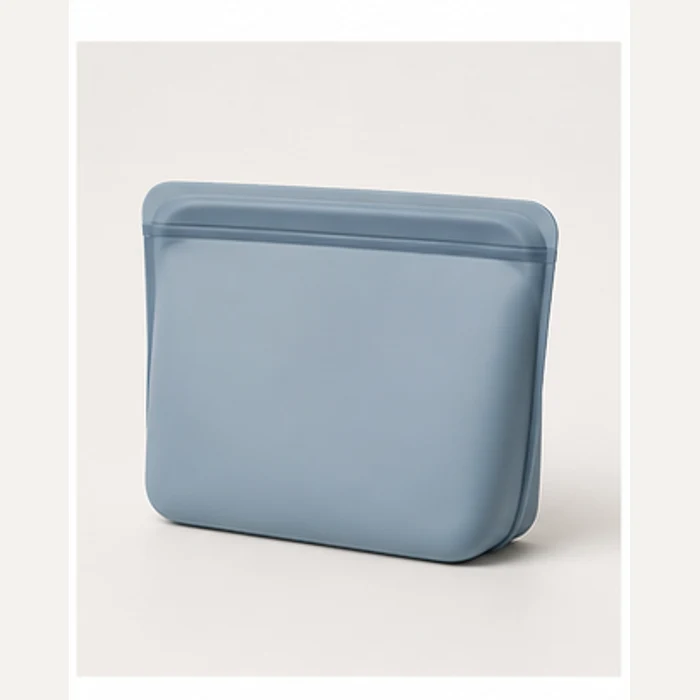
Easy-clean reusable bag for snacks and meal preparation.

One-piece cooking tool with hygienic construction.
B2B PROJECT INQUIRY
Share the intended product, destination market, order quantity and launch plan. Our project team will review the information and identify the next practical step.
Drawings are helpful but not required. A sketch, reference photo or physical sample can be used for an initial discussion.
GENERAL SOURCING INQUIRY