
Pacifier-Specific Interior
Set the internal length, width, depth and local relief from the largest approved pacifier rather than relying on a generic nominal size.
BABY & TODDLER FEEDING
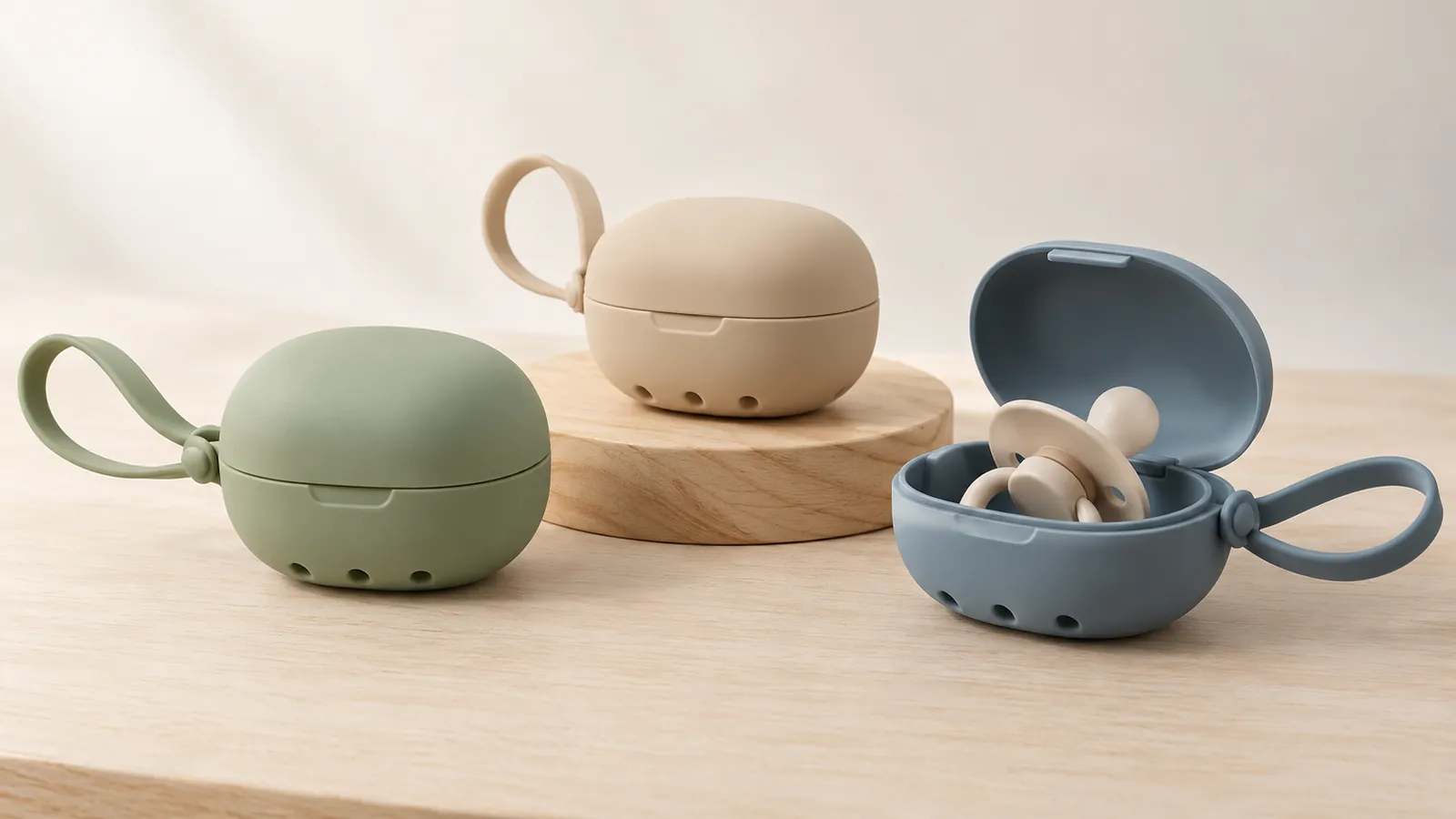
PRODUCT OVERVIEW
A custom silicone pacifier case should be engineered around the actual pacifier family and the way a caregiver opens, closes, hangs and cleans the finished accessory. Naike Silicone reviews the internal envelope, lid travel, closure interference, hinge or tether transition, attachment loop and drainage arrangement from buyer-supplied pacifiers, controlled drawings or approved reference samples rather than assuming one case fits every shield and handle profile.
The development brief should identify the largest pacifier geometry, intended case count, attachment location, one-hand opening expectation, required ventilation or drainage, cleaning route and package format. These inputs guide wall distribution, radii, closure lip, strap section, mold parting, venting, demolding direction and whether the case is produced as one integrated molding or as separately controlled components.
Fit, closure retention, strap strength, cleaning and child-use language must remain limited to evidence from the approved finished SKU under stated conditions. Tooling, compound, colors, logo, MOQ, quotation, samples, documentation and schedule are confirmed after the drawings, validation plan, destination market and assembled selling unit are agreed; a product photograph alone is not proof of universal compatibility, sterilization resistance or child safety compliance.
Product page updated:
Request a B2B QuotationENGINEERING & APPROVAL EVIDENCE
Each stage addresses a different purchasing risk: manufacturability, functional fit and private-label presentation.
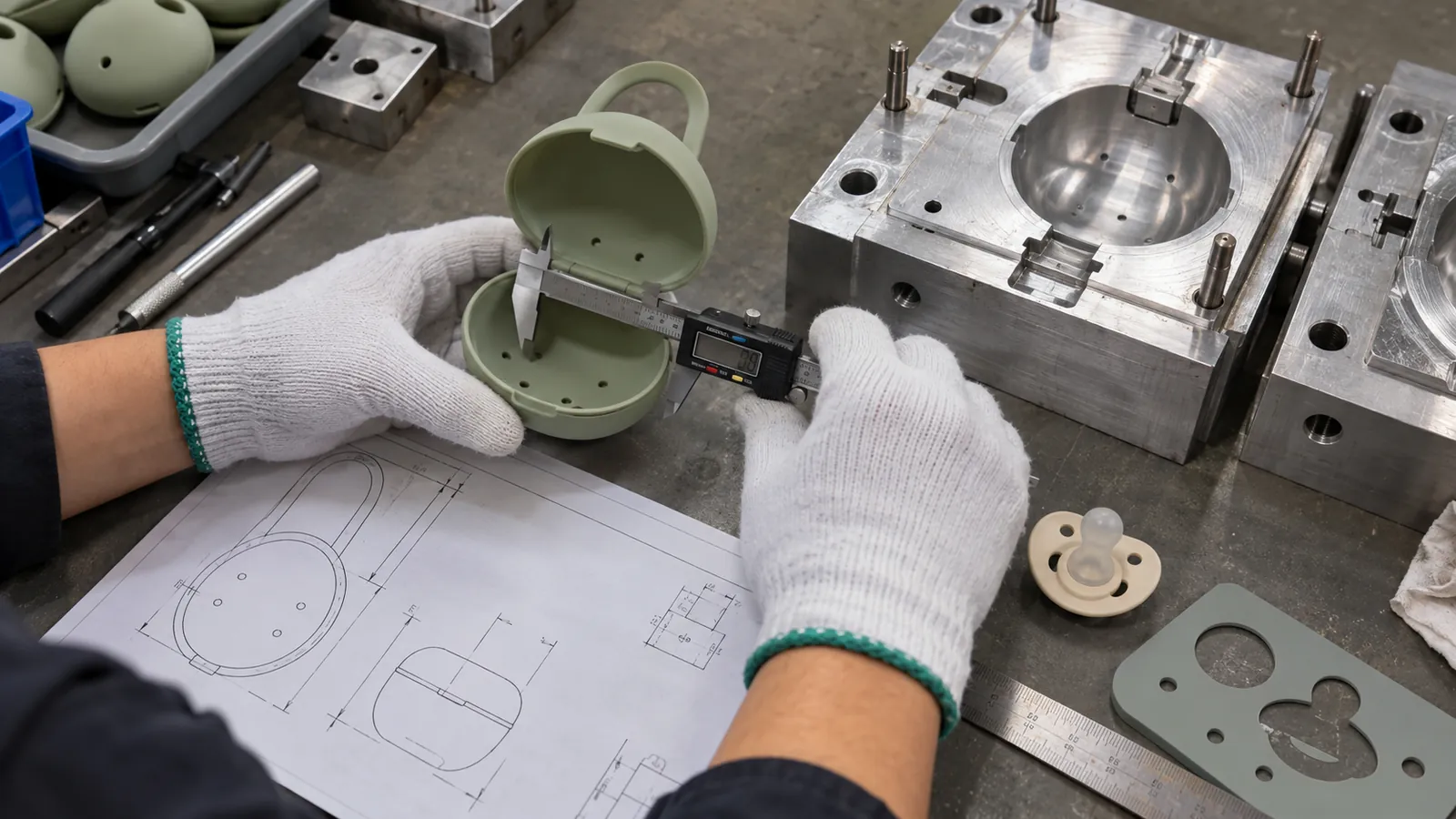
The factory reviews the pacifier envelope, wall transitions, closure undercut, strap junction, drainage holes, parting line and release direction before tooling approval.
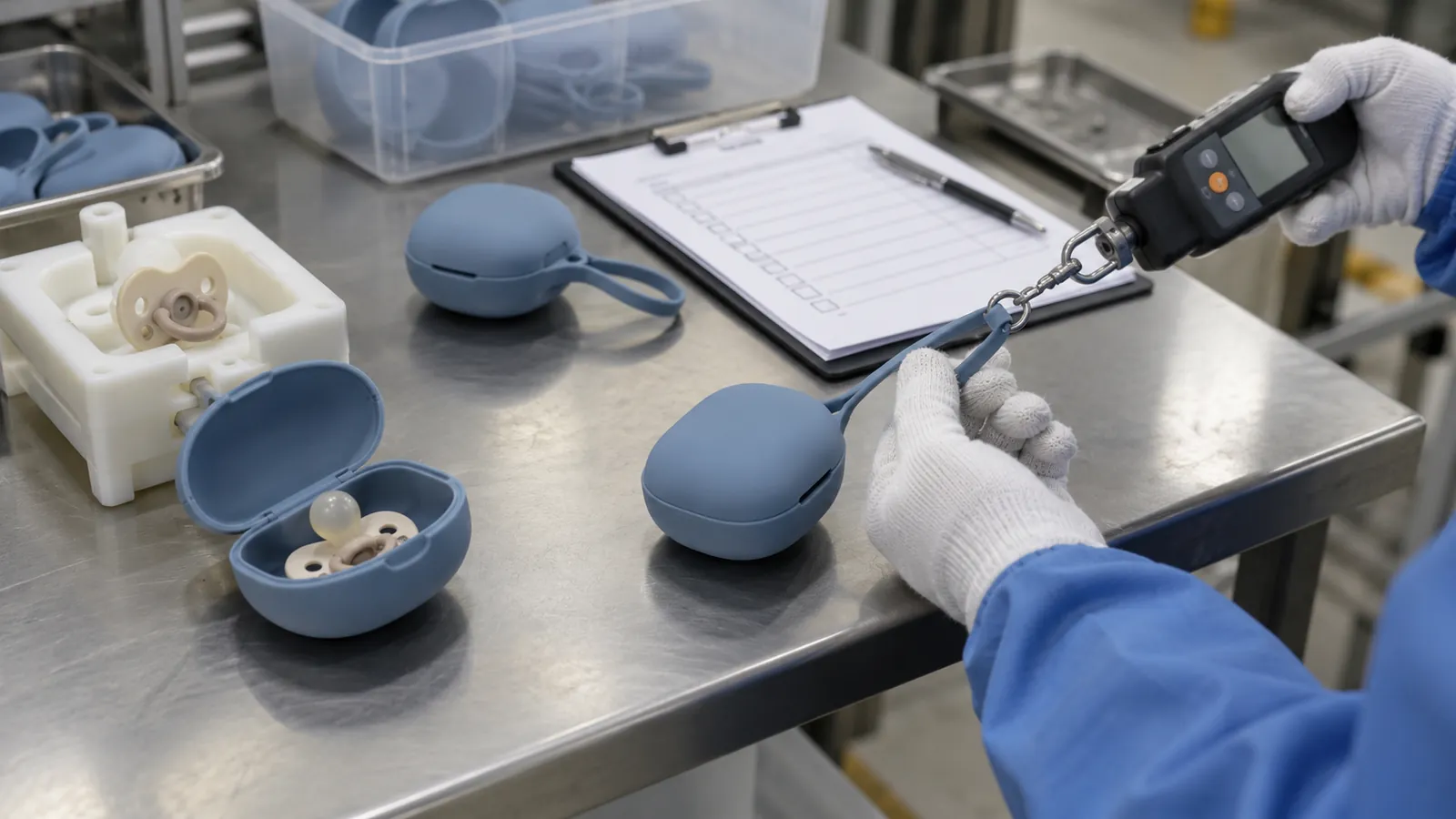
Buyer-defined fixtures and conditioning support checks for seating, opening effort, loop elongation, drainage and post-test inspection without implying unlimited service life.
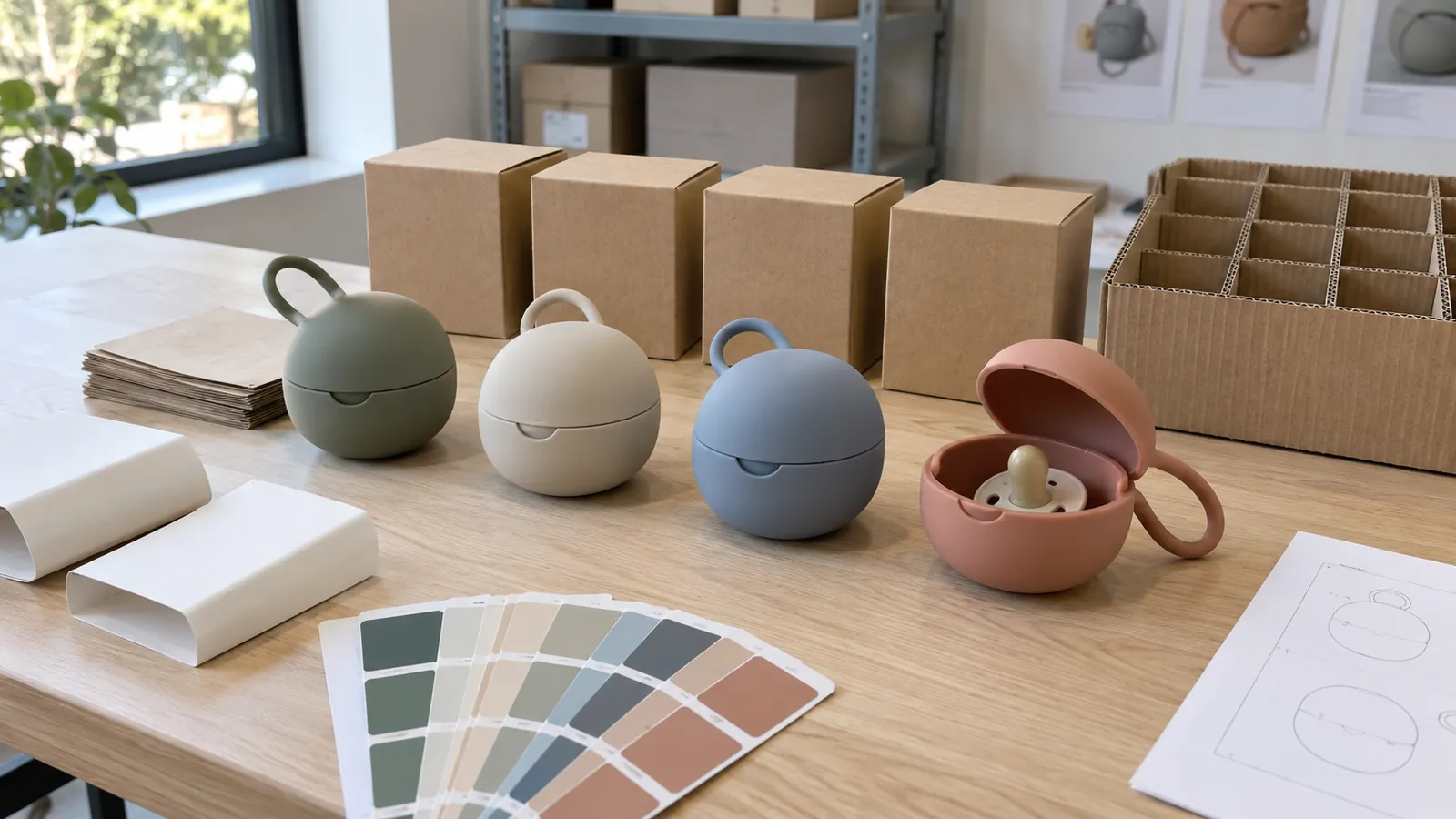
Color references, molded identity, compatibility statement, care language, carton construction and export divider fit are approved against one selling-unit revision.
B2B SOURCING SNAPSHOT
Final terms depend on the approved specification, packaging, quantity and delivery plan.
| Control Point | Buyer Decision | Approval Basis |
|---|---|---|
| Pacifier envelope | Named pacifier models or controlled maximum shield, handle and nipple dimensions | Verified with drawings, representative samples and an approved internal-clearance gauge |
| Case construction | Body and lid profile, hinge or tether, closure lip, drainage holes and edge radii | Controlled drawing plus physical opening, seating and cleaning-access review |
| Attachment loop | Loop length, cross-section, connection radius and intended hanging location | Buyer-agreed pull, elongation and visual-inspection method after defined conditioning |
| Material and finish | Silicone grade, cure route, hardness, pigment, texture and traceability | Selected for the stated contact, cleaning route and destination-market evidence scope |
| Private-label identity | Molded mark, color reference, compatibility copy, care instructions and carton | Approved artwork, color standard and assembled packed sample |
| Commercial release | Tool route, cavity plan, color allocation, MOQ, validation and schedule | Quoted after geometry, order mix, evidence needs, packaging and current capacity are confirmed |
Each project is reviewed as a complete product specification.
Set the internal length, width, depth and local relief from the largest approved pacifier rather than relying on a generic nominal size.
Tune the overlap, pull tab, interference and edge radii around one-hand access, molding stability and buyer-defined opening criteria.
Develop strap length, thickness and transition radii around the named stroller, bag or handle attachment without making an untested strength claim.
Position manufacturable openings and smooth internal transitions around the intended washing, drying and inspection route.
Review silicone compound, hardness, Pantone-referenced pigments, surface finish, logo zone and size or orientation marks.
Coordinate compatibility language, care instructions, belly band or carton, multipack count and shipping divider after the finished SKU is approved.
B2B BUYER FAQ
These answers define the decisions required before tooling, sampling and a reliable quotation.
Send the target pacifier models or controlled dimensions, case count, attachment location, preferred opening direction, cleaning route, quantity, destination market, colors, logo files and packaging concept. Physical pacifiers help resolve shield and handle details that photographs can hide.
No. Shield width, handle projection, nipple length and accessory geometry vary among brands and age ranges. Compatibility should identify the evaluated models or a controlled dimensional envelope rather than promise universal fit.
Tooling review sets the closure lip, overlap, pull tab, local wall section and release direction. Buyer and factory then agree conditioning, open-close sequence, seating observation, opening-force method and acceptance criteria for the approved sample.
Yes, once the named attachment geometry and use method are defined. Loop length, cross-section, junction radius and closure route can be sampled, but load or life statements require a controlled finished-product test with stated limits.
No. Openings can support drainage and drying, but hygiene and sterilization claims depend on the complete design, soil, cleaning method, temperature, cycle count and evidence. Packaging language should match the approved test scope.
Yes. Pantone-referenced pigments, manufacturable matte or fine textures and molded identity can be reviewed. Branding should stay clear of closure, hinge, high-strain and drainage zones.
The project can evaluate a paper belly band, folding carton, multipack or another buyer-specified format. Compatibility copy, care instructions, warning language, barcode space and shipping protection are approved with the assembled selling unit.
Case geometry, integrated or multi-part construction, cavity plan, compound, color split, validation scope, package minimums, order mix and current production capacity all affect commercial terms. A quotation follows the approved development brief.
CATEGORY-SPECIFIC REVIEW
Suction stability, grip, portion layout and easy-clean geometry.
Coordinated plates, bowls, cups, utensils and gift sets.
Pantone colors, molded logos and retail-ready packaging.
Age suitability, food-contact requirements and physical samples.
INQUIRY CHECKLIST
Providing clear requirements helps us evaluate tooling, samples, price and lead time.
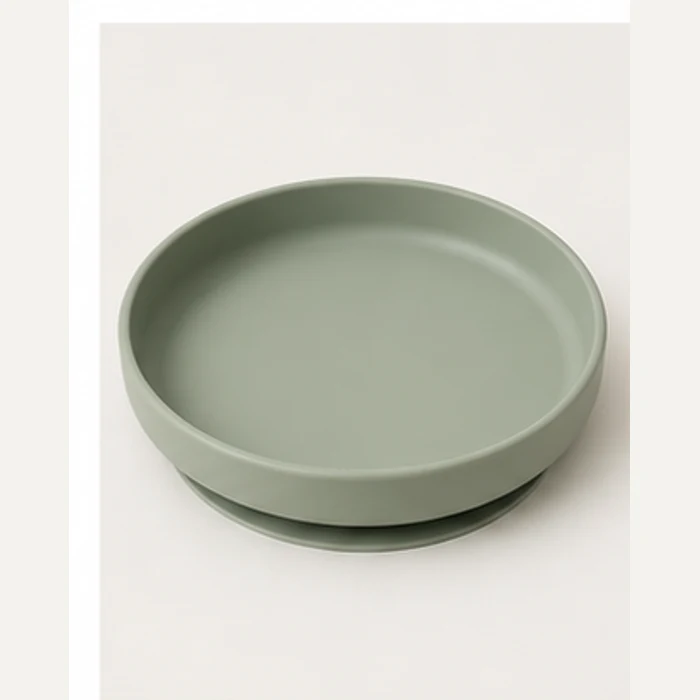
Stable one-piece plate with an easy-clean food-contact surface.
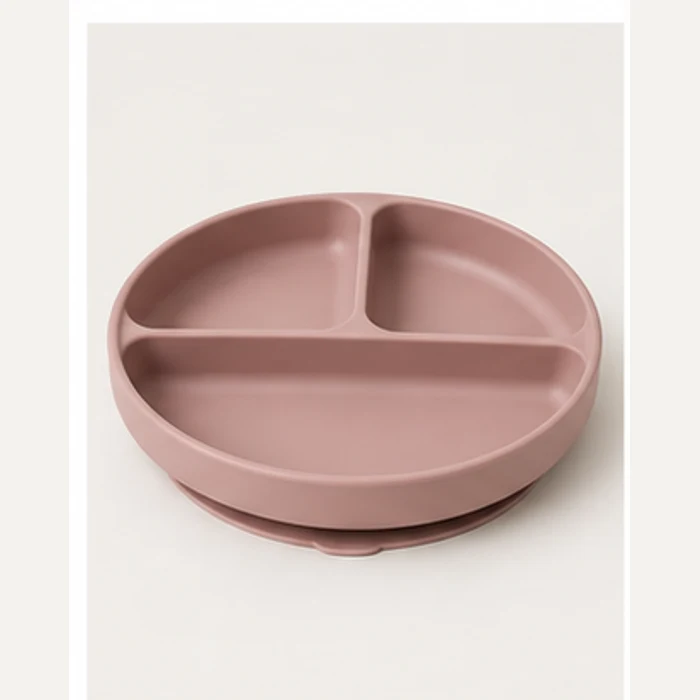
Compartment design for organized toddler meals and portioning.
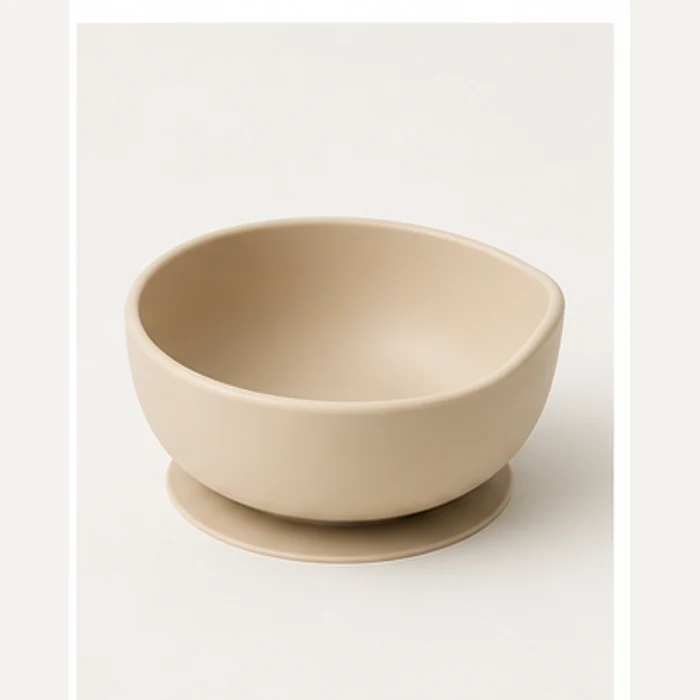
Soft feeding bowl with a stable base for first solids.
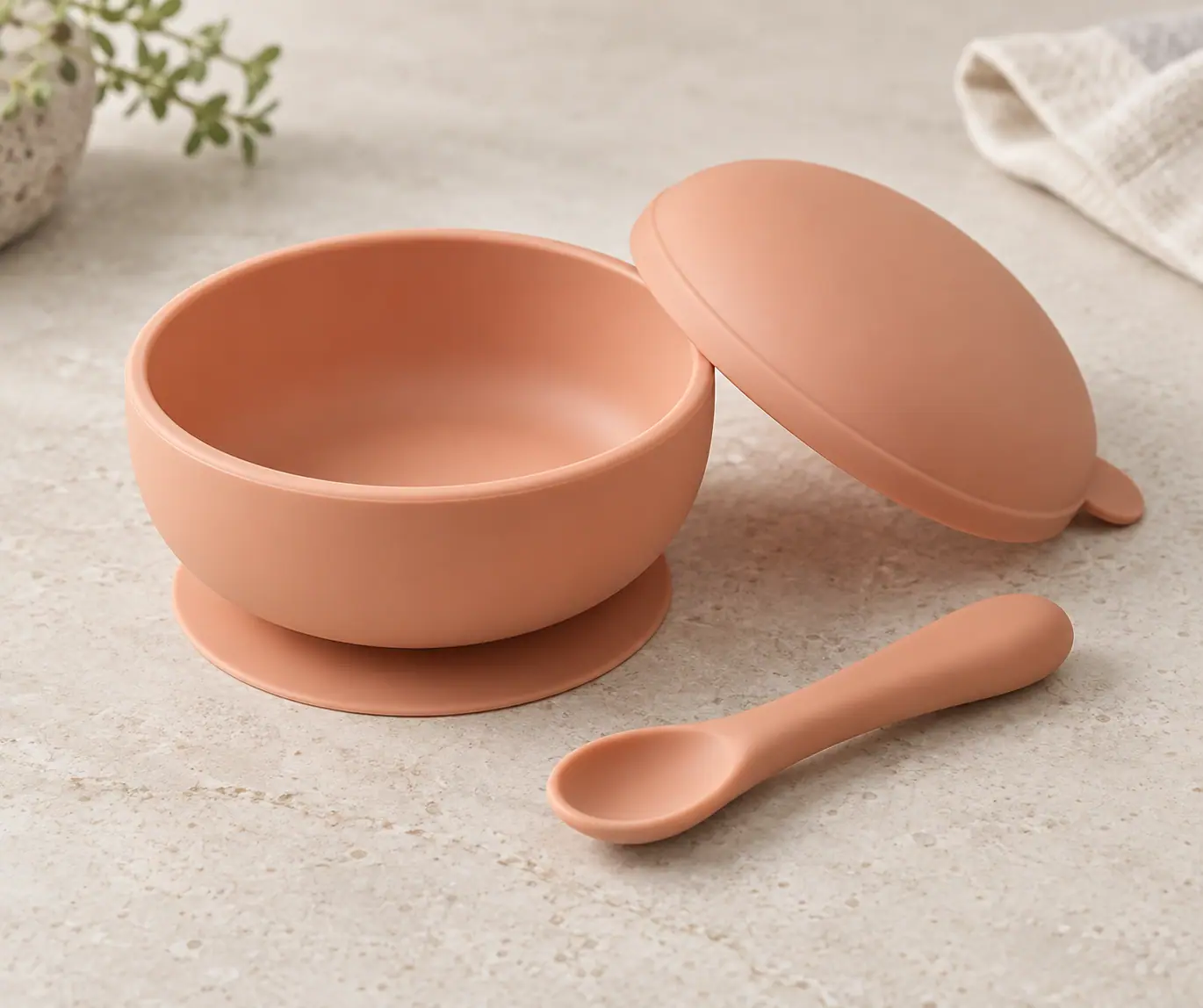
A private-label feeding bowl developed around table contact, rim-and-lid fit, practical spoon access and one controlled retail selling unit.
B2B PROJECT INQUIRY
Share the intended product, destination market, order quantity and launch plan. Our project team will review the information and identify the next practical step.
Drawings are helpful but not required. A sketch, reference photo or physical sample can be used for an initial discussion.
GENERAL SOURCING INQUIRY