
Spoon-Head Geometry
Set entry width, scoop depth, lip radius and usable volume around the intended feeding stage and food texture.
BABY & TODDLER FEEDING
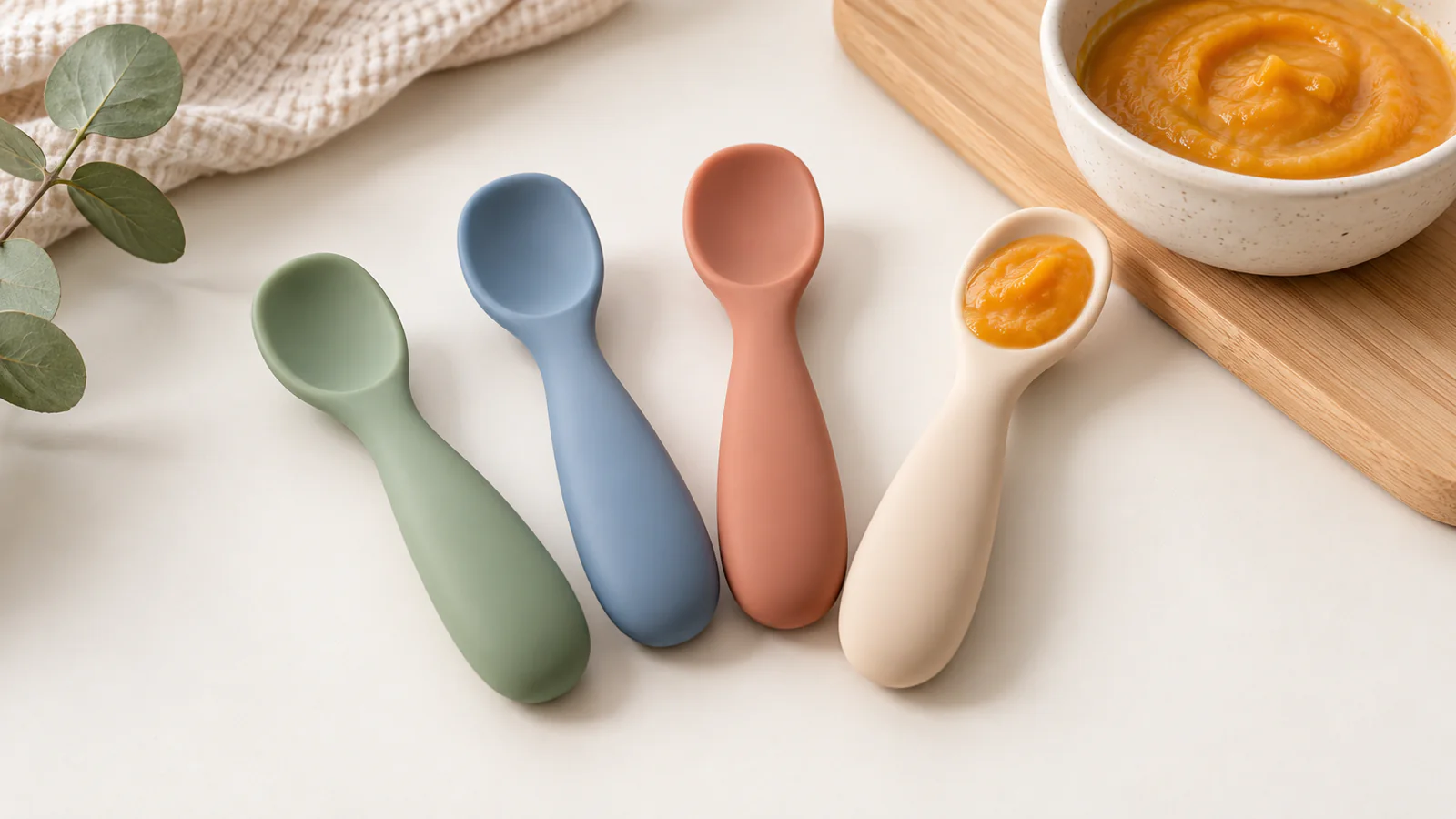
PRODUCT OVERVIEW
A custom silicone baby weaning spoon set should be specified as a connected feeding, handling and retail system. Naike Silicone develops the spoon head, entry lip, scoop depth, neck flexibility, short handle and molded one-piece structure against the buyer's intended feeding stage and use route. Changing one dimension can alter mouth entry, food pickup, caregiver control, self-feeding grip and mold behavior, so the approved geometry should not be reduced to a generic soft spoon.
The buyer brief should identify the intended developmental stage, caregiver-led or self-feeding use, expected food texture, target scoop volume, preferred grip posture, set count, cleaning route and retail channel. These inputs guide spoon-head width and depth, edge radius, neck section, handle length and cross-section, local wall balance, parting line, venting and demolding. A production-representative sample review can document critical dimensions, measured scoop volume, flex and recovery under an agreed method, surface condition, grip observations and package fit.
Material and food-contact evidence must match the selected compound, pigment, finished SKU, intended conditions and destination market. Age positioning, safety language and performance claims require buyer review against applicable requirements and product-specific evidence. Tooling cost, MOQ, unit price, sampling time, capacity and lead time remain conditional on the approved drawing, validation scope, color split, branding, packaging, quantity and current factory schedule.
Product page updated:
Request a B2B QuotationENGINEERING & APPROVAL EVIDENCE
Each stage addresses a different purchasing risk: manufacturability, functional fit and private-label presentation.
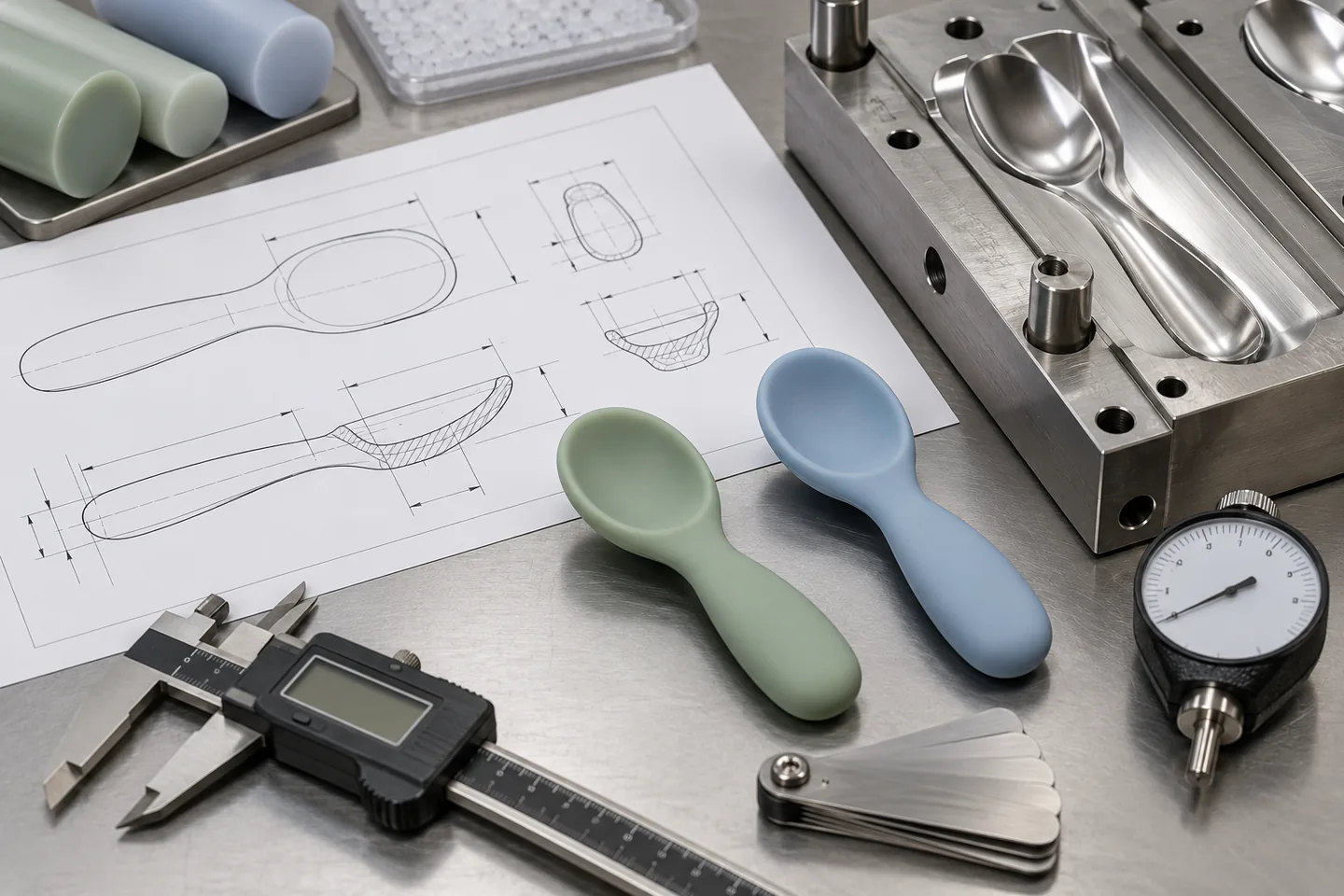
Head width, scoop depth, edge radius, neck section, handle transitions, parting line and venting are reviewed before tooling approval.
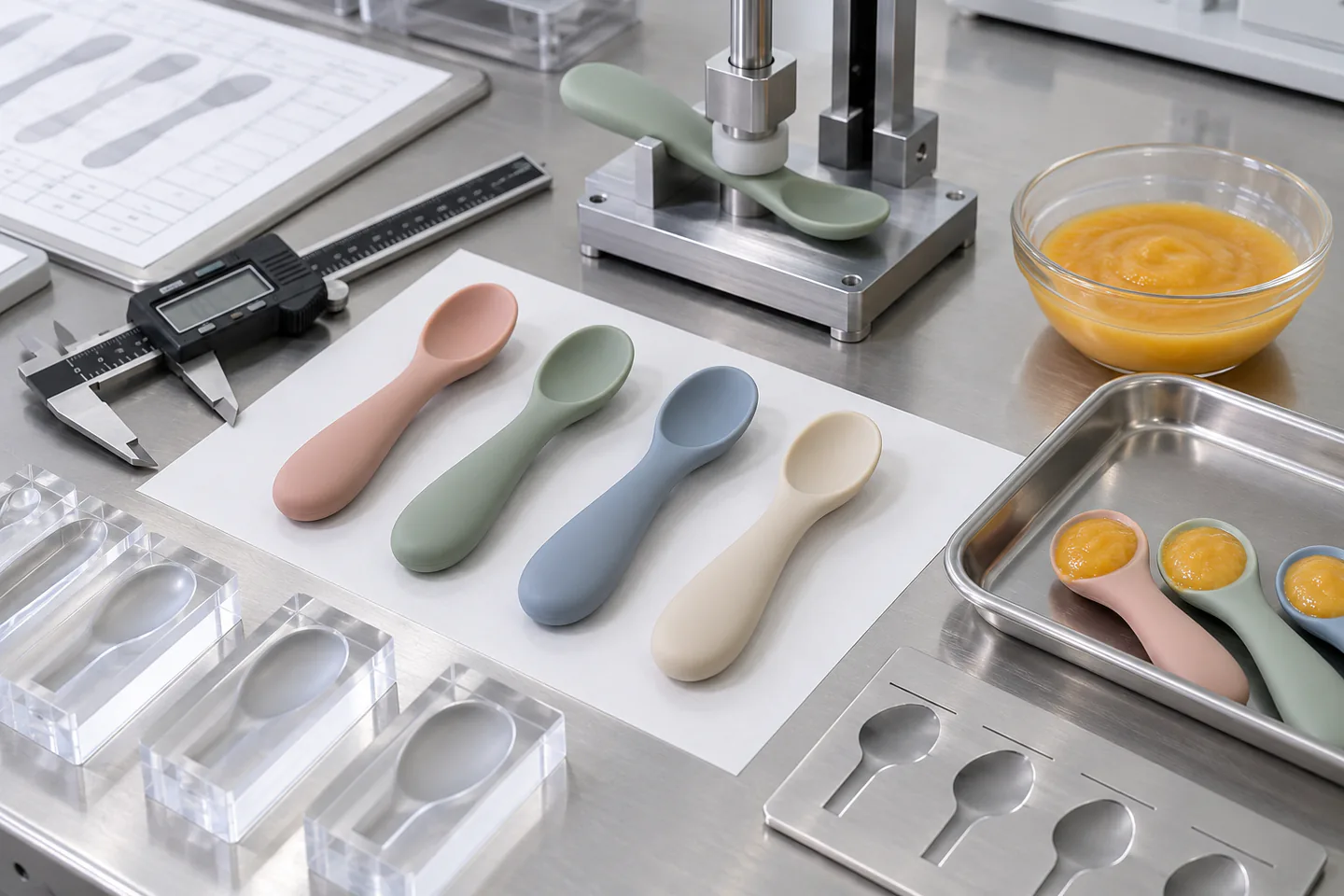
A controlled sample review records critical dimensions, scoop volume, flex response, recovery and surface condition under the agreed method.
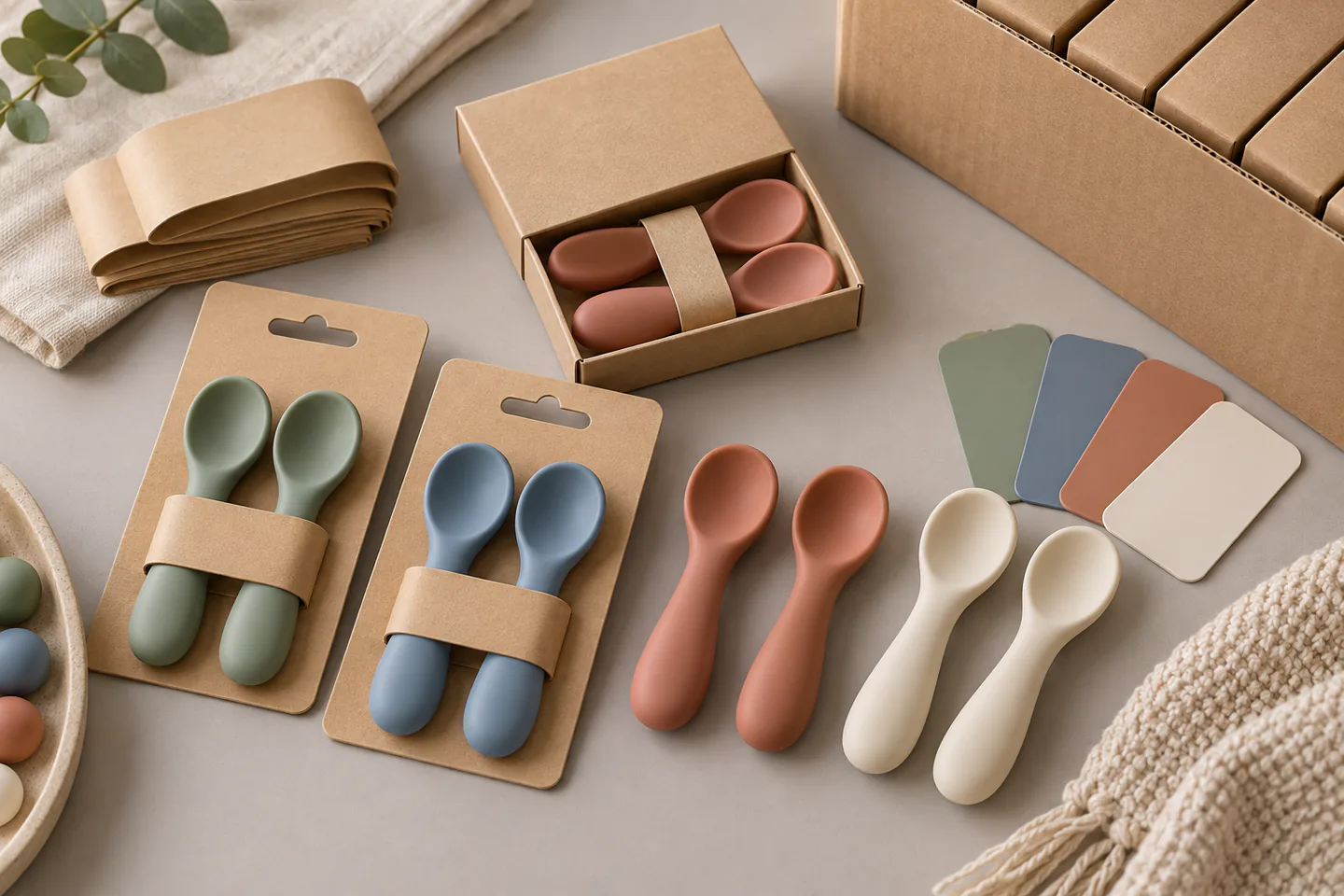
Approved colors, molded marking, set count, instructions, sleeves or boxes and export protection are tied to the same finished-SKU revision.
B2B SOURCING SNAPSHOT
Final terms depend on the approved specification, packaging, quantity and delivery plan.
| Control Point | Buyer Decision | Approval Basis |
|---|---|---|
| Feeding brief | Intended stage, caregiver-led or self-feeding route, food texture and grip posture | Recorded as the basis for geometry, evaluation and responsible claim review |
| Spoon head | Length, width, scoop depth, usable volume, entry lip and edge radius | Confirmed by controlled drawing, measurement and approved physical sample |
| Handle and neck | Overall length, cross-section, grip features, local thickness and flex zone | Reviewed through dimensional inspection and buyer-agreed handling evaluation |
| Material and use | Silicone grade, cure route, hardness, pigment and intended contact conditions | Evidence matched to the finished SKU, destination and defined use |
| Private-label execution | Pantone-referenced colors, molded mark, set assortment, instructions and package | Approved through physical references, artwork and packed golden sample |
| Commercial basis | Tooling, MOQ, unit price, sampling, capacity and delivery window | Confirmed after design, validation, SKU mix, packaging and quantity are fixed |
Each project is reviewed as a complete product specification.
Set entry width, scoop depth, lip radius and usable volume around the intended feeding stage and food texture.
Adjust length, cross-section, stop concept and texture for the agreed caregiver-led or self-feeding route.
Review compound, cure route, hardness and neck section together; approve flex only through a defined sample method.
Develop Pantone-referenced single colors or coordinated set combinations with physical color approval.
Place a manufacturable mark away from critical entry, grip, high-flex, food-release and cleaning zones.
Coordinate set count, instructions, warnings, sleeve or box, insert, barcode zone and export carton after SKU approval.
B2B BUYER FAQ
These answers define the decisions required before tooling, sampling and a reliable quotation.
Send the intended developmental stage and feeding route, reference dimensions or sample, food texture, preferred scoop volume, quantity by color, destination market, logo artwork, set count and packaging concept. Proposed claims and cleaning instructions should also be identified for review.
Yes. Head length, width, scoop depth, usable volume, lip radius and transition can be reviewed through a custom mold project. Final geometry must balance intended use, pickup, mouth entry, wall strength, molding and cleaning.
It may be possible, but the two use routes can favor different handle lengths, grip sections, scoop angles and control. Define the primary route and evaluate the physical sample with the intended user and responsible buyer criteria before making a broad claim.
Buyer and factory should agree the flex location, force or displacement method, cycle count if relevant, recovery interval and acceptance criteria. Results apply only to the documented material, geometry and conditions and should not be treated as proof of unlimited life.
Such claims are not automatic. The responsible buyer must define destination markets, intended age and use, then review applicable requirements, foreseeable-use risks, labeling and product-specific evidence before approving any claim or package statement.
Yes. Pantone-referenced colors, a manufacturable molded mark, two-piece or multi-piece sets, sleeves, boxes and inserts can be developed. Approve physical colors, artwork and the complete packed golden sample before mass production.
First define the destination, intended foods, temperature, duration, cleaning route, compound and pigments. Applicable material or finished-product evidence can then be reviewed for that scope; a report from another formula or color is not automatic coverage.
Head and handle geometry, mold construction, compound, color split, validation, packaging, order quantity and current capacity all affect the program. Commercial figures become firmer after the approved revision, SKU mix and production window are agreed.
CATEGORY-SPECIFIC REVIEW
Suction stability, grip, portion layout and easy-clean geometry.
Coordinated plates, bowls, cups, utensils and gift sets.
Pantone colors, molded logos and retail-ready packaging.
Age suitability, food-contact requirements and physical samples.
INQUIRY CHECKLIST
Providing clear requirements helps us evaluate tooling, samples, price and lead time.
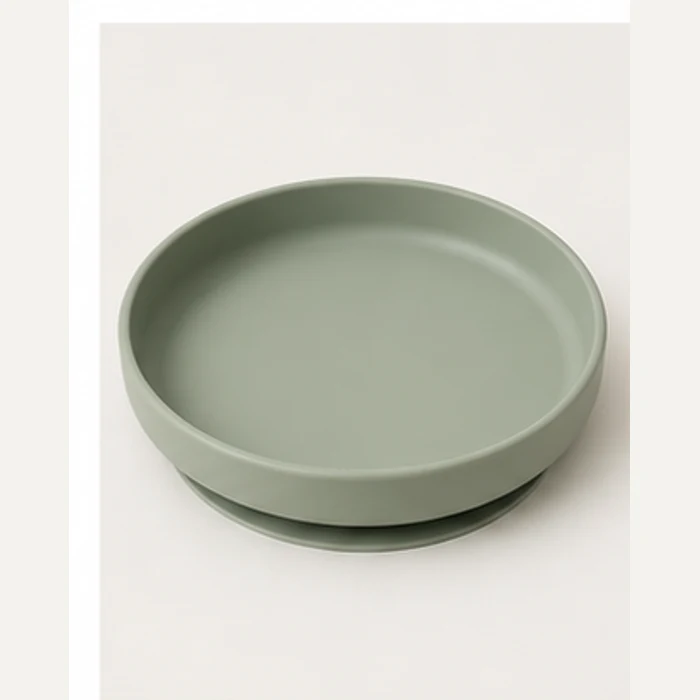
Stable one-piece plate with an easy-clean food-contact surface.
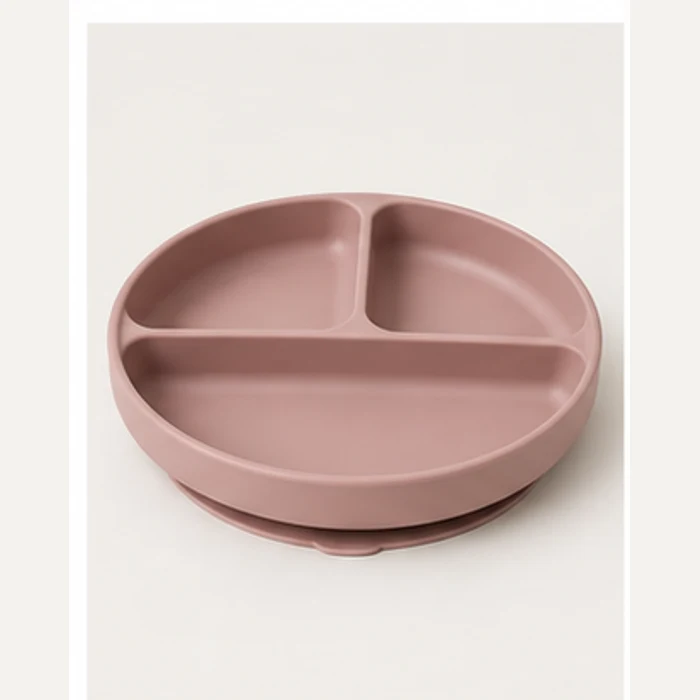
Compartment design for organized toddler meals and portioning.
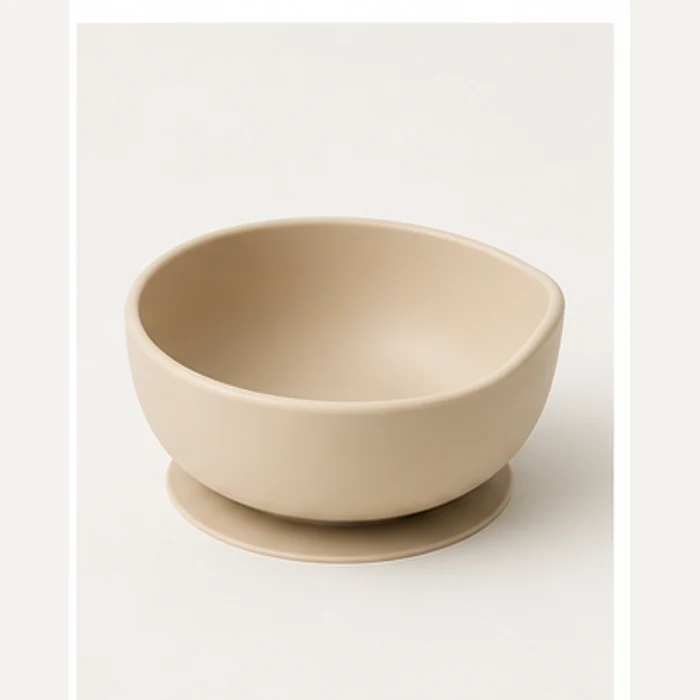
Soft feeding bowl with a stable base for first solids.
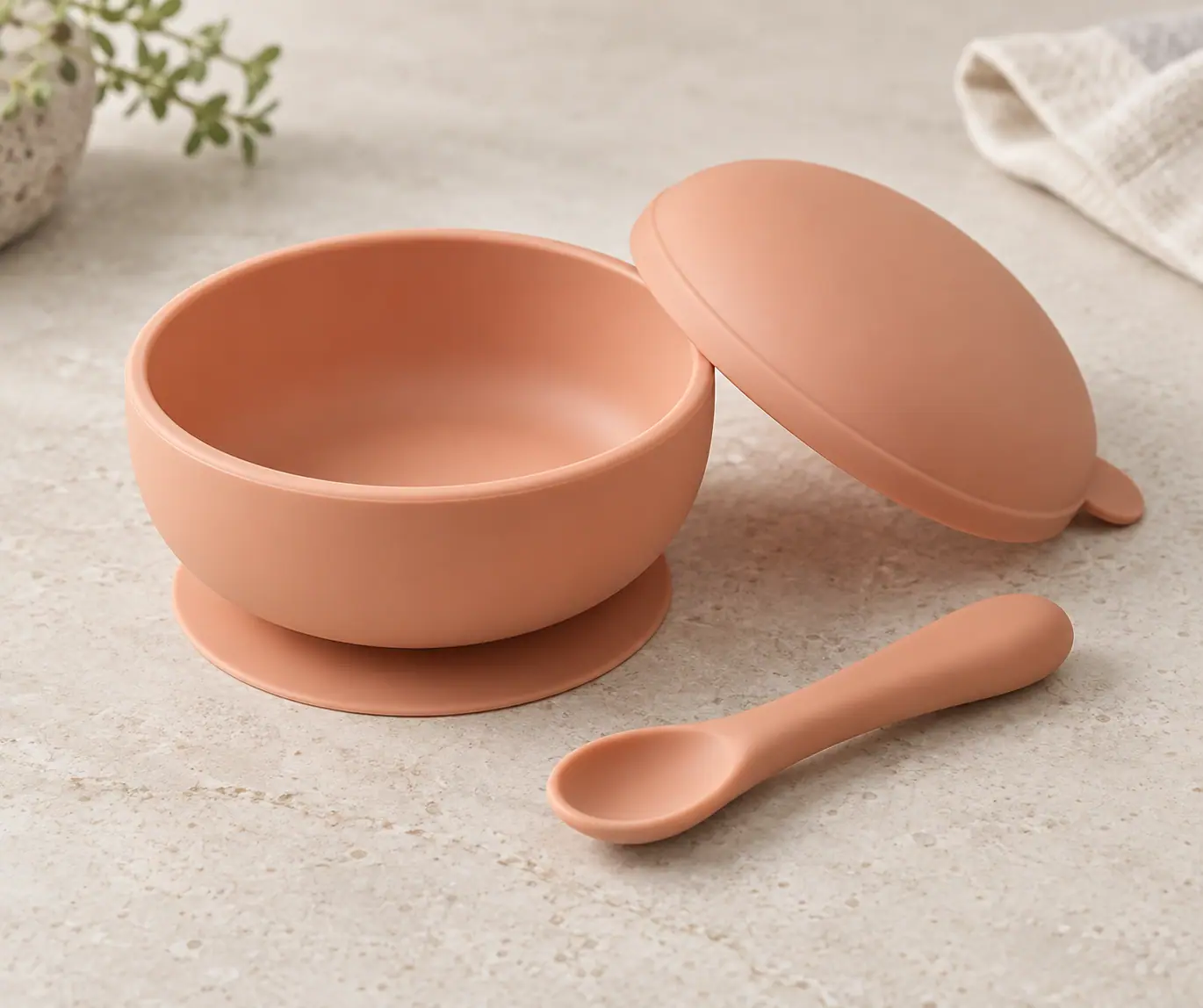
A private-label feeding bowl developed around table contact, rim-and-lid fit, practical spoon access and one controlled retail selling unit.
B2B PROJECT INQUIRY
Share the intended product, destination market, order quantity and launch plan. Our project team will review the information and identify the next practical step.
Drawings are helpful but not required. A sketch, reference photo or physical sample can be used for an initial discussion.
GENERAL SOURCING INQUIRY