
Bottle-Specific Fit
Develop the internal profile from measured bottle diameter, taper, shoulder transition, base radius and collar-clearance zone.
BABY & TODDLER FEEDING
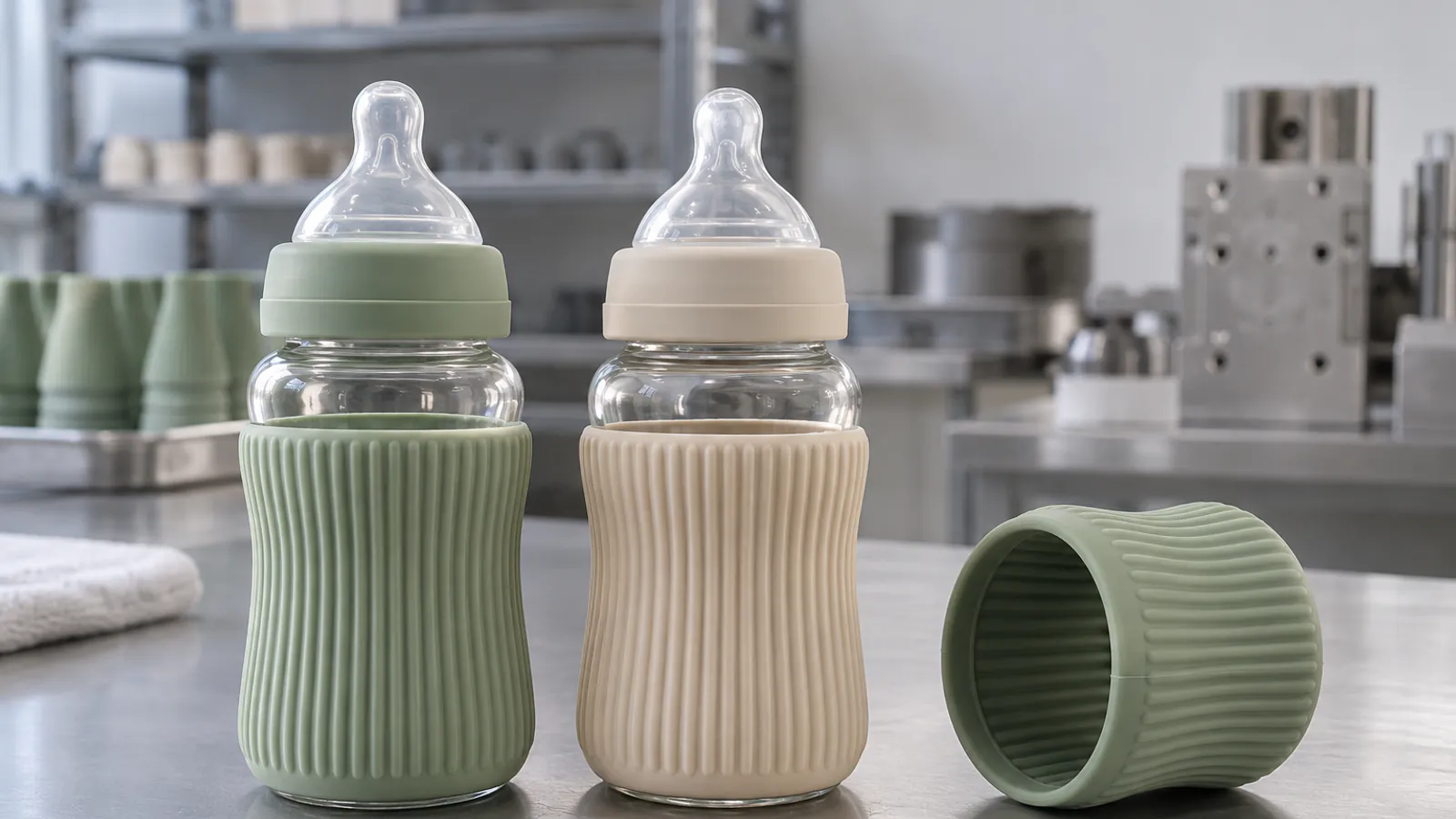
PRODUCT OVERVIEW
A custom silicone baby bottle sleeve is an accessory whose fit depends on the actual bottle body rather than nominal liquid capacity alone. Naike Silicone develops the internal diameter, height, bottom opening, viewing windows, wall distribution and grip texture around buyer-supplied drawings or representative bottles, without treating one sleeve as universally compatible.
The engineering brief should record the bottle material, body profile, minimum and maximum diameter, shoulder transition, base radius, scale-mark visibility, assembly direction and required clearance from the cap or collar. These inputs guide sleeve retention, local stretch, window geometry, rib spacing, parting line, venting, mold release and whether separate size variants are needed for a retail range.
Fit, handling and protective language must be limited to evidence from the approved finished product under defined conditions. Buyers should specify representative bottles, wet and dry handling, installation and removal sequence, conditioning, cleaning route and acceptance criteria; a silicone sleeve is not proof that a glass bottle is drop-proof, unbreakable or safe after impact. Tooling, compound, MOQ, price, samples, documentation and timing are confirmed after the drawing, validation plan, destination market and pack-out are approved.
Product page updated:
Request a B2B QuotationENGINEERING & APPROVAL EVIDENCE
Each stage addresses a different purchasing risk: manufacturability, functional fit and private-label presentation.
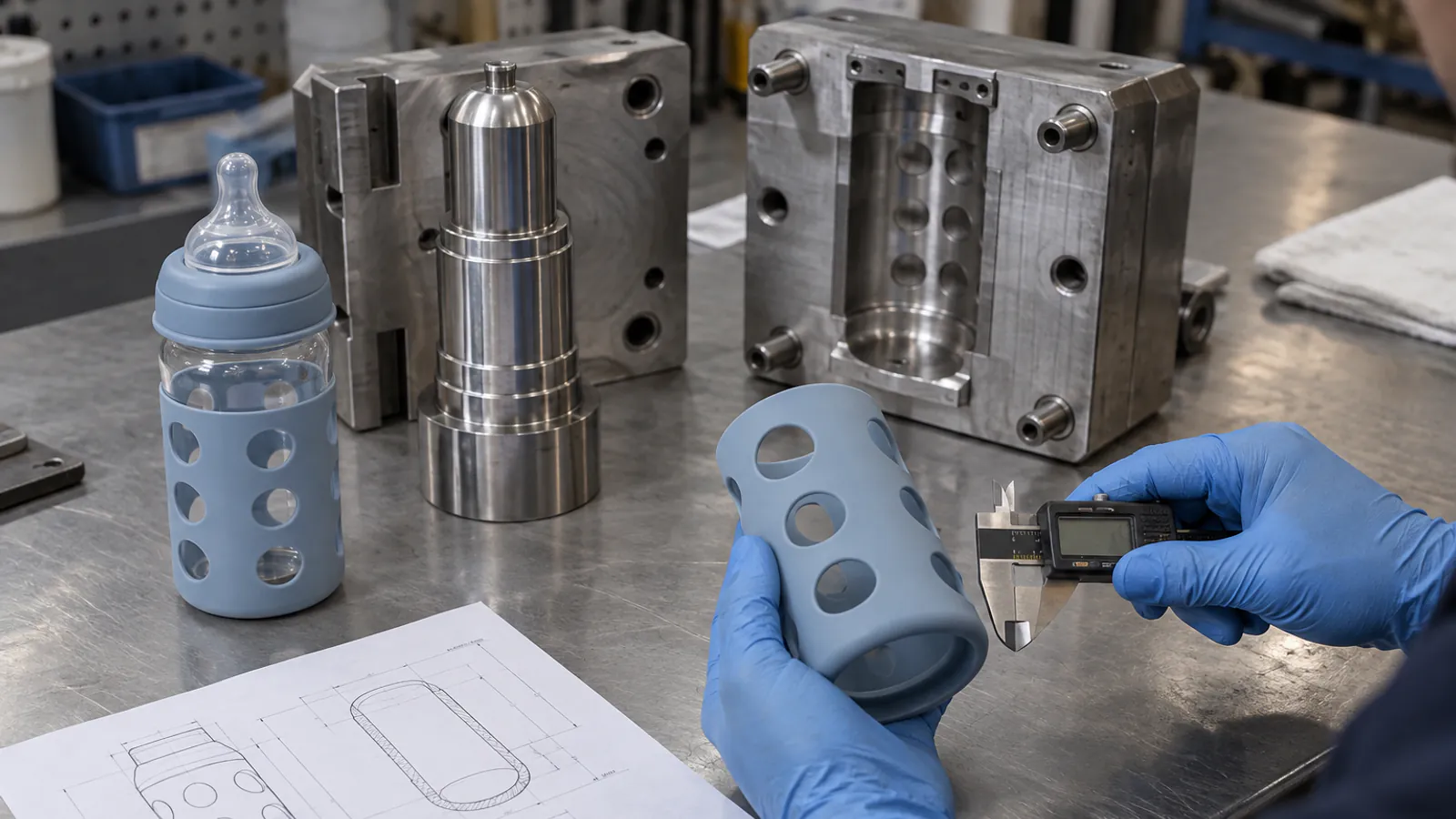
Bottle profile, wall balance, windows, rib transitions, bottom opening, parting line and release direction are reviewed before tooling approval.
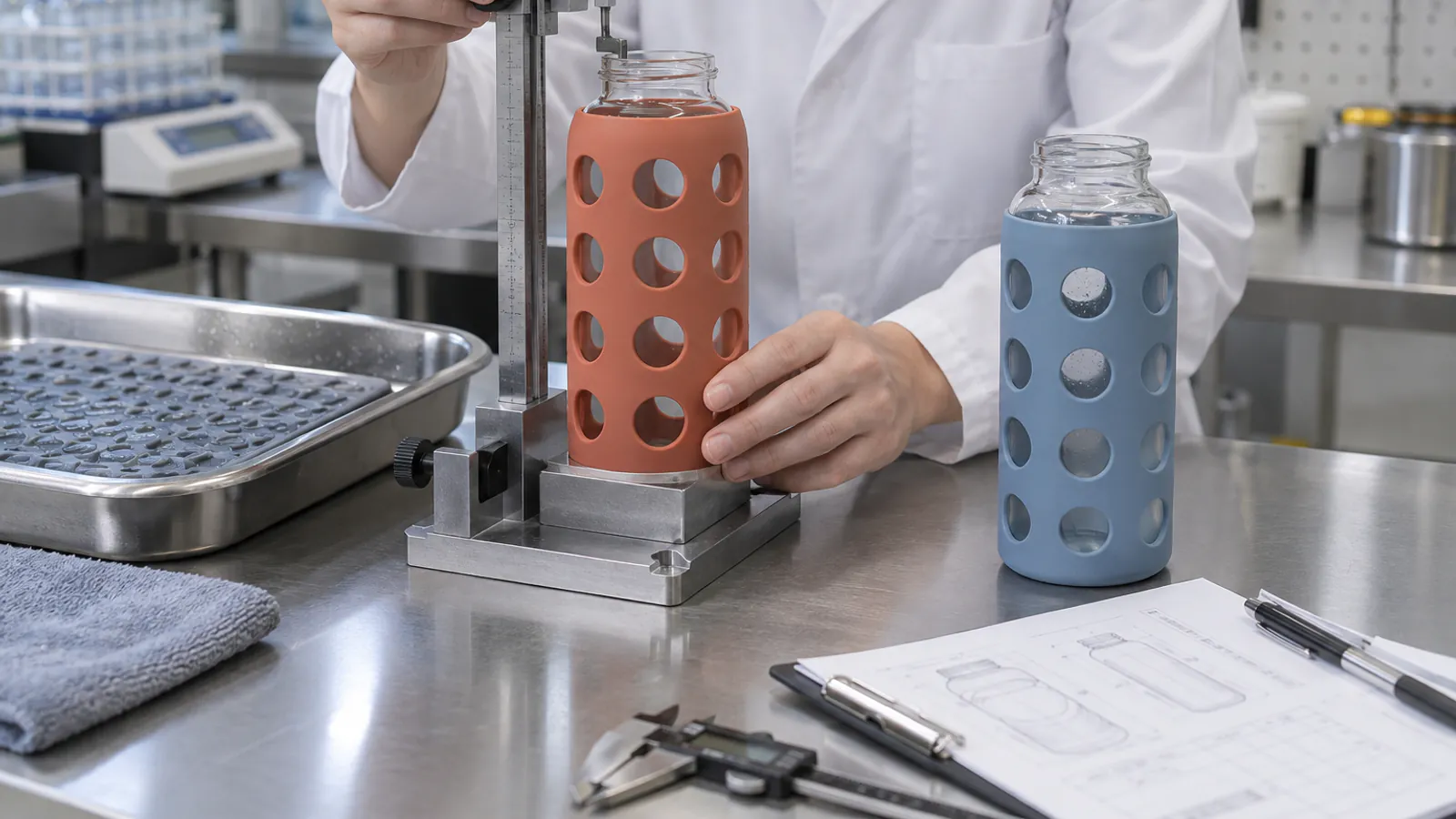
Named bottle fixtures support checks for installation, seating, scale visibility, wet handling and removal after the buyer-defined conditioning sequence.
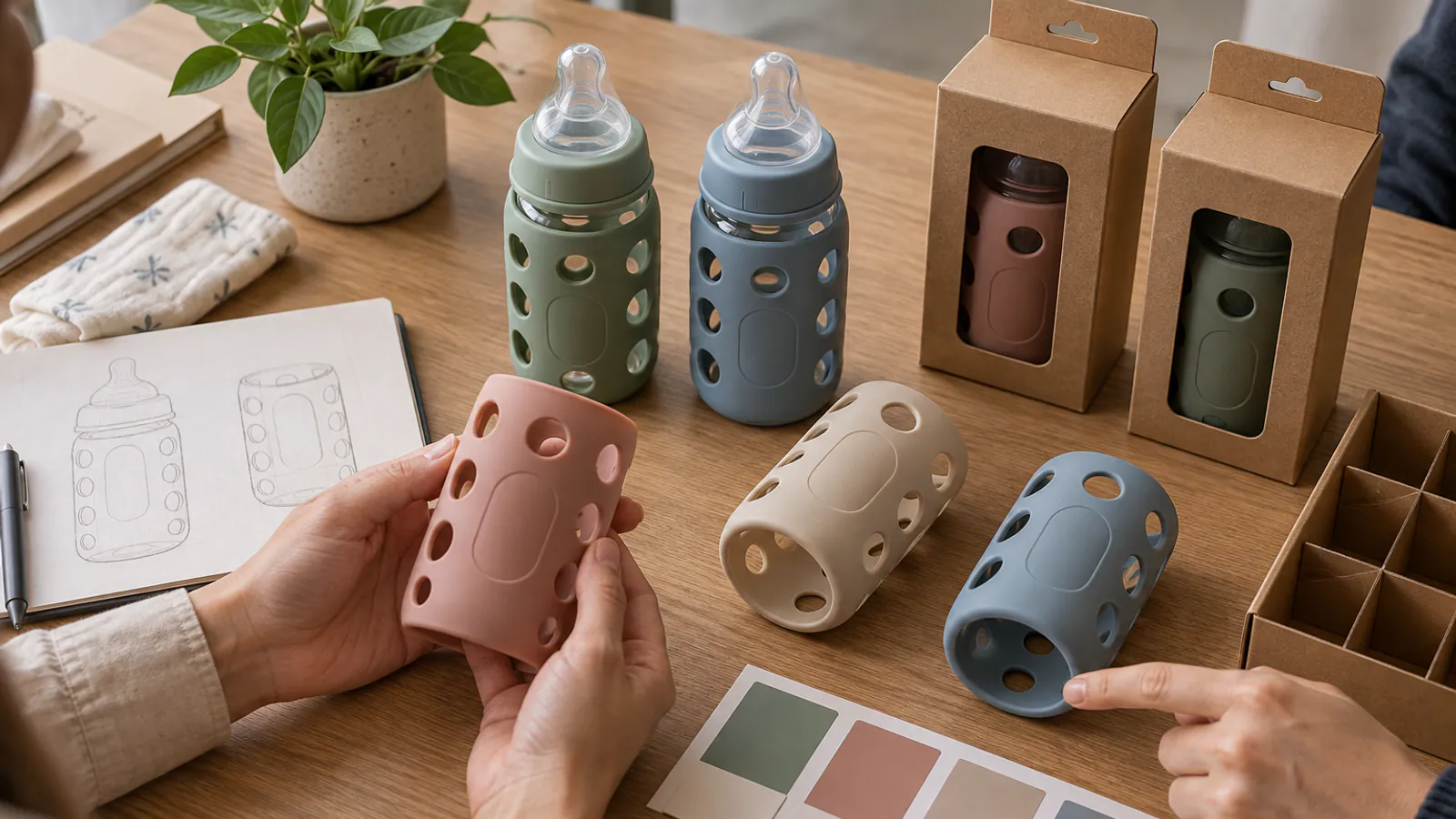
Size code, color reference, molded identity, instruction content, carton window and divider fit are approved against one selling-unit revision.
B2B SOURCING SNAPSHOT
Final terms depend on the approved specification, packaging, quantity and delivery plan.
| Control Point | Buyer Decision | Approval Basis |
|---|---|---|
| Bottle interface | Named bottle models or controlled body diameter, shoulder and base profile | Verified from drawings, gauges, representative bottles and approved physical references |
| Sleeve geometry | Overall height, wall section, bottom opening, windows, ribs and edge radii | Controlled by drawing and fit review on the selected bottle samples |
| Assembly and retention | Installation direction, local stretch, seating position and removal method | Observed under agreed dry, wet and conditioned-sample procedures without assuming universal fit |
| Material and finish | Silicone grade, cure route, hardness, pigment, texture and lot traceability | Selected for the defined use, cleaning route and destination-market evidence review |
| Private-label identity | Molded logo zone, size code, Pantone reference, instructions and packaging | Approved through artwork, color reference and assembled pack sample |
| Commercial release | Tool route, cavity plan, size and color allocation, MOQ, testing and schedule | Quoted after specification, validation, selling unit and current capacity are confirmed |
Each project is reviewed as a complete product specification.
Develop the internal profile from measured bottle diameter, taper, shoulder transition, base radius and collar-clearance zone.
Place manufacturable openings around liquid-level visibility, wall balance, cleaning access and controlled mold release.
Review vertical ribs, shallow patterns or matte finish around wet handling without making an untested anti-slip guarantee.
Evaluate silicone grade, cure route, hardness, pigment and surface feel for the intended use and market requirements.
Add a logo, size code or orientation mark where it does not compromise stretch, fit, cleaning or bottle visibility.
Coordinate sleeve count, bottle compatibility statement, care instructions, warning language, carton and export protection after SKU approval.
B2B BUYER FAQ
These answers define the decisions required before tooling, sampling and a reliable quotation.
Send the bottle models or controlled drawings, body dimensions, material, target coverage, scale-visibility need, assembly direction, quantity, destination, colors, logo files and packaging preference. Representative bottles can resolve profile details that photographs do not show.
No. Bottles with the same stated capacity can have different body diameters, taper, shoulder transitions, base radii and collar clearance. Compatibility should name the bottle models or dimensional range evaluated.
The factory reviews opening size, spacing, edge radii, rib height, wall transitions and mold release against the selected bottles. Physical samples confirm whether the scale remains visible and the sleeve can be installed and removed as intended.
No such claim should be assumed. Any protective statement requires a defined finished-product method covering the exact bottle, sleeve revision, orientation, impact surface, conditioning and acceptance criteria. Damaged glass should not continue in use.
Buyer and factory can agree representative bottle fixtures, dry and wet installation, seating position, rotation or movement observation, removal method and post-conditioning inspection. Results apply only to the approved combinations and conditions.
Yes. Pantone-referenced colors, manufacturable textures, molded identity and private-label packaging can be reviewed. Each bottle size must remain clearly identified to reduce compatibility errors.
Define the cleaning method, detergent or dishwasher program if applicable, cycle count, drying method and acceptance criteria. Care instructions should follow evidence from the approved compound, pigment and finished sleeve.
Bottle count, sleeve geometry, size variants, cavity plan, compound, colors, validation, package minimums and order mix all affect the commercial plan. Terms are confirmed after drawings and the approval route are fixed.
CATEGORY-SPECIFIC REVIEW
Suction stability, grip, portion layout and easy-clean geometry.
Coordinated plates, bowls, cups, utensils and gift sets.
Pantone colors, molded logos and retail-ready packaging.
Age suitability, food-contact requirements and physical samples.
INQUIRY CHECKLIST
Providing clear requirements helps us evaluate tooling, samples, price and lead time.
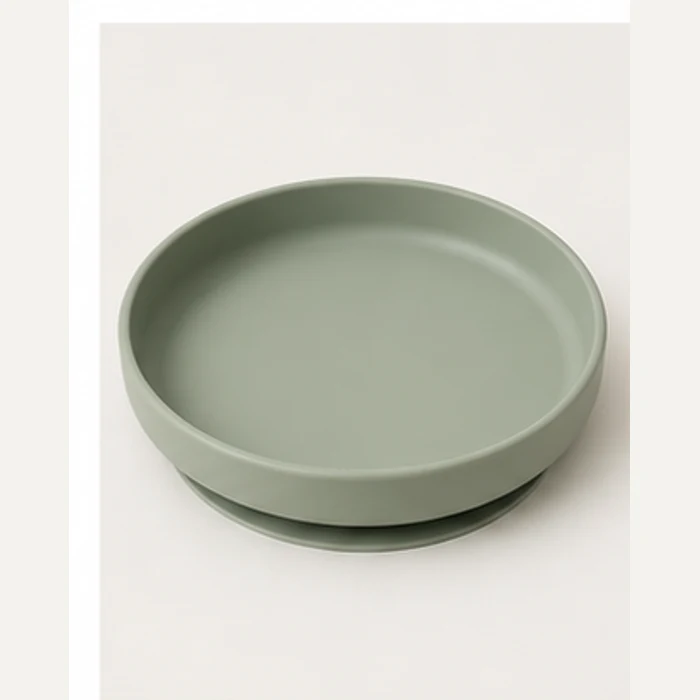
Stable one-piece plate with an easy-clean food-contact surface.
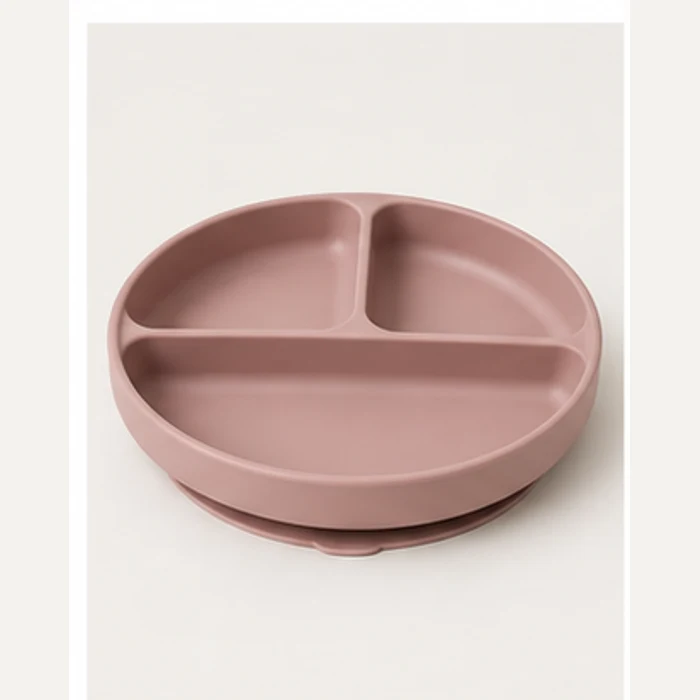
Compartment design for organized toddler meals and portioning.
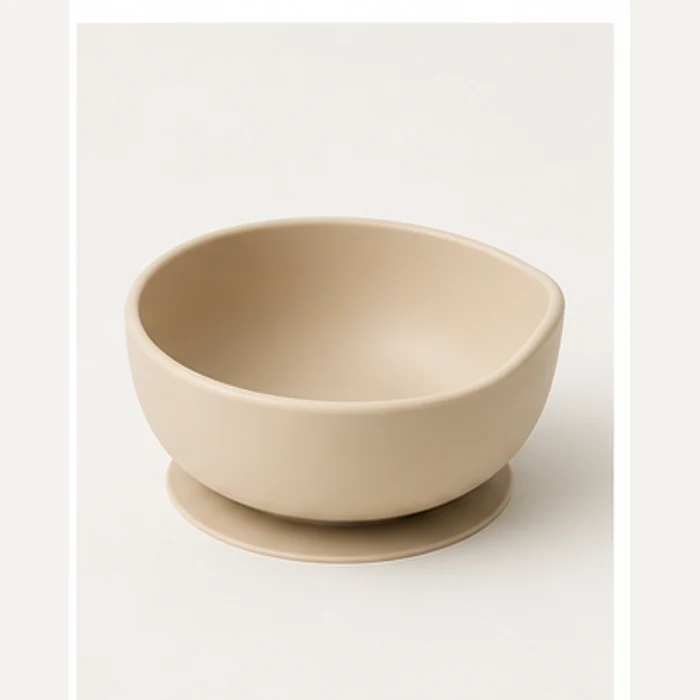
Soft feeding bowl with a stable base for first solids.
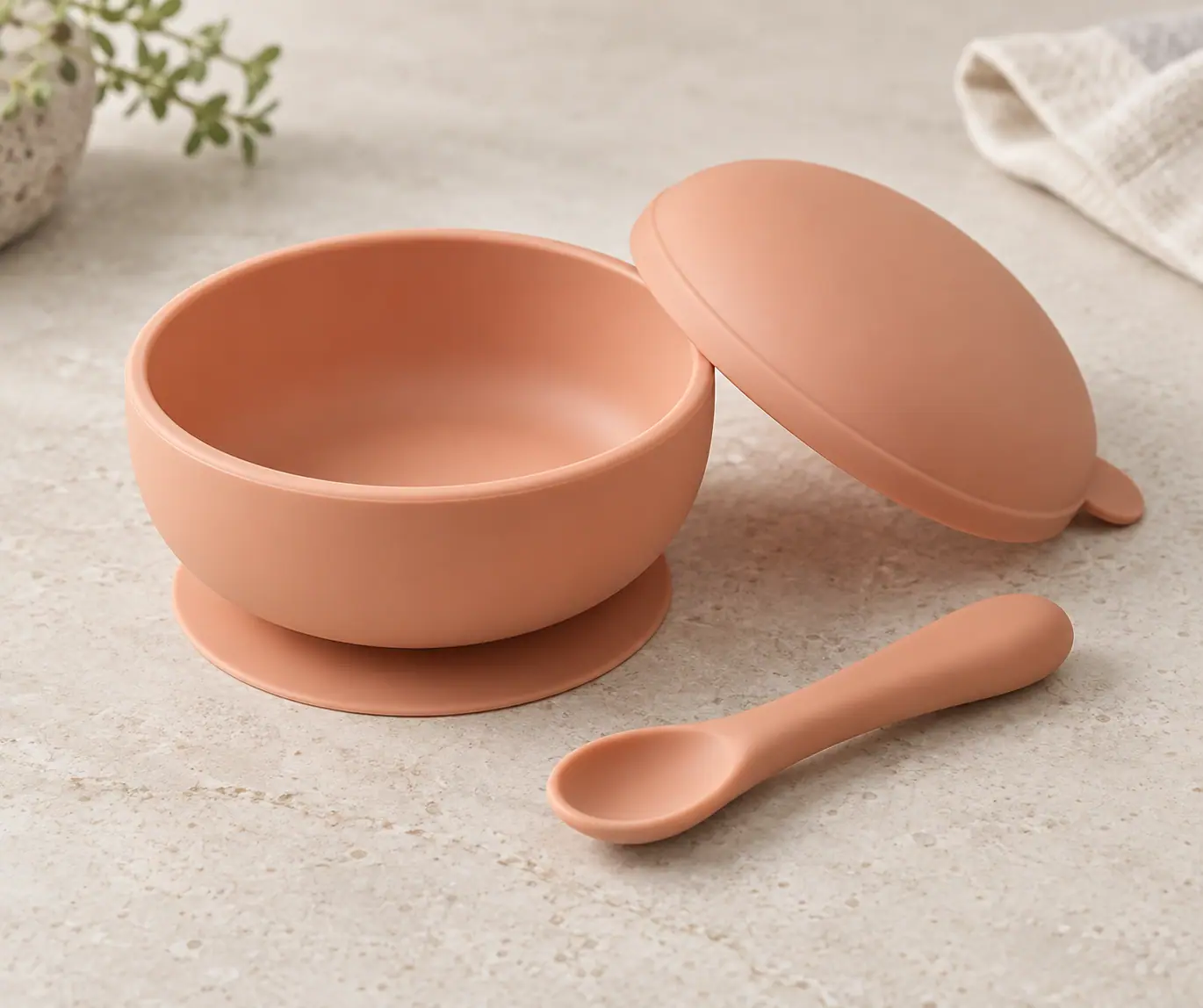
A private-label feeding bowl developed around table contact, rim-and-lid fit, practical spoon access and one controlled retail selling unit.
B2B PROJECT INQUIRY
Share the intended product, destination market, order quantity and launch plan. Our project team will review the information and identify the next practical step.
Drawings are helpful but not required. A sketch, reference photo or physical sample can be used for an initial discussion.
GENERAL SOURCING INQUIRY