
Paw-Size Range
Develop separate cup and insert envelopes for named animal-size bands instead of stretching one ambiguous universal-fit claim.
CUSTOM PET FEEDING
PRODUCT OVERVIEW
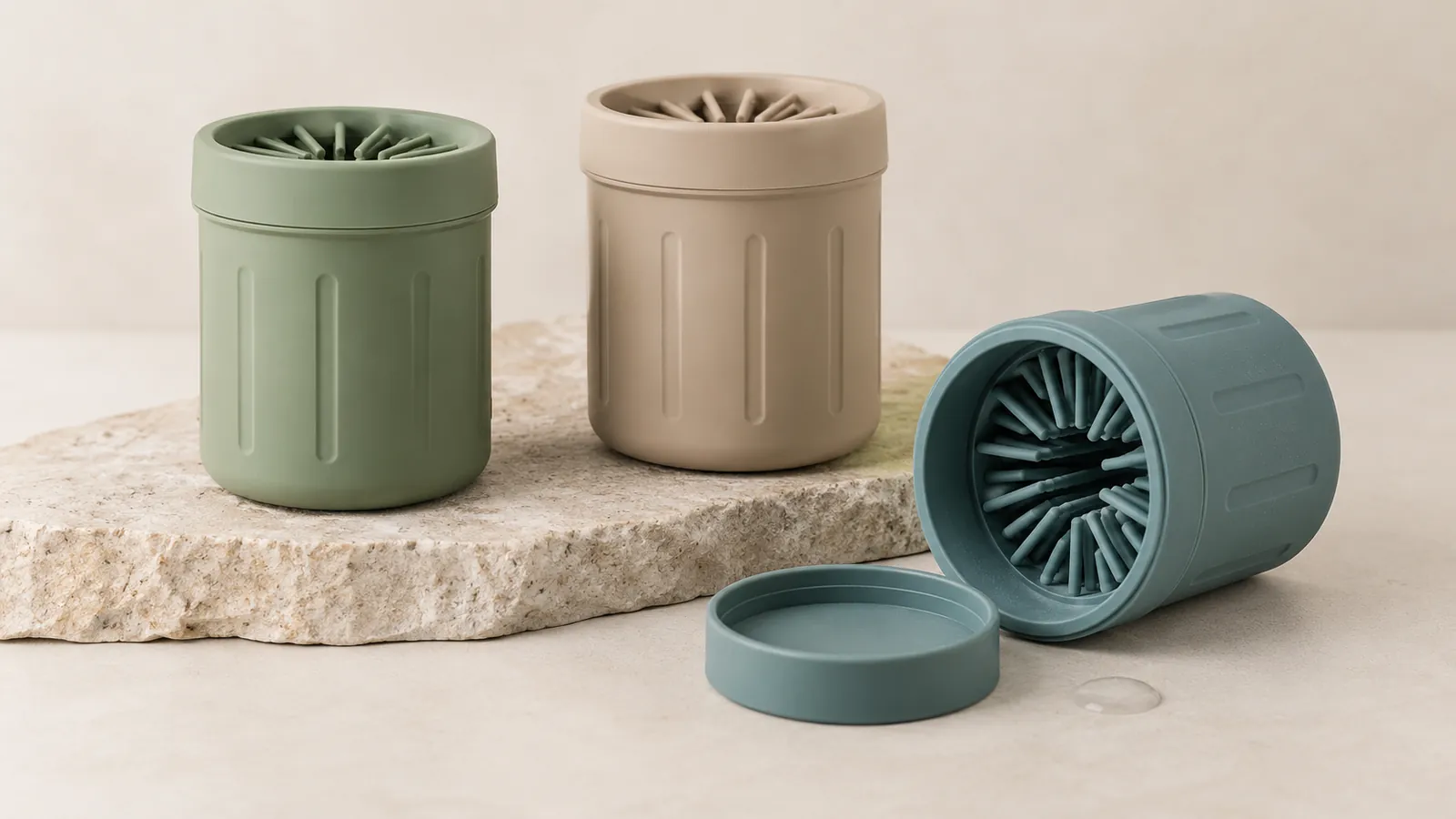
A custom silicone pet paw cleaner cup is a multi-interface product: the outer cup must be stable in the hand, the removable insert must flex around a defined paw envelope, and the assembly must be practical to separate, rinse, dry and repack. Naike Silicone develops the cup diameter, depth, rim, grip surface, fin field, insert retention and lid or travel closure from buyer-provided animal-size targets, reference samples or controlled drawings rather than describing one size as suitable for every pet.
The engineering brief should state the target paw width and length range, coat and debris conditions to evaluate, water fill method, insertion depth, user motion, cleaning route and required selling-unit components. These inputs guide fin length, root thickness, spacing, tip radius, insert stiffness, cup wall distribution, mold parting, venting, demolding and whether a range needs separate small, medium or large tooling.
Cleaning, comfort, drainage, durability and safety language must be limited to the approved finished SKU and a documented method. Buyers should agree fixture or supervised-use conditions, soil type, water volume, cycle sequence, inspection points and acceptance criteria; the accessory is not proof of veterinary benefit and should not be represented as suitable for injured or irritated paws without appropriate professional review. Material, tooling, MOQ, price, samples, reports, packaging and lead time are confirmed after the specification and validation plan are approved.
Product page updated:
Request a B2B QuotationENGINEERING & APPROVAL EVIDENCE
Each stage addresses a different purchasing risk: manufacturability, functional fit and private-label presentation.
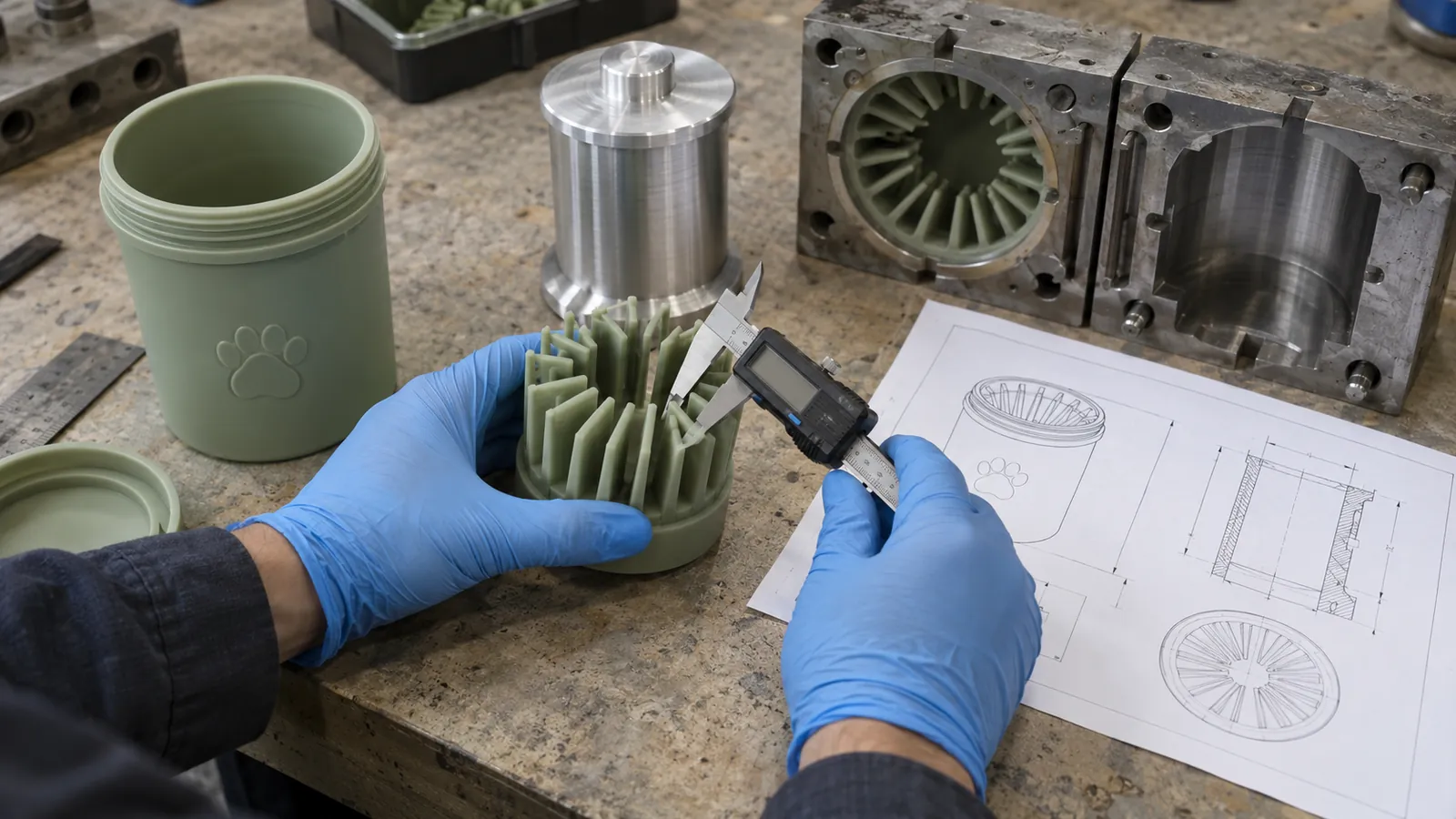
Fin spacing, root thickness, tip radius, insert retention, cup wall, parting line, venting and release direction are reviewed before tooling approval.
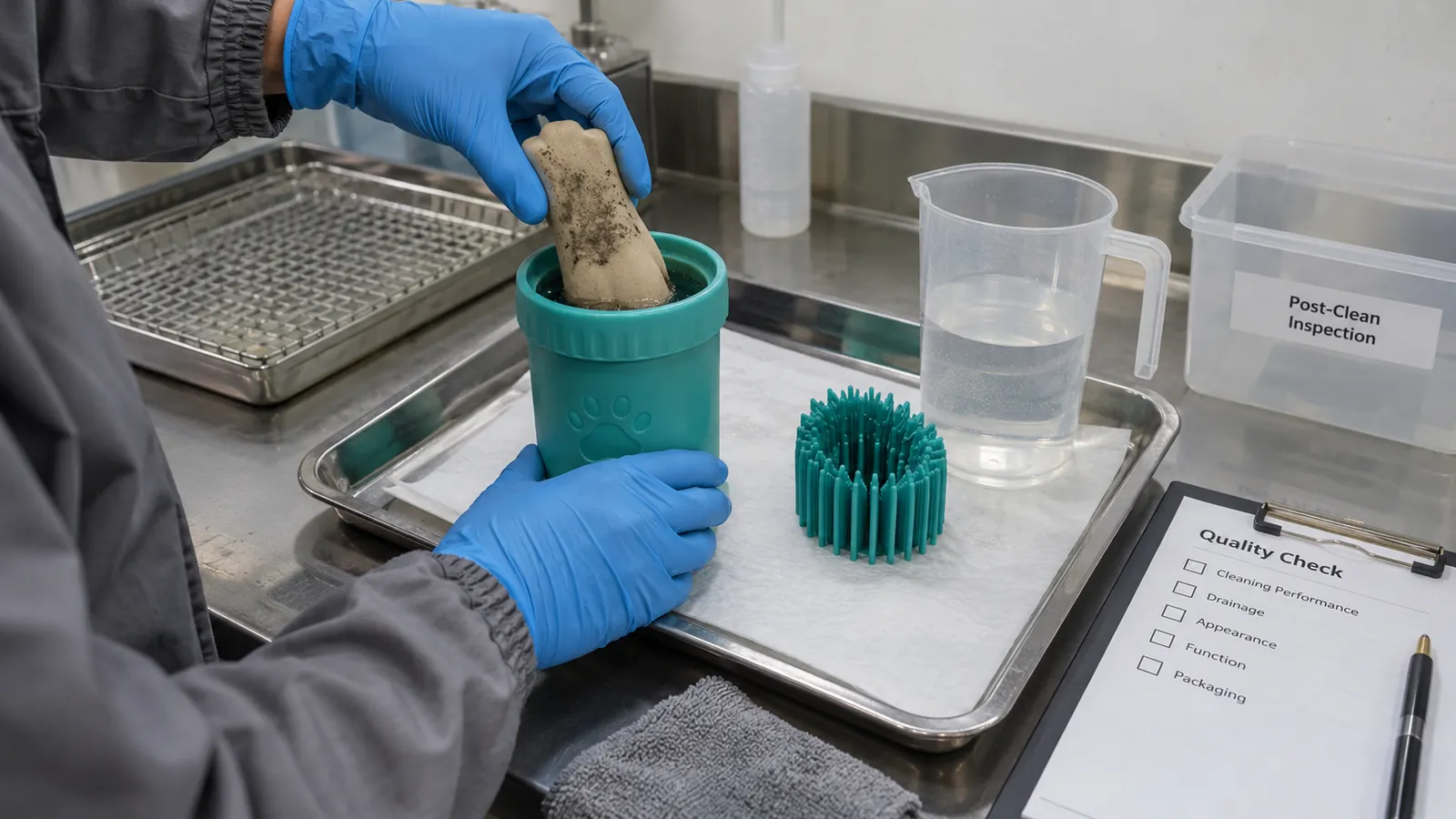
A defined fixture and rinse method can compare insertion, fin contact, soil release, disassembly, drainage and post-cycle inspection for the approved revision.
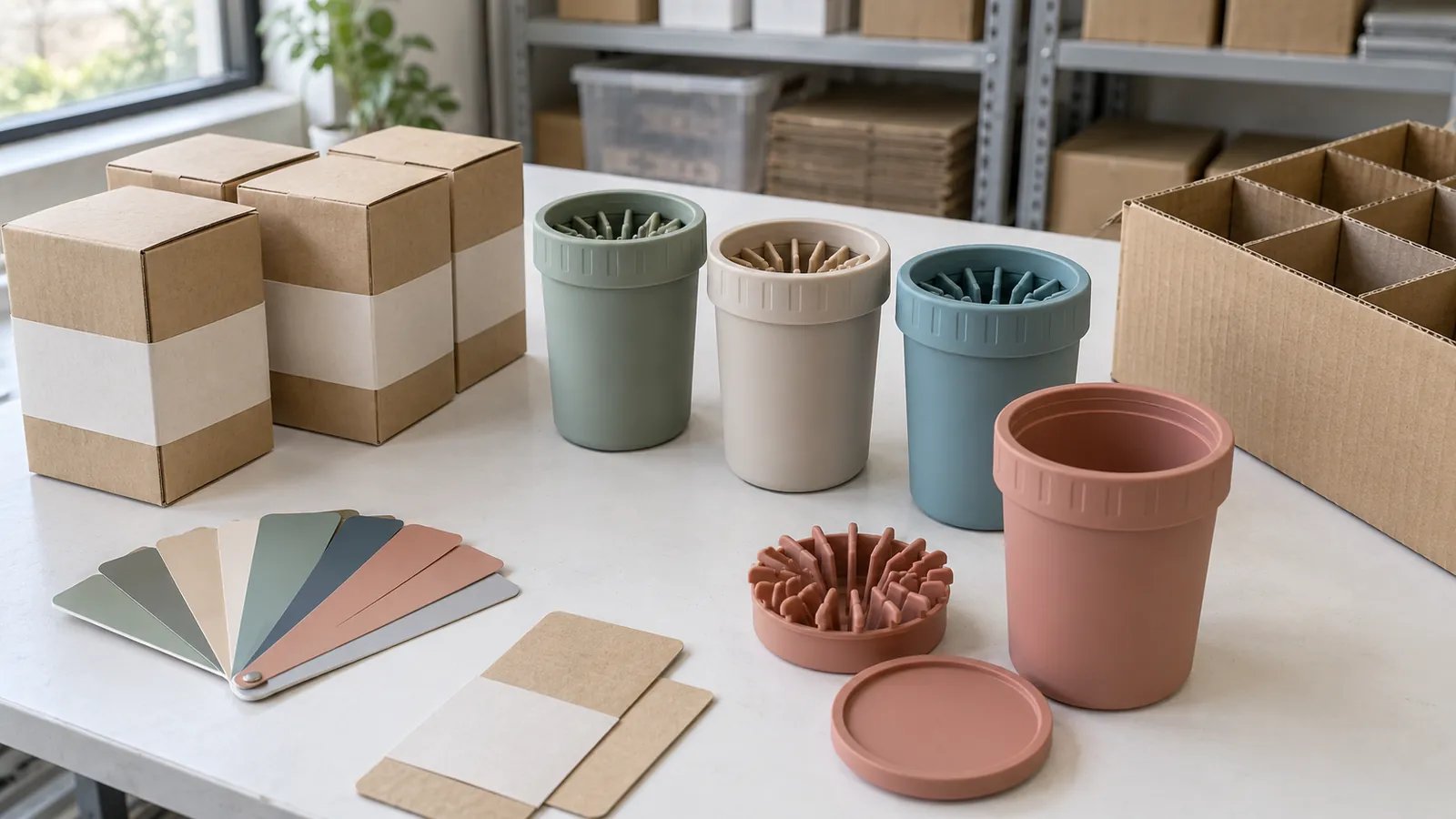
Size code, color reference, molded identity, instructions, carton components and export protection are approved against one packed golden sample.
B2B SOURCING SNAPSHOT
Final terms depend on the approved specification, packaging, quantity and delivery plan.
| Control Point | Buyer Decision | Approval Basis |
|---|---|---|
| Paw envelope | Target paw width, length, coat condition and intended animal-size range | Controlled fixtures, representative references and buyer-approved dimensional limits |
| Fin insert | Fin count, length, root thickness, spacing, tip radius and insert retention | Drawing review plus physical insertion, flex and post-cycle inspection |
| Cup handling | Cup diameter, height, rim, grip texture, fill indication and disassembly route | Hand-use and rinse observations under an agreed sequence without universal performance claims |
| Material and finish | Silicone grade, cure route, hardness, pigment, surface and traceability | Selected for defined use, cleaning and destination-market evidence requirements |
| Private-label identity | Molded logo, size code, color reference, instructions and packaging | Approved artwork, color standard and assembled selling-unit sample |
| Commercial release | Tool family, cavity plan, size and color allocation, MOQ, testing and schedule | Quoted after the size matrix, validation, pack-out and current production capacity are confirmed |
Each project is reviewed as a complete product specification.
Develop separate cup and insert envelopes for named animal-size bands instead of stretching one ambiguous universal-fit claim.
Tune fin length, density, root section and tip radius around insertion clearance, flexible contact, molding stability and rinse access.
Review the seating bead, anti-rotation detail and pull-out route so the insert remains located during the agreed use sequence and can be removed for cleaning.
Adjust outer ribs, waist, rim and optional lid around wet-hand handling, storage orientation and packed dimensions.
Evaluate silicone compound, hardness, Pantone-referenced pigment, finish, molded logo and visible size identification.
Coordinate disassembled or assembled presentation, care instructions, size guide, carton, multipack and shipping dividers after SKU approval.
B2B BUYER FAQ
These answers define the decisions required before tooling, sampling and a reliable quotation.
Send the intended animal and paw-size range, target cup dimensions, reference product or drawing, preferred fin feel, components, quantity by size and color, destination, logo files, cleaning concept and packaging format. A size matrix is more useful than labels such as small or large alone.
No. Paw width, toe spread, coat length and comfortable insertion depth vary substantially. Each SKU should have a defined dimensional envelope and size-selection guidance supported by representative fixtures or approved samples.
DFM review considers fin length, spacing, root thickness, tip radius, draft, venting and release direction. The buyer and factory then evaluate the molded insert with the agreed paw fixtures, soil conditions and inspection criteria.
Yes, if the project specifies a removable architecture. The seating bead, anti-rotation detail, disassembly force and internal access must be reviewed together so cleaning access does not undermine insert retention during the approved use sequence.
Define the test soil, water volume and temperature, insertion and motion sequence, cycle count, rinse method and acceptance criteria. Results apply to the tested revision and method; they should not be generalized into medical, antimicrobial or veterinary claims.
Yes. Size tooling, Pantone-referenced colors, manufacturable grip textures, molded identity and size marks can be evaluated. Every additional size or color affects sampling, inventory allocation and package planning.
The buyer should approve size guidance, component list, care instructions, intended-use boundaries, warnings, barcode space and local-language copy. The assembled packed sample should confirm fit, presentation and export protection before print release.
Cup and insert geometry, number of sizes, cavity plan, compound, color split, validation scope, package minimums, order mix and current capacity all affect commercial terms. Final values follow the approved specification and release route.
CATEGORY-SPECIFIC REVIEW
Species, size, feeding behavior, food type and supervision conditions.
Capacity, maze spacing, access, stability, grip and easy-clean transitions.
Coordinated sizes, colors, bowls, mats and travel formats for the target channel.
Drawings, material scope, physical samples, functional methods and packed SKU references.
INQUIRY CHECKLIST
Providing clear requirements helps us evaluate tooling, samples, price and lead time.
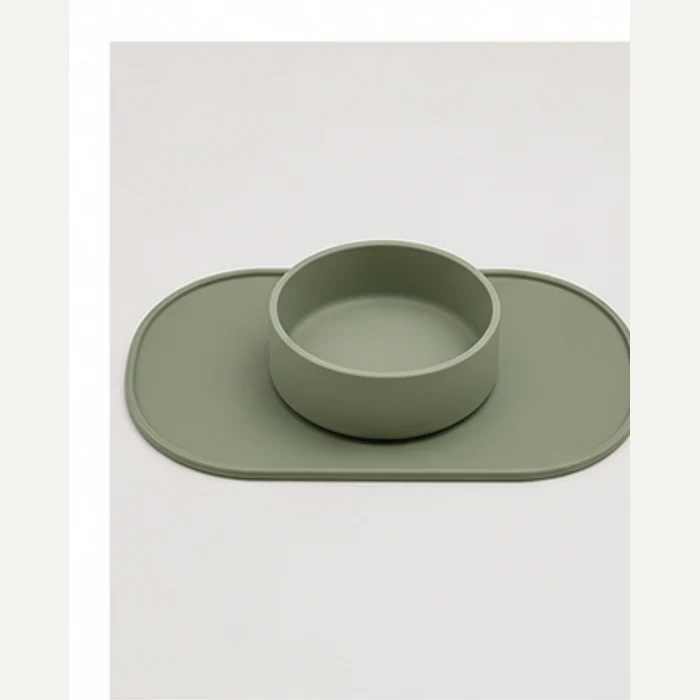
Raised-edge feeding surface developed to protect floors and organize bowls.
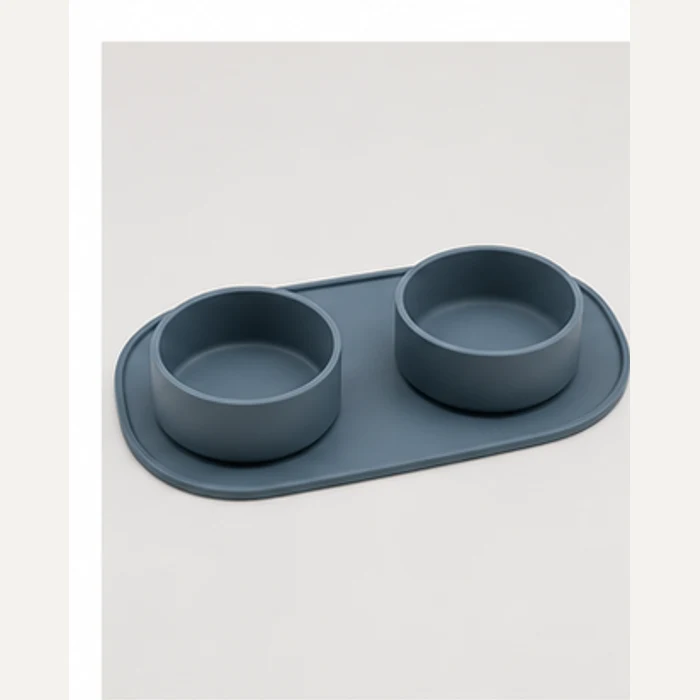
Flexible easy-clean bowl with a broad stable base for everyday feeding.
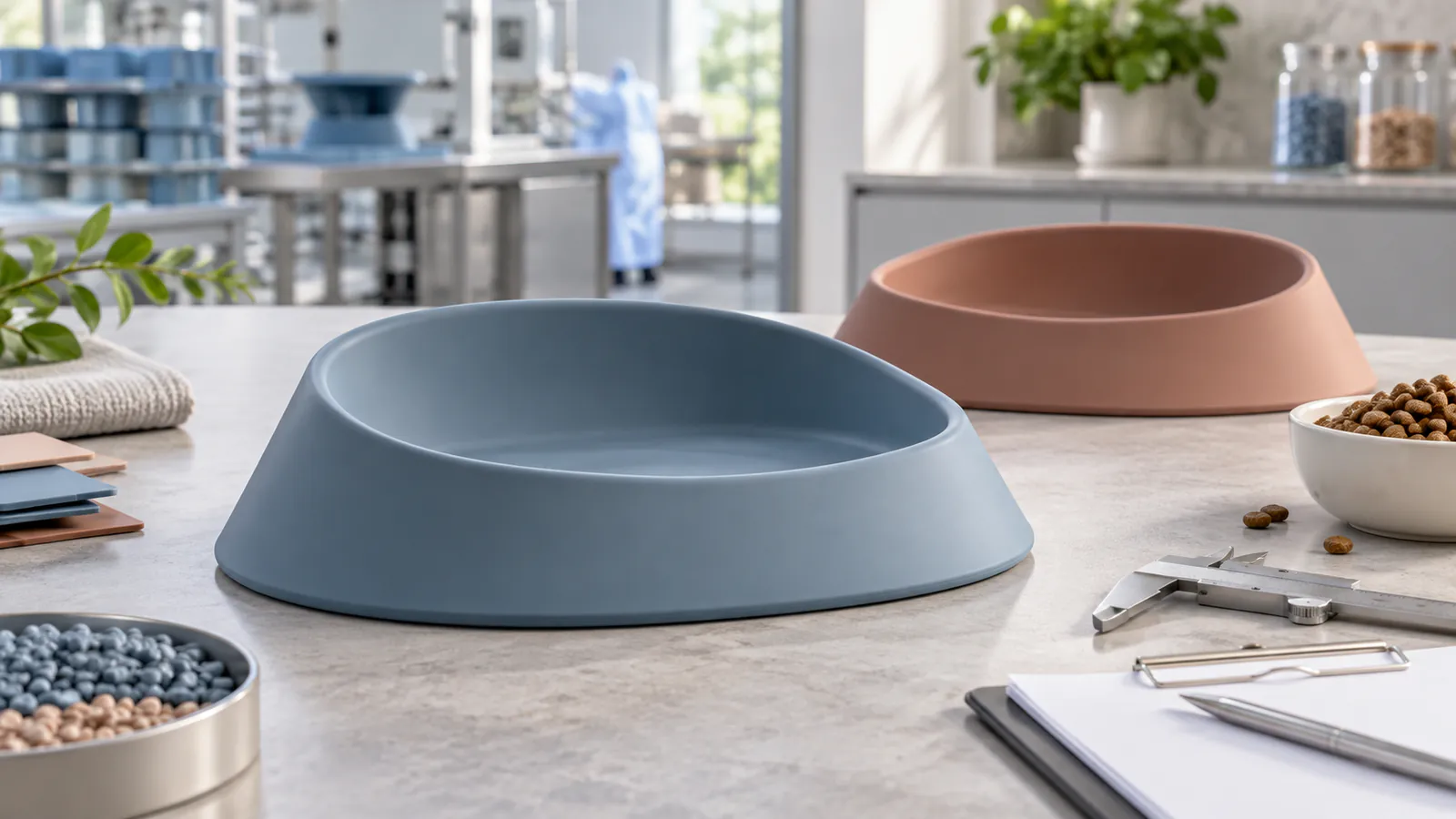
A private-label cat bowl developed around whisker clearance, accessible food depth, controlled portions, floor stability and a buyer-defined retail pack.
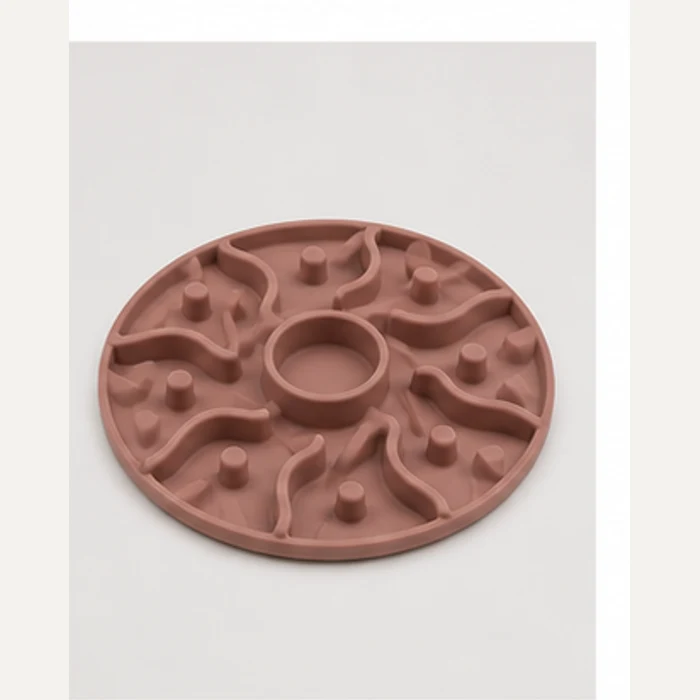
Maze-style bowl that separates food into controlled feeding paths.
B2B PROJECT INQUIRY
Share the intended product, destination market, order quantity and launch plan. Our project team will review the information and identify the next practical step.
Drawings are helpful but not required. A sketch, reference photo or physical sample can be used for an initial discussion.
GENERAL SOURCING INQUIRY