
Diameter and Can Matrix
Develop one or several cover sizes around controlled rim dimensions and representative can samples supplied by the buyer.
CUSTOM PET FEEDING
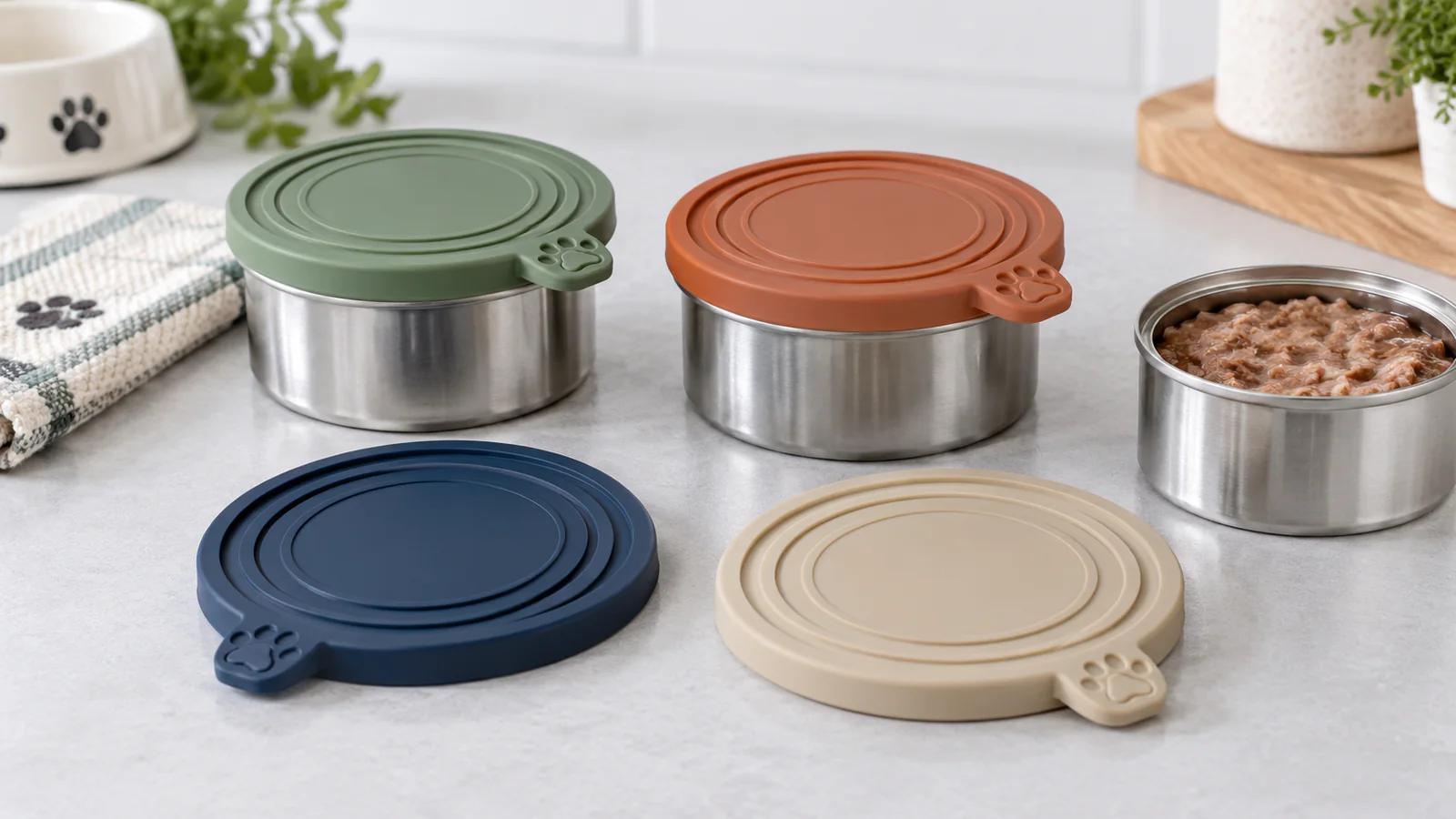
PRODUCT OVERVIEW
A custom silicone pet food can cover set should be engineered around identified metal-can rims and the buyer's selling-unit strategy, not described as universally fitting every can. Naike Silicone reviews the target can diameters, bead profiles, cover overlap, concentric sealing ribs, center flexibility, pull-tab geometry and nesting order as one molded product system. A small change in rim diameter, bead height or material hardness can alter installation, retention, removal and recovery.
The product brief should include physical can samples or controlled rim drawings, desired size count, food and storage conditions, refrigerator use, opening and removal sequence, cleaning method, color coding, molded branding, packaging format and order forecast. These inputs guide compound review, hardness, local thickness, rib interference, transition radii, parting line, venting, mold layout and inspection fixtures. Production-representative samples can then be evaluated on the approved can matrix using named fit, handling, leakage-observation and cleaning methods.
A fitted sample does not prove compatibility with every can supplier, every food, prolonged storage or a specific shelf-life outcome. Food-contact evidence, migration scope, temperature range, care instructions and destination-market responsibilities depend on the final compound, color, geometry, intended conditions and selling claim. Tooling, MOQ, price, samples, capacity and lead time remain conditional on the approved size matrix, compound, colors, packaging, quantity and current factory schedule.
Product page updated:
Request a B2B QuotationENGINEERING & APPROVAL EVIDENCE
Each stage addresses a different purchasing risk: manufacturability, functional fit and private-label presentation.
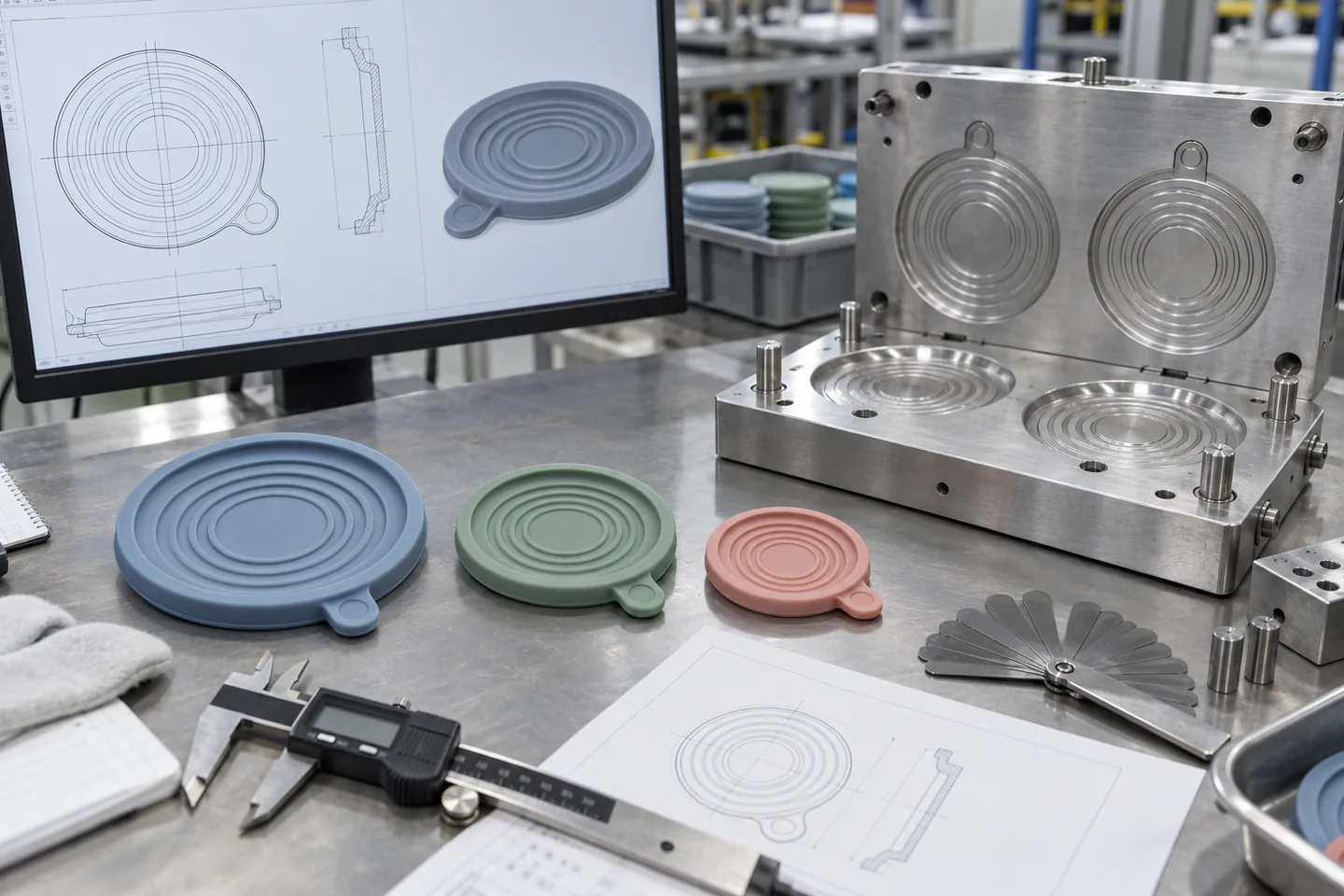
Diameter, rib interference, local thickness, pull-tab transition, parting line, vents and cavity layout are reviewed before tooling release.
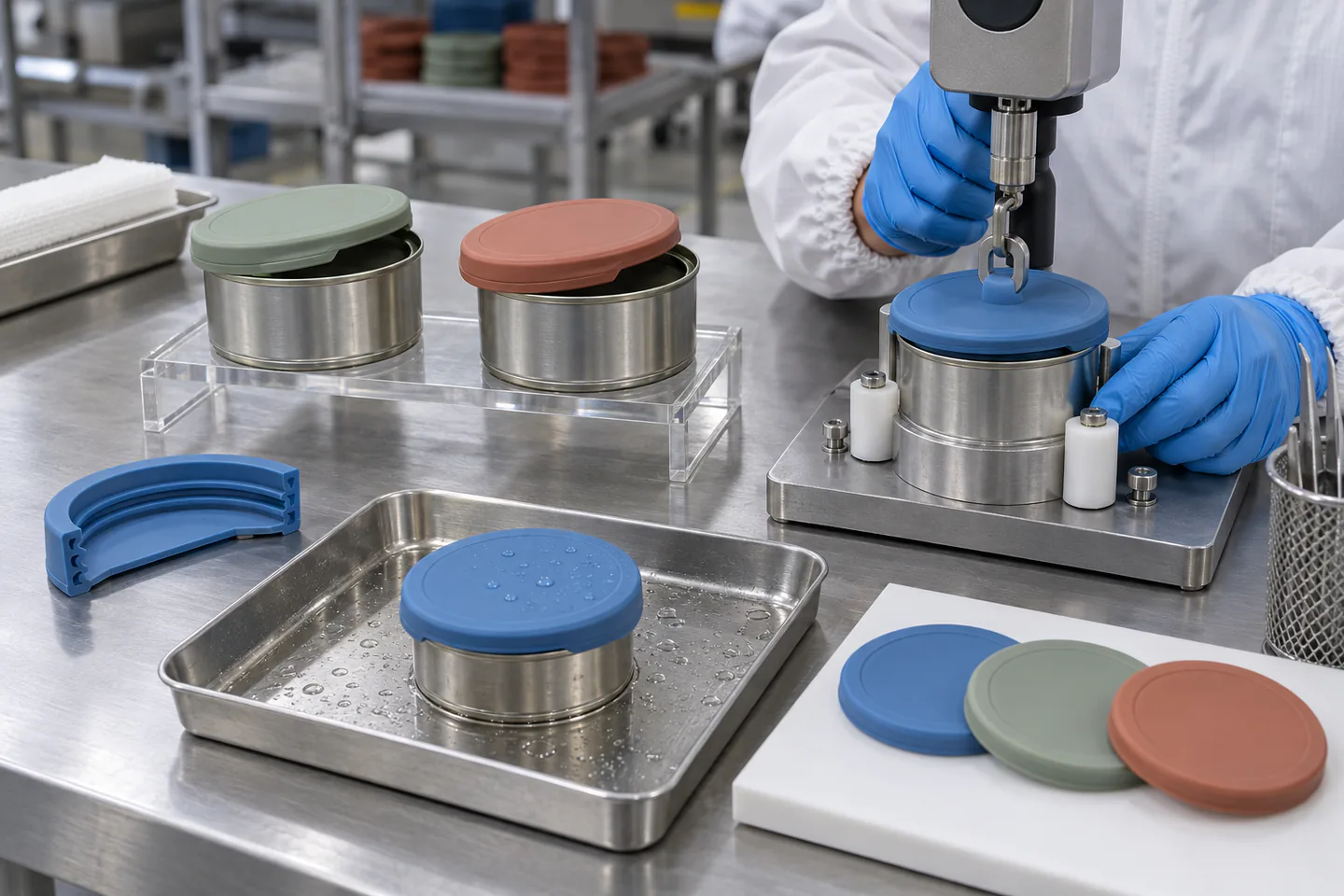
Buyer-approved can samples support controlled checks for installation, rim engagement, pull-tab removal, recovery and leakage observations under defined conditions.
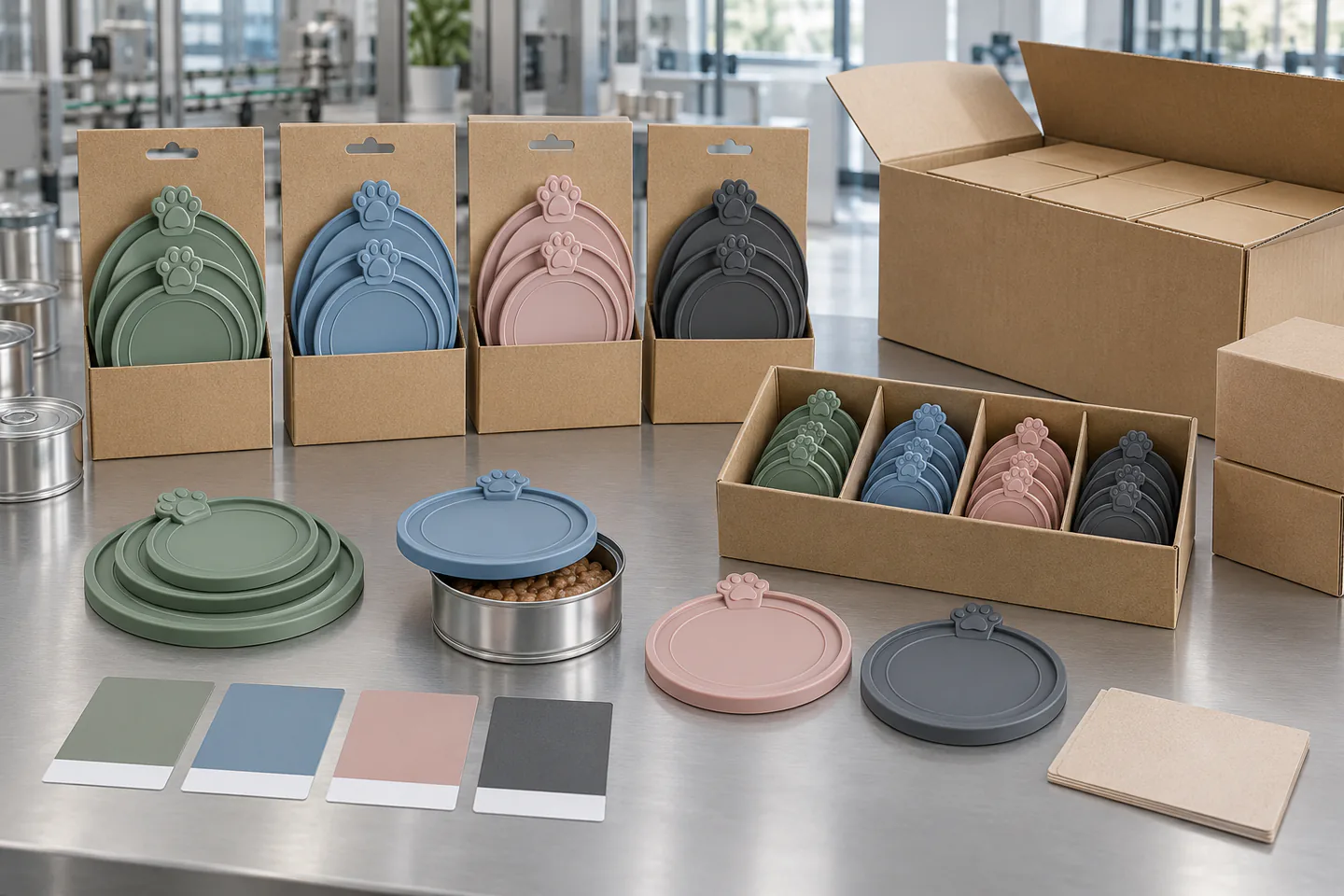
Color references, molded brand zones, size allocation, sleeves or boxes, inserts and carton protection are approved as one selling unit.
B2B SOURCING SNAPSHOT
Final terms depend on the approved specification, packaging, quantity and delivery plan.
| Control Point | Buyer Decision | Approval Basis |
|---|---|---|
| Can compatibility matrix | Identified can diameters, bead profiles, suppliers or controlled rim drawings | Approved physical cans or fixtures linked to each cover size |
| Cover architecture | Outer diameter, center thickness, overlap, sealing ribs, pull tab and nesting order | Controlled drawing plus production-representative molded samples |
| Fit and handling | Installation method, retention, pull-tab removal, recovery and leakage observation | Named test conditions, can matrix, acceptance notes and retained references |
| Material and care | Silicone compound, cure route, hardness, pigment, storage temperature and cleaning method | Evidence and care language matched to the finished SKU and intended market |
| Branding and packout | Color coding, molded logo, size marks, set count, sleeve or box and master carton | Physical color references and complete packed golden sample |
| Commercial basis | Tooling, cavities, MOQ, unit price, samples, capacity and delivery plan | Confirmed after sizes, colors, evidence, packaging and quantity are approved |
Each project is reviewed as a complete product specification.
Develop one or several cover sizes around controlled rim dimensions and representative can samples supplied by the buyer.
Adjust concentric ribs, overlap and local flexibility to balance installation, retention, removal and nesting.
Coordinate tab size, shape, texture and manufacturable molded size or orientation marks without weakening the transition.
Review silicone compound, cure route, hardness, thickness and conditioning response for the documented storage and care conditions.
Create Pantone-referenced color coding and embossed or debossed brand zones suitable for the approved molded geometry.
Configure size mix, nesting order, kraft sleeve or box, care card, labels, carton count and e-commerce protection.
B2B BUYER FAQ
These answers define the decisions required before tooling, sampling and a reliable quotation.
Send physical can samples or controlled rim drawings, target diameters, preferred number of sizes, storage and cleaning conditions, destination market, annual and batch quantity, colors, molded branding and packaging requirements. Identify whether the program is an existing design adaptation or a new-tooling project.
Potentially, but only within a validated range created by the cover geometry and the actual can rims. Provide representative cans from every intended supplier or size. Approve a fit matrix rather than using an unsupported universal-fit statement.
Concentric rib diameter, interference, height, center thickness, outer skirt and pull-tab shape can be reviewed through DFM and custom tooling. The transitions must remain moldable and resist tearing during the agreed installation and removal method.
Buyer and factory should agree the can samples, fill condition, installation sequence, storage orientation, time, temperature, removal action and observation criteria. Results apply only to the approved covers, cans and method and are not a shelf-life guarantee.
Define the exact temperature range, dwell time, detergent, rack position, cycle count and acceptance criteria before making a claim. Material evidence and finished-cover validation must match those documented conditions and the destination-market care language.
Yes. Pantone-referenced colors, molded logos and simple size or orientation marks can be reviewed. Artwork depth, location and legibility must not interfere with sealing ribs, pull-tab strength, cleaning or nesting.
Approve the size allocation, color combination, nesting order, sleeve or box, care card, labels, barcode area, carton count and protective inserts as one packed SKU. A complete packed sample should be retained for repeat orders.
The number of cover sizes and cavities, rib precision, compound, hardness, color split, fit fixtures, testing, packaging, quantity and current capacity all influence the program. Commercial figures become firmer after the can matrix and product revision are approved.
CATEGORY-SPECIFIC REVIEW
Species, size, feeding behavior, food type and supervision conditions.
Capacity, maze spacing, access, stability, grip and easy-clean transitions.
Coordinated sizes, colors, bowls, mats and travel formats for the target channel.
Drawings, material scope, physical samples, functional methods and packed SKU references.
INQUIRY CHECKLIST
Providing clear requirements helps us evaluate tooling, samples, price and lead time.
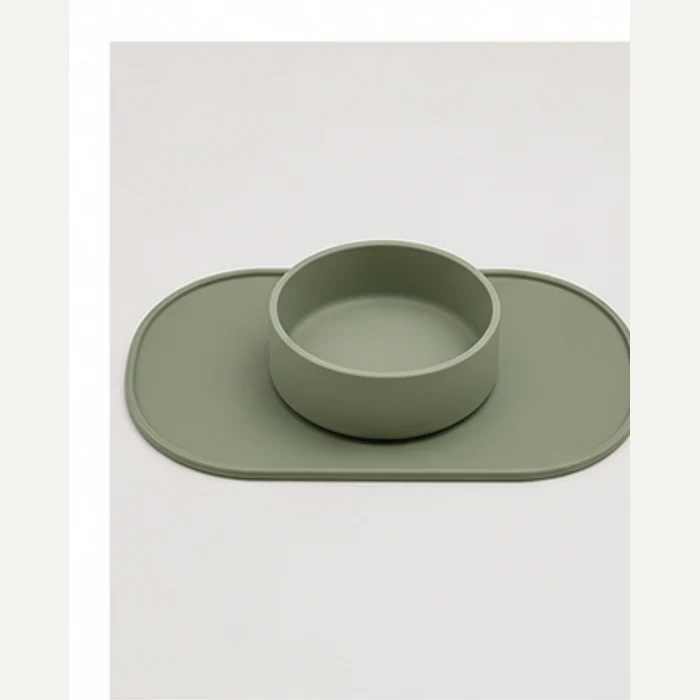
Raised-edge feeding surface developed to protect floors and organize bowls.
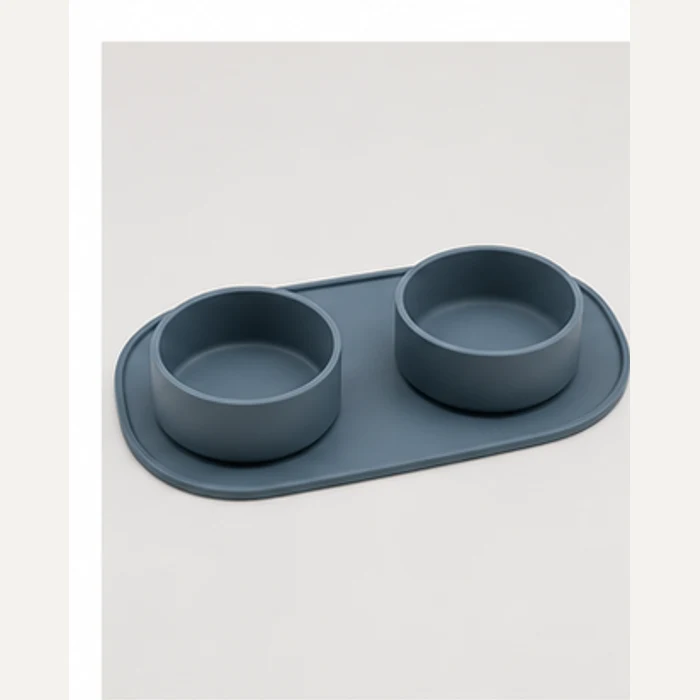
Flexible easy-clean bowl with a broad stable base for everyday feeding.
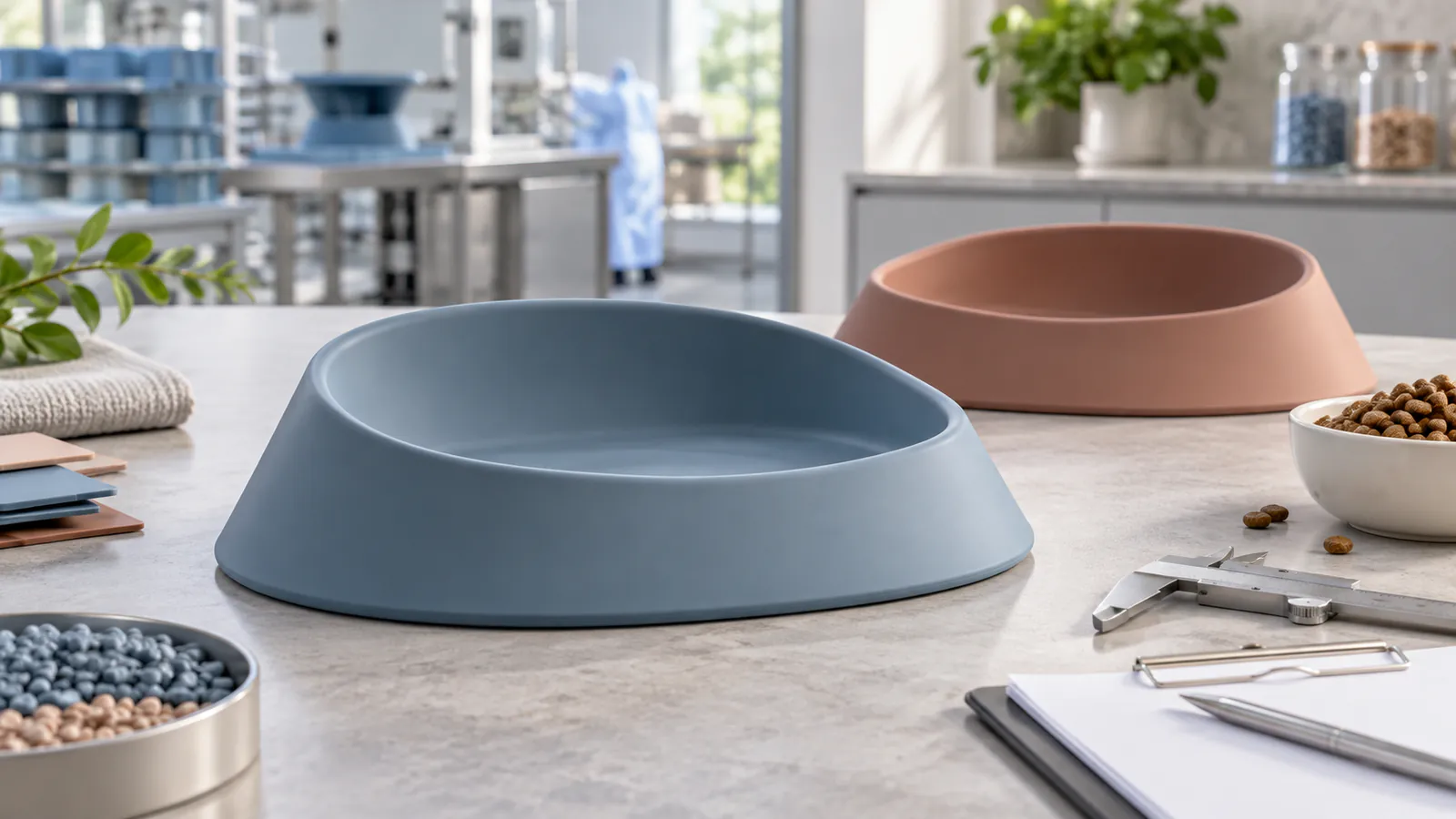
A private-label cat bowl developed around whisker clearance, accessible food depth, controlled portions, floor stability and a buyer-defined retail pack.
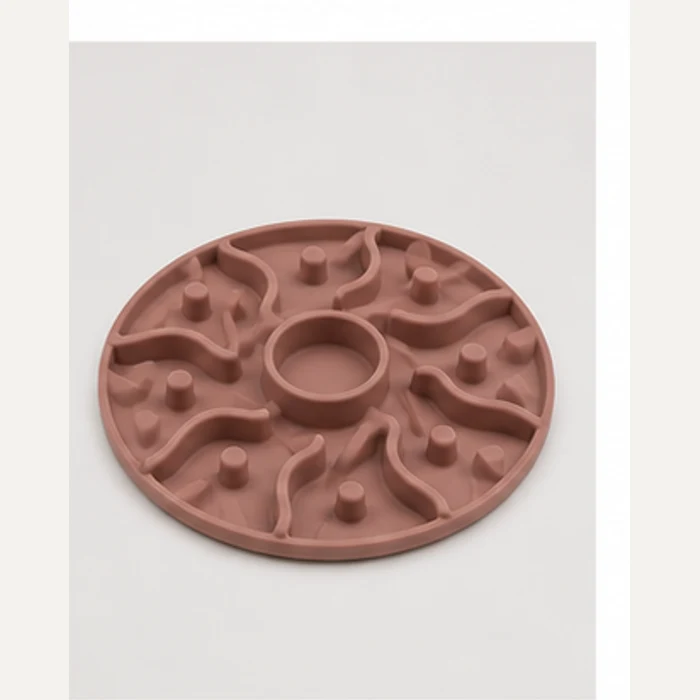
Maze-style bowl that separates food into controlled feeding paths.
B2B PROJECT INQUIRY
Share the intended product, destination market, order quantity and launch plan. Our project team will review the information and identify the next practical step.
Drawings are helpful but not required. A sketch, reference photo or physical sample can be used for an initial discussion.
GENERAL SOURCING INQUIRY