
Pad Size and Stability
Adjust footprint, overall thickness, corner radii, underside texture, straps, frame interface or attachment points.
CONTROLLED SILICONE PRODUCT DEVELOPMENT
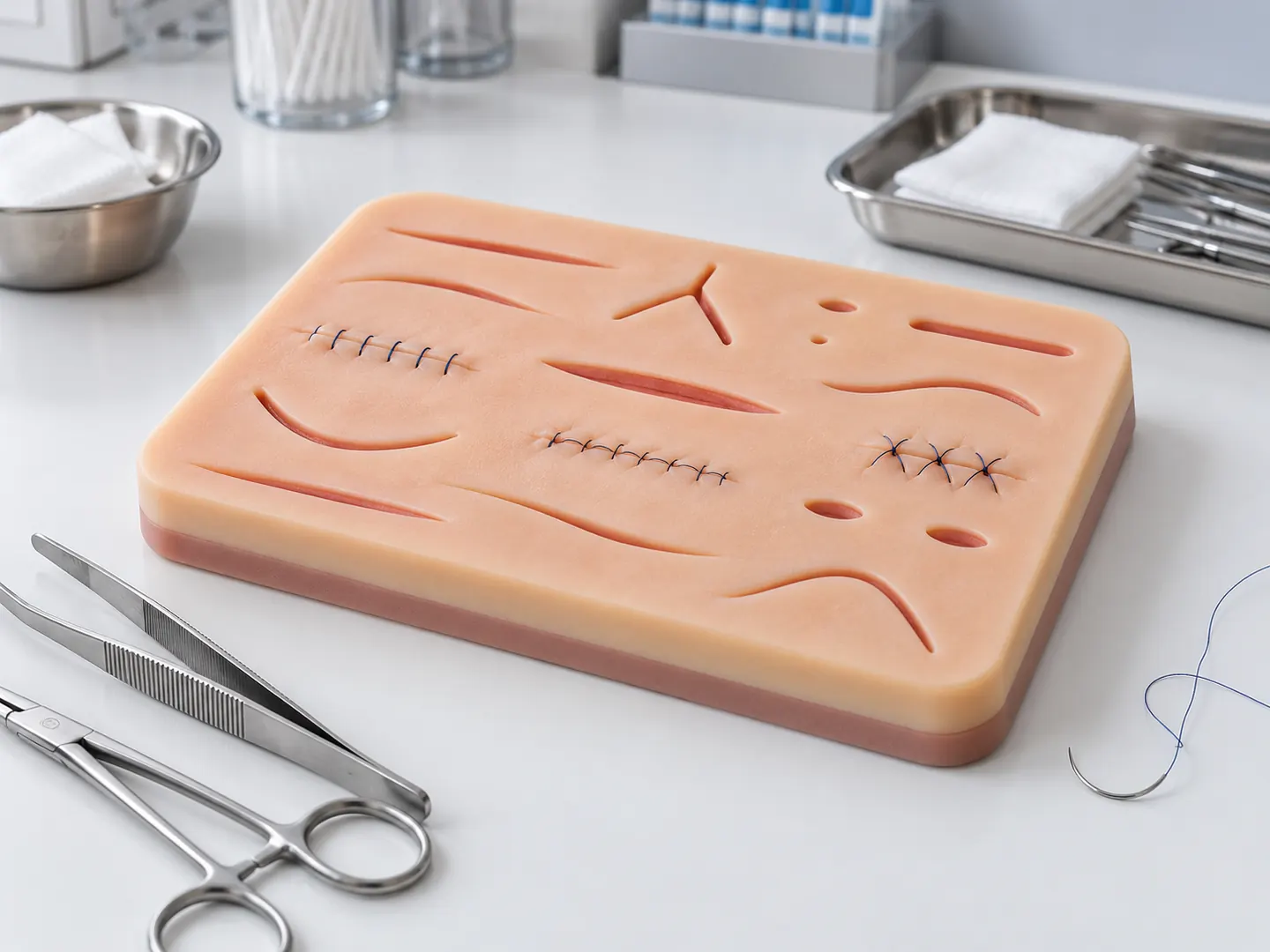
PRODUCT OVERVIEW
A custom silicone suture training pad is a non-clinical simulation product whose value depends on repeatable practice geometry, stable handling and a clearly defined teaching scenario. Naike Silicone develops the pad around target learner level, practice techniques, pad footprint, layer construction, wound patterns, surface feel, base stability, accessory kit and replacement strategy. A visually realistic color alone does not establish suitable puncture, pull-through or repeated-use behavior.
The buyer brief should define straight, curved, Y-shaped or other molded practice openings; target depth and spacing; single- or multilayer construction; local reinforcement; underside texture; attachment points; allowable color range; expected practice cycles; cleaning approach; and package contents. These inputs guide material hardness, layer bonding or sequential molding, wall transitions, mold inserts, venting, parting lines, inspection fixtures and sample validation.
This product is intended for education and simulation and is not supplied as human tissue, a sterile clinical device or a substitute for institution-approved training protocols. Regulatory classification, claims, accessory selection and market authorization remain the buyer's responsibility for the finished kit and jurisdiction. Tooling, MOQ, unit price, sampling, validation scope, capacity and lead time remain conditional on the approved drawing, materials, quantities, packaging and current factory schedule.
Product page updated:
Request a B2B QuotationENGINEERING & APPROVAL EVIDENCE
Each stage addresses a different purchasing risk: manufacturability, functional fit and private-label presentation.
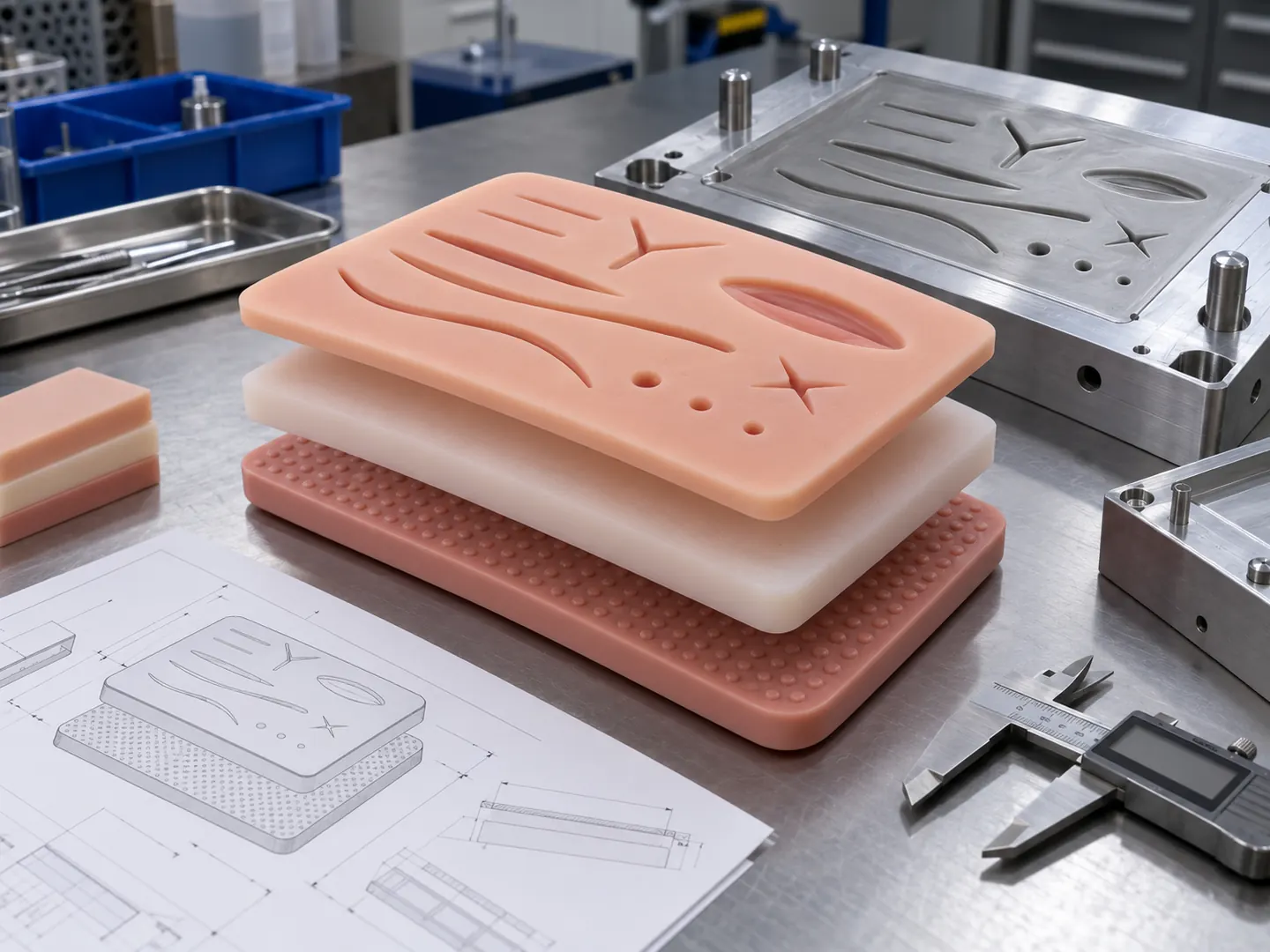
Layer thickness, interface, wound inserts, edge radii, underside grip, parting line and mold construction are controlled before tooling release.
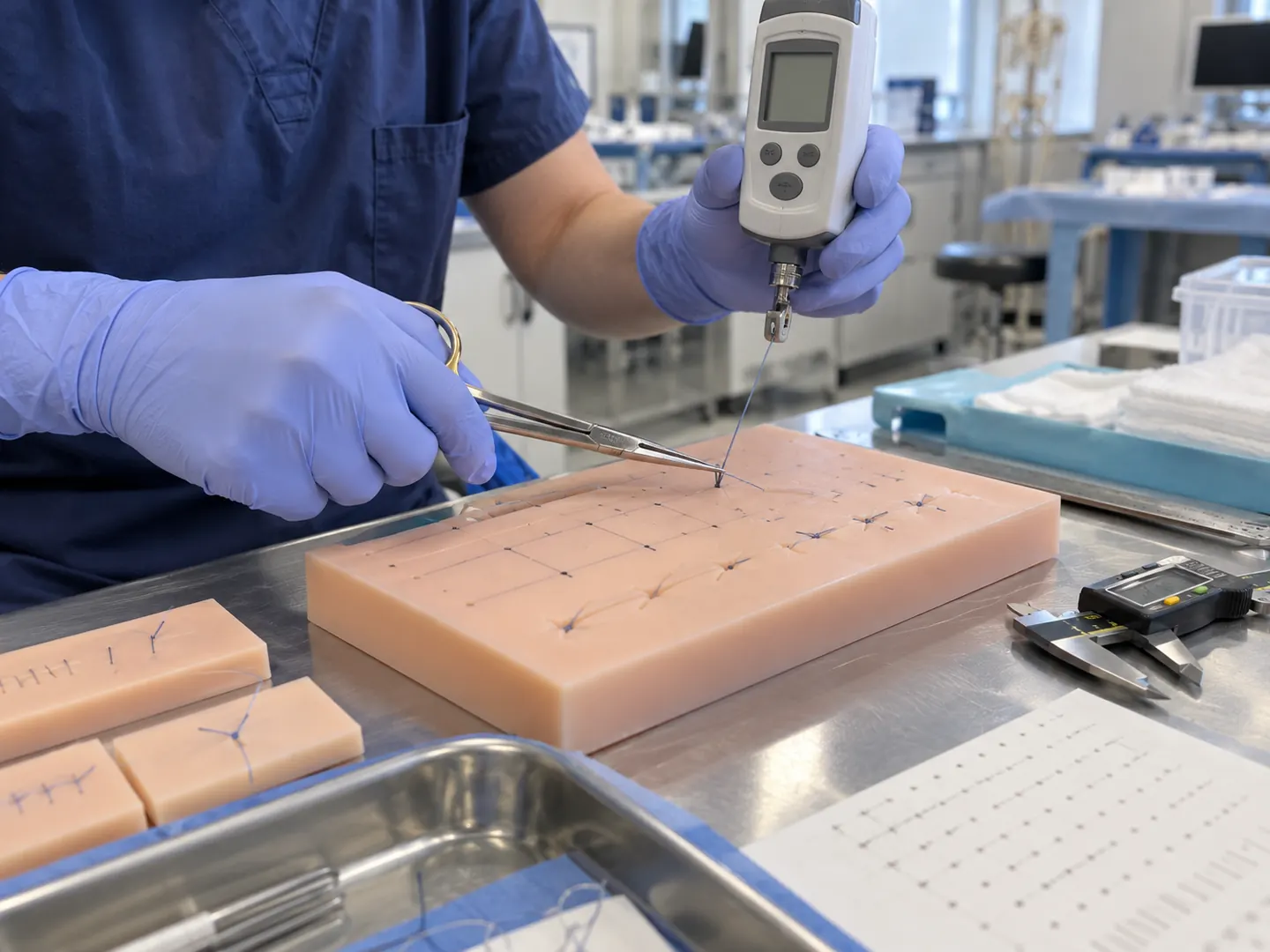
Production-representative samples can be checked with an agreed needle, suture, pull method, repeated-puncture map and visual limits.
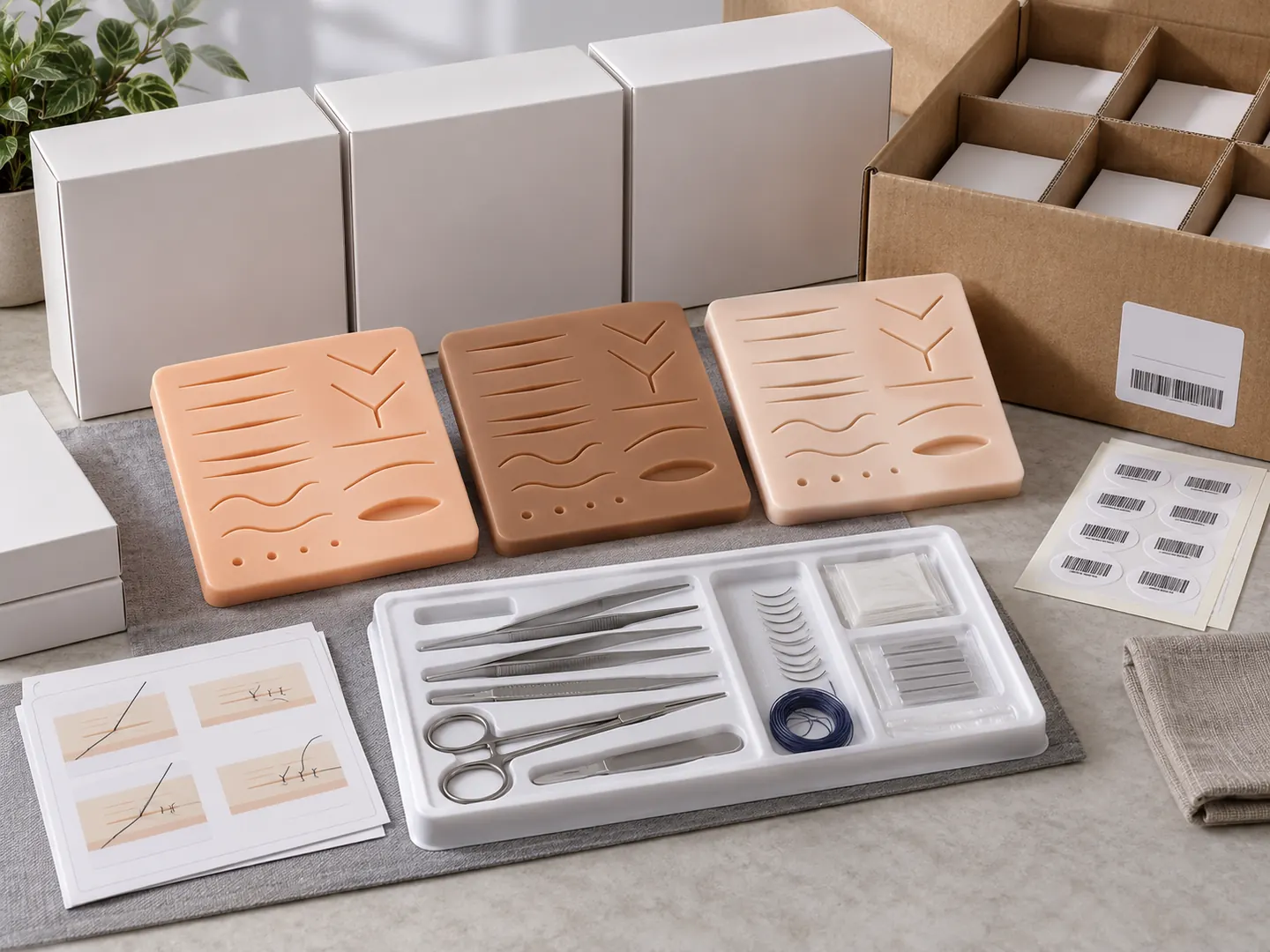
Approved pads, training accessories, instructions, protective trays, labels and cartons are connected to one controlled kit revision.
B2B SOURCING SNAPSHOT
Final terms depend on the approved specification, packaging, quantity and delivery plan.
| Control Point | Buyer Decision | Approval Basis |
|---|---|---|
| Training scope | Learner level, techniques, practice sequence and non-clinical use statement | Documented before geometry, accessories and claims are released |
| Pad architecture | Length, width, thickness, layers, edge profile, underside texture and attachment points | Confirmed by controlled drawing and production-representative sample |
| Practice geometry | Opening types, lengths, depths, spacing, orientation and replaceable-zone concept | Approved through drawings, cavity samples and buyer review |
| Mechanical response | Needle entry, suture pull-through, edge tearing, layer separation and repeated-puncture condition | Evaluated using buyer-agreed tools, method, cycle count and visual limits |
| Kit and packaging | Pad count, training tools, tray, instructions, label fields and master carton | Released through a complete packed sample and bill of materials |
| Commercial basis | Tooling, cavities, MOQ, unit price, sample timing, capacity and delivery | Confirmed after geometry, validation, accessories, packaging and quantity are fixed |
Each project is reviewed as a complete product specification.
Adjust footprint, overall thickness, corner radii, underside texture, straps, frame interface or attachment points.
Develop single- or multilayer structures with controlled color, thickness, hardness and interface design.
Configure straight, curved, Y-shaped, elliptical and puncture zones with buyer-approved spacing and depth.
Review compound, cure route, surface texture, color range and cleaning compatibility for the defined training use.
Coordinate pad count, needle holders, forceps, scissors, training sutures, tray and replacement components.
Develop molded identification, blank or printed instructions, inserts, boxes, labels, barcodes and export cartons after approval.
B2B BUYER FAQ
These answers define the decisions required before tooling, sampling and a reliable quotation.
Send the target learner and techniques, pad dimensions, layer concept, practice-opening drawings, expected cycles, preferred feel, accessory list, destination market, batch and annual quantity, labeling and packaging. Identify required claims and regulatory classification for separate review.
Yes. Straight, curved, branching, elliptical and puncture zones can be developed with controlled length, depth and spacing. Single- or multilayer construction, local reinforcement and underside grip require DFM and sample approval before production.
Buyer and factory should agree the needle and suture type, entry location, insertion method, pull direction, speed, cycle count, conditioning and acceptance limits. Results apply only to the approved pad revision, compound and documented method.
A universal cycle claim should not be assumed. Useful life depends on wound layout, needle, suture, technique, puncture spacing, pull load, cleaning and acceptance threshold. A buyer-approved repeated-puncture study can establish a conditional claim for the finished SKU.
No clinical or sterile status is automatic. The page describes a non-clinical simulation product. Any device classification, sterility, clinical claim, market registration or institutional protocol must be defined and validated separately by the responsible buyer.
Yes. A kit may include buyer-approved practice needle holders, forceps, scissors, training sutures, tray, instructions and replacement pads. Tool specifications, sourcing responsibility, safety wording and packed-sample approval must be fixed before production.
Yes. Review skin-tone or teaching colors, molded product or orientation marks, instruction cards, protective trays, labels, barcodes, retail boxes and cartons. Approve physical color, mark readability and the complete packed kit.
Pad dimensions, layer count, wound inserts, mold construction, compound, validation, accessory scope, packaging, order quantity and current capacity influence the program. Commercial figures become firmer after the controlled drawing and kit bill of materials are approved.
CATEGORY-SPECIFIC REVIEW
Neck adjustment, soft edges, coverage and comfortable thickness.
Opening stability, depth, cleaning access and shape recovery.
Coordinated colors, patterns, molded logos and multi-packs.
Roll-up presentation, paper bands, boxes and gift-set combinations.
Product-specific dimensions, handling, cleaning or conditioning evidence.
INQUIRY CHECKLIST
Providing clear requirements helps us evaluate tooling, samples, price and lead time.
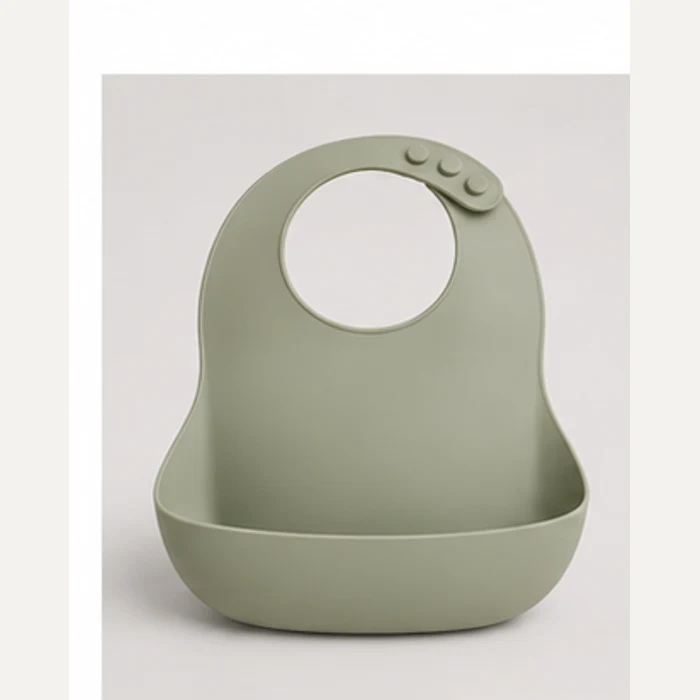
One-piece waterproof bib with a deep integrated food-catching pocket.
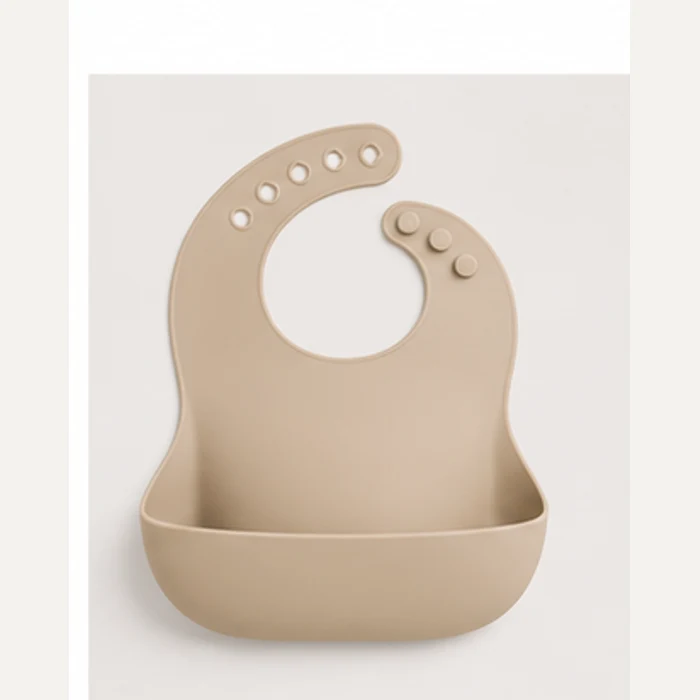
Multiple closure positions support a comfortable growing fit.
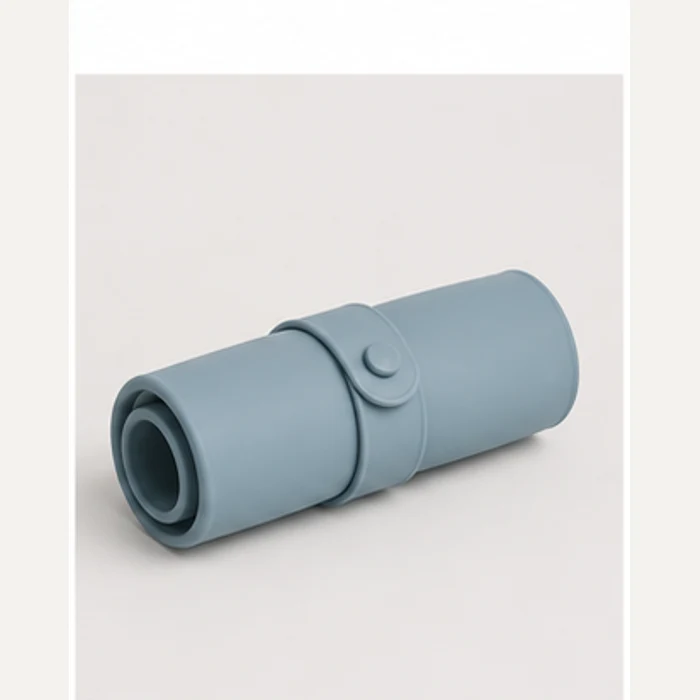
Flexible lightweight bib designed for compact storage and dining out.
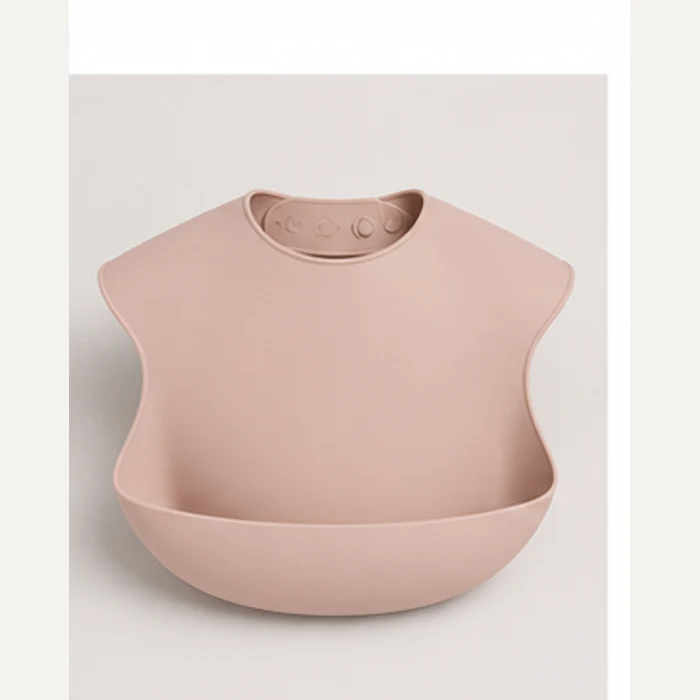
Broader front panel provides additional protection during mealtime.
B2B PROJECT INQUIRY
Share the intended product, destination market, order quantity and launch plan. Our project team will review the information and identify the next practical step.
Drawings are helpful but not required. A sketch, reference photo or physical sample can be used for an initial discussion.
GENERAL SOURCING INQUIRY