
Aperture Matrix
Configure hole count, diameter groups, pitch and row layout around the buyer's named tube or vial family.
CONTROLLED SILICONE PRODUCT DEVELOPMENT

PRODUCT OVERVIEW
A custom silicone laboratory test tube rack should hold the specified vessel family without excessive lean, difficult insertion or an unstable footprint. Naike Silicone develops aperture diameter, pitch, row count, tier spacing, base thickness, corner radius, drainage access and handling features around the buyer's actual tubes, bench workflow, cleaning route and identification needs.
The engineering brief should state tube outside diameter and length, loaded quantity, liquid mass, required working angle, footprint limit, target flexibility, surface finish, cleaning chemistry, temperature exposure, color allocation, molded marking and selling unit. These inputs guide cavity layout, core-pin design, wall balance, venting, flash boundaries, demolding and whether a one-piece rack can satisfy the required support geometry.
Fit, stability, cleaning and temperature-resistance statements require evidence for the finished design under agreed conditions. Buyers should define representative tubes, load state, tilt or disturbance method, conditioning, cleaning cycle and acceptance criteria. Material, tooling, MOQ, price, samples, documentation and timing are confirmed only after drawing, sample and validation-plan approval; this rack is not represented as sterile or as a medical device unless separately qualified for a defined application.
Product page updated:
Request a B2B QuotationENGINEERING & APPROVAL EVIDENCE
Each stage addresses a different purchasing risk: manufacturability, functional fit and private-label presentation.
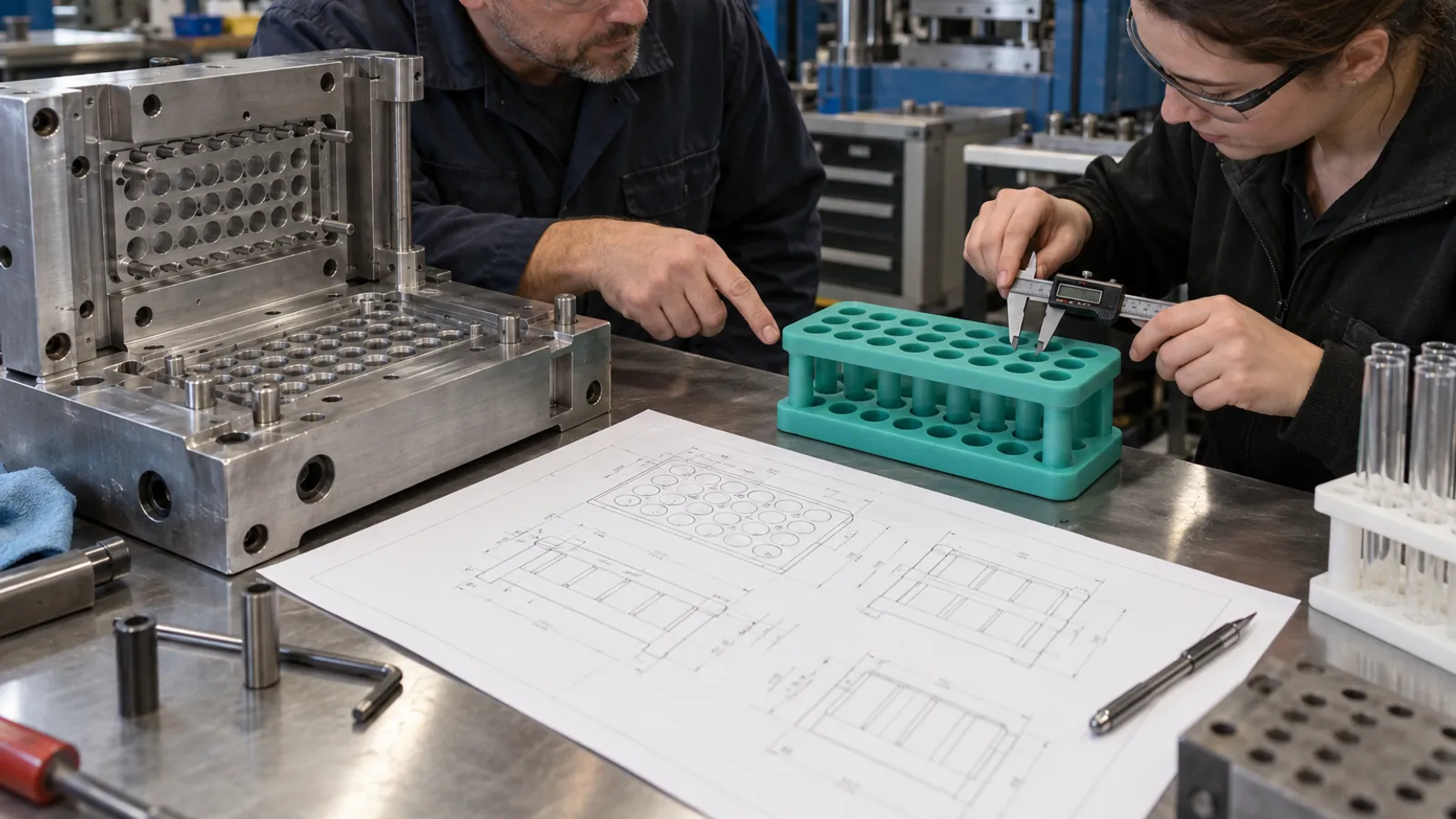
Illustrative scene: core pins, aperture pitch, tier spacing, wall balance, flash boundaries, vents and release direction are reviewed before tool approval.

Illustrative scene: named tube diameters, loaded mass, insertion force, tilt angle and recovery criteria support evidence for the approved design.
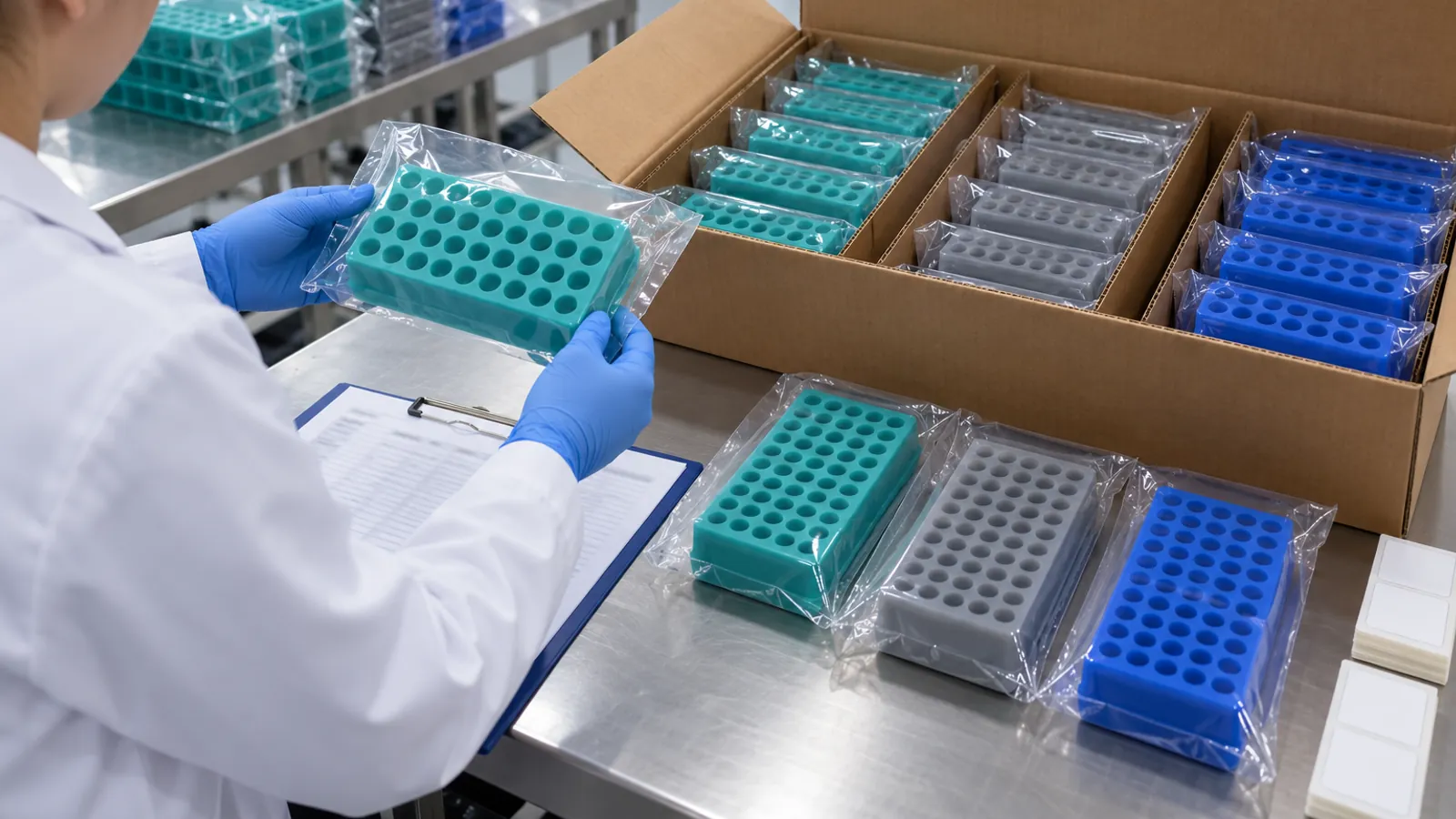
Illustrative scene: color allocation, molded IDs, protective bags, counts, dividers and carton orientation are approved together.
B2B SOURCING SNAPSHOT
Final terms depend on the approved specification, packaging, quantity and delivery plan.
| Control Point | Buyer Decision | Approval Basis |
|---|---|---|
| Tube interface | Outside diameter, vessel length, aperture diameter, insertion depth and clearance | Controlled drawing, named tube samples and dimensional inspection |
| Rack architecture | Rows, columns, pitch, tier spacing, footprint, base thickness and handling zones | First-article measurements plus loaded configuration review |
| Stability plan | Tube count, liquid mass, center of gravity, tilt or disturbance method and limits | Representative loaded-rack evaluation under agreed conditions |
| Material system | Silicone grade, cure, hardness, pigment, finish, chemistry and temperature exposure | Project specification plus applicable material and finished-product evidence |
| Identification and pack-out | Molded part code, color coding, bag, label, count, dividers and carton | Artwork, color reference, packed sample and count approval |
| Commercial release | Tool route, cavity plan, MOQ, samples, validation, documentation and delivery | Confirmed after specification approval and current capacity review |
Each project is reviewed as a complete product specification.
Configure hole count, diameter groups, pitch and row layout around the buyer's named tube or vial family.
Develop tier height, insertion depth, base thickness and local ribs to control lean and rack handling.
Review compound, cure, hardness and finish against the intended chemistry, temperature, cleaning and flexibility needs.
Add open zones, radiused transitions or underside access while avoiding uncontrolled thin sections and dirt traps.
Integrate part codes, cavity marks, orientation cues or color families without obstructing apertures or cleaning.
Coordinate protective bags, labels, instruction inserts, color ratios, divider cells, counts and export-carton orientation.
B2B BUYER FAQ
These answers define the decisions required before tooling, sampling and a reliable quotation.
Send tube outside diameter and length, loaded count, liquid mass, desired rows and columns, footprint limit, cleaning method, temperature exposure, color, marking, order quantity, destination and packaging. Physical tubes or controlled drawings reduce fit ambiguity.
Yes, a layout can use grouped aperture sizes when each tube family is identified. Hole diameter, insertion depth, pitch and support height should be dimensioned and approved with representative vessels rather than described as universal fit.
The buyer and factory define the tube configuration, fill mass, bench surface, tilt or disturbance method and pass limits. Results apply to the tested rack revision and load condition, not every possible vessel.
A one-piece route is practical for many layouts, subject to core-pin geometry, wall balance, venting, flash control and release. Deep enclosed zones or unsupported thin sections may require design changes during DFM.
Those statements require the exact compound and finished design to be evaluated against named temperature, pressure, duration, cycle count and chemical exposure. They should not be inferred from silicone as a material category.
Yes. Pantone-referenced colors can support visual allocation after pigment, lot separation, molded marking and physical color samples are approved. Color coding does not replace the laboratory's traceability system.
Protect apertures and tier geometry from compression with suitable bags, orientation and carton dividers. Approve the selling unit, label, count, color ratio, divider layout and packed sample before mass packing.
Overall size, aperture count, core-pin arrangement, wall thickness, cavities, compound, colors, validation and packaging affect the commercial plan. Final terms follow an approved specification and current production-capacity review.
CATEGORY-SPECIFIC REVIEW
Neck adjustment, soft edges, coverage and comfortable thickness.
Opening stability, depth, cleaning access and shape recovery.
Coordinated colors, patterns, molded logos and multi-packs.
Roll-up presentation, paper bands, boxes and gift-set combinations.
Product-specific dimensions, handling, cleaning or conditioning evidence.
INQUIRY CHECKLIST
Providing clear requirements helps us evaluate tooling, samples, price and lead time.
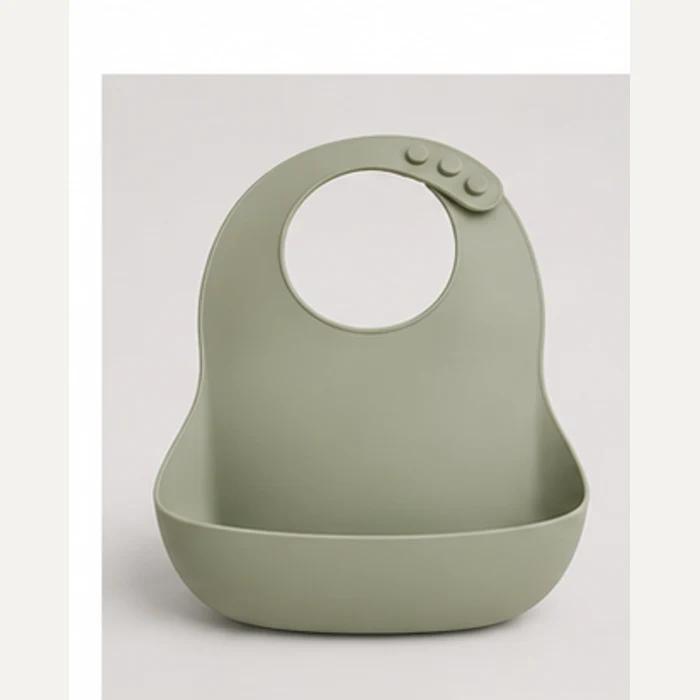
One-piece waterproof bib with a deep integrated food-catching pocket.
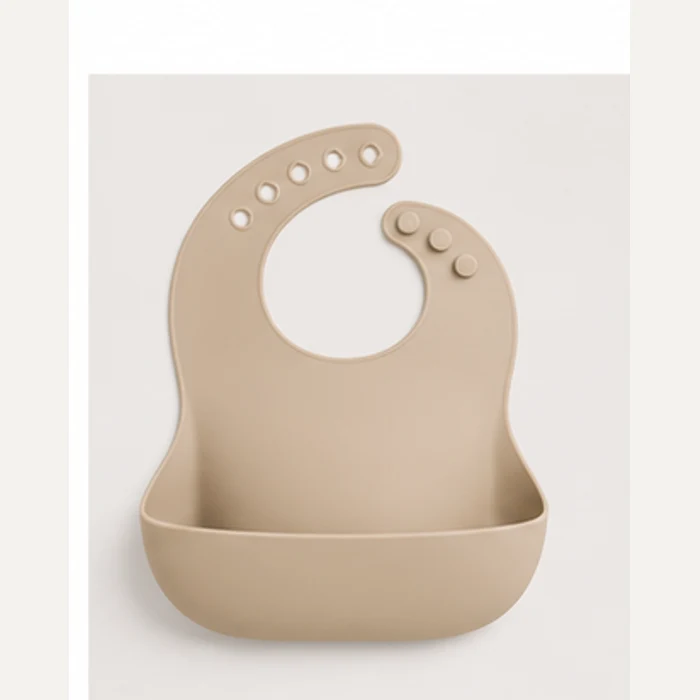
Multiple closure positions support a comfortable growing fit.
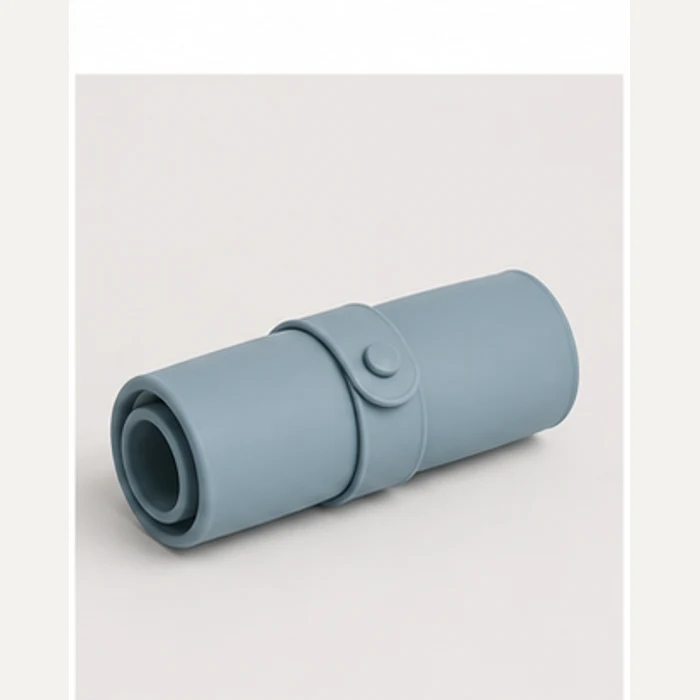
Flexible lightweight bib designed for compact storage and dining out.
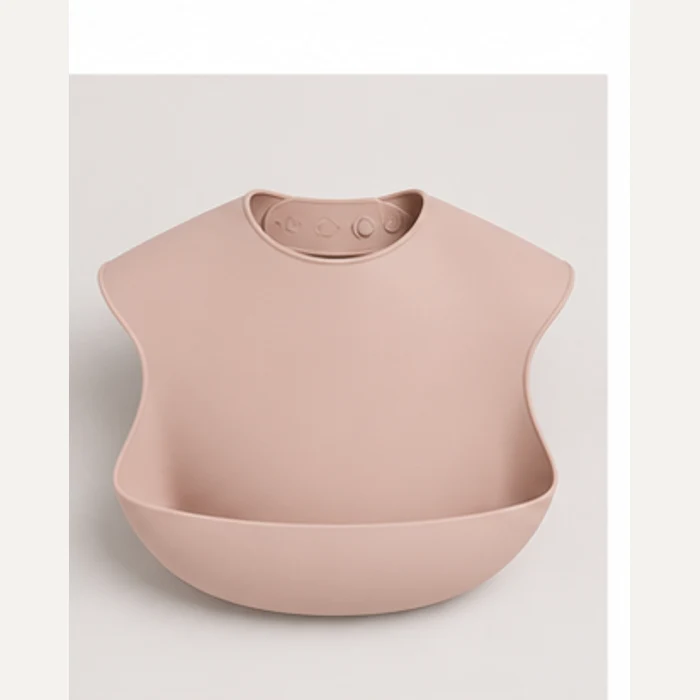
Broader front panel provides additional protection during mealtime.
B2B PROJECT INQUIRY
Share the intended product, destination market, order quantity and launch plan. Our project team will review the information and identify the next practical step.
Drawings are helpful but not required. A sketch, reference photo or physical sample can be used for an initial discussion.
GENERAL SOURCING INQUIRY