
Diameter and Cross-Section
Develop ring dimensions and stretch ratio around the approved instrument-handle matrix rather than a universal-fit assumption.
CONTROLLED SILICONE PRODUCT DEVELOPMENT

PRODUCT OVERVIEW
Custom silicone instrument identification rings should fit the buyer-defined handle sections without sliding into functional joints, obscuring markings or creating an uncontrolled cleaning claim. Naike Silicone develops inner diameter, cross-section, wall thickness, hardness, color family and optional molded code as one controlled product revision.
The sourcing brief should include representative instrument-handle diameters and profiles, ring location, installation method, target retention, color-code system, reprocessing conditions, pack count and destination requirements. These inputs guide stretch ratio, edge radii, cavity layout, venting, demolding, inspection gauges and the sample plan used before approval.
Fit, retention, color stability and reprocessing statements remain conditional on the exact compound, pigment, finished ring and agreed exposure method. Material documentation, tooling, MOQ, price, samples, packaging and delivery timing are confirmed only after the application matrix, drawings, intended processing route and current capacity are reviewed.
Product page updated:
Request a B2B QuotationENGINEERING & APPROVAL EVIDENCE
Each stage addresses a different purchasing risk: manufacturability, functional fit and private-label presentation.

Illustrative engineering scene: stretch ratio, cavity balance, parting line, venting, molded codes and gauge strategy are reviewed before tool approval.
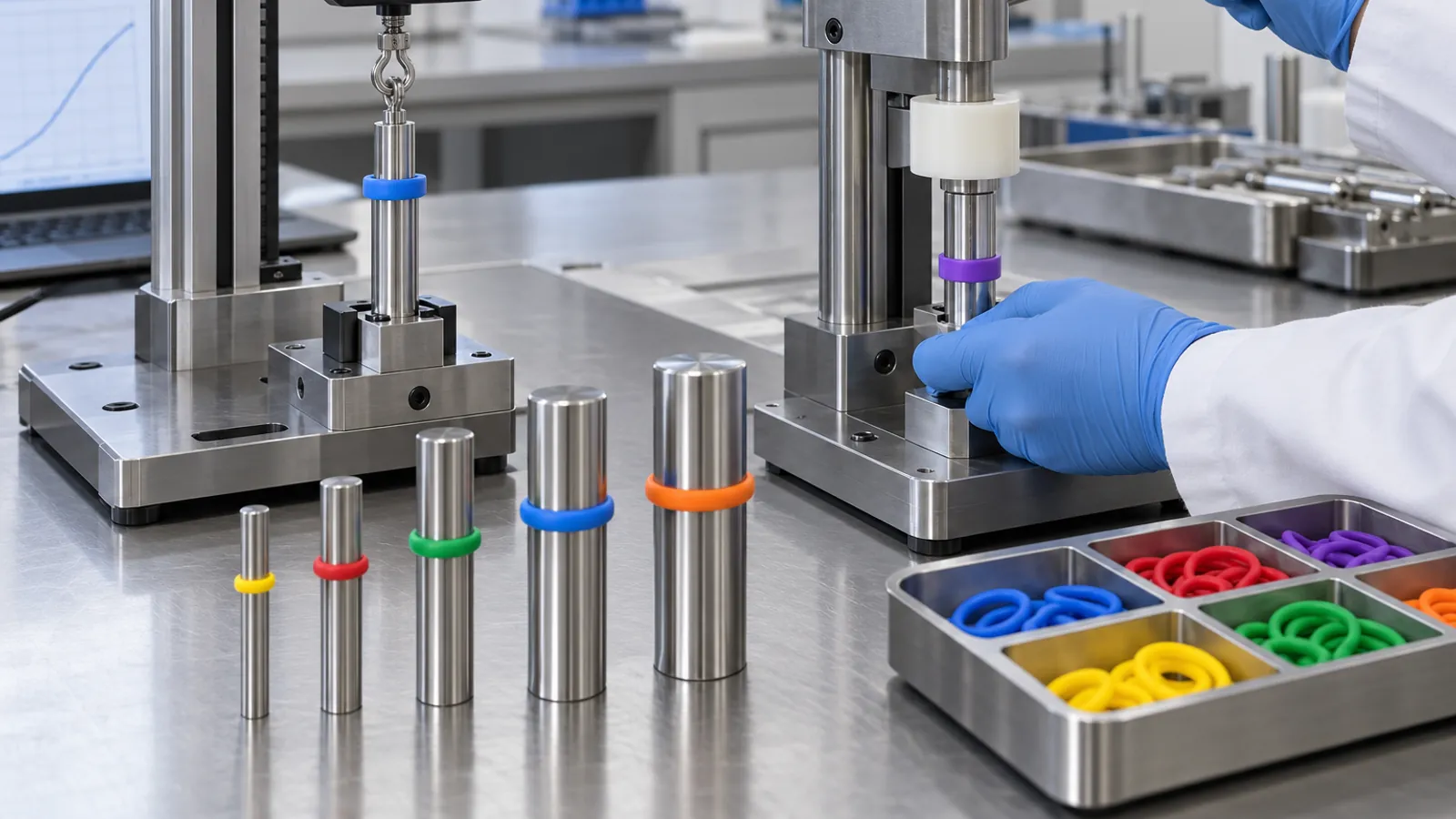
Illustrative validation scene: approved samples are checked on named handle fixtures using agreed installation, conditioning, movement and removal criteria.
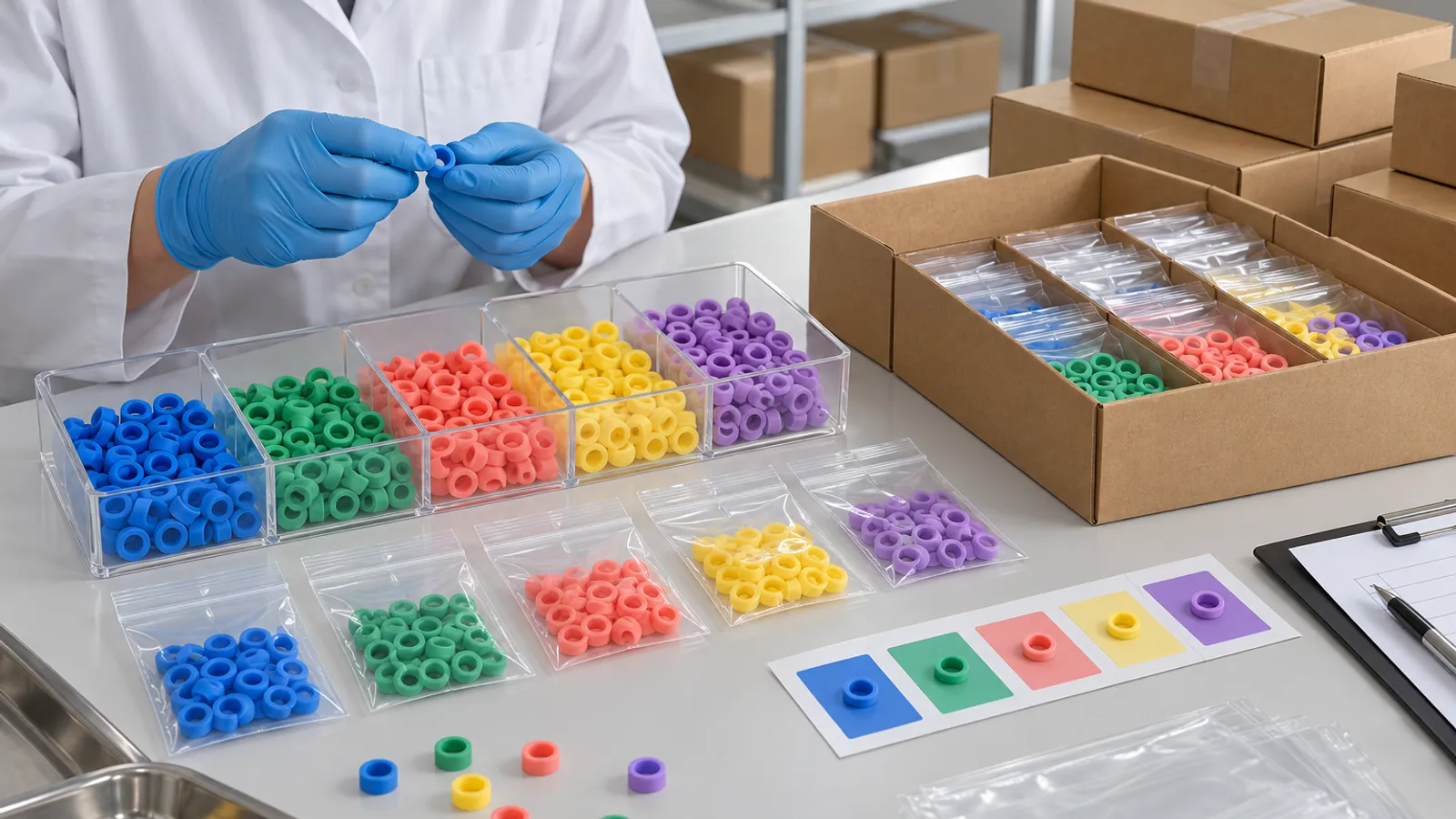
Illustrative packing scene: color ratios, size codes, counts, compartment controls, pouch format and carton segregation are approved together.
B2B SOURCING SNAPSHOT
Final terms depend on the approved specification, packaging, quantity and delivery plan.
| Control Point | Buyer Decision | Approval Basis |
|---|---|---|
| Instrument fit matrix | Handle diameters, profiles, ring location and clearance from joints or markings | Buyer-named fixtures, controlled installation method and approved sample fit |
| Ring geometry | Inner diameter, cross-section, wall thickness, width, edge radii and stretch ratio | Controlled drawing, gauges and first-article dimensional inspection |
| Retention and removal | Conditioning, axial movement limit, pull-off method and removal access | Buyer-agreed fixture, direction, speed and acceptance criteria |
| Material and processing | Silicone grade, cure, hardness, pigment and intended reprocessing conditions | Project specification and finished-product evidence matched to the defined use |
| Color and identification | Color-code matrix, molded symbols or numbers, assortment and count | Physical color standards, cavity result and packed golden-sample approval |
| Commercial release | Tool route, cavities, MOQ, samples, validation, documents and delivery | Confirmed after specification approval and current capacity review |
Each project is reviewed as a complete product specification.
Develop ring dimensions and stretch ratio around the approved instrument-handle matrix rather than a universal-fit assumption.
Review compound hardness, edge radii and installation method to balance placement, retention and removal.
Coordinate buyer-defined color families, shade limits and assortment ratios with physical approval standards.
Evaluate small size codes, symbols or cavity marks without compromising ring strength or cleanability.
Define fit, axial movement, pull-off, conditioning and any repeated processing sequence for representative finished samples.
Plan compartment trays, counted pouches, size/color labels, instructions, lot separation and export-carton controls.
B2B BUYER FAQ
These answers define the decisions required before tooling, sampling and a reliable quotation.
Send the instrument-handle diameters and profiles, ring location, requested sizes and colors, installation method, reprocessing conditions, annual quantity, destination, required documents and packaging. Physical instruments or dimensioned fixtures improve fit review.
No. Diameter alone does not define profile, taper, texture, adjacent joints or acceptable stretch. Build a fit matrix using named representative handles and approve the applicable range for each ring size.
The buyer and factory agree on fixture geometry, installation depth, conditioning, axial movement or pull-off direction, speed and acceptance limits. Results apply only to the tested ring, instrument interface and conditions.
Any steam, heat, chemical or other reprocessing statement must match the exact compound, pigment, ring design and a documented method. Generic silicone properties are not proof that every finished SKU suits every sterilization process.
Approve physical color references under agreed lighting and define the allowable visual or measured tolerance. Pigment, cure, thickness and viewing conditions can influence appearance, so screen colors alone are insufficient.
Small molded identifiers may be feasible when ring width, depth, draft and minimum feature size support clean filling and release. Approve legibility and any effect on local strength using actual cavity samples.
Use counted pouches, compartment trays or other segregated formats tied to the approved size/color matrix. Buyers should approve labels, counts, lot separation, instructions, carton layout and a packed golden sample.
The number of sizes and cavities, cross-section, compound, pigment split, validation, documentation, packaging minimums and order volume affect the commercial plan. Final terms follow the approved specification and current capacity review.
CATEGORY-SPECIFIC REVIEW
Neck adjustment, soft edges, coverage and comfortable thickness.
Opening stability, depth, cleaning access and shape recovery.
Coordinated colors, patterns, molded logos and multi-packs.
Roll-up presentation, paper bands, boxes and gift-set combinations.
Product-specific dimensions, handling, cleaning or conditioning evidence.
INQUIRY CHECKLIST
Providing clear requirements helps us evaluate tooling, samples, price and lead time.
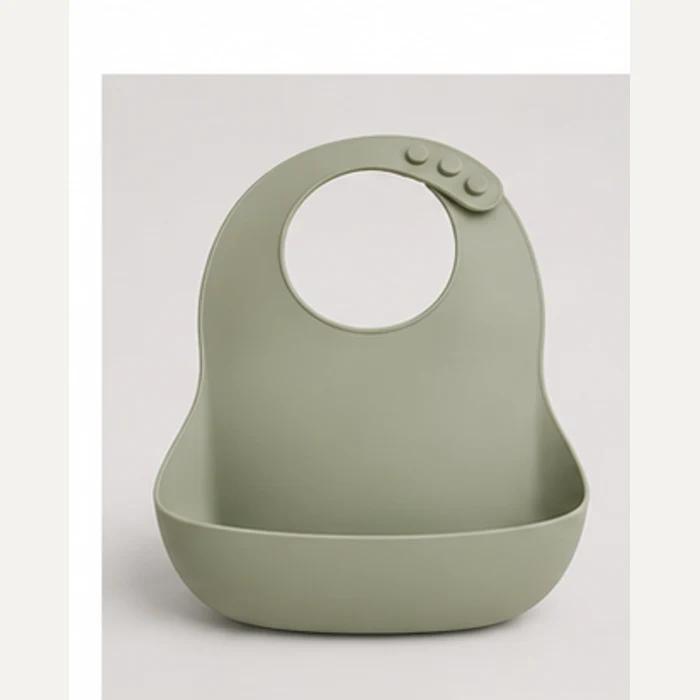
One-piece waterproof bib with a deep integrated food-catching pocket.
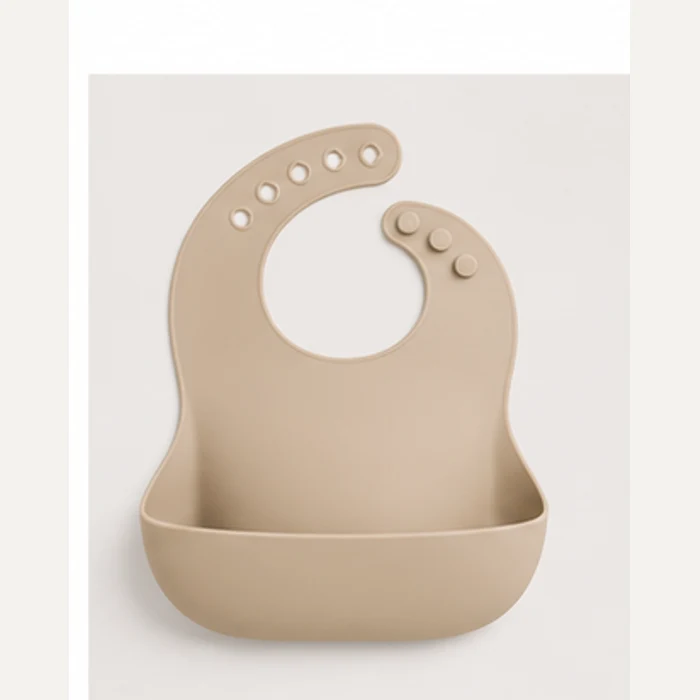
Multiple closure positions support a comfortable growing fit.
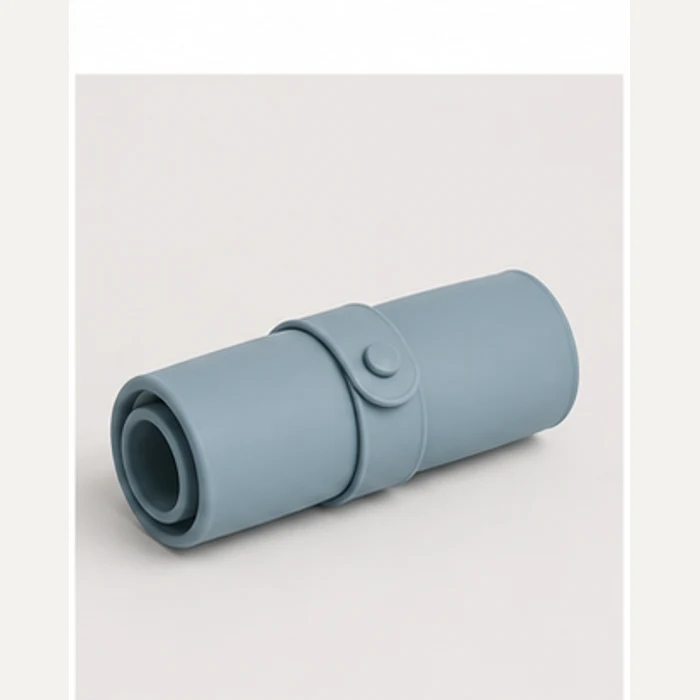
Flexible lightweight bib designed for compact storage and dining out.
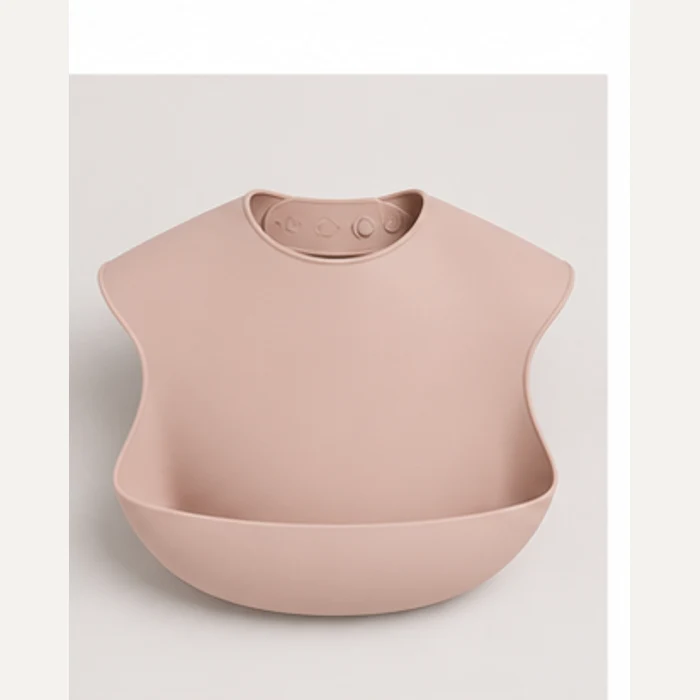
Broader front panel provides additional protection during mealtime.
B2B PROJECT INQUIRY
Share the intended product, destination market, order quantity and launch plan. Our project team will review the information and identify the next practical step.
Drawings are helpful but not required. A sketch, reference photo or physical sample can be used for an initial discussion.
GENERAL SOURCING INQUIRY