
Mat Size and Border
Define the overall footprint, usable work area, corner radii and border profile around the target tray, counter or retail format.
NON-STICK BAKEWARE
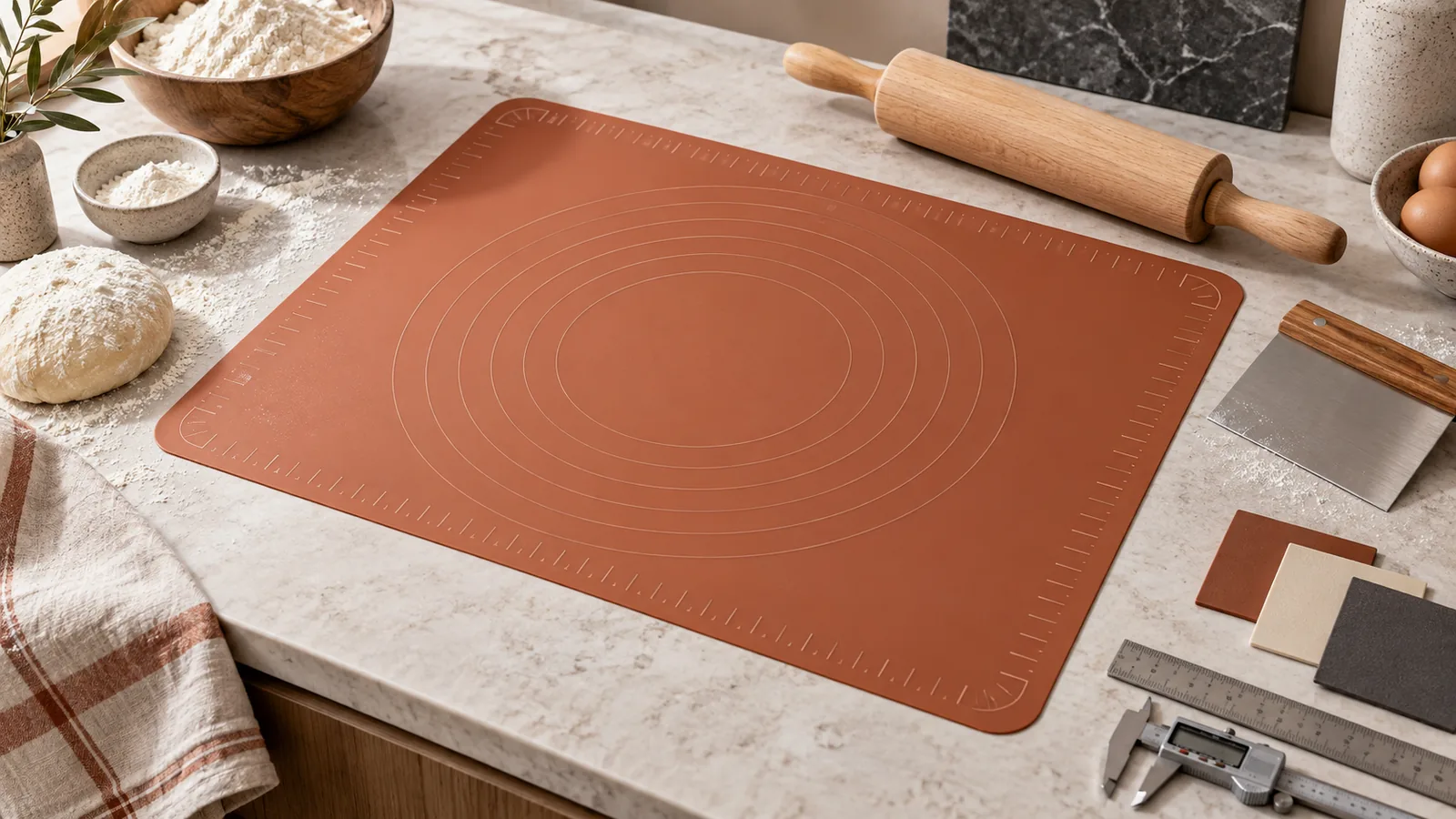
PRODUCT OVERVIEW
A custom silicone pastry baking mat gives bakeware brands control over the actual work surface, border geometry, guide layout, thickness, reinforcement route and retail presentation. Naike Silicone develops the mat as a controlled flat product rather than adding generic markings to an unrelated stock sheet. Concentric guides, edge references, brand zones and grip texture must remain aligned with the approved dimensions after molding, conditioning, rolling and packing.
The buyer brief should identify the target tray or countertop envelope, usable work area, overall thickness, printed or molded guide system, expected roll or flat-pack method and representative baking or preparation use. These inputs guide tool size, border width, mark depth, surface finish, reinforcement placement, edge control and trimming. Physical samples can then be evaluated for dimensions, flatness, local lift, roll recovery, guide alignment and handling under an agreed conditioning method.
Material construction may use an unreinforced silicone format or an approved reinforcement system when the geometry and use case require additional dimensional control. Food-contact evidence, heat-use statements, cleaning instructions and performance claims depend on the finished compound, reinforcement, decoration, temperature profile and destination market. Tooling cost, MOQ, price, sample timing, capacity and delivery remain conditional on the final drawing, validation plan, color allocation, packaging quantities and current production schedule.
Product page updated:
Request a B2B QuotationENGINEERING & APPROVAL EVIDENCE
Each stage addresses a different purchasing risk: manufacturability, functional fit and private-label presentation.
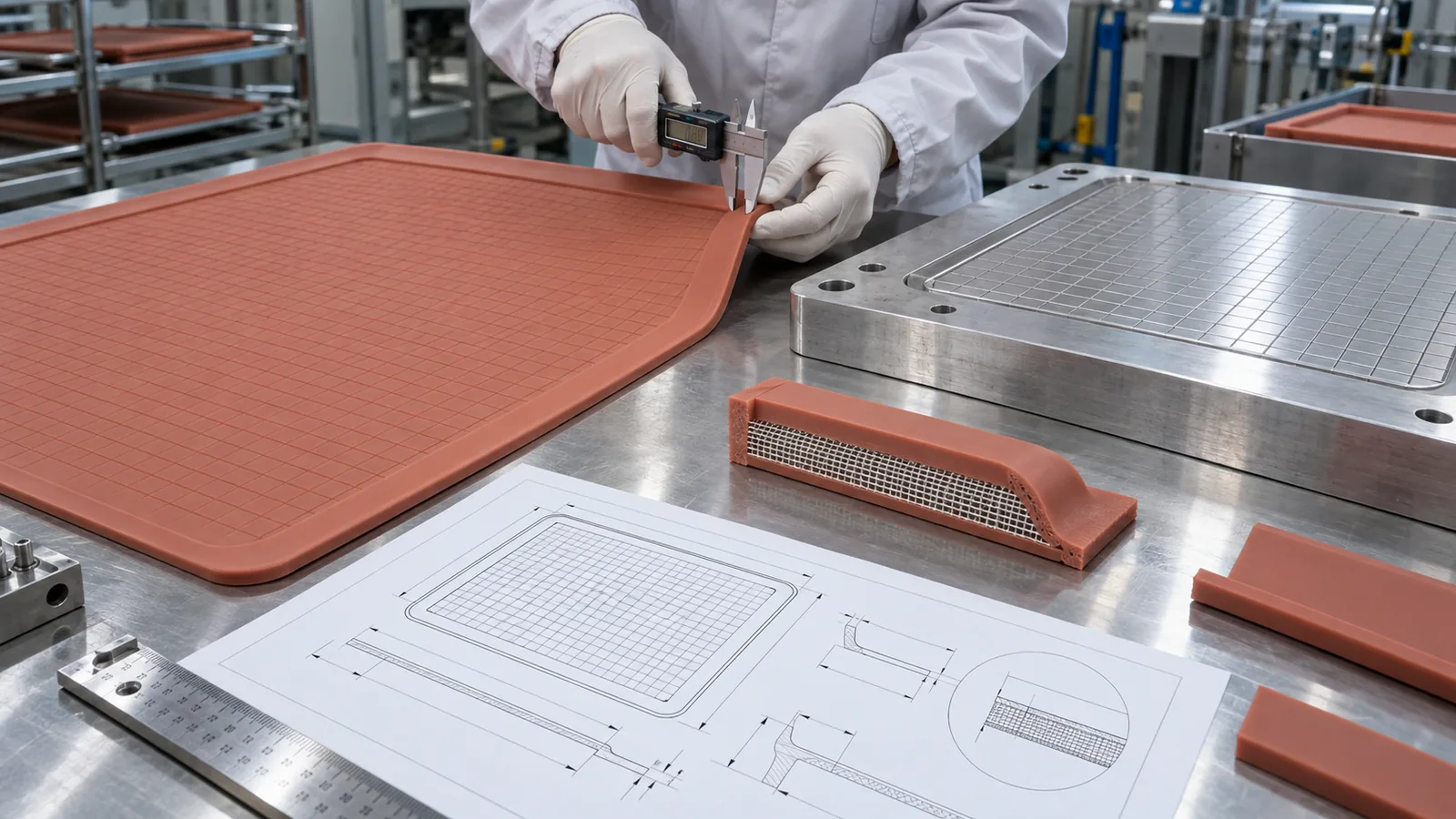
Overall size, border transition, mark depth, edge thickness, optional mesh position and tool-flatness controls are reviewed before release.
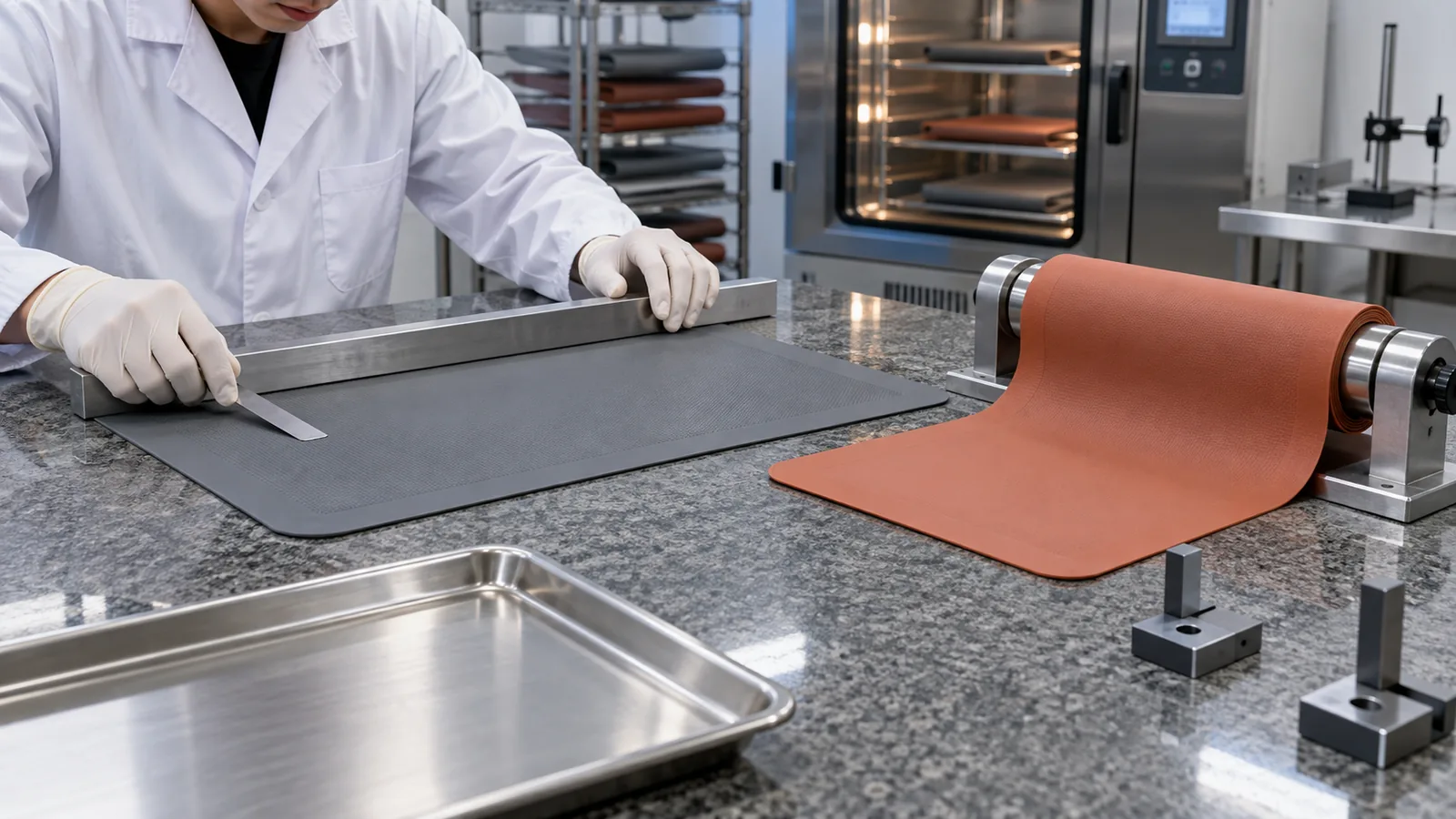
A documented method connects conditioning, storage orientation and unrolling time with dimensional checks, edge lift and practical working flatness.
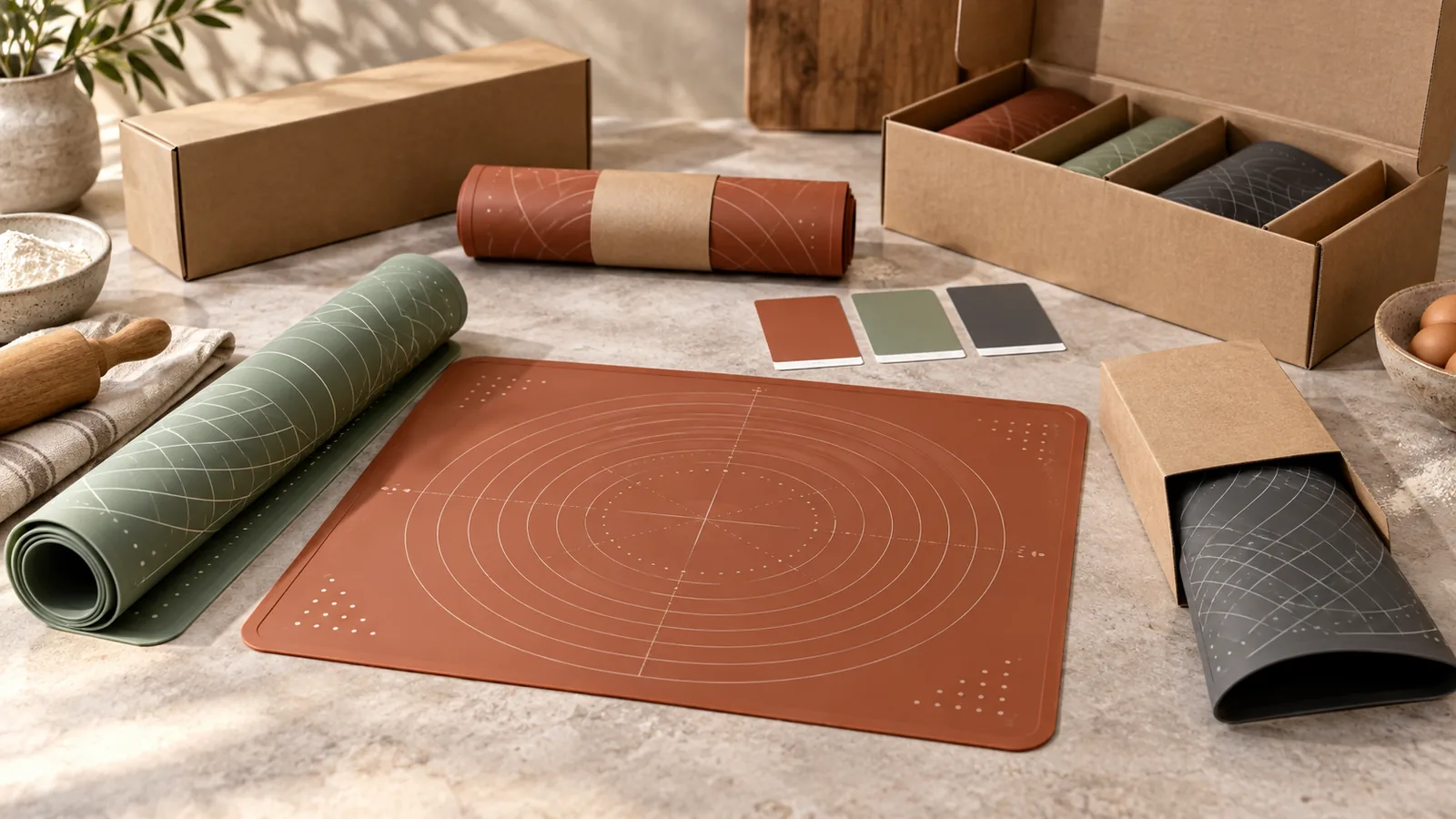
Guide artwork, physical colors, flat or rolled pack format, blank sleeves and export protection are approved against one finished-SKU revision.
B2B SOURCING SNAPSHOT
Final terms depend on the approved specification, packaging, quantity and delivery plan.
| Control Point | Buyer Decision | Approval Basis |
|---|---|---|
| Working geometry | Overall length and width, usable area, corner radius, border width and target thickness | Controlled drawing, dimensional inspection and approved physical sample |
| Guide system | Concentric rings, edge marks, unit convention, line weight, placement and artwork revision | Artwork proof linked to measured alignment and legibility checks |
| Construction | Silicone-only or approved reinforcement route, layer position and edge encapsulation | Section review and sample evidence for the selected construction |
| Flatness and recovery | Conditioning, roll diameter, storage duration, unroll time and allowable edge lift | Buyer-agreed fixture, sequence, measurement points and acceptance limits |
| Material and evidence | Silicone grade, cure route, reinforcement, decoration, pigment and intended contact | Finished-SKU evidence reviewed for the named use and destination market |
| Commercial release | Tooling, artwork, colors, MOQ, price, packaging, capacity and shipment window | Quotation confirmed after design freeze, validation scope and current production slot |
Each project is reviewed as a complete product specification.
Define the overall footprint, usable work area, corner radii and border profile around the target tray, counter or retail format.
Develop concentric pastry rings, alignment marks or a buyer-owned layout with controlled scale, line weight and revision ownership.
Select a smooth or fine-textured working face and an underside texture appropriate to the approved support surface and cleaning method.
Evaluate silicone-only construction or an encapsulated reinforcement system according to flatness, handling and manufacturing requirements.
Confirm silicone specification, physical color standard and embossed, debossed or qualified printed branding outside critical guide areas.
Coordinate flat boxes, rolled sleeves, paper bands, instruction sheets, multipacks and export-carton protection after sample approval.
B2B BUYER FAQ
These answers define the decisions required before tooling, sampling and a reliable quotation.
Send the overall size, usable area, thickness target, guide artwork, intended use, representative tray or counter dimensions, first-order quantity, destination market, colors, branding and packaging concept. A reference sample or dimensioned sketch helps define the DFM scope.
Yes. The buyer can define the guide layout, spacing, measurement convention and visual hierarchy. Line weight, placement and production method must be reviewed for legibility, alignment, cleaning and manufacturing tolerance before artwork approval.
No. Construction depends on size, thickness, handling, flatness target, intended temperature profile and market requirements. If reinforcement is proposed, its material, position, encapsulation and finished-product evidence must be approved for the specific SKU.
Buyer and factory should agree the conditioning method, support surface, storage orientation, roll diameter, storage duration, unrolling time, measurement points and allowable edge lift. Results apply only to the approved sample and documented procedure.
Yes, when the approved construction and packaging trial support that format. Roll diameter, paper band or sleeve, storage duration, carton orientation and recovery time should be validated together because tight packing can influence temporary curl.
Claims must match the finished compound, reinforcement, decoration, intended food contact, use duration, temperature profile and destination market. A generic silicone report or broad temperature statement should not be transferred to an unreviewed finished mat.
Pantone-referenced colors, manufacturable molded marks, qualified printing, sleeves, boxes and instructions can be developed. Physical color references, artwork, guide alignment and a complete packed golden sample require approval before production.
Mat area, tooling size, construction, guide process, colors, decoration, validation, packaging minimums, order volume and current factory capacity all affect the program. Commercial terms are confirmed after the product and approval route are fixed.
CATEGORY-SPECIFIC REVIEW
Release, heat exposure, shape support and repeated-use durability.
Draft, radii, detail definition and balanced wall thickness.
Cake forms, pastry trays, mats, cups and coordinated tools.
Prototype handling, baking tests, packaging and approved samples.
INQUIRY CHECKLIST
Providing clear requirements helps us evaluate tooling, samples, price and lead time.
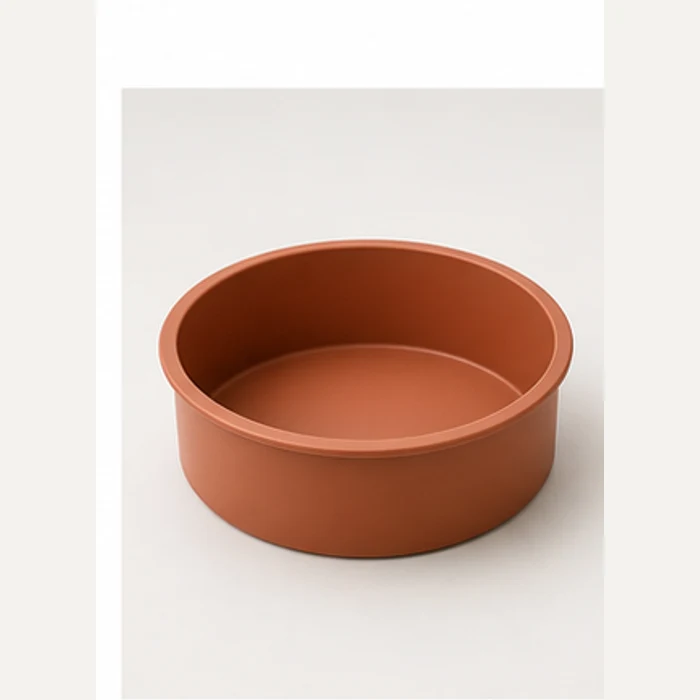
Classic flexible form for cakes, breads and chilled desserts.
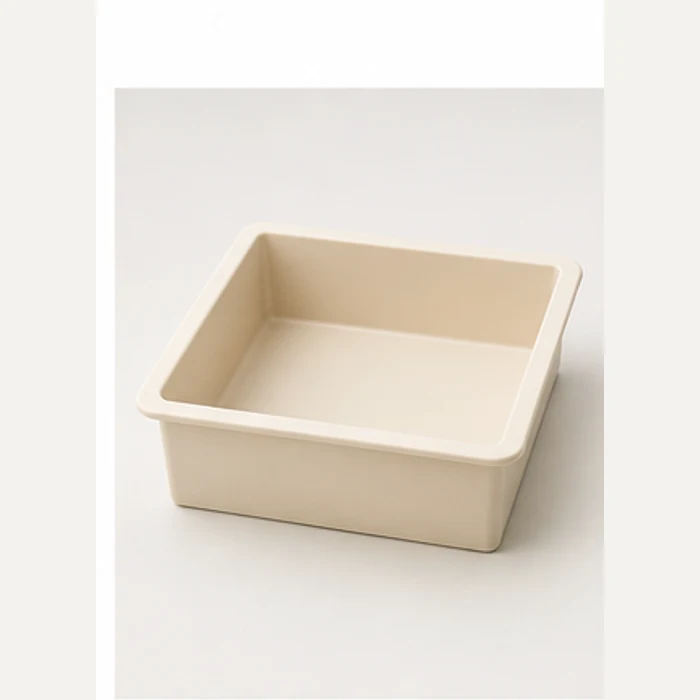
Straight-sided reusable mold for baking and presentation.
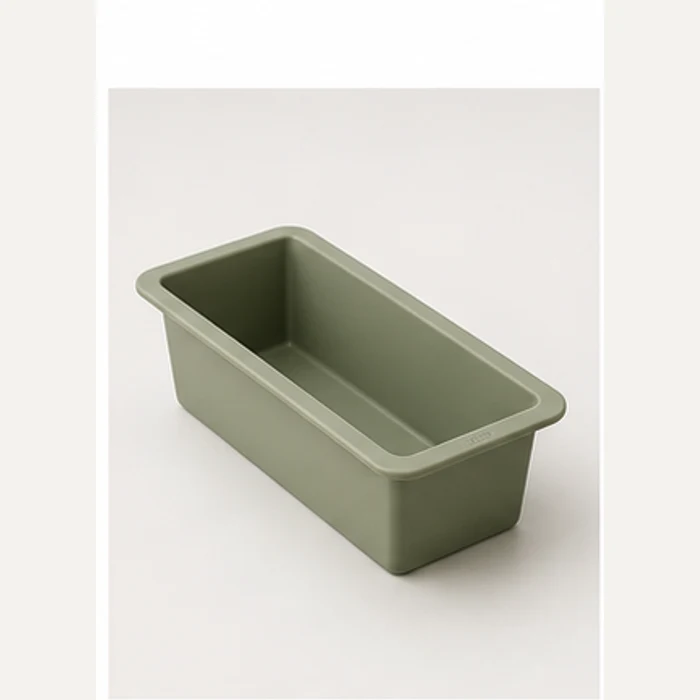
Easy-release loaf mold for bread, cake and private-label bakeware sets.
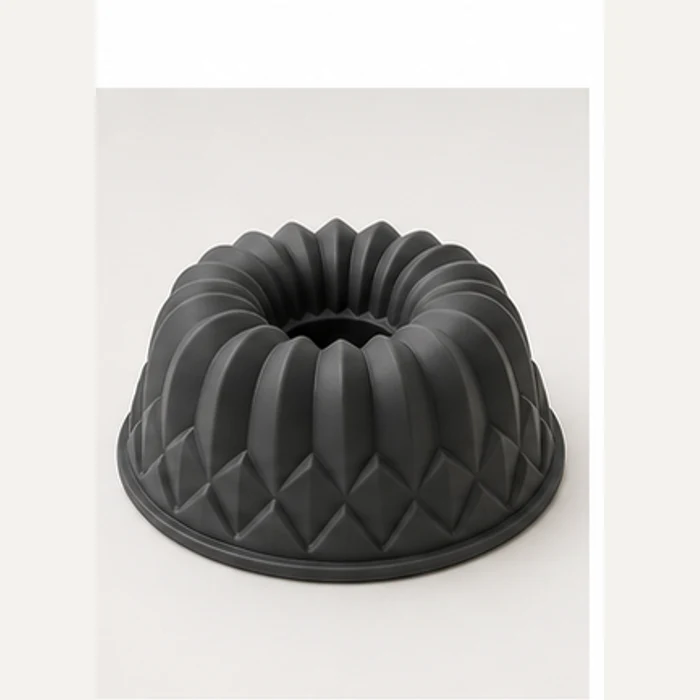
Detailed ring profile for distinctive baked finishes.
B2B PROJECT INQUIRY
Share the intended product, destination market, order quantity and launch plan. Our project team will review the information and identify the next practical step.
Drawings are helpful but not required. A sketch, reference photo or physical sample can be used for an initial discussion.
GENERAL SOURCING INQUIRY