
Bristle Architecture
Adjust head width, filament section, length, density and row spacing around the named coating medium.
NON-STICK BAKEWARE
PRODUCT OVERVIEW
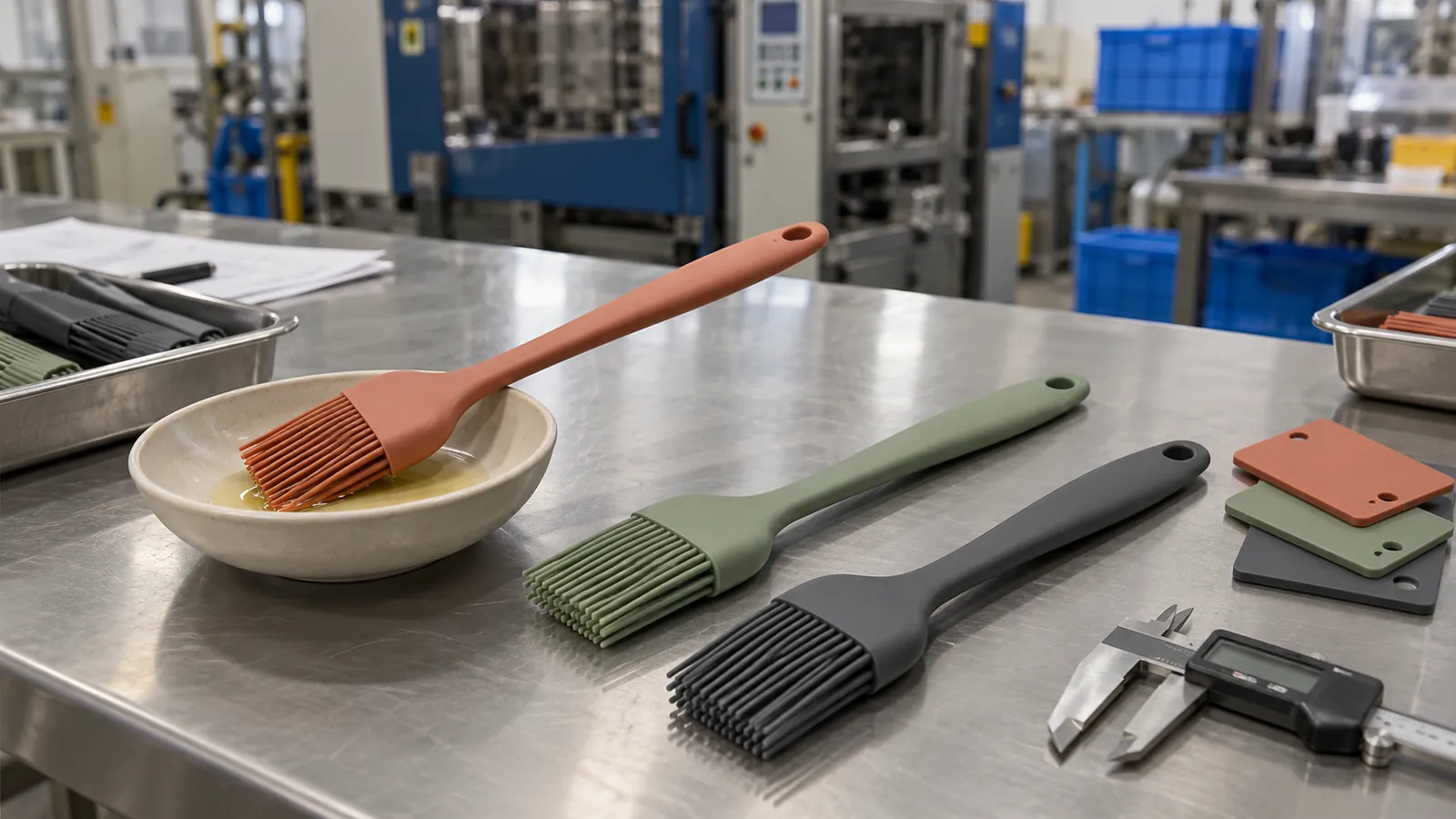
A custom silicone basting brush must balance liquid pickup, controlled release, bristle recovery and handle control. Naike Silicone develops the brush head width, bristle count, row spacing, filament section, neck transition, handle length, grip profile and hanging feature around the buyer's intended coating medium, use motion and retail position.
The engineering brief should state brush width, overall length, target flexibility, coating viscosity, working temperature, cleaning method, storage orientation, logo zone, color plan and selling unit. These inputs guide bristle filling, draft, venting, flash boundaries, wall transitions, handle stiffness, parting line, demolding direction and whether a one-piece silicone construction or a reviewed insert route is appropriate.
Pickup, spreading, recovery, heat exposure and cleaning statements require evidence for the finished design under agreed conditions. Buyers should define the liquid, temperature, stroke pattern, substrate, repetitions, conditioning and acceptance criteria. Material, tooling, MOQ, pricing, samples, documentation and timing are confirmed after the drawing, sample and validation plan are approved.
Product page updated:
Request a B2B QuotationENGINEERING & APPROVAL EVIDENCE
Each stage addresses a different purchasing risk: manufacturability, functional fit and private-label presentation.
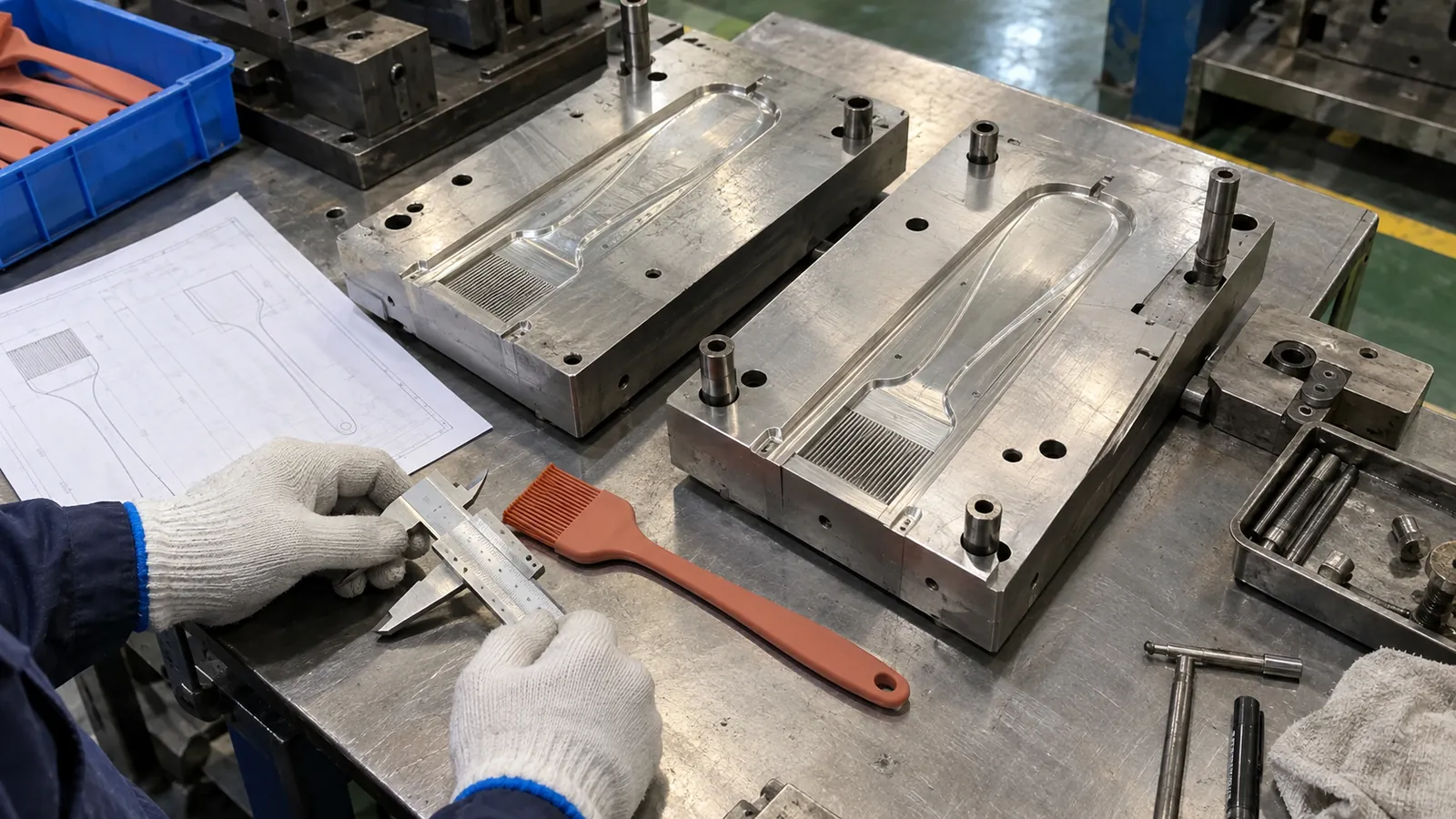
Fine cavity filling, bristle spacing, vents, neck transitions, flash boundaries and release direction are reviewed before tool approval.
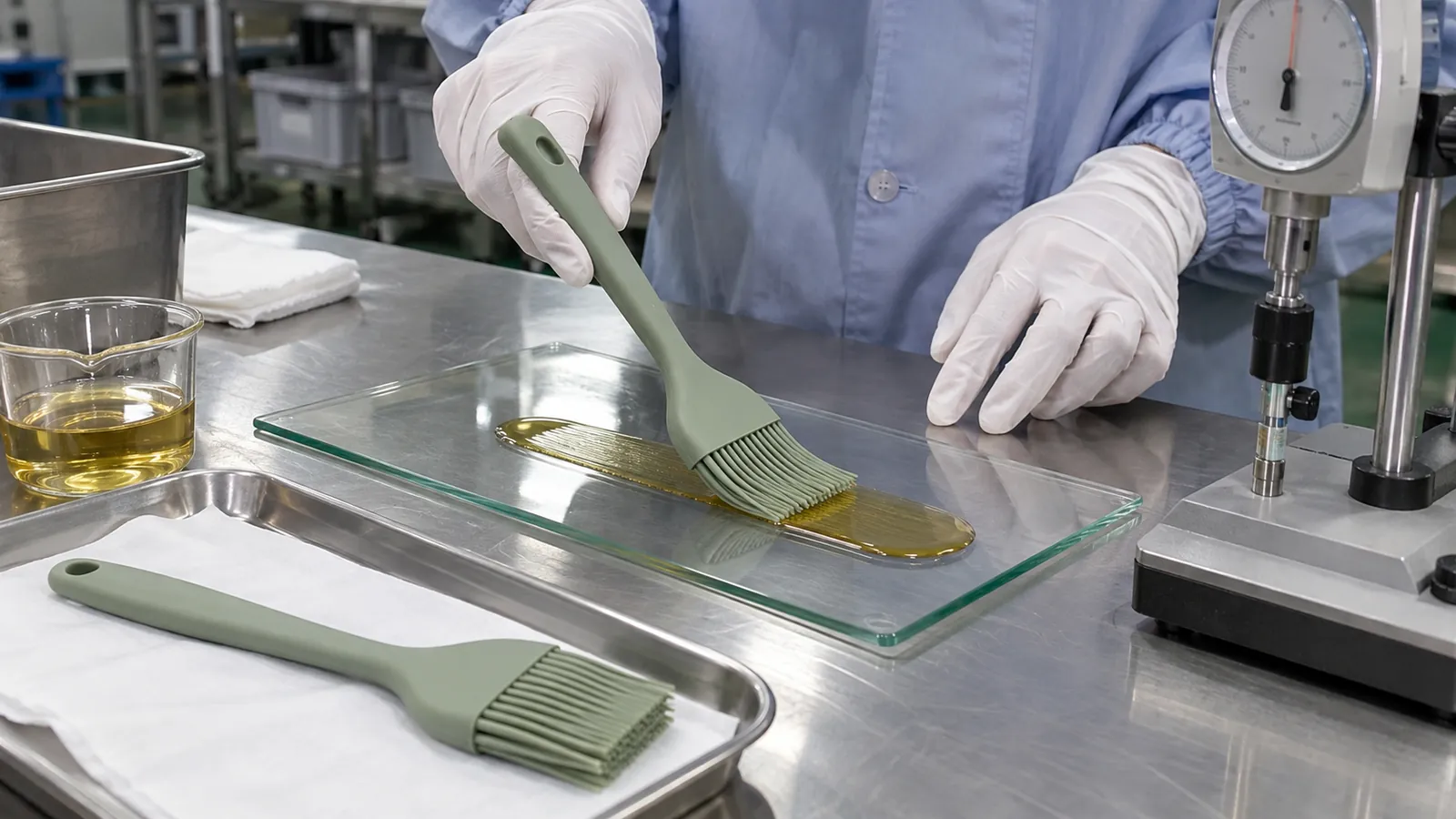
A named coating medium, substrate, stroke, temperature and repetition plan support evidence for the approved brush revision.
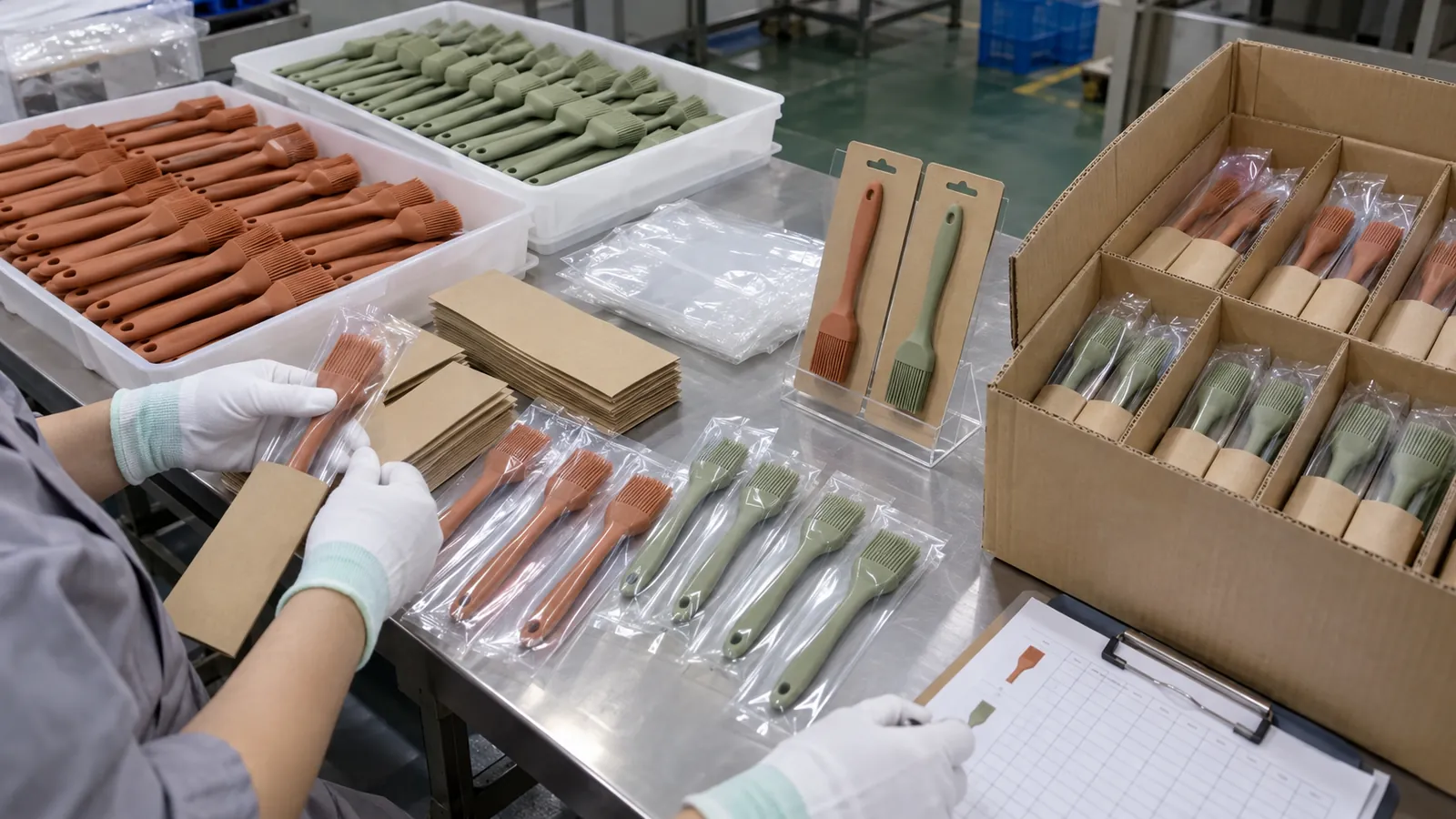
Color allocation, molded marks, sleeves, hanging cards, count verification and carton protection are approved together.
B2B SOURCING SNAPSHOT
Final terms depend on the approved specification, packaging, quantity and delivery plan.
| Control Point | Buyer Decision | Approval Basis |
|---|---|---|
| Brush head | Width, bristle length, row count, spacing and edge profile | Controlled drawing, cavity review and approved physical sample |
| Coating behavior | Target liquid viscosity, pickup, release, stroke and substrate | Representative spread evaluation with named conditions and limits |
| Handle system | Overall length, grip section, stiffness, neck transition and hanging hole | Dimensional check and representative handling review |
| Material system | Silicone grade, cure, hardness, pigment and use-temperature requirement | Project specification plus required material or finished-product evidence |
| Brand and pack-out | Molded logo, colors, sleeve, hanging card, set count and carton | Artwork, color sample, assembled pack and count approval |
| Commercial release | Tool route, cavities, MOQ, samples, validation and delivery plan | Confirmed after specification approval and current capacity review |
Each project is reviewed as a complete product specification.
Adjust head width, filament section, length, density and row spacing around the named coating medium.
Develop overall length, grip profile, neck stiffness and hanging feature for the buyer's intended motion and storage.
Review a fully molded silicone brush or a controlled insert construction before tooling and claim approval.
Evaluate compound, cure, hardness, pigment and finish against the defined temperature and cleaning conditions.
Add a logo, part code or size cue away from flex-critical and cleaning-sensitive surfaces.
Coordinate unit sleeves, hanging cards, multi-packs, labels, color ratios and export-carton dividers.
B2B BUYER FAQ
These answers define the decisions required before tooling, sampling and a reliable quotation.
Send target dimensions, brush width, bristle concept, coating medium, working temperature, cleaning method, material requirement, colors, logo, quantity, destination market and packaging format. A reference sample or drawing helps define stiffness and handling.
The review balances filament section, length, spacing, draft, filling path, vents, flash boundaries and demolding. Fine bristles require a tool trial and physical approval rather than selection from appearance alone.
No universal result should be assumed. Pickup and release depend on viscosity, temperature, bristle geometry, stroke, surface and cleaning condition, so the intended media and method should be evaluated.
A one-piece route is often practical, subject to length, stiffness, filling balance and release. If a rigid insert is requested, its material, location, sealing and retention require a separate DFM and validation plan.
Define the bend direction, displacement or load, dwell, repetitions, temperature, conditioning and visual or dimensional acceptance criteria. Results apply only to the tested design and method.
Yes. Pantone-referenced colors and embossed or debossed marks can be reviewed after confirming compound, placement, readability, cleanability and physical sample approval.
Choose an individual sleeve, hanging card, box or multi-piece set according to the channel. Pack trials should check bristle protection, handle straightness, color ratio, count and carton movement.
Brush length, bristle detail, cavity count, insert requirements, compound, colors, validation and packaging affect the commercial plan. Terms follow an approved specification and capacity review.
CATEGORY-SPECIFIC REVIEW
Release, heat exposure, shape support and repeated-use durability.
Draft, radii, detail definition and balanced wall thickness.
Cake forms, pastry trays, mats, cups and coordinated tools.
Prototype handling, baking tests, packaging and approved samples.
INQUIRY CHECKLIST
Providing clear requirements helps us evaluate tooling, samples, price and lead time.
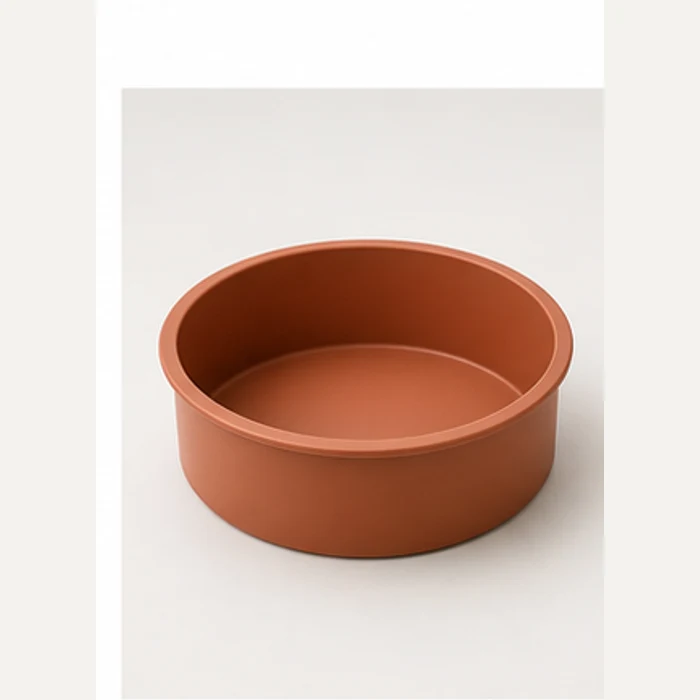
Classic flexible form for cakes, breads and chilled desserts.
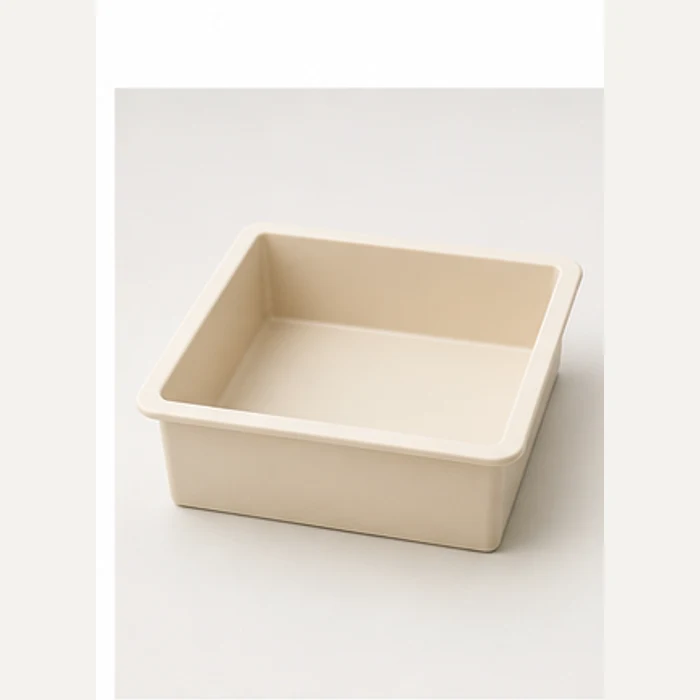
Straight-sided reusable mold for baking and presentation.
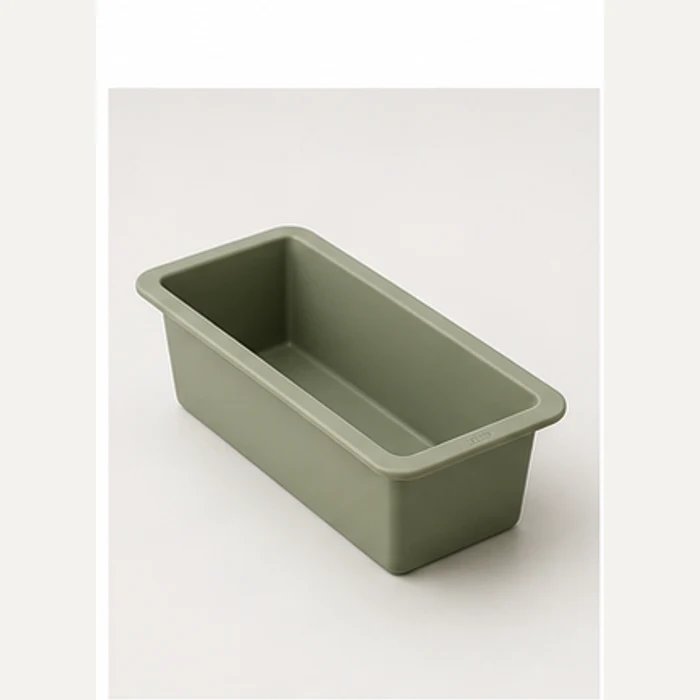
Easy-release loaf mold for bread, cake and private-label bakeware sets.
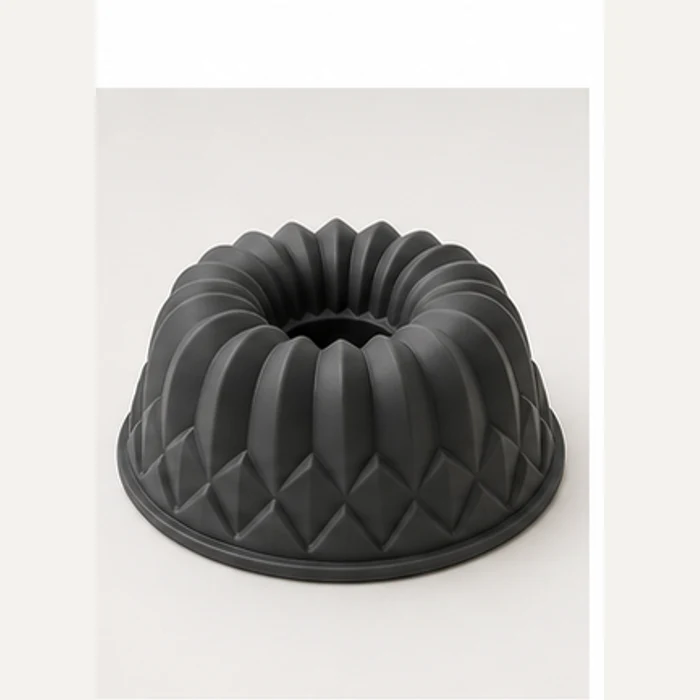
Detailed ring profile for distinctive baked finishes.
B2B PROJECT INQUIRY
Share the intended product, destination market, order quantity and launch plan. Our project team will review the information and identify the next practical step.
Drawings are helpful but not required. A sketch, reference photo or physical sample can be used for an initial discussion.
GENERAL SOURCING INQUIRY