CUSTOM MANUFACTURING & TOOLING
How to Approve Custom Silicone Logo Placement and Artwork
Control custom silicone logo placement, artwork, dimensions and sample evidence before tooling. Send Naike Silicone your branding brief for review.

DIRECT ANSWER
What B2B Buyers Need to Know
Custom silicone logo placement should be approved as measurable product geometry, not as a decoration added after tooling. Buyers should define the artwork revision, method, size, orientation, edge clearance, product-contact conditions and inspection standard before the mold or secondary process is released. A physical sample then confirms appearance, deformation, cleaning access and production repeatability.
This guide is written for private-label brands, promotional-product buyers, importers, product developers, packaging teams, sourcing managers and supplier-quality engineers. It provides a decision framework rather than legal advice or a universal specification. Product classification, use conditions and destination market should be confirmed before final testing, labelling or compliance decisions.
Key Takeaways
- Freeze editable vector artwork and a named revision before any mold insert, print plate or laser program is prepared.
- Dimension the logo from stable product datums and record orientation, edge clearance and allowable position variation.
- Evaluate molded, printed and engraved marks against product geometry, food-contact zones, flexing, cleaning and expected wear.
- Approve the mark on a production-representative sample because a screen proof cannot reveal stretch, relief, gloss or surface distortion.
- Tie the logo decision to packaging artwork and SKU identity so production, inspection and repeat orders use one controlled file.
- Keep tooling, MOQ, price, timing and durability conditional on the approved artwork, process, color count and order configuration.
Custom Silicone Logo Placement Decision Table
The preferred placement depends on geometry, contact, deformation, cleaning, decoration method and brand priorities. Feasibility, cost and durability remain conditional on the approved product and process.
| Placement zone | Where it may fit | Buyer control required |
|---|---|---|
| Flat exterior panel | Products with a stable non-contact face and enough clearance from edges | Dimension the centerline, maximum artwork box, relief or print limits and visual tolerance |
| Curved wall | Bowls, cups or handles where the mark follows a controlled radius | Review projected distortion, readable viewing angle, tool direction and flexible deformation |
| Flexible strap or pocket | Bibs and foldable items where branding remains visible during use | Check stretch, fold line, closure clearance, cleaning and repeated-flex exposure |
| Packaging-led identity | Products where direct marking would interfere with function or food-contact geometry | Control dieline, insert, label, barcode and product identity in one finished-SKU approval |
SECTION 01
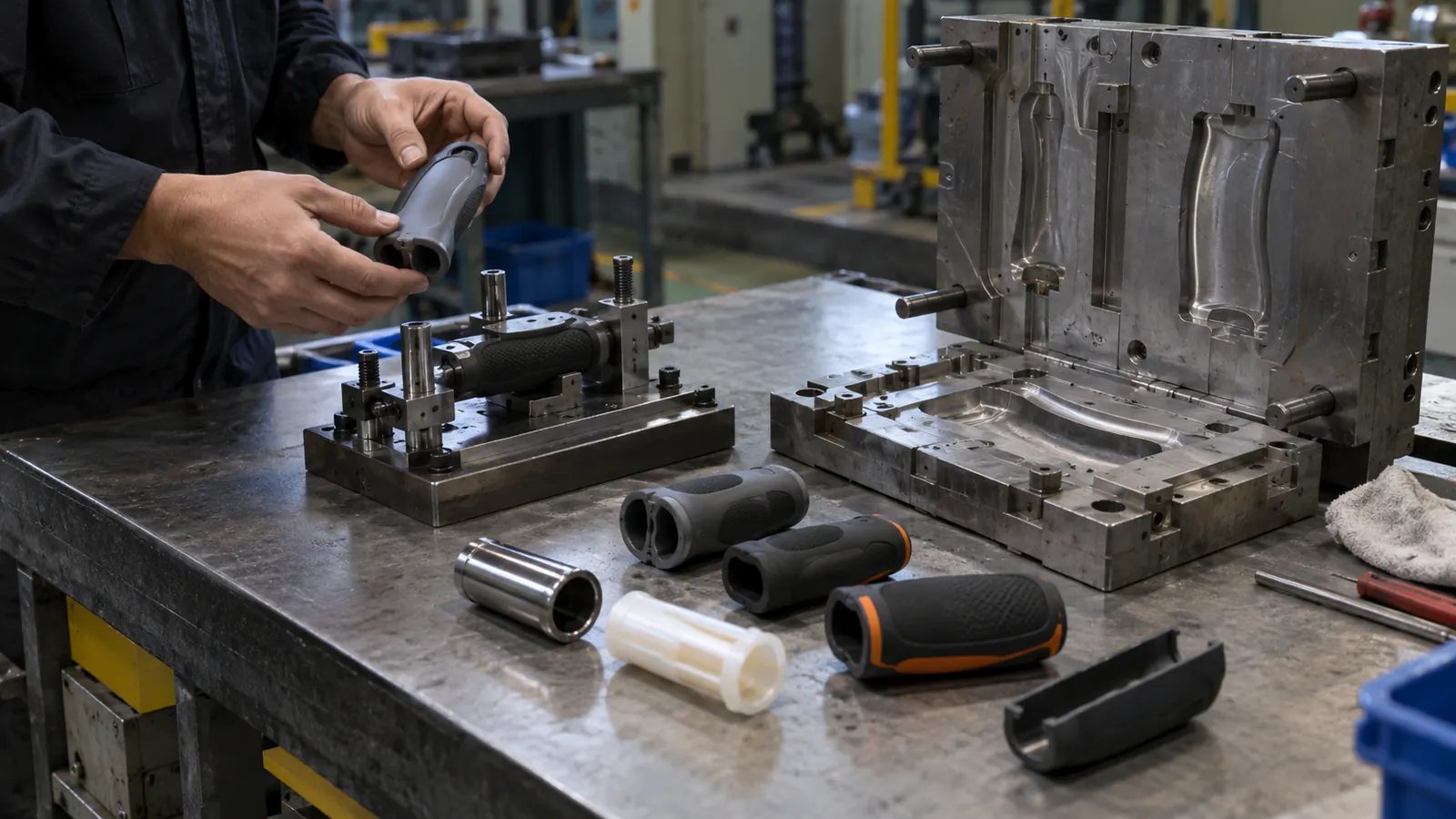
Define Custom Silicone Logo Placement Before Tooling
Convert the commercial concept into controlled dimensions, functions and approval criteria before DFM begins.
Brand Objective, User View and Intended Selling Channel for custom silicone logo placement
From a mold-development perspective, “Brand Objective, User View and Intended Selling Channel” affects geometry, process stability and the correction loop at the same time. Define how brand objective, user view and intended selling channel will be checked at drawing review, first trial, correction and production approval. For this decision, the decision should be written in language that purchasing, engineering, quality and packaging teams can interpret consistently.
A useful sourcing discussion asks the supplier to provide a tooling gate record linking brand objective, user view and intended selling channel with the current CAD file, process route and trial acceptance method. The unresolved exposure is mixing trial revisions for brand objective, user view and intended selling channel can make corrective action impossible to verify. Keep the sample identity, lot and decision outcome together so a later reviewer can reconstruct the release.
Vector Artwork, Clear Space and Minimum Feature Size
The DFM review should expose the trade-offs around “Vector Artwork, Clear Space and Minimum Feature Size” while changes are still economical. Assign revision ownership and change authority for vector artwork, clear space and minimum feature size before the supplier commits tool steel or production time. For this decision, a clear baseline also helps the supplier explain any trade-off instead of silently selecting the easiest manufacturing option.
Before the next project gate, both parties should agree on a revision-controlled drawing, DFM record, cavity-identified trial sample and measurement report for vector artwork, clear space and minimum feature size. The unresolved exposure is visual approval of vector artwork, clear space and minimum feature size can conceal dimensional, demolding or process-stability problems. Record any deviation separately and prevent it from becoming an undocumented repeat-order precedent.
Stable Datums, Orientation and Position Tolerance
At the engineering gate, “Stable Datums, Orientation and Position Tolerance” must move from a visual preference into a measurable design decision. Translate stable datums, orientation and position tolerance into controlled geometry, material assumptions and measurable acceptance criteria before tooling release. For this decision, the requirement becomes useful only when it can be converted into a drawing, sample, record or repeatable check.
The evidence package is stronger when it includes a tooling gate record linking stable datums, orientation and position tolerance with the current CAD file, process route and trial acceptance method. The unresolved exposure is leaving stable datums, orientation and position tolerance open after steel release can create expensive corrections and disputed tooling responsibility. Carry the approved limit into the inspection instruction rather than leaving it only in meeting notes.
SECTION 02
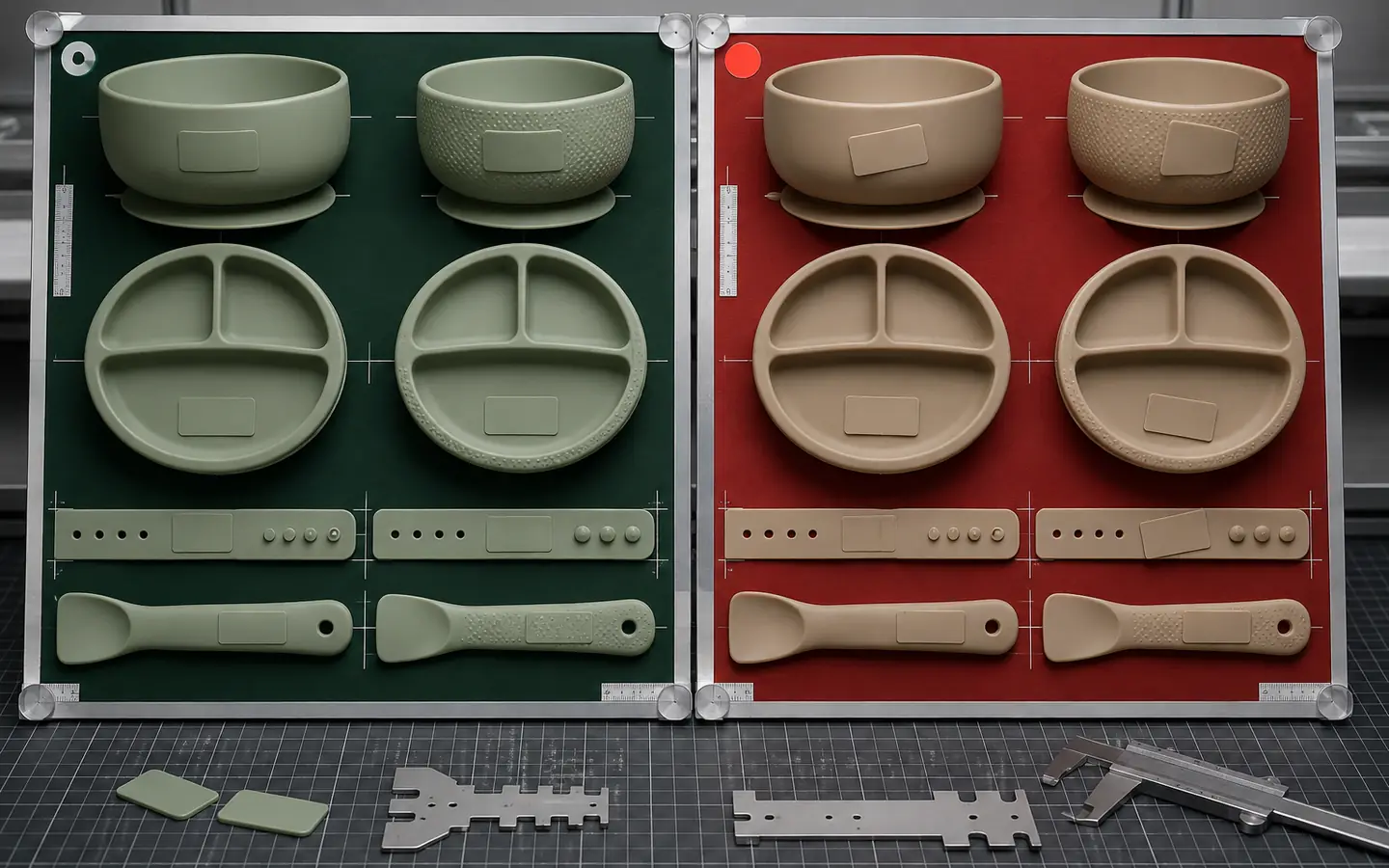
Translate Brand Artwork Into Manufacturable Geometry
Close the process, material and mold decisions that determine tooling scope, trial evidence and revision cost.
Flat, Curved and Highly Flexible Silicone Surfaces
A tooling project becomes easier to control when “Flat, Curved and Highly Flexible Silicone Surfaces” is resolved before steel release and first-article trials. Resolve the DFM trade-offs around flat, curved and highly flexible silicone surfaces while mold changes remain practical and traceable. For this decision, early alignment is less expensive than correcting a mold, replacing printed packaging or sorting finished inventory.
For an audit-ready decision, retain a revision-controlled drawing, DFM record, cavity-identified trial sample and measurement report for flat, curved and highly flexible silicone surfaces. The unresolved exposure is unrecorded changes to flat, curved and highly flexible silicone surfaces can disconnect production from the approved golden sample. Retain enough context to distinguish a process correction from a change to the buyer's requirement.
Food-Contact, Skin-Contact and Cleaning Boundaries
From a mold-development perspective, “Food-Contact, Skin-Contact and Cleaning Boundaries” affects geometry, process stability and the correction loop at the same time. Define how food-contact, skin-contact and cleaning boundaries will be checked at drawing review, first trial, correction and production approval. For this decision, a named decision owner prevents an open requirement from moving unnoticed into tooling or shipment release.
The buyer's release packet should preserve a tooling gate record linking food-contact, skin-contact and cleaning boundaries with the current CAD file, process route and trial acceptance method. The unresolved exposure is mixing trial revisions for food-contact, skin-contact and cleaning boundaries can make corrective action impossible to verify. Reference the applicable drawing and order so evidence from another configuration is not substituted.
Embossed and Debossed Logo Insert Decisions
The DFM review should expose the trade-offs around “Embossed and Debossed Logo Insert Decisions” while changes are still economical. Assign revision ownership and change authority for embossed and debossed logo insert decisions before the supplier commits tool steel or production time. For this decision, the buyer should distinguish a mandatory acceptance point from a preference that can be traded against cost or timing.
A traceable project record should connect a revision-controlled drawing, DFM record, cavity-identified trial sample and measurement report for embossed and debossed logo insert decisions. The unresolved exposure is visual approval of embossed and debossed logo insert decisions can conceal dimensional, demolding or process-stability problems. Assign an escalation trigger for any material, tooling, packaging or destination-market change.
SECTION 03
Validate Position, Appearance and Use-Condition Durability
Treat each mold trial as a measured engineering gate rather than a visual sample-selection exercise.
Printed and Engraved Placement Constraints
At the engineering gate, “Printed and Engraved Placement Constraints” must move from a visual preference into a measurable design decision. Translate printed and engraved placement constraints into controlled geometry, material assumptions and measurable acceptance criteria before tooling release. For this decision, recording the applicable condition keeps the requirement from being reused outside its original product and market scope.
The next decision gate should reference a tooling gate record linking printed and engraved placement constraints with the current CAD file, process route and trial acceptance method. The unresolved exposure is leaving printed and engraved placement constraints open after steel release can create expensive corrections and disputed tooling responsibility. Make the result accessible to purchasing, engineering and quality before the next commercial commitment.
Physical Sample, Distortion and Appearance Approval
A tooling project becomes easier to control when “Physical Sample, Distortion and Appearance Approval” is resolved before steel release and first-article trials. Resolve the DFM trade-offs around physical sample, distortion and appearance approval while mold changes remain practical and traceable. For this decision, a measurable gate lets the team close the issue with evidence instead of relying on an undocumented verbal decision.
For repeat-order comparability, archive a revision-controlled drawing, DFM record, cavity-identified trial sample and measurement report for physical sample, distortion and appearance approval. The unresolved exposure is unrecorded changes to physical sample, distortion and appearance approval can disconnect production from the approved golden sample. Close the decision with a revision-controlled record that can guide production and the next reorder.
Packaging Artwork and Finished-SKU Alignment
From a mold-development perspective, “Packaging Artwork and Finished-SKU Alignment” affects geometry, process stability and the correction loop at the same time. Define how packaging artwork and finished-sku alignment will be checked at drawing review, first trial, correction and production approval. For this decision, the team should identify who approves the requirement, how it will be measured and which later decisions depend on it.
During supplier review, the buyer should request a tooling gate record linking packaging artwork and finished-sku alignment with the current CAD file, process route and trial acceptance method. The unresolved exposure is mixing trial revisions for packaging artwork and finished-sku alignment can make corrective action impossible to verify. Link the record to the current SKU revision and name the person authorized to release it.
SECTION 04
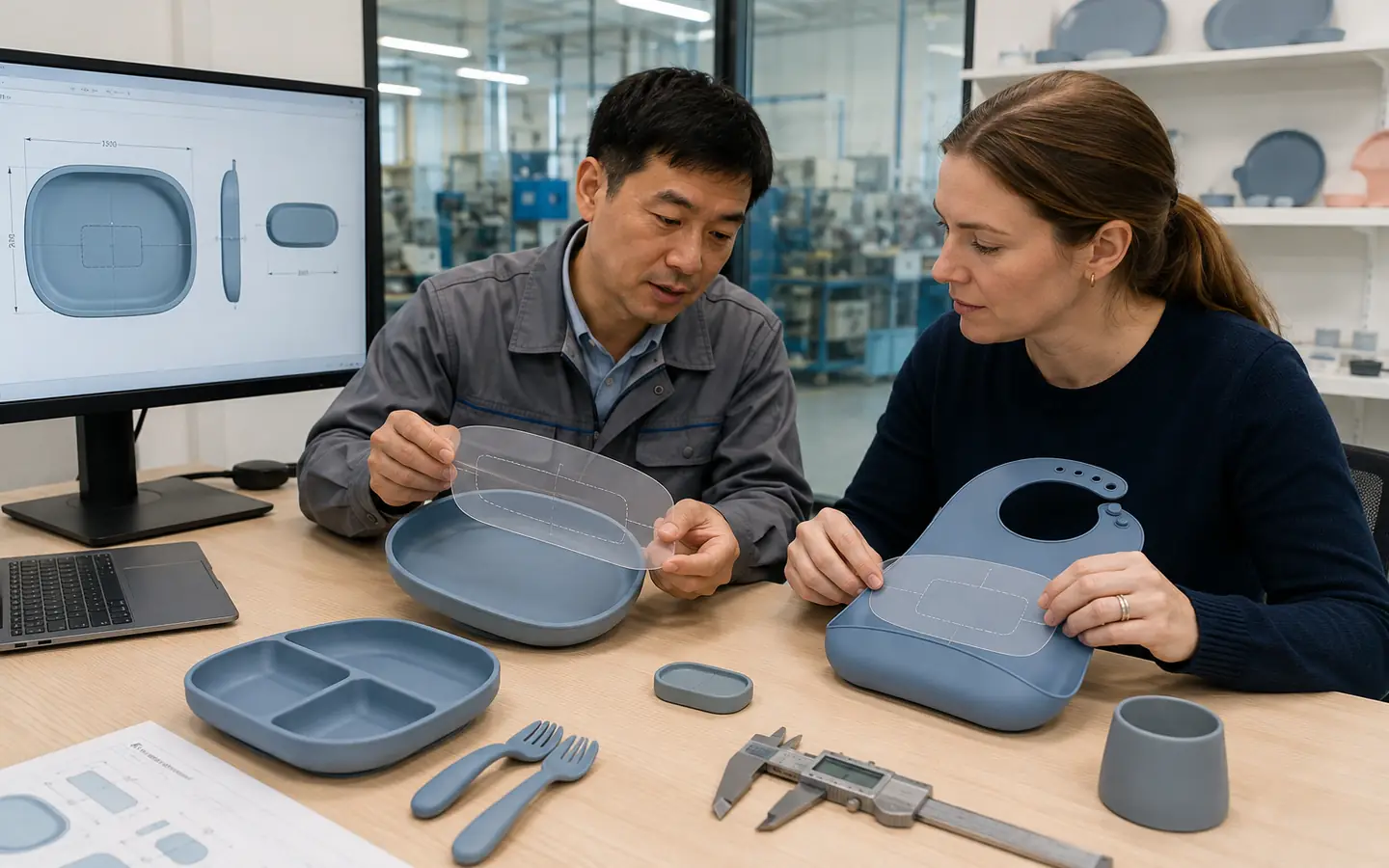
Release Controlled Artwork for Production and Repeat Orders
Release production only when drawings, golden samples, inspection records and change authority describe the same revision.
Golden Sample, Inspection Record and Repeat-Order Control
The DFM review should expose the trade-offs around “Golden Sample, Inspection Record and Repeat-Order Control” while changes are still economical. Assign revision ownership and change authority for golden sample, inspection record and repeat-order control before the supplier commits tool steel or production time. For this decision, this makes quotations more comparable because every potential supplier is responding to the same operating assumptions.
The approval file should contain a revision-controlled drawing, DFM record, cavity-identified trial sample and measurement report for golden sample, inspection record and repeat-order control. The unresolved exposure is visual approval of golden sample, inspection record and repeat-order control can conceal dimensional, demolding or process-stability problems. Date the approval and preserve the conditions under which the evidence remains applicable.
ACTION FRAMEWORK
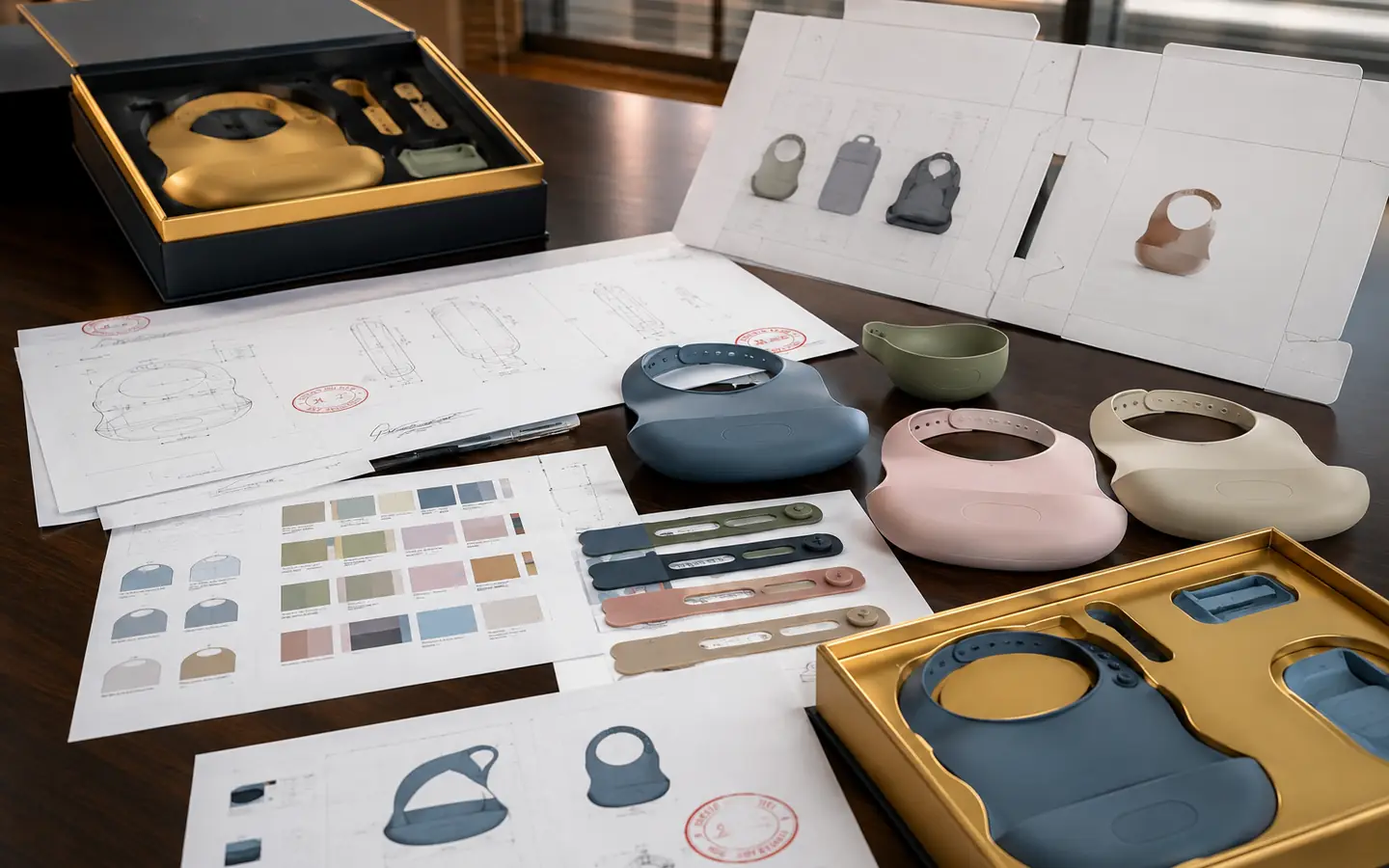
Buyer Checklist Before Commercial Approval
Use this checklist as a meeting agenda. It is intentionally concise so the team can identify missing evidence without replacing its own quality, legal or supplier-management procedure.
| Check | Question | Why It Matters |
|---|---|---|
| Artwork source | Is an editable vector file available with one named approved revision? | A controlled source prevents redraw changes, missing clear space and inconsistent line weights. |
| Logo method | Will the mark be embossed, debossed, printed, engraved or carried by packaging? | Each method changes tooling, surface preparation, durability evidence and later change cost. |
| Placement datum | Is the mark located from stable product dimensions rather than a visual estimate? | Measurable datums allow the factory and inspector to reproduce and verify position. |
| Surface behavior | Is the zone flat, curved, textured, stretched, folded or frequently handled? | Surface deformation can change readability, adhesion, relief and perceived alignment. |
| Contact and cleaning | Does the location touch food, skin, utensils, detergents or abrasive cleaning tools? | Exposure conditions determine suitable methods and meaningful durability checks. |
| Sample approval | Will the buyer approve position, scale, relief, color and finish on a physical sample? | Digital proofs cannot reproduce flexible-surface distortion or actual surface appearance. |
| Inspection standard | Are position tolerance, edge definition, color range and unacceptable defects defined? | Production inspection needs objective criteria connected to the signed reference. |
| Change control | Are artwork, product drawing, packaging and golden sample linked by SKU revision? | Repeat orders fail when different teams release conflicting brand files. |
NEXT READING
Continue the Supplier and Product Review
These internal resources connect the guide with Naike Silicone product, factory, customization and inquiry pages. Open the route that matches the next decision in your project.
Compare silicone product logo methods
Use compare silicone product logo methods to gather the next level of product, manufacturing or commercial information.
Open internal resource →Review buyer approvals before silicone tooling
Use review buyer approvals before silicone tooling to gather the next level of product, manufacturing or commercial information.
Open internal resource →Approve a production-representative silicone prototype
Use approve a production-representative silicone prototype to gather the next level of product, manufacturing or commercial information.
Open internal resource →Explore all silicone product categories
Use explore all silicone product categories to gather the next level of product, manufacturing or commercial information.
Open internal resource →Review Naike Silicone manufacturing knowledge
Use review naike silicone manufacturing knowledge to gather the next level of product, manufacturing or commercial information.
Open internal resource →Understand the customized-service workflow
Use understand the customized-service workflow to gather the next level of product, manufacturing or commercial information.
Open internal resource →PRIMARY REFERENCES
Authoritative External Sources
The sources below are official primary references. Applicability depends on the product, intended use and destination market. Buyers should obtain qualified advice for final legal or regulatory decisions.
WIPO: Industrial Designs
Official World Intellectual Property Organization overview of industrial-design protection.
ISO: Quality Management Systems Introduction
Official ISO explanation of quality-management principles and the process approach.
ISO 9001 Quality Management Systems
Official ISO page for the published quality-management-system requirements standard.
BUYER QUESTIONS
Frequently Asked Questions
What should a buyer confirm first for custom silicone logo placement?
Define how brand objective, user view and intended selling channel will be checked at drawing review, first trial, correction and production approval as the first controlled decision in the buyer's review. Support that review with a tooling gate record linking brand objective, user view and intended selling channel with the current CAD file, process route and trial acceptance method. The exact depth for brand objective, user view and intended selling channel depends on product use, market, order value and whether the program uses an existing design or new tooling. Keep this decision linked to the current SKU revision, and reassess brand objective, user view and intended selling channel whenever material, design, color, process, packaging or destination-market assumptions change.
How should buyers review vector artwork, clear space and minimum feature size?
Assign revision ownership and change authority for vector artwork, clear space and minimum feature size before the supplier commits tool steel or production time as the first controlled decision in the buyer's review. Support that review with a revision-controlled drawing, DFM record, cavity-identified trial sample and measurement report for vector artwork, clear space and minimum feature size. The exact depth for vector artwork, clear space and minimum feature size depends on product use, market, order value and whether the program uses an existing design or new tooling. Keep this decision linked to the current SKU revision, and reassess vector artwork, clear space and minimum feature size whenever material, design, color, process, packaging or destination-market assumptions change.
How should buyers review stable datums, orientation and position tolerance?
Translate stable datums, orientation and position tolerance into controlled geometry, material assumptions and measurable acceptance criteria before tooling release as the first controlled decision in the buyer's review. Support that review with a tooling gate record linking stable datums, orientation and position tolerance with the current CAD file, process route and trial acceptance method. The exact depth for stable datums, orientation and position tolerance depends on product use, market, order value and whether the program uses an existing design or new tooling. Keep this decision linked to the current SKU revision, and reassess stable datums, orientation and position tolerance whenever material, design, color, process, packaging or destination-market assumptions change.
How should buyers review flat, curved and highly flexible silicone surfaces?
Resolve the DFM trade-offs around flat, curved and highly flexible silicone surfaces while mold changes remain practical and traceable as the first controlled decision in the buyer's review. Support that review with a revision-controlled drawing, DFM record, cavity-identified trial sample and measurement report for flat, curved and highly flexible silicone surfaces. The exact depth for flat, curved and highly flexible silicone surfaces depends on product use, market, order value and whether the program uses an existing design or new tooling. Keep this decision linked to the current SKU revision, and reassess flat, curved and highly flexible silicone surfaces whenever material, design, color, process, packaging or destination-market assumptions change.
How should buyers review food-contact, skin-contact and cleaning boundaries?
Define how food-contact, skin-contact and cleaning boundaries will be checked at drawing review, first trial, correction and production approval as the first controlled decision in the buyer's review. Support that review with a tooling gate record linking food-contact, skin-contact and cleaning boundaries with the current CAD file, process route and trial acceptance method. The exact depth for food-contact, skin-contact and cleaning boundaries depends on product use, market, order value and whether the program uses an existing design or new tooling. Keep this decision linked to the current SKU revision, and reassess food-contact, skin-contact and cleaning boundaries whenever material, design, color, process, packaging or destination-market assumptions change.
How should buyers review embossed and debossed logo insert decisions?
Assign revision ownership and change authority for embossed and debossed logo insert decisions before the supplier commits tool steel or production time as the first controlled decision in the buyer's review. Support that review with a revision-controlled drawing, DFM record, cavity-identified trial sample and measurement report for embossed and debossed logo insert decisions. The exact depth for embossed and debossed logo insert decisions depends on product use, market, order value and whether the program uses an existing design or new tooling. Keep this decision linked to the current SKU revision, and reassess embossed and debossed logo insert decisions whenever material, design, color, process, packaging or destination-market assumptions change.
Editorial and Scope Note
Conclusion: Custom Silicone Logo Placement Approval Guide
Move from buyer research to a controlled supplier brief
Custom silicone logo placement becomes repeatable when artwork, position, geometry, process, physical appearance and inspection criteria are approved together. The factory should not infer a final mark from a low-resolution image or an unmeasured visual mockup. Tooling cost, MOQ, price, sample timing, process capability and durability remain conditional on the approved product, artwork, color and order scenario. Send Naike Silicone your vector file, product drawing, reference sample and target market to request an artwork and tooling review.
This factory-insider guide supports sourcing preparation and supplier discussion; it does not replace product-specific engineering, laboratory, regulatory, legal or commercial review for the destination market.